Turkey decides not to pressure Iran
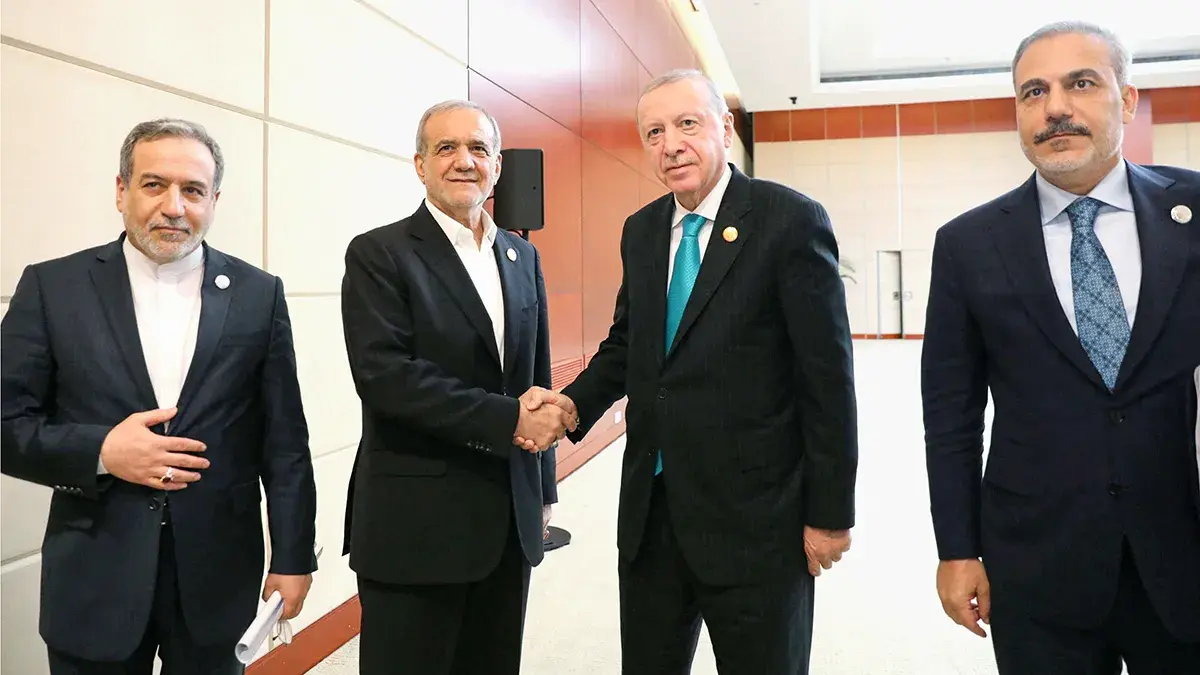
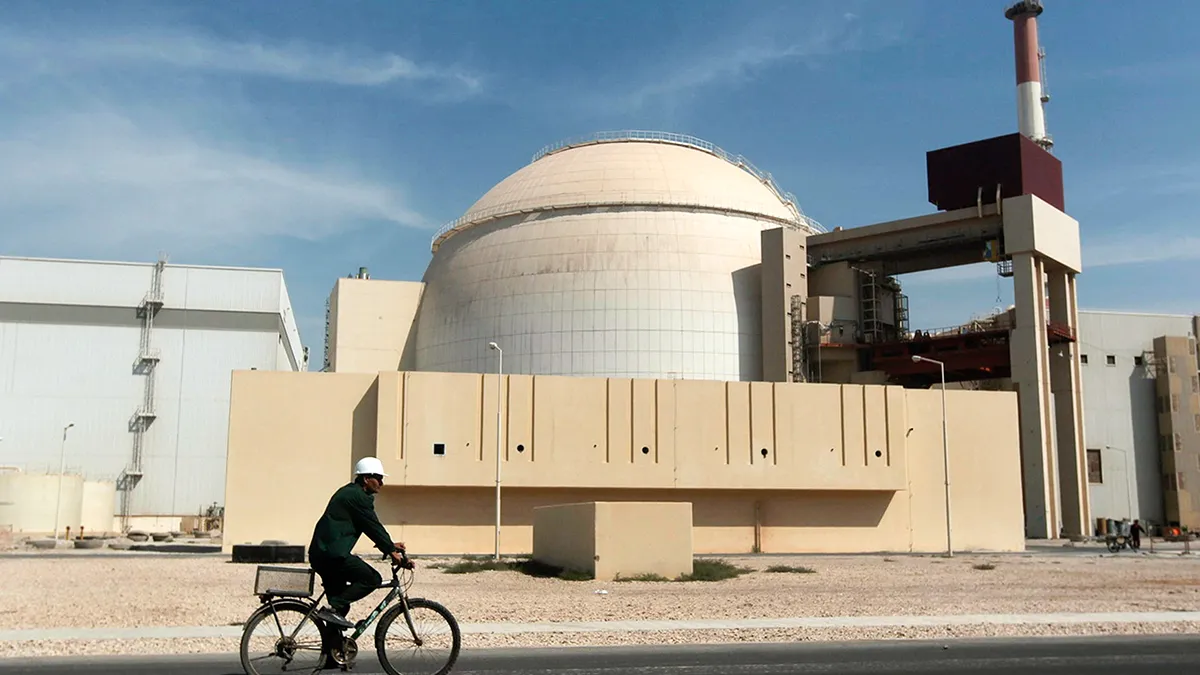
Iran is in a turbulent period with the West due to the imposition of European sanctions on its nuclear programme. Turkey, for its part, prefers to support and negotiate diplomatically with Tehran.
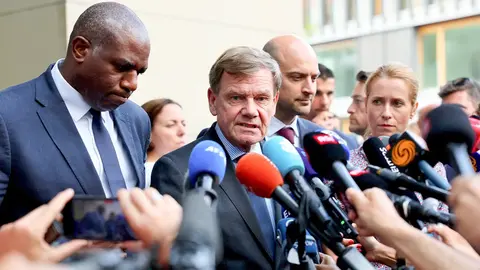
Turkish President Recep Tayyip Erdogan insisted on measures based on dialogue and assured that Ankara supports the nuclear agreement negotiations between Iran and the West, which have been stalled since 2018.
According to Al Arab, what unites the two countries is their rejection of unilateral Western pressure. Ankara is deepening its position in Eurasian relations and alliances through the Shanghai Cooperation Organisation, in which Tehran is a key member.
What they are seeking is to preserve their spheres of influence in the face of constant pressure, through the alliances they are forming.
Neither agrees with the ‘snapback’ mechanism that Europe wants to reinstate, a mechanism that was fundamental to the approval of the JCPOA nuclear agreement, as it allowed the United States to lift international sanctions without losing the opportunity to reimplement them unilaterally. Iran threatened to cease all talks, and Ankara criticised it, saying that it did not bring any benefits.
At the recent Shanghai Summit, the Turkish president and Iranian president, Masoud Pezeshkian, discussed issues that go beyond the nuclear issue, such as Israel's growing influence in the Middle East and the collapse of Bashar Al-Assad's regime in Syria. In other words, issues of regional security and cooperation.
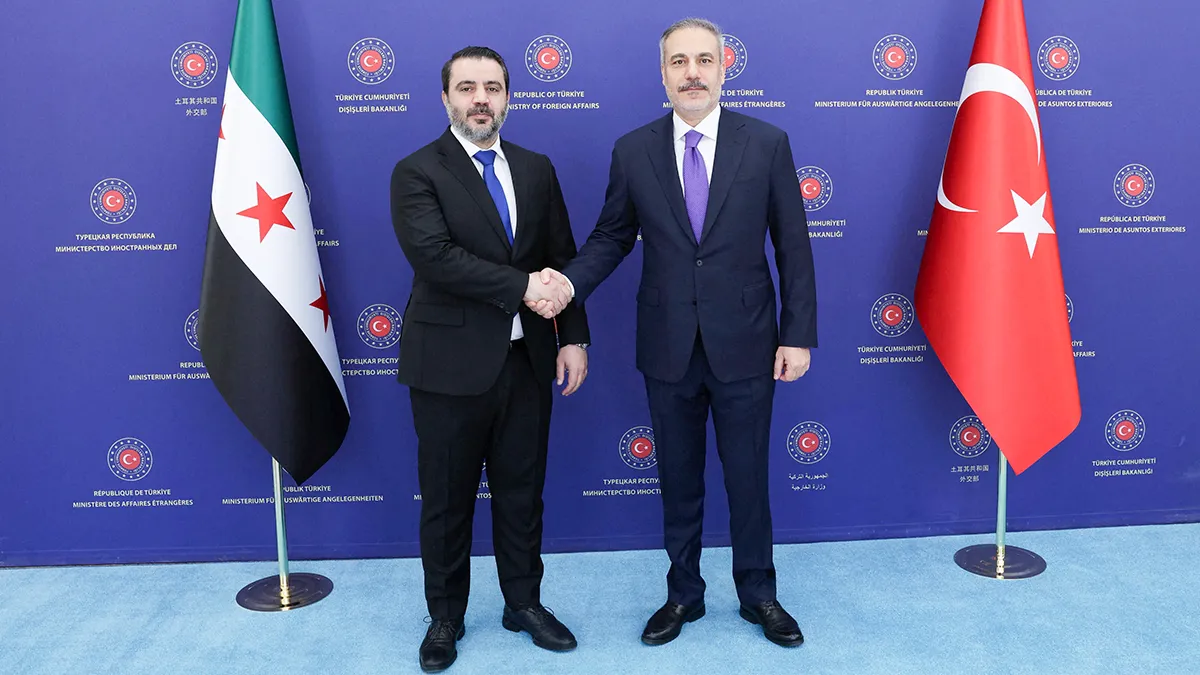
According to the L'Ifri report ‘Turkey 2050: economic trajectory, immigration, Turkey-Iran’, there is a rivalry based on differences in religious practice (Shiites and Sunnis) and competition for control of regions in countries such as Iraq.
And, as Otralectura also pointed out, they are engaged in a proxy war, that is, ‘an indirect confrontation between two powers that support different factions in local conflicts, without directly confronting each other’.
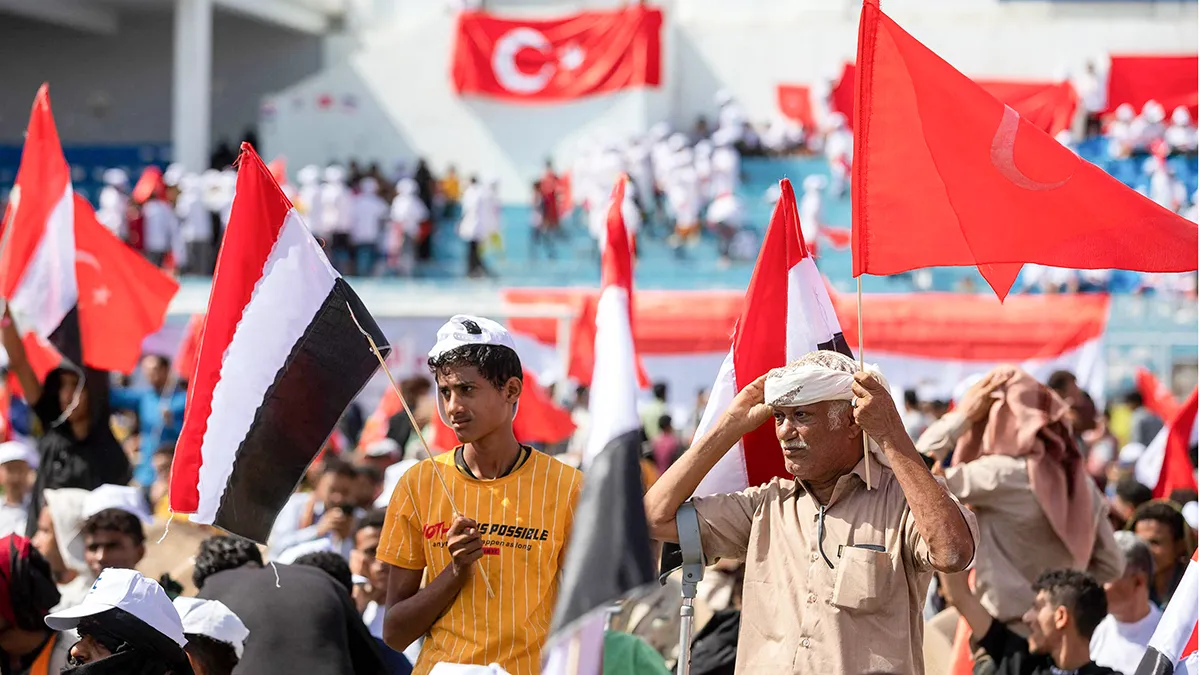
In the cases of Syria, Yemen, Libya and the Caucasus, Ankara supported one side, while Tehran supported the other, as signs of their constant struggle for ‘regional hegemony’.
There are also tensions over the escalation of the Israeli offensive towards Iran and the US attacks on uranium deposits. This has caused many to flee to Turkey, thus increasing the risk of Kurdish fighters infiltrating the Ottoman country. It also poses an energy risk for Ankara.
However, the report added that, despite the tensions, the two nations are united on issues such as energy: ‘Turkey imports a significant portion of its natural gas from Iran (16% in 2024); therefore, its energy security depends on the stability of this neighbour.’
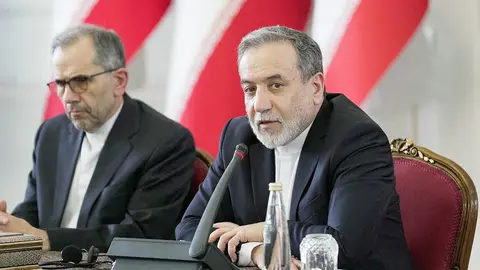
‘They have increased their trade, reaching $5.68 billion in 2024, and Ankara aims to increase this volume to $30 billion in the medium term by diversifying border crossings and customs cooperation,’ the report explained.
The words of support between Erdogan and Pezeshkian stem from a desire to maintain balance in the region and thus avoid any escalation of the current turbulent situation.