Venezuela recruits militiamen and prepares for US military offensive
- Troops on the border with Colombia
- Wanted
- Maduro defends himself
- France protects Guadeloupe
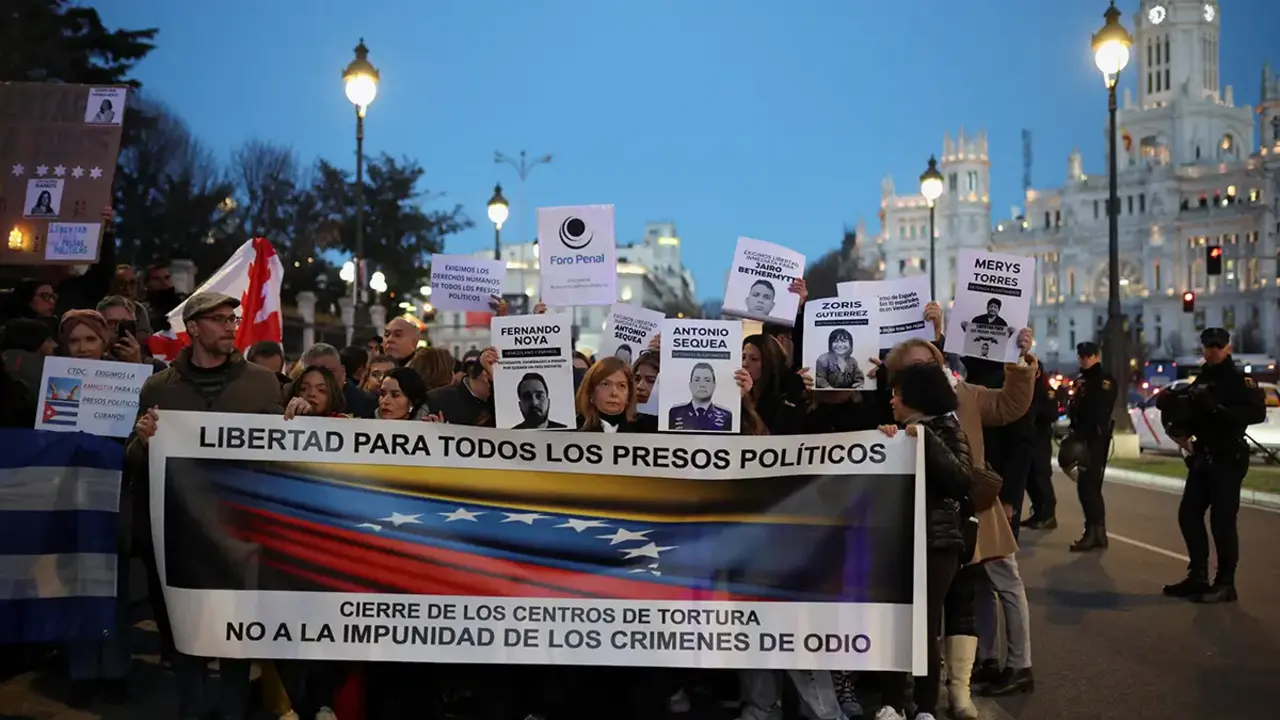
- Release of political prisoners
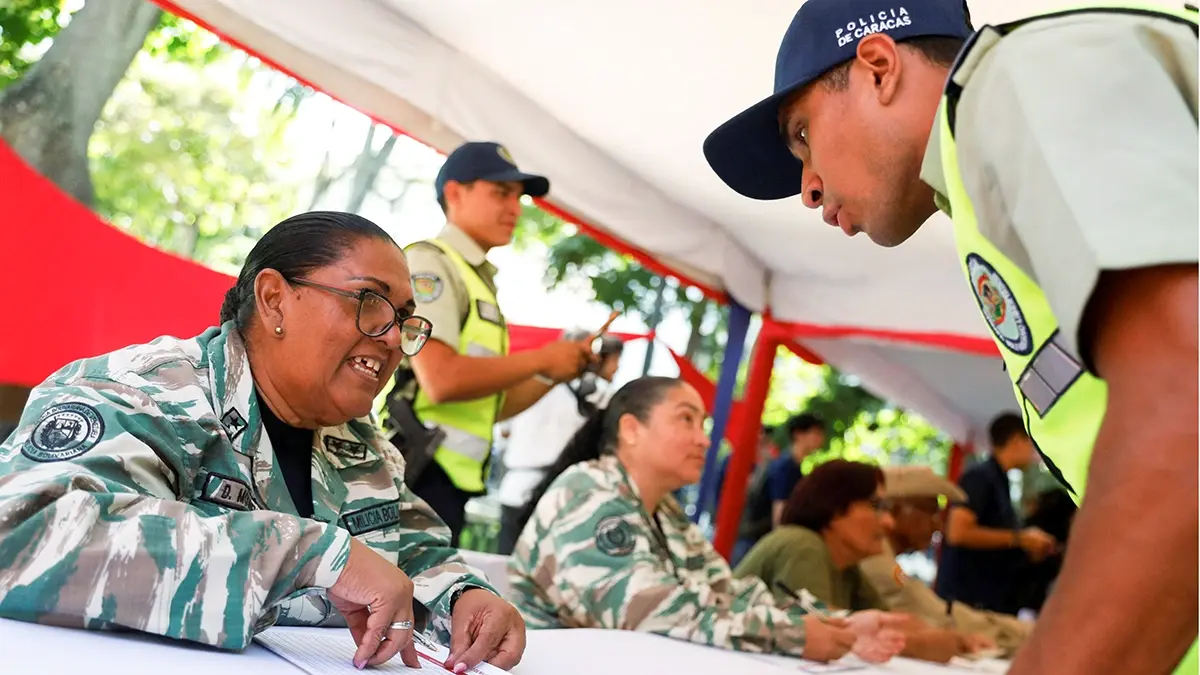
The Venezuelan government has announced the deployment of 15,000 members of its security forces to the border with Colombia, with the aim of fighting drug trafficking.
Troops on the border with Colombia
According to an announcement by President Nicolás Maduro on his television programme, ‘15,000 well-armed, well-trained and well-prepared men and women will be sent to reinforce the entire binational area’. Maduro stressed that ‘Venezuela is a clean territory, free of drug trafficking’.
This mobilisation coincides with the US accusation against Maduro and members of his government, such as Interior Minister Diosdado Cabello, of belonging to an alleged drug trafficking organisation called the ‘Cartel of the Suns’.
Wanted
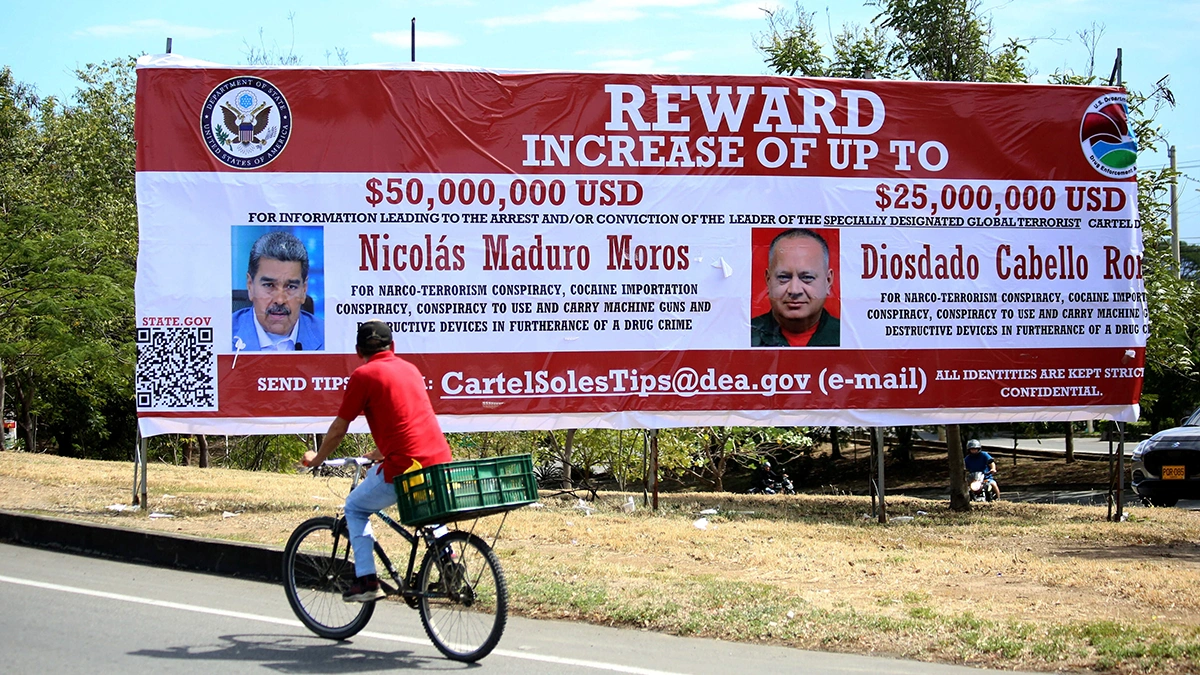
Washington has announced substantial rewards (US$50 million and US$25 million, respectively) for anyone who can provide accurate information leading to the arrest of Maduro and Cabello.
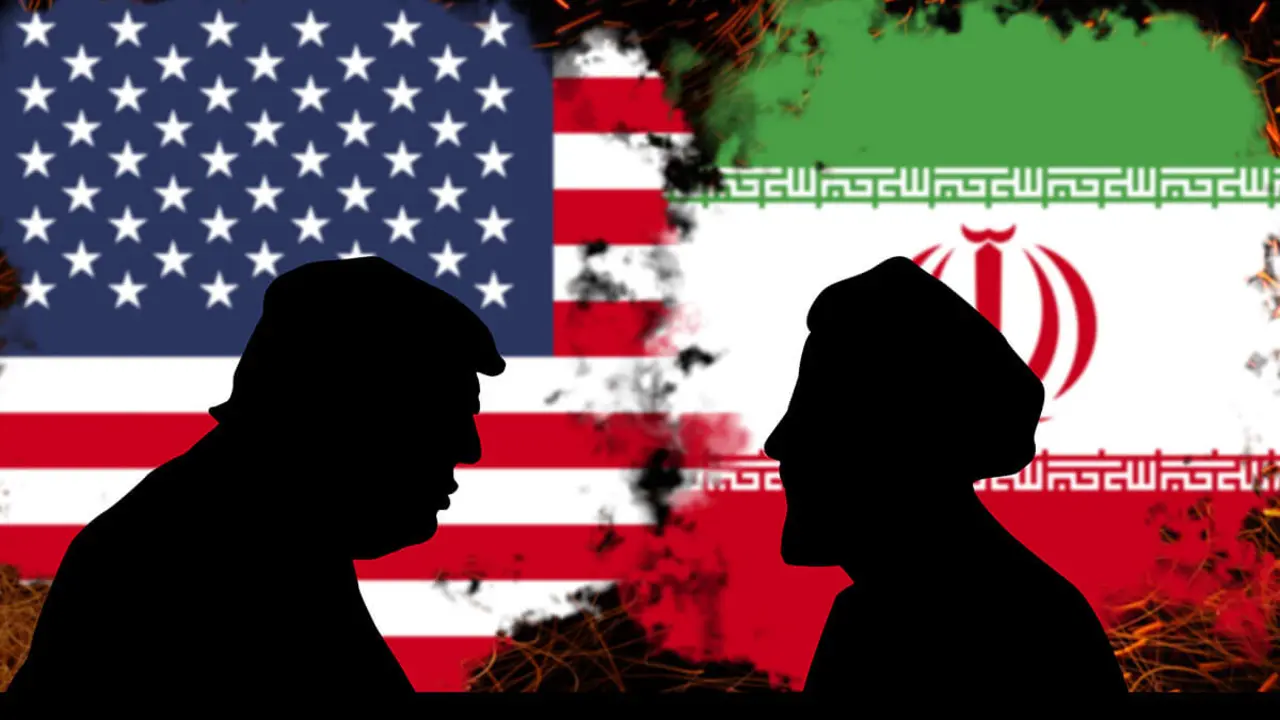
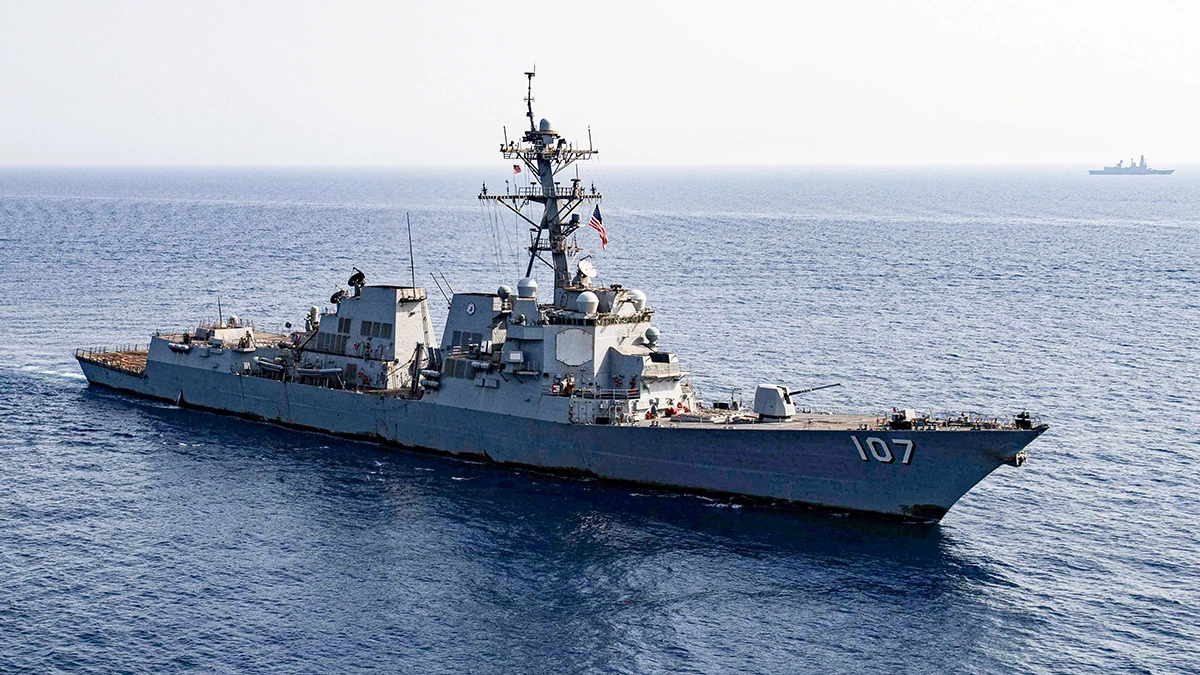
To put pressure on the Venezuelan government, the US Navy has deployed three missile destroyers in international waters near Venezuela's territorial waters, which Washington claims are operations against international drug trafficking.
The US press has also reported on the deployment of a possible contingent of 4,000 marines to the area, in addition to the aforementioned destroyers.
According to White House spokeswoman Karoline Leavitt, President Trump ‘is prepared to use all means of US power to prevent drugs from flooding our country and to bring those responsible to justice.’
According to Leavitt, ‘the Maduro government is not the legitimate government of Venezuela, it is a narco-terrorist cartel.’
Maduro defends himself
For his part, Nicolás Maduro assured on Monday, 25 August, that ‘no one touches Venezuela’ and that ‘all national forces and power have been activated to defend the country from the illegal, immoral and criminal threats of the United States empire’.
According to the president, the Venezuelan defence system ‘has undergone an intense process of acceleration and dynamic reorganisation’ and ‘is deployed 24 hours a day, with combat and armed struggle capabilities’.
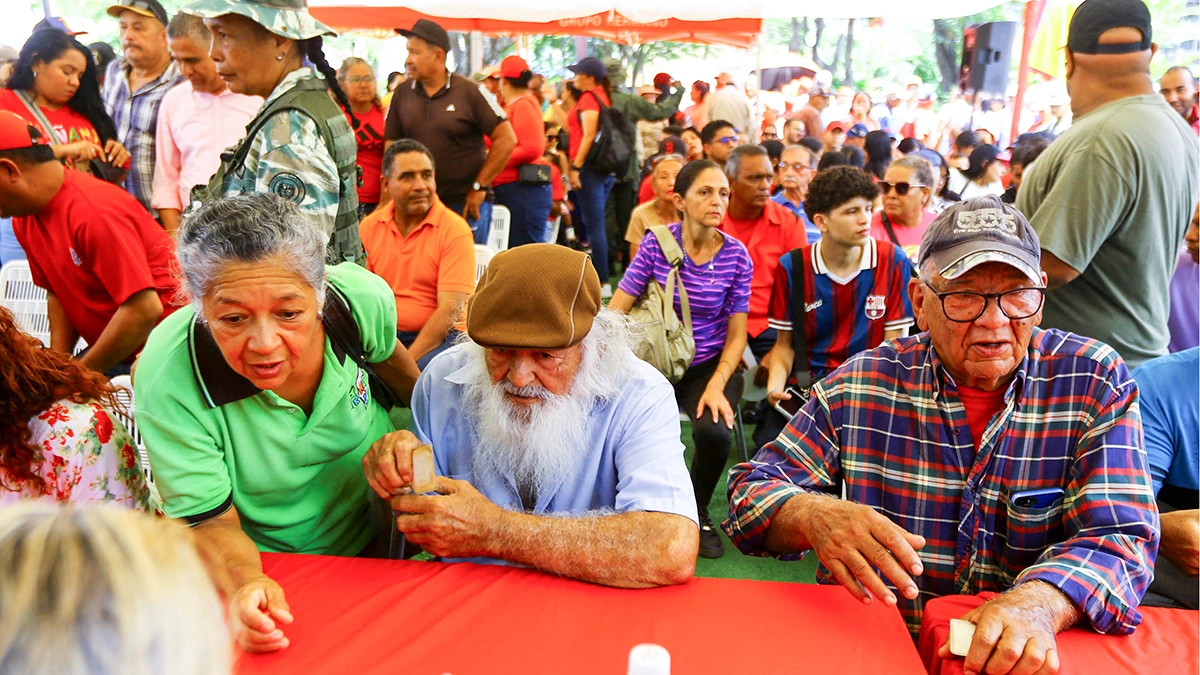
Maduro's plans include recruiting 4.5 million civilians into the Bolivarian Militia, a civilian corps attached to the Armed Forces.
Opposition sources have questioned the government's ability to achieve these high figures.
France protects Guadeloupe
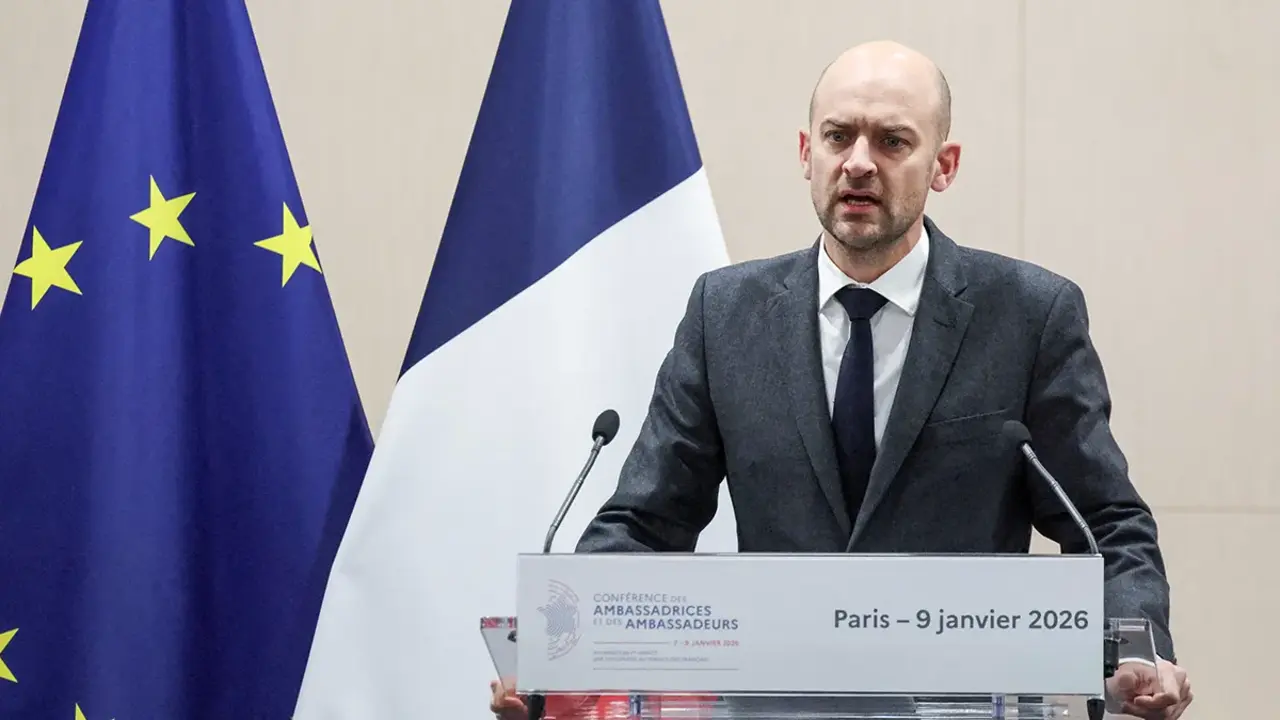
In response to this military escalation, France has decided to increase its military presence in the Caribbean by sending more ships to Guadeloupe, its overseas territory, according to Manuel Valls, the French Minister for Overseas Territories.
The French government has justified its decision to reinforce naval support as part of an international cooperation strategy against criminal networks operating in the area, arguing the need to protect its overseas territories, particularly Guadeloupe and Martinique, which are often used as transit points for drug trafficking to Europe.
Release of political prisoners
Meanwhile, the Venezuelan government released a total of 13 political prisoners last weekend, including former MP Américo de Grazia and opposition leader Pedro Guanipa, who were imprisoned in the context of the crisis that followed the 2024 elections.
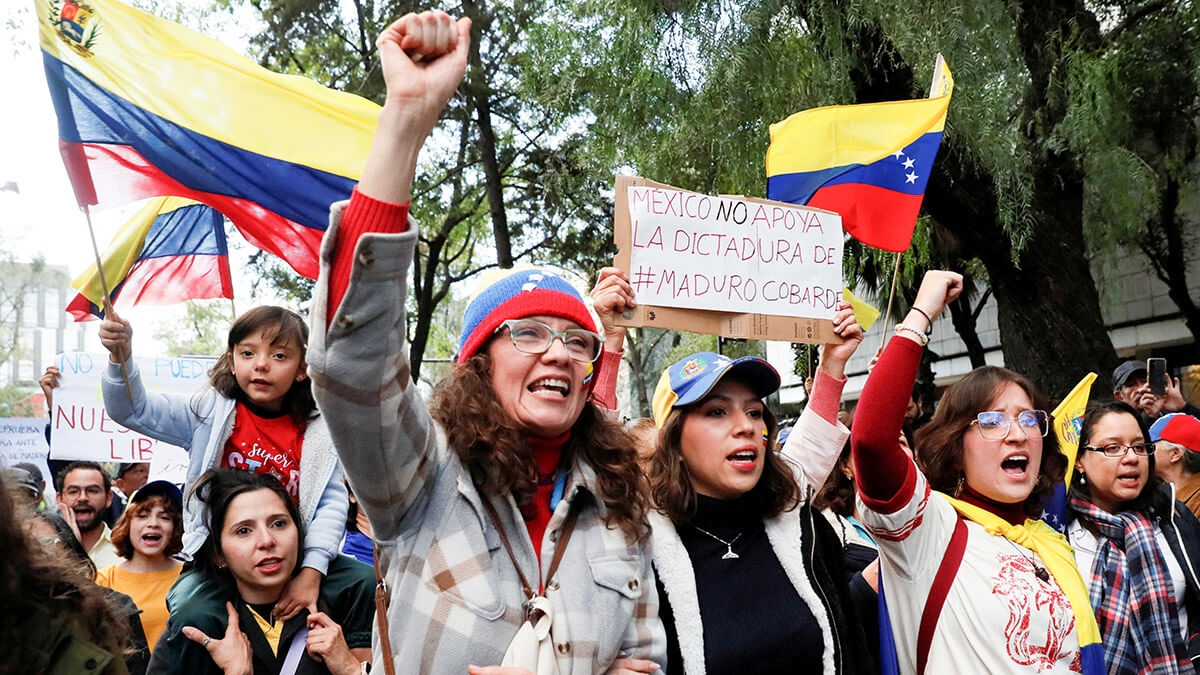
In addition to De Grazia and Guanipa, Víctor Jurado, Simón Vargas, Arelis Ojeda Escalante, Mayra Castro, Diana Berrío, Margarita Assenzo and Gorka Carnevalli were also released.
Former mayors Rafael Ramírez and Nabil Maalouf, as well as Valentín Gutiérrez Pineda and David Barroso, have had their prison sentences commuted to house arrest.
The NGO Foro Penal has pointed out that there are still 815 political prisoners in Venezuela, including four teenagers and 89 people of different nationalities.
The government of Nicolás Maduro denies the existence of political prisoners in the country and accuses the 815 prisoners of committing ‘terrible punishable acts’.
For its part, the Venezuelan NGO Committee for the Freedom of Political Prisoners has questioned the discretionary use of releases from prison and warns that this practice exacerbates the uncertainty of those who remain incarcerated and causes ongoing distress for families who continue to wait for justice.