A very real hypothesis

- Drone intervention
- From tension to fear
- Saturation of defence systems
- Collaboration between Russia and Belarus
What some analysts have been predicting for so long has finally come to pass.
Europe and NATO have come face to face with the harsh reality. Underestimating and despising opponents has never been a wise choice, and yet this is what part of our political class has been doing for too long, ignoring those who warned them of what could happen and who presented them with the scenarios they might face, not for the sake of notoriety or to obtain more resources, but so that those whose job it is to decide could make the most appropriate decisions and prepare themselves, and us, for any possibility.
The most serious thing is that with their attitude, they have not only tied the hands of those who have the responsibility to act, but they have indoctrinated, or at least anaesthetised, those who should uphold and support the measures taken, creating a false sense of security and placing them in a position of absolute rejection of any sacrifice, in such a way that their stance against any decisive and forceful action makes it impossible. And it is impossible because what prevails in the ruling class is cowardice, marked by the fear of losing power, and they will do everything in their power to maintain it. It does not matter what political party or country, with a few honourable exceptions. And our enemy knows this, was aware of it, and has taken advantage of it.
Drone intervention
We had the warning from Poland, the systematic violations of the Alliance's airspace, the sightings of drones over strategic facilities and airports, the cyber attacks against critical infrastructure, the blocking of airspace in certain areas causing chaos in transport... And except for a few, no one wanted to see the signs.
And now it's too late. Some will say that all that was needed was to observe and connect the dots, like in one of those children's crossword puzzles. However, those who should have done so did not, and those who did, those who had the power to make decisions, did not listen.
When a group of 23 Geran drones, used as decoys, entered Romanian airspace, our response was desperately slow. Obviously, it was impossible to know whether they were armed with explosives or not, and no one wanted to interpret it as a deliberate action. Air defences were activated, and both Romanian and Spanish fighter jets, which we have deployed to monitor NATO airspace, took off to intercept them.
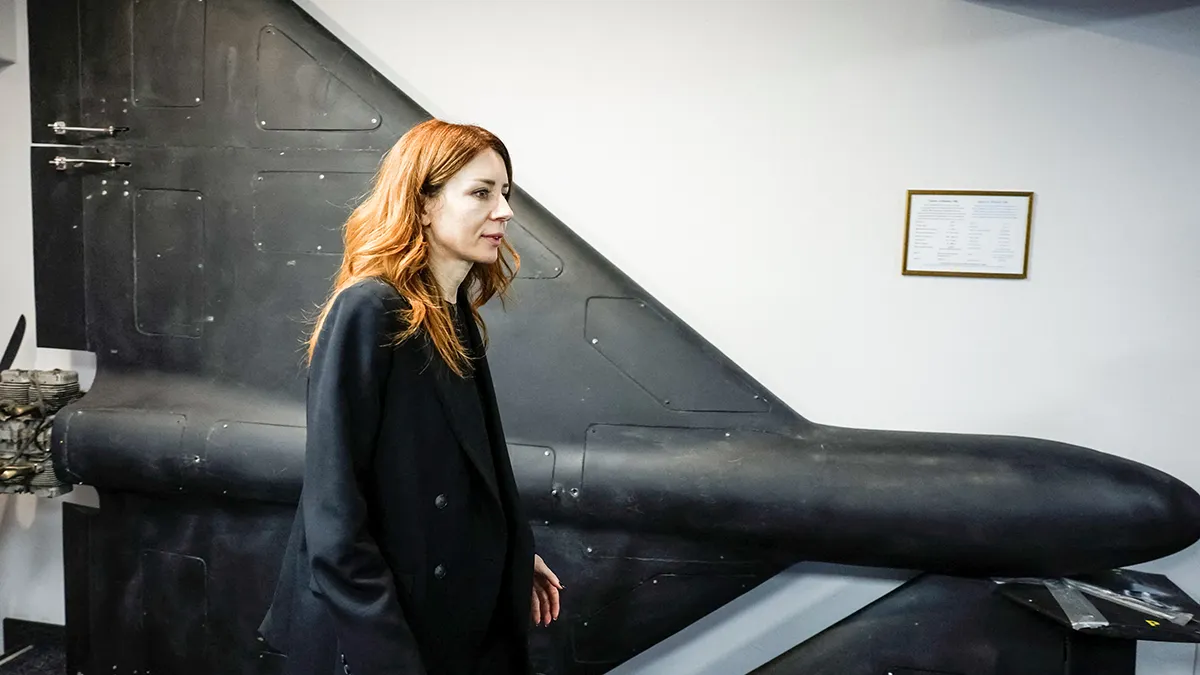
But as they were heading towards their targets, another airspace violation was detected by the control centres. The Control and Reporting Centre (CRC) detected two groups of three and four aircraft respectively, which were only seconds away from violating Estonian airspace. None of them had their IFF activated, nor were they in radio contact with the air traffic control (ATC) agency. The CRC controllers, considering the tracks to be potentially hostile, generated a RAP (Recognised Air Picture) which they sent to the Combined Air Operations Centre in Uedem (Germany), which gave the order to scramble the Baltic Air Policing fighters. The alarm sounded in the hangars and the call ‘alpha scramble!’ set in motion a dizzying sequence of actions that ended with two British aircraft in the air.
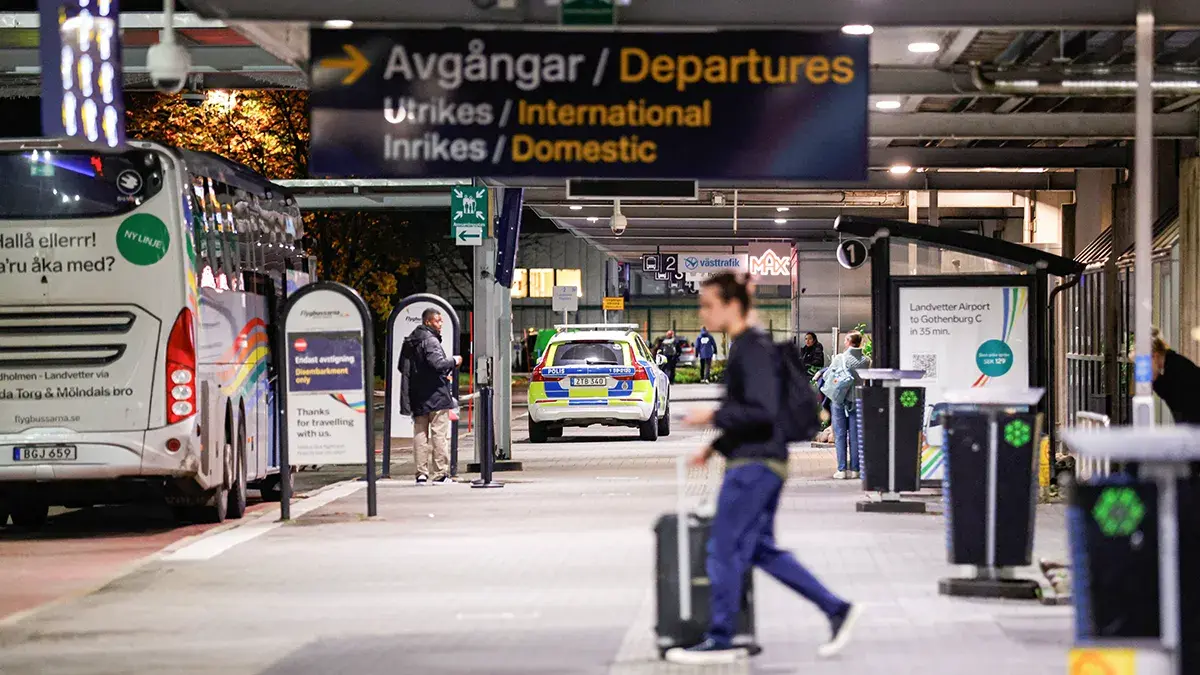
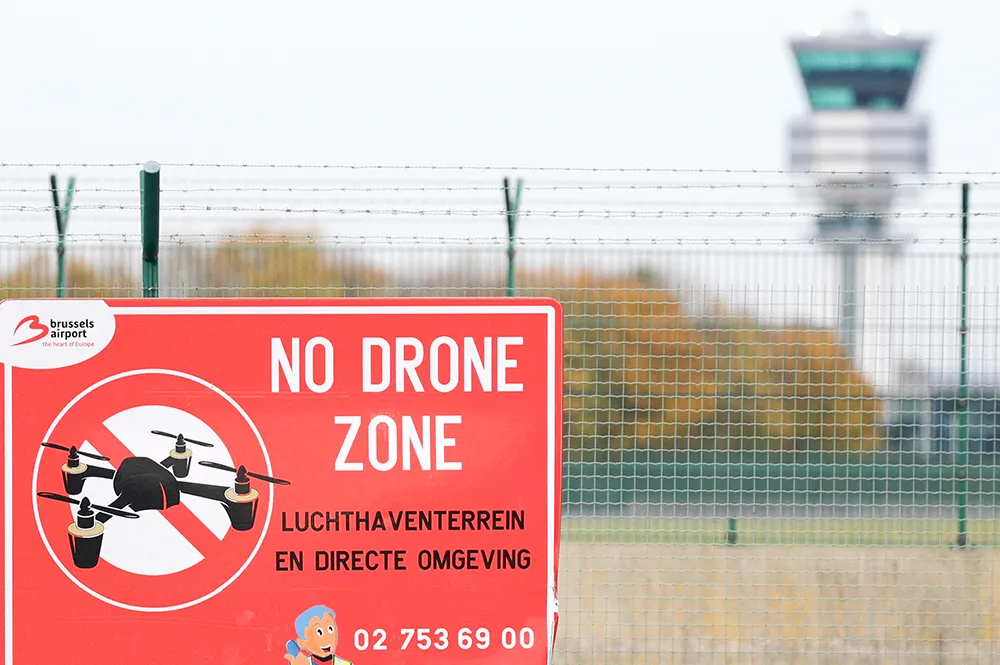
At that moment, we were still unaware of what was happening or what was to come. Only when news began to emerge of the appearance of drones of unknown origin within the security zone of the airports of Brussels, Dusseldorf, Frankfurt, Milan, Munich, London, Oslo and Warsaw did a halo of concern begin to spread through the centres of power.
All of these airports were forced to cancel all operations, and suddenly hundreds of planes were stranded in the air as air traffic controllers tried to rearrange routes to avoid tragedy. The immediate effect was total chaos in European skies, chaos that began to affect military operations when another group of between fourteen and eighteen drones entered Polish airspace and, simultaneously, a group of six fighter jets were detected flying over Lithuanian territory, forcing a new deployment of Baltic air policing mission aircraft.
From tension to fear
The tension then turned to fear. Reaction capabilities were reaching their limits, and the resulting air congestion prevented the activation of elements located within the continent. It was clear that this was a coordinated action.
A few hours earlier, no one wanted to admit it, but someone had decided to test all our capabilities and determination. And we were discovering in the worst possible way that our enemy had us figured out.
It was just after midnight when the NAC called an emergency meeting and the defence ministries of half of Europe had activated their crisis units. It was then that reports began to come in of failures in the billing systems of almost 80% of the continent's airports, power cuts in large areas of Poland, Germany, Norway, the Netherlands, Romania, France and the three Baltic republics. The power cuts, which are still ongoing in certain areas, were intermittent in some places and total in others, but have since affected basic services for the population, leading in some places to serious public order problems that will undoubtedly worsen if the situation continues.
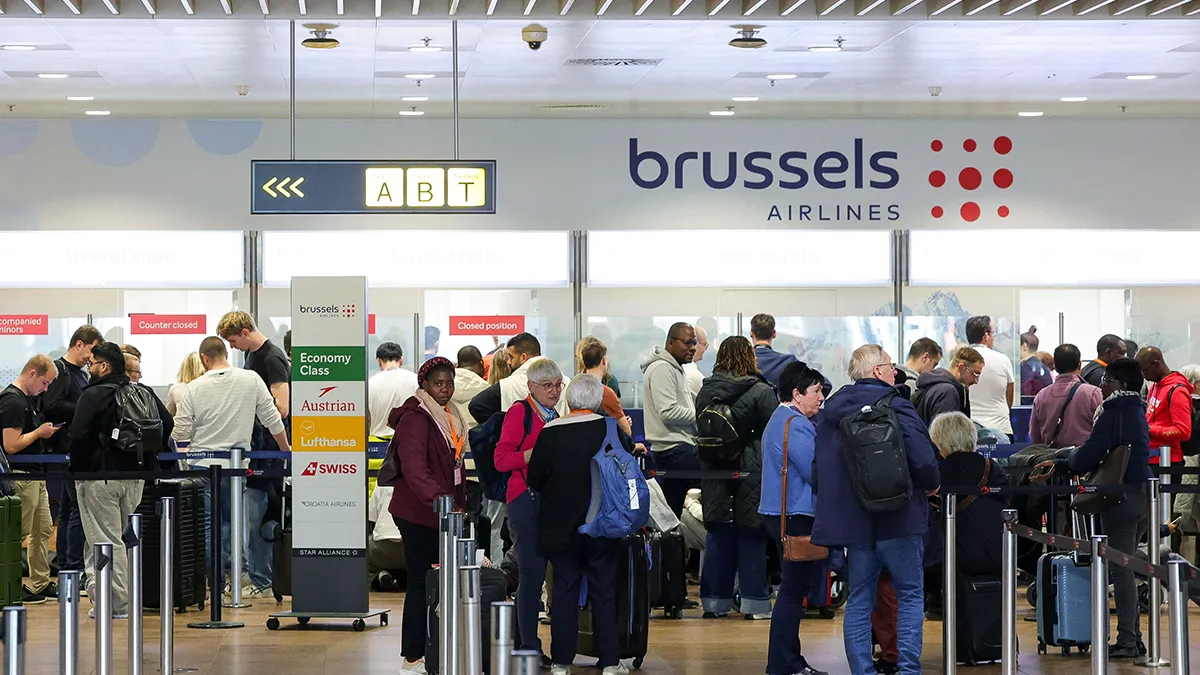
Similarly, the lack of power has affected rail traffic, creating a collapse similar to that of air traffic and making it impossible for trains to run in almost all of Europe. Now that we know the extent of what is happening, this situation is much more serious than initially assessed, because although the situation of thousands of travellers stranded across Europe, some still on board immobilised trains and others crowding stations, is worrying, much more serious is the way in which this is affecting the movement of military units and equipment needed to contain the Russian units that have crossed the border.
The widespread chaos caused by the lack of energy, problems refuelling vehicles, difficulties in purchasing basic goods, etc. has been the perfect excuse for anti-establishment groups to take coordinated action in various countries, taking to the streets and drawing in people who are protesting in good faith against the situation, but whose only objective is to create more unrest and promote destabilisation, polarising societies against any reaction that could lead to the start of a large-scale military conflict.
Many now see this clearly, but the activity of these groups is something we have been observing for years, taking advantage of any opportunity to create opinion against the policies of European governments, whatever they may be. The important thing for them was and is to direct the masses towards their interests. Many people today wonder how we could have seen this and remained impassive. The answer is clear: we were so blind and comfortable living in our welfare society that we forgot the need to protect it.
If there is one thing we can say at this point, it is that the succession of events and news reports coming in from places as diverse as Poland, Romania, Latvia, Estonia, as well as from the major European capitals, have baffled not only governments but also the various crisis management bodies, causing a certain initial paralysis due to a reluctance to admit the reality of what was happening, largely out of fear of making certain decisions, and this has led to a loss of vital time.
Saturation of defence systems
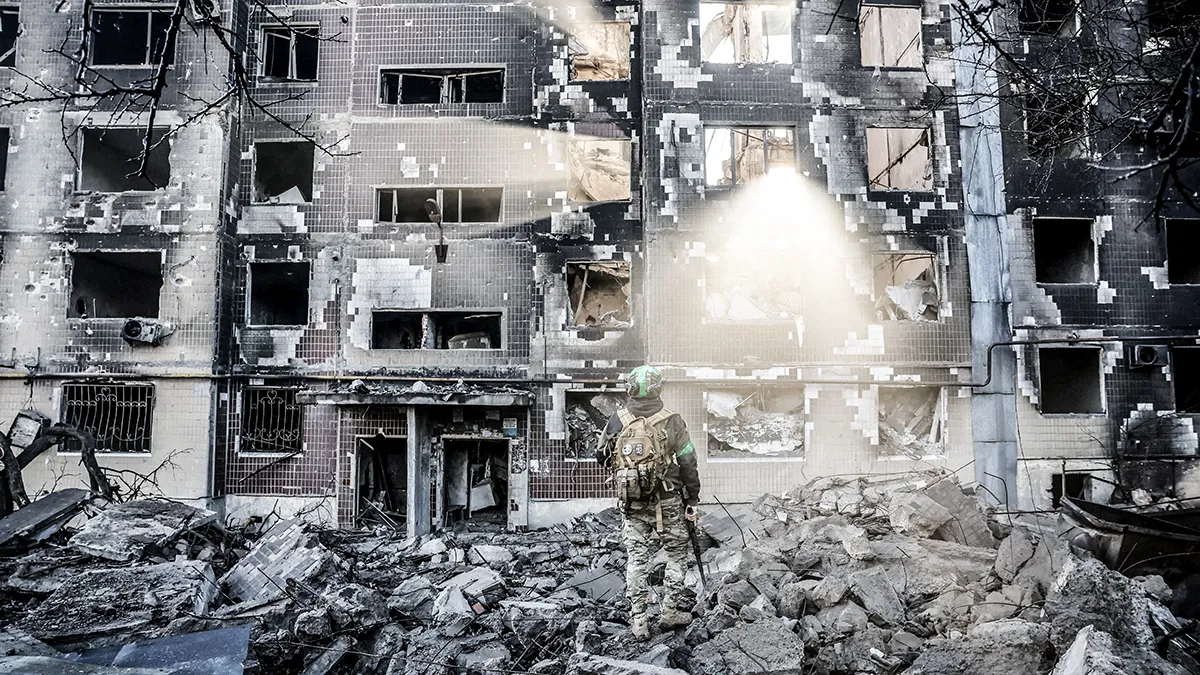
In just a few hours, air defence systems have been saturated and overwhelmed, and airspace has degenerated into chaos that is still being attempted to normalise, but which for the moment has also prevented the action of the air force elements that should have reinforced the eastern flank. Land communications, mainly by rail, have also been rendered virtually inoperative, similarly affecting the movement of military units and resources that need to be transferred to the borders of Estonia, Lithuania and Poland with Belarus.
There is no denying the audacity of Russia's action. Nor can NATO's lack of foresight be denied. Our regional plans were designed to deal with an attack on our territory, and a priori they were an effective tool. But our own mindset has been our worst mistake.
Despite months of warning signs and numerous warnings from the intelligence and defence services, our ruling class has refused to face reality. And this reality was none other than the materialisation of a roadmap leading to aggressive action by Russia. For months, they have been testing us, measuring us, studying us... and when the moment was most favourable for them, they took the plunge. The war with Ukraine and the sanctions that followed left no other option but to escalate the conflict. To bring it to a state of imminent global war that would paralyse our comfortable society with fear. And that is exactly what has happened. The clear military superiority of the West has been undermined by the lack of will on the part of the ruling classes and the population.
Collaboration between Russia and Belarus
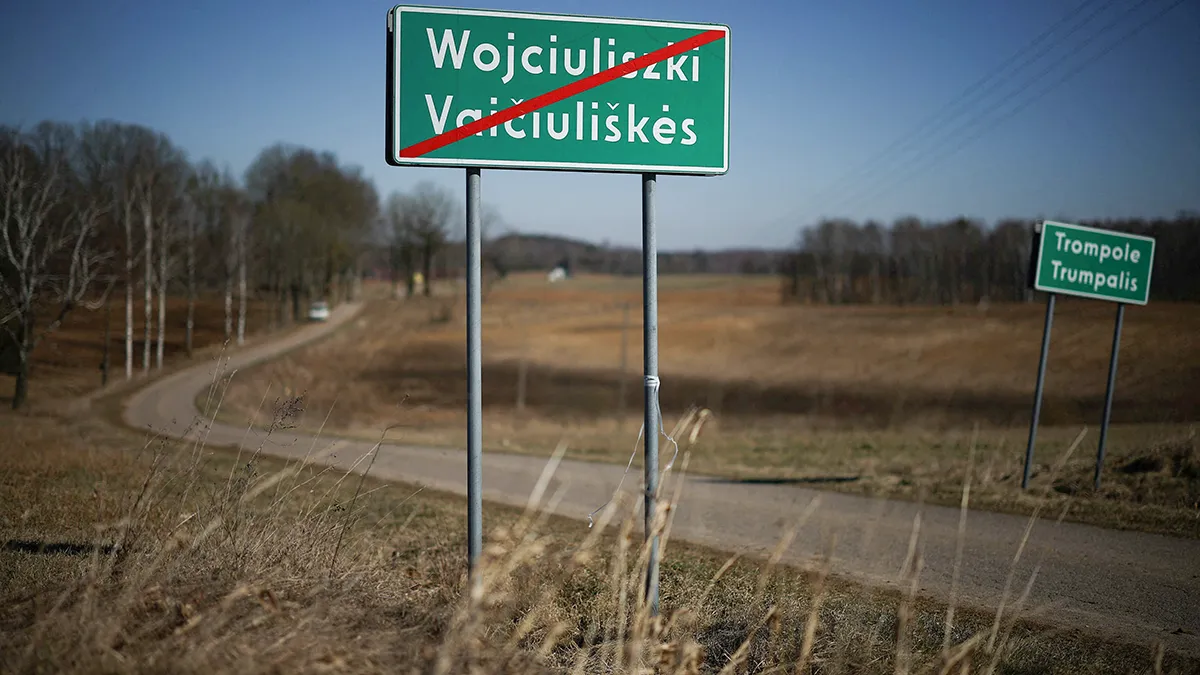
Russia, with the invaluable collaboration of its Belarusian ally, has achieved a historic goal: to occupy, expand and secure the Suwalki corridor. And it has done so quickly and effectively, with almost no fighting, except in three small areas and with a very limited number of casualties on both sides.
The allied forces deployed in the region have been unable to do much to contain the Russian advance, as they have not had the necessary support from the allied air forces due to the blockade of the airspace and the multitude of incidents that have occurred along the entire eastern border, which have tied up virtually all available resources. Reinforcements that depended on rail transport have not yet been able to reach their destination, and that is only those that have been able to be deployed. Added to all this is the chaos caused by the lack of electricity, which in turn makes it difficult to access basic resources.
The first signs of demonstrations and protests against the war have already begun to appear in the main European capitals. All of them are conveniently reinforced by social media campaigns warning of the imminent torrent of casualties that a forceful reaction would entail and the danger of a nuclear holocaust. Faced with this situation, there are already countries whose rhetoric is, to say the least, timid, if not worse. But underlying this entire information campaign is the message: ‘Is it worth accepting hundreds or thousands of deaths, or the risk of a nuclear escalation, for a few square kilometres of land in a small Baltic republic?’ And, as we have said, some countries seem to be starting to ‘buy’ the message.
Be that as it may, we are at a turning point. Our military resources, although technologically superior, have not been able to act effectively and have proved insufficient in number, partly due to the ongoing consumption of resources involved in the conflict in Ukraine. What initially played to our advantage, wearing down Russia by supplying Ukraine with everything it needed, has ultimately been used by Moscow to our detriment. Our lack of proactivity in the grey zone has left the door open for our rear to be paralysed. And the absence of real information operations to counter the narrative disseminated by Russia has left them completely free to play as they please, creating a state of opinion opposed to open confrontation.
Without that support, many governments will put their partisan interests ahead of the need to stop this aggression, and the cohesion of the Alliance itself is in danger.
Today is a historic day, and we may be facing the beginning of the end of the Alliance and a truly uncertain future before our eyes, but whatever happens, we will be more alone than yesterday.
This story is obviously fictional, but some of the events described are real. We cannot know what final decision Russia will make, but we do know which path it is taking. And the tentative, trial actions, sabotage, and operations in the grey zone, especially in the cognitive domain, are a reality. These range from disinformation campaigns to influence operations, both in cyberspace and through social and political groups and movements that, sometimes consciously and sometimes unknowingly, act in the interests of their narrative, paving the way for what may happen.
Closing our eyes to reality will not make it go away, and underestimating our adversary is not a good idea.