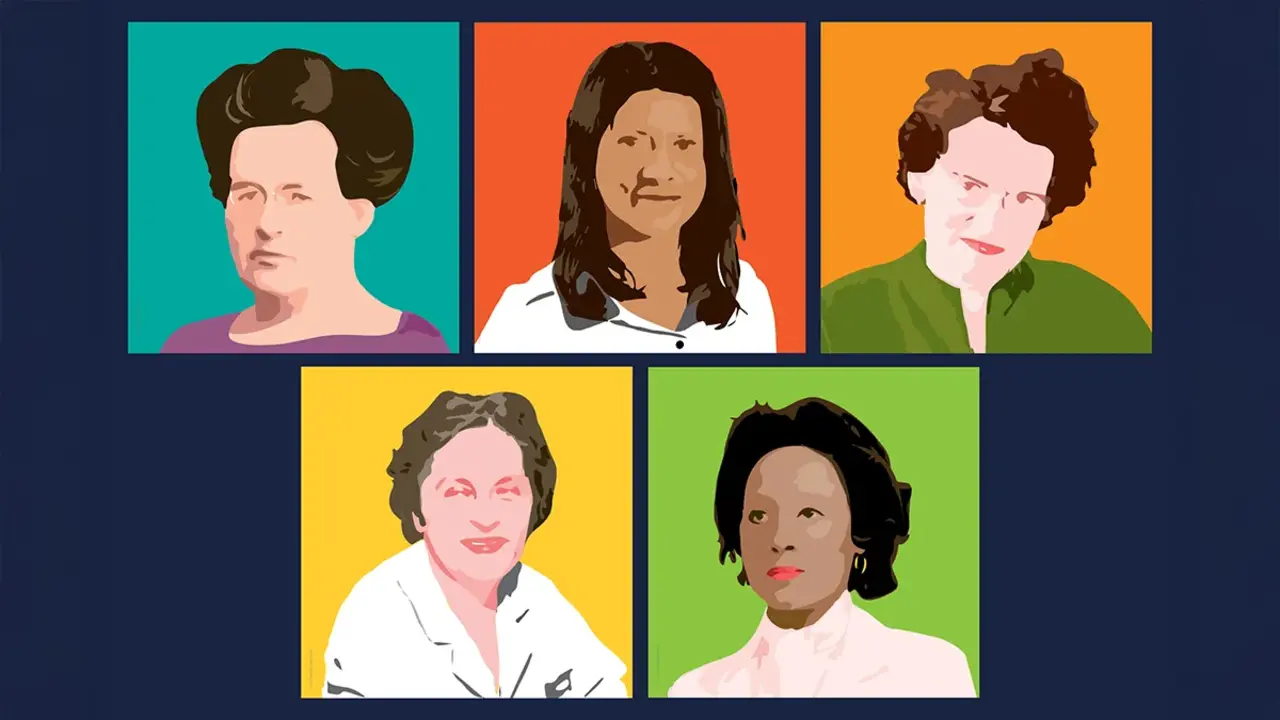
CaixaForum+ and IrsiCaixa present RED, a documentary that weaves connections between science, memory and the future of HIV
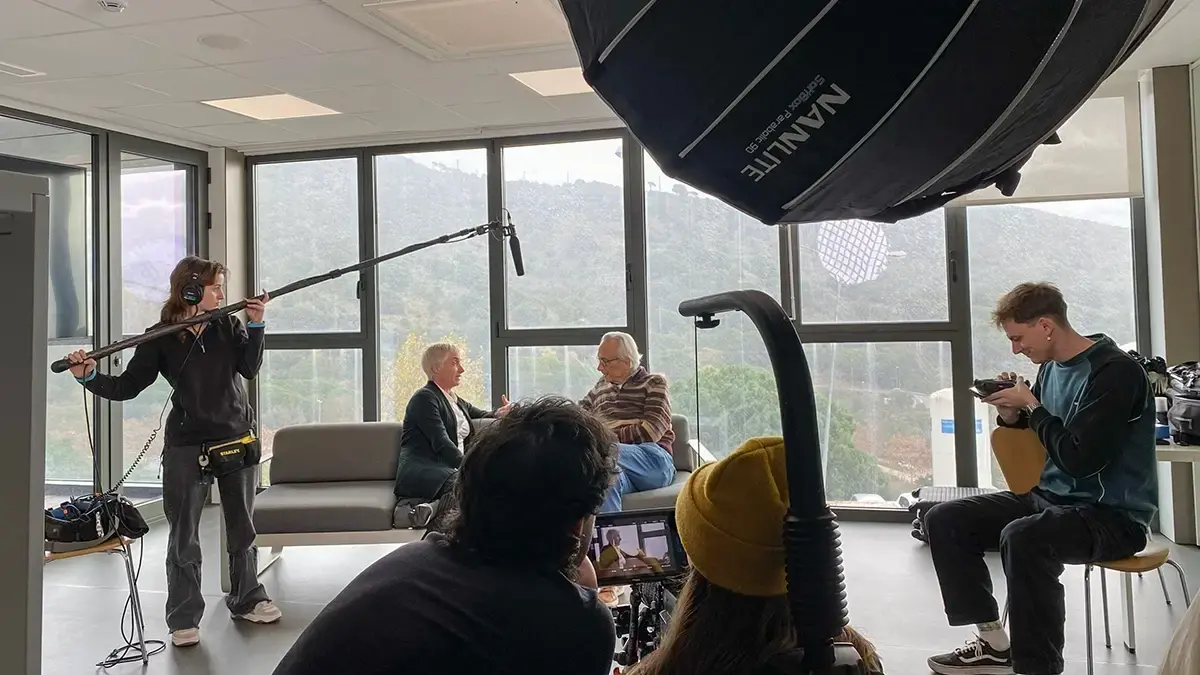
- Understanding to transform the view of HIV
- Currently, one pill a day. But how far can we go?
- Looking to the future of infections and immunology
RED, a new documentary from CaixaForum+, invites us to explore them through the eyes of those who have experienced the epidemic first-hand and those who are working today to transform it.
The documentary recounts the extraordinary scientific advances made in recent decades, alongside personal testimonies and activism. It does so thanks to the collaboration with IrsiCaixa, a centre jointly promoted by the ”la Caixa” Foundation and the Department of Health of the Generalitat of Catalonia, which in 30 years has gone from being the first monographic centre for HIV in Spain to becoming an internationally renowned institute that is a benchmark in infections and immunity, applying its knowledge to new health challenges.
Directed by Alejandro Marín, Carmen Menéndez and Pol Mansachs, RED is structured in three parts —memories, stigma and future challenges— and will be available on the CaixaForum+ platform from 1 December, World AIDS Day. The documentary will premiere that same day at an event held at CosmoCaixa at 6 p.m. with the screening of the documentary and a panel discussion featuring Javier Martínez-Picado, principal investigator at IrsiCaixa and ICREA professor, expert in HIV cure strategies; Julia García Prado, principal investigator at IrsiCaixa and scientific director of the Germans Trias i Pujol Research Institute (IGTP), an expert in immunology and vaccines; Sara del Arco, sexologist and family and community health mediator; and Gustavo Pecoraro, writer and LGTBIQ+ and HIV response activist.
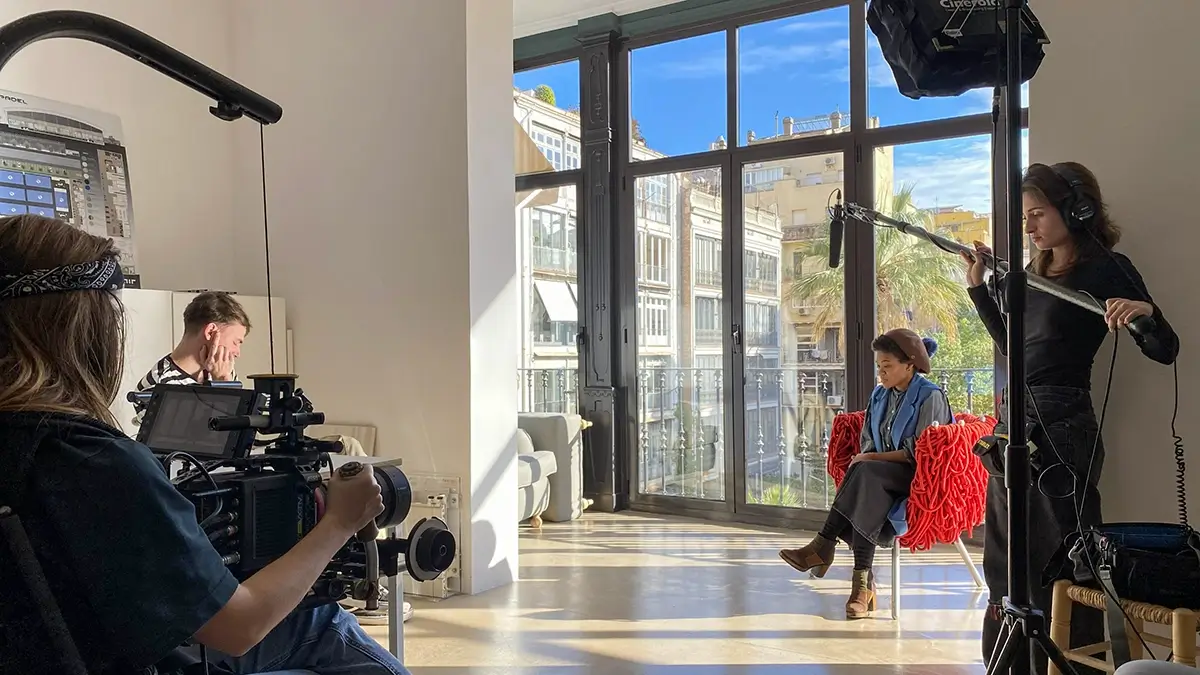
Understanding to transform the view of HIV
‘The way language was used helped to build a stigma that we have not yet deconstructed. Before, people talked about death, guilt and threat,’ explains María José Fuster, activist, psychosocial scientist and professor at the National Distance Education University (UNED), and one of the participants in the documentary. The days when HIV was synonymous with condemnation are a thing of the past: today, thanks to scientific advances, people with HIV can lead long, healthy lives without risk of transmission when the virus is undetectable.
RED invites us to dismantle stigma and stereotypes through knowledge, sharing rigorous and accessible information. ‘Working on the documentary and sharing experiences with the protagonists made me realise how much information we don't retain and how important it is to explain it so that the world has an informed and realistic view of HIV,’ reflects Alejandro Marín.
Currently, one pill a day. But how far can we go?
‘Although HIV remains a complex virus—capable of attacking the immune system, mutating rapidly and hiding from defences—science has made enormous strides in treatment, prevention and the search for a cure,’ explains Julia García Prado, a researcher at IrsiCaixa and scientific voice at RED. Today, treatments keep the virus undetectable and untransmittable, and include new long-acting injectable therapies—lasting up to six months—and preventive drugs that improve quality of life, although they do not prevent the increase in comorbidities in people with HIV.
Even so, inequality in access to treatment remains a global reality. According to UNAIDS, 40.8 million people are living with HIV and more than 630,000 died in 2025 from AIDS-related causes. Although around 76% of adults receive antiretroviral therapy, coverage varies greatly by region: in Africa, many people still face barriers, while in Europe, almost 9 out of 10 people diagnosed receive treatment.
‘The task ahead is to find a cure,’ adds the director of IrsiCaixa, Bonaventura Clotet, who also participates in the documentary. RED explores the most promising research: from stem cell transplants to therapeutic vaccines developed in different laboratories around the world.
Looking to the future of infections and immunology
HIV research has generated key knowledge about the immune system, which is essential for addressing new global health challenges. This experience allows us to respond quickly and effectively to pandemics and emerging outbreaks. ‘Viruses were the first to appear and will probably be the last to leave Earth,’ recalls Clotet.
What we have learned about the immune response to HIV is now being applied to other infections, such as COVID-19, West Nile virus, Ebola and avian flu. In recent years, the need for further research into the functioning of the immune system has been identified, as it plays a central role not only in fighting infections, but also in combating diseases such as cancer and Alzheimer's. For this reason, the “la Caixa” Foundation is promoting the creation of the CaixaResearch Institute, the first research centre in Spain focused on immunology research.
As reflected in RED, the creation of this centre and the advances in HIV treatments are encouraging factors for the future of HIV, research and global health. As stated by Françoise Barré-Sinoussi, winner of the 2008 Nobel Prize in Medicine for the discovery of HIV and one of the protagonists of the documentary, ‘this research is for those of us today, but also for those who will come after us’.