Mysterious drones paralyse flights in Munich, raising European airborne alert
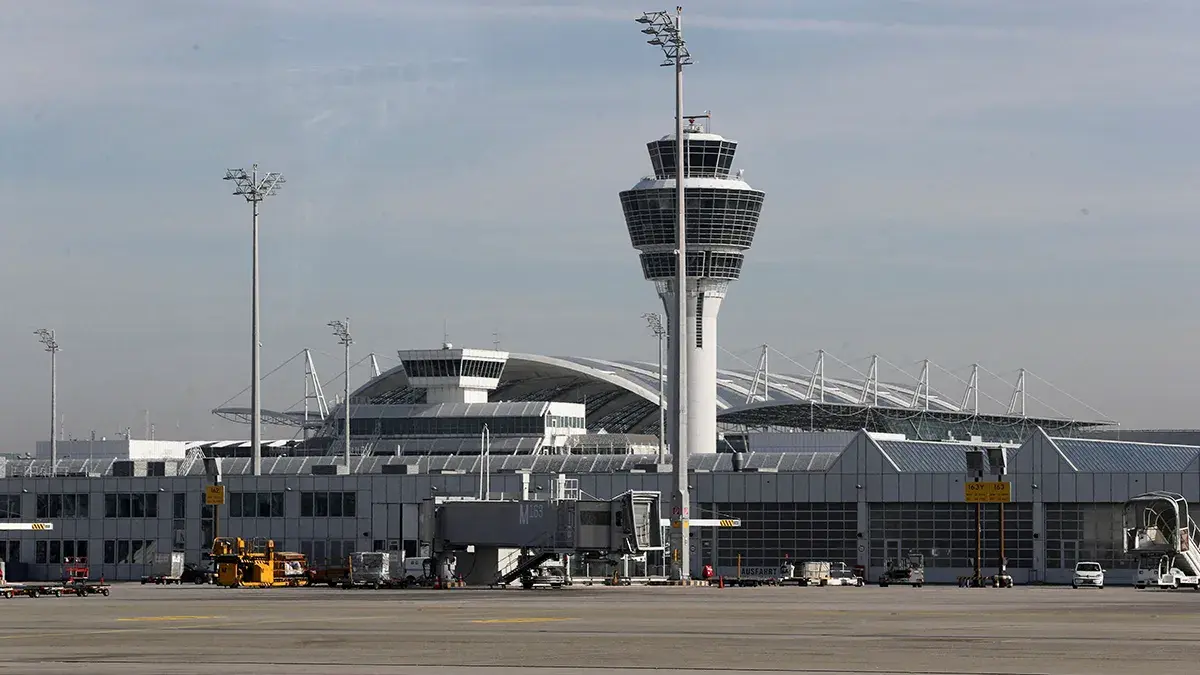
Munich Airport experienced a significant disruption in its operations due to multiple drone sightings near and above its facilities. This led to the cancellation and diversion of flights, affecting thousands of passengers. This episode is one of a series of similar incidents in different European countries, which have raised concerns about the illegal and potentially dangerous use of drones in sensitive airspace.
After reported drone sightings over Munich Airport earlier this evening the airport remains closed until 0259 UTC this morning. 14 flights were diverted. https://t.co/CFDGoduFWa pic.twitter.com/b5hwFI4xVZ
— Flightradar24 (@flightradar24) October 3, 2025
Air safety has been compromised in several countries in northern and central Europe, with drone interference causing the temporary closure of major airports such as Munich. In addition, Belgian authorities reported drones flying over military bases, which has heightened concerns about the possible escalation in the use of drones for hostile or criminal purposes. These events have prompted discussions about the urgent implementation of defence and regulatory systems to mitigate these risks.
- Context of drone sightings
- Impact on Munich Airport
- Similar incidents in Europe
- Security measures and government responses
Context of drone sightings
Drones, or unmanned aerial vehicles, have increased their presence in European airspace, and in some cases, their use has been disruptive or dangerous. The latest incidents involved the detection of at least fifteen drones flying over the Belgian military base in Elsenborn, located in eastern Belgium. The German police also reported sightings in the town of Düren.
These drones were detected during a routine exercise to identify such devices, prompting the activation of security protocols and the launch of official investigations into the unknown origin of the devices. Uncertainty about who controls these drones is raising alarm bells about the protection of airspace and strategic infrastructure.
Impact on Munich Airport
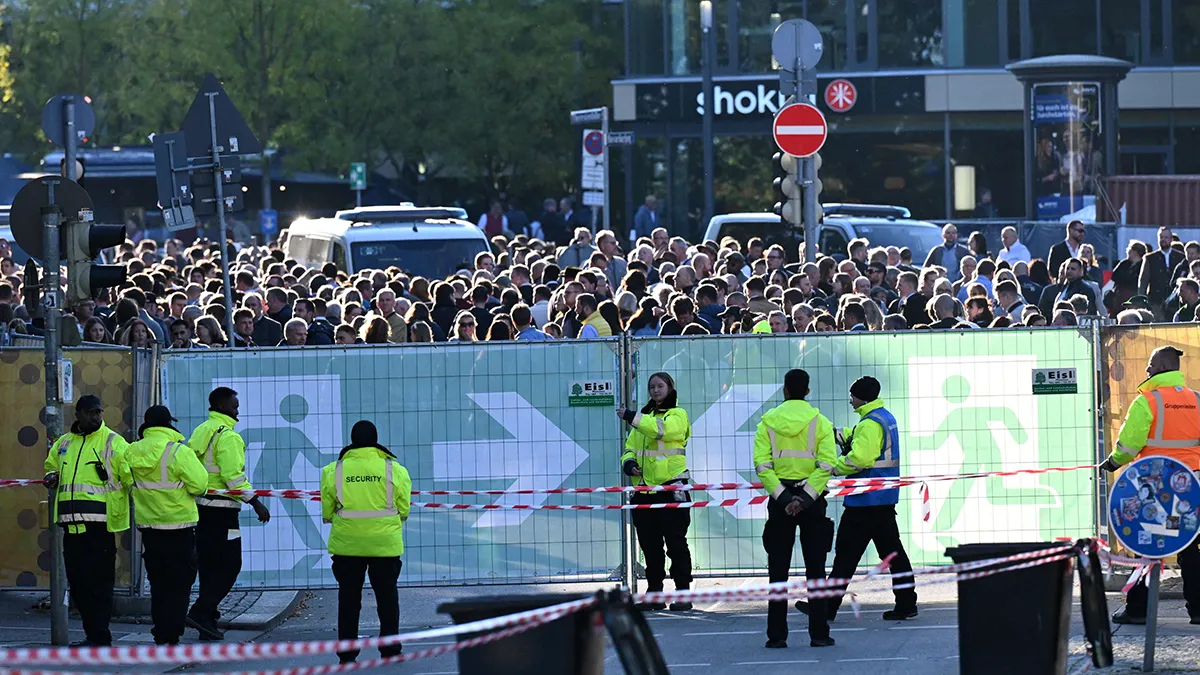
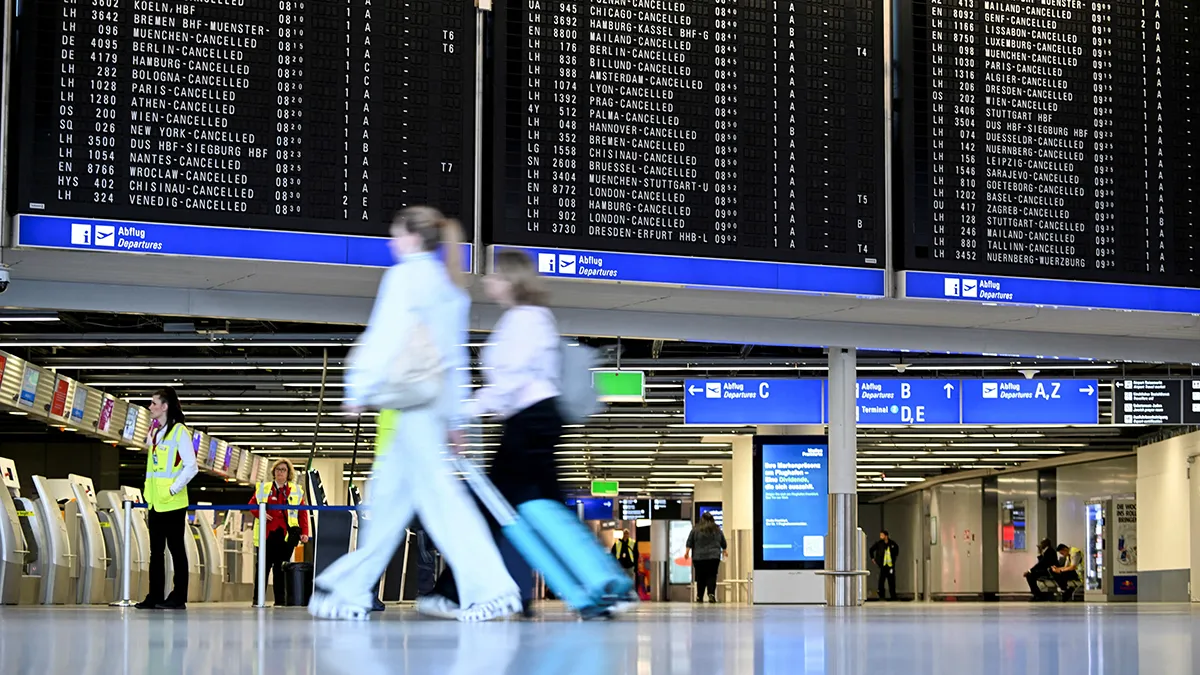
At Munich Airport, 17 flights scheduled for the evening were cancelled, affecting nearly 3,000 passengers. Another 15 flights scheduled to land there were diverted to alternative airports such as Stuttgart, Nuremberg, Vienna and Frankfurt. Airport management provided assistance to stranded passengers, offering them beds, blankets, drinks and snacks while air traffic remained suspended.
The German air traffic control service initially restricted operations at 10:18 p.m. and subsequently suspended flights completely due to the sightings. The area was monitored by regional and federal police officers, and a police helicopter was used to try to locate and neutralise the drones, without any concrete results. Air traffic resumed at approximately 5:50 a.m., normalising activity at Germany's second-largest airport.
Consequences for security and passengers
The disruption at an airport as busy as Munich highlights its vulnerability to unauthorised incursions by drones. For passengers, flight cancellations and diversions cause delays, uncertainty and logistical inconvenience, requiring a rapid and organised response from airport authorities. This incident highlighted the urgent need for effective systems to detect and manage unconventional airborne threats.
Similar incidents in Europe
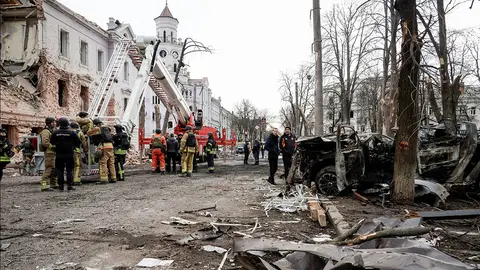
The cases in Munich are not isolated. The region of Schleswig-Holstein, in northern Germany, reported a swarm of drones flying over critical infrastructure, including suspected power plants. In Denmark and Norway, major airports also temporarily suspended operations due to the presence of drones that affected air traffic safety.
Countries such as Poland have recorded numerous drone incursions, attributed to recent geopolitical tensions in Europe. These events are consistent with concerns expressed by European leaders about Russia's activities, with accusations of seeking to destabilise member states through the use of drones in European airspace.

Political and strategic repercussions
At a European Union summit, leaders expressed the urgency of establishing a coordinated defence system against drones invading European airspace. Proposals such as the creation of an ‘anti-drone wall’ reflect the priority of security to protect civil aviation and critical facilities from these unidentified devices.
Security measures and government responses
Faced with this proliferation of incidents, European governments have announced plans to authorise the armed forces to shoot down drones that pose a threat to air safety. Germany is promoting the implementation of specific technologies and skills for the detection and neutralisation of illegal drones.

The French president stressed that drones that violate airspace must be ‘destroyed without exception.’ In Germany, emphasis is placed on the need for an effective defence system to prevent disruptions to air traffic and ensure the protection of the population and strategic infrastructure.
- Early detection: use of radars and specialised monitoring systems.
- Rapid response: authorisation to neutralise unauthorised drones.
- International coordination: exchange of information and common protocols within the European Union.
Continuous surveillance and cooperation between countries are key to addressing the threat posed by these devices, whose misuse affects air safety, the normal operation of airports and the protection of military and civilian facilities.