The Amazigh Struggle for Gender Equality: Women Left Behind
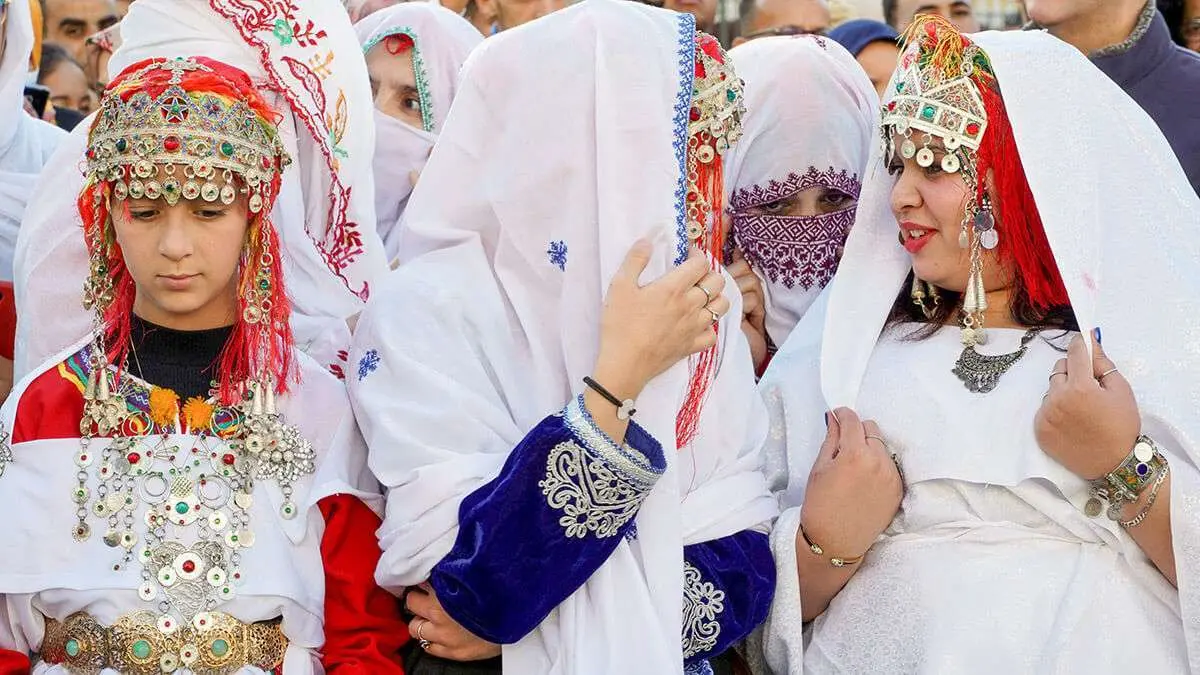
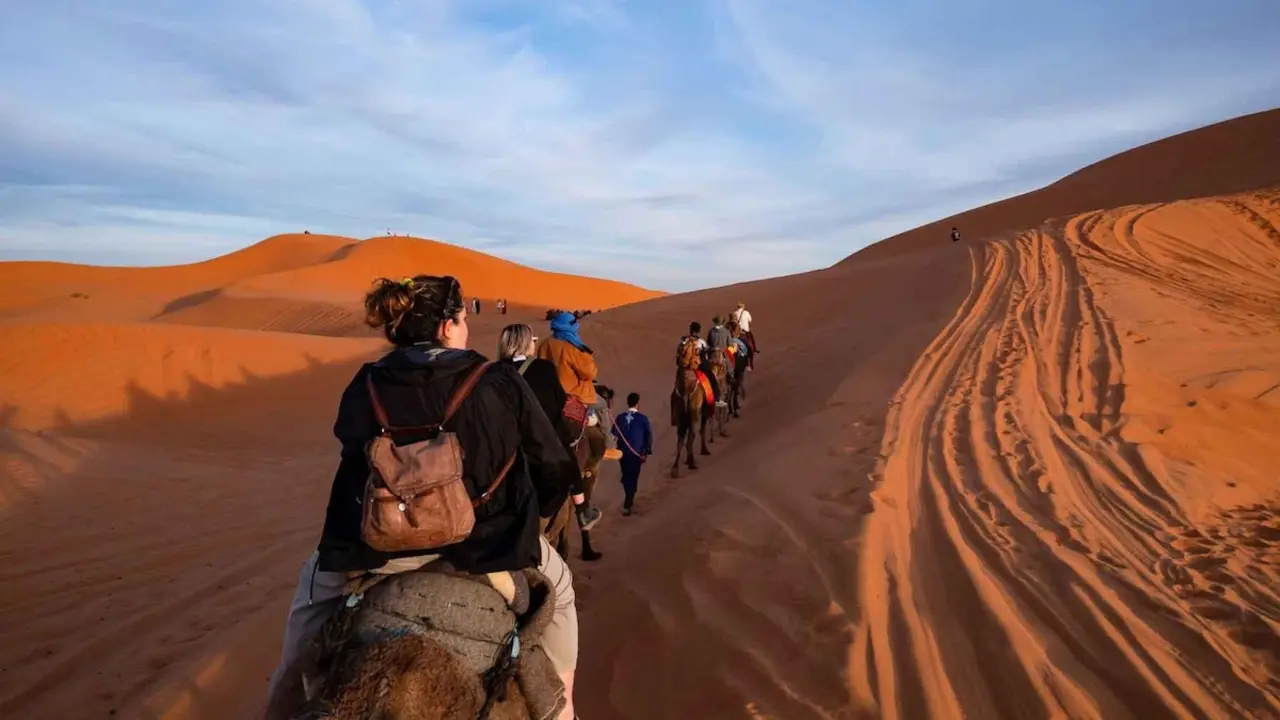
This dynamic forged a deep rift between the national government and tribal groups, as Amazigh people were pushed into underserved villages in crevices of Morocco. Today, Amazighi women have lost significant agency and suffer triple marginalization: as women, indigenous, and rural.
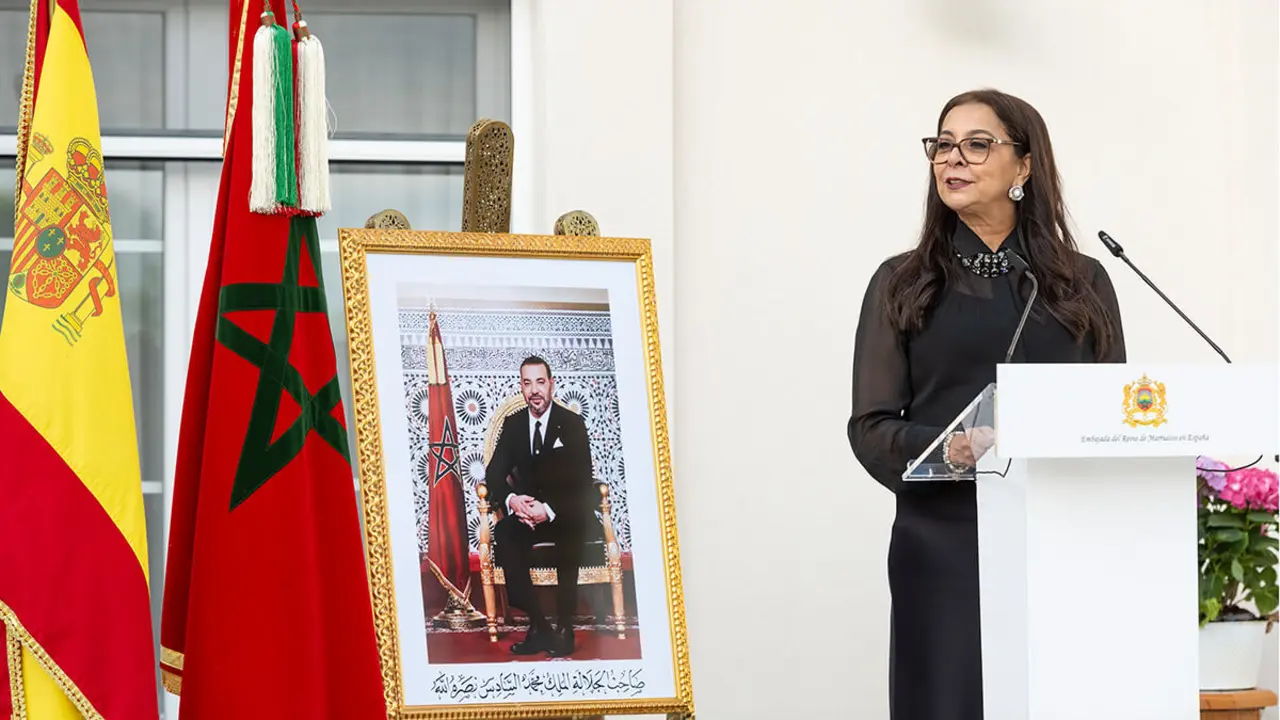
In 1958, the Moroccan family code was written by ten male religious scholars who codified patriarchal standards, legitimizing practices such as polygamy and forced marriage. This national document, known as ‘the Moudawana,’ silenced feminist movements for decades. At the turn of the 21st century, an unprecedented protest catalyzed action from King Mohammad IV, who ordered a commission to revise the Moudawanna.
Landmark provisions included raising the age of legal marriage, restricting polygamy, granting women authority over themselves, criminalizing domestic violence, and more. Many monumental victories for feminist movements in Morocco have been officially stamped on legal papers, but face new roadblocks in embedding themselves within the culture.
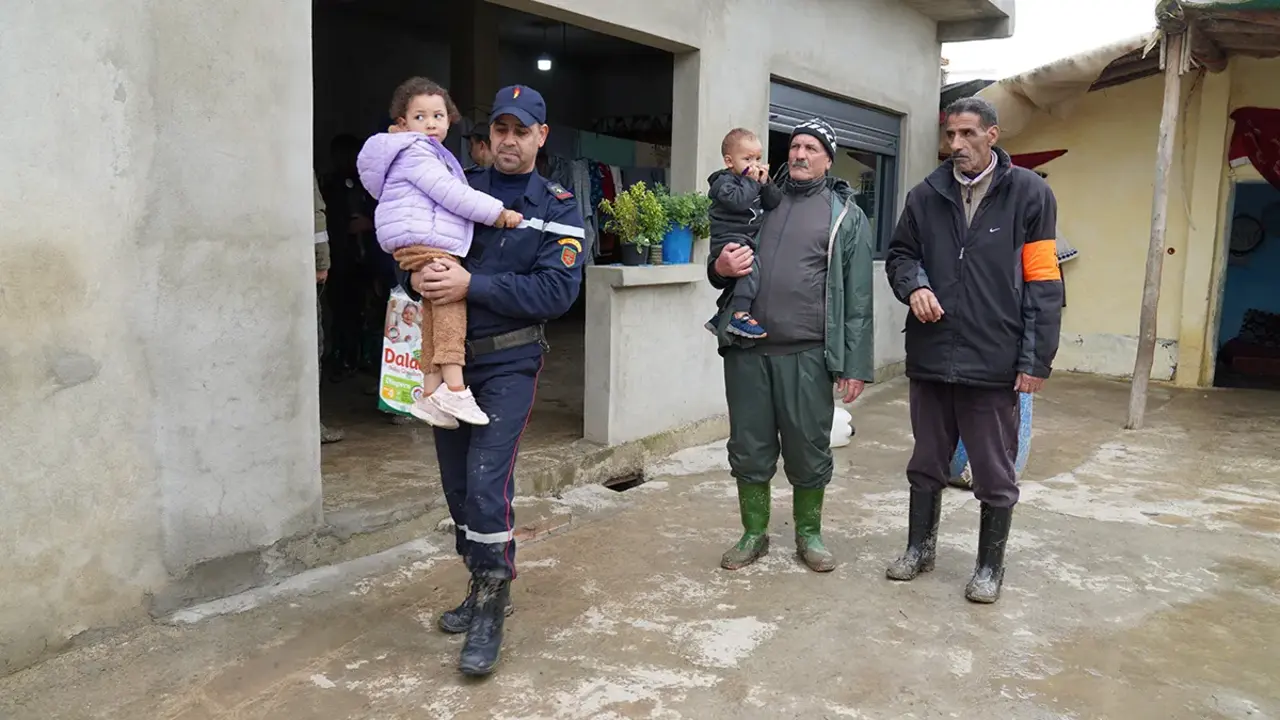
Remote villages in the Atlas Mountains, where Amazighi women live, are isolated from government accountability due to a lack of governing capacity. Development groups that lead educational sessions on national legislation and personal rights are often unable to traverse across dangerous terrain to reach villages, especially in the wake of Morocco’s 2023 earthquake. Furthermore, many Amazighi women are unable to communicate in Arabic. Women are unlikely to be empowered by the Moudawana’s revisions when they are unable to read and interpret its text.
The national government lacks legitimacy in many villages in Morocco; rather, Amazighi people are governed by their own traditional, religious values. Therefore, key issues that the Moudawana was reformed to mitigate remain stagnant and are progressing at a critically slow rate in rural Morocco.
According to young girls in Aghbar, a rural Moroccan municipality in the High Atlas, they wish to change their experience in the village, despite their priority of appeasing their family. While the Moudawana has decreased the frequency of child marriage, the fear of young women and girls' rights being traded between men through betrothals remains, regardless of revisions in the family code.
Rights to education are not specifically cited in the Moudawana, but the code does present pathways for young girls to achieve schooling. Combined with financial barriers, young girls cite their responsibility to domestic duties and marriage as reasons for not attending school at a certain age with their male counterparts, perpetuating women’s dependence on others.
Without education, Moroccan women are more vulnerable to experiencing domestic violence, especially during crises such as COVID-19 and the 2023 earthquake. Despite preventative laws, 30 % of women in Morocco still experience violence from their spouse or in their home. While women have been granted the right to divorce via the Moudawana, it falls against cultural norms to do so. This perceived restriction continues to perpetuate violence, and without mitigation of the Moudawana’s failed implementation, future generations will not be spared from this reality.
There is a new iteration of the Moudawana underway, but based on the previous pitfalls of the 2004 revision, Moroccan leaders have neglected essential foundational steps to ensure proper implementation. NGOs and civil society in Morocco must focus on obtaining grants to launch educational programs for women and men on the family code; development groups must work together with this shared priority.
The High Atlas Foundation (HAF) pioneered the “IMAGINE Workshop,” where women are educated on seven key areas: emotions, relationships, sexuality, body, money, work, and spirituality. Within these workshops, trusted HAF facilitators made up of Amazighi women integrate sections of the family code into workshop conversations and activities. Organizations should repeat this methodology and set communal goals to increase the program's frequency.
Government-funded organizations should also directly focus on educational sessions for men. Because power mechanisms fall under the jurisdiction of men in the village, shifts away from gender discrimination must be their priority as well. This could heavily improve women’s issues that involve their male counterparts, such as marriage, divorce, family planning, and domestic violence.
In bolstering the Moudawana, there must be an existing and reliable education system for girls to understand their rights, build generational knowledge, and disseminate it throughout a village. The Moroccan government must invest more in building capacity for learning centers, with participatory development NGOs leading the groundwork. Sponsorship programs could aid families with the administrative costs for school, where one village’s school costs roughly 300 MAD a month.
Morocco’s steps towards gender equality must not leave out Amazighi women. The potential for development and progress in society will not be met without their empowerment, and in the wake of the 2023 Earthquake, Morocco is at a critical point for development.
Kate Hatley is an undergraduate student at the University of Virginia, completing her summer internship at the High Atlas Foundation in Marrakesh, Morocco.