Tribalism, Islam and social change in Western Sahara
Juan Ignacio Castien Maestro, who holds a bachelor's degree and doctorate in Sociology from the Complutense University of Madrid and is a professor in the Department of Social Psychology at the UCM, highlights in his publication ‘Tribalism, Islam and social change in Western Sahara’ the complex Sahrawi identity, marked by nomadic traditions, Arab and Berber influences, and an ongoing conflict between colonial legacy and political struggles that define the future of Western Sahara.
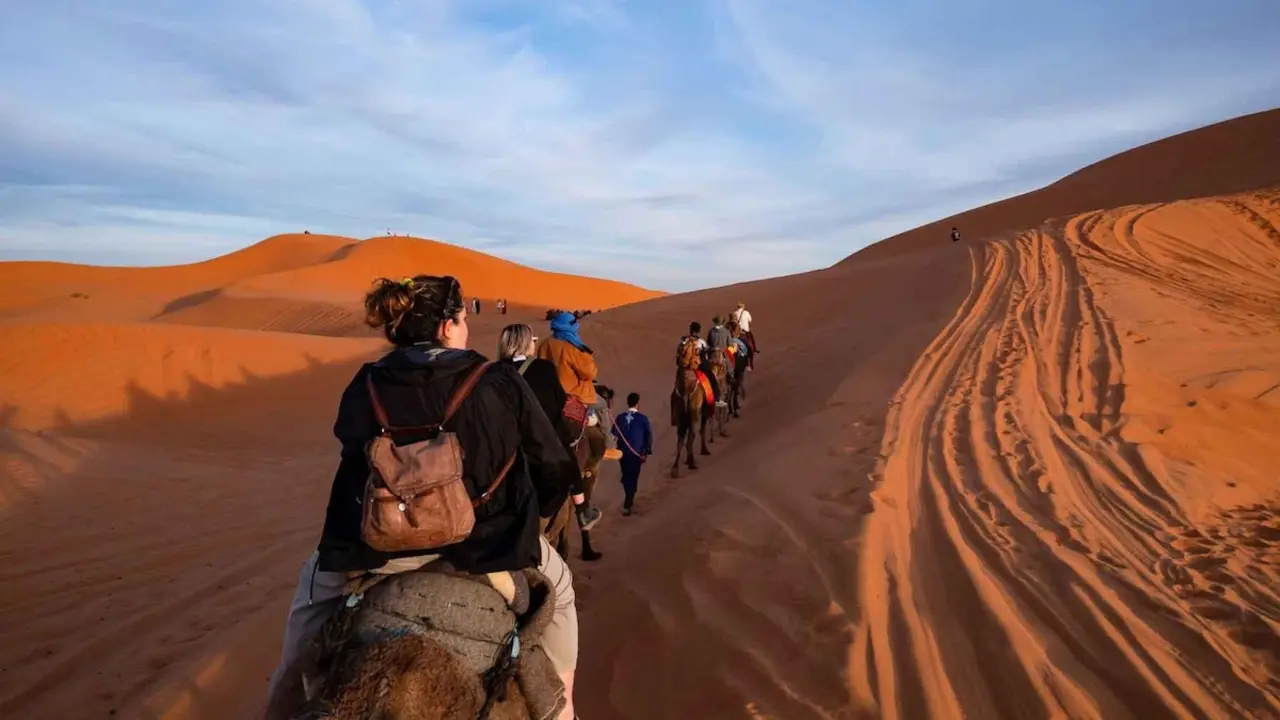
Western Sahara constitutes the north-western slope of the Beydan Country, the land of the Hassaniya-speaking Bedouins. Hence, its population is closely related to that of Mauritania. On the contrary, its ties with Morocco are much more problematic.
Pre-colonial Sahrawi society was organised through a complex tribal system. As in many other parts of the Islamic world, Sufi brotherhoods played an important role and served as the basis for Ma El Ainin's interesting attempt to build a theocratic state. Spanish colonialism introduced a series of decisive changes in the country, which largely dismantled traditional Sahrawi society. The Moroccan occupation and the subsequent war have had very diverse effects. While part of the Sahrawi population has opted for integration into Morocco, another part has adhered to the nationalism of the Polisario Front.
Currently, the growing weakness of the latter raises various questions, such as the possible emergence of Islamist radicalism as a replacement ideology.
You can read the full study here.