A record-breaking Morocco
Morocco has completed the 2026 World Cup qualifying phase with a flawless record.
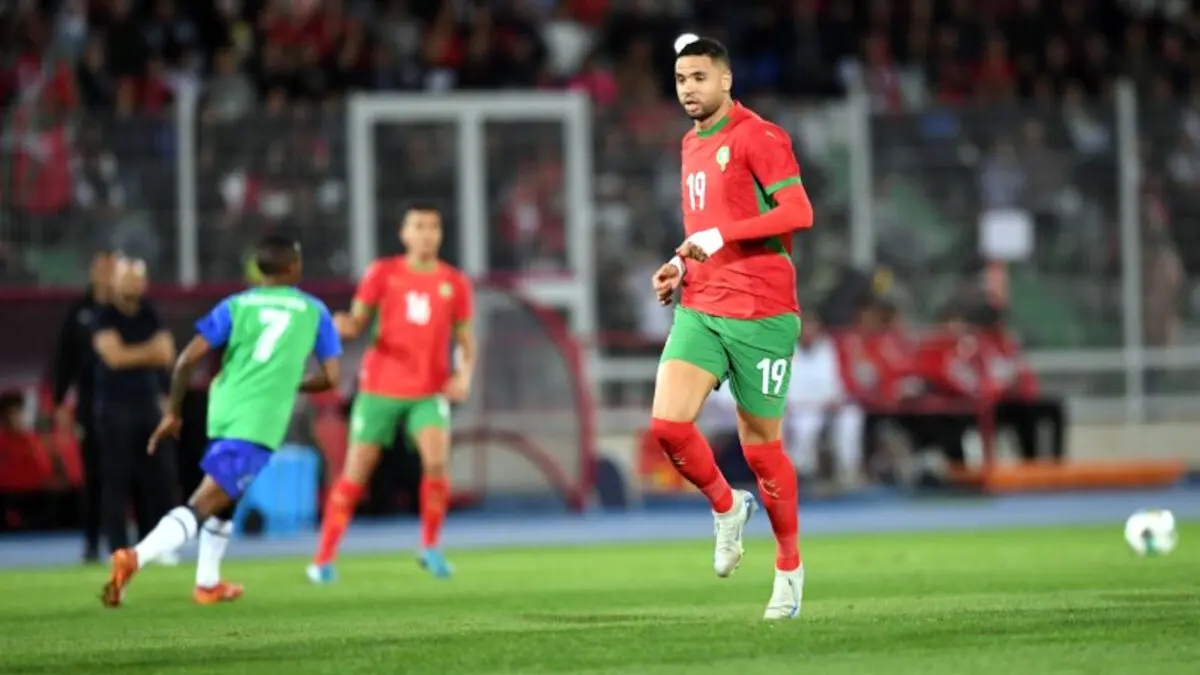
The team led by Walid Regragui has achieved 16 consecutive victories with its latest winning streak, setting a true sporting milestone for the North African team. The sixteenth consecutive victory came after the latest 1-0 win over Congo thanks to a goal from Youssef En-Nesyri in the match that closed the qualifying phase for the 2026 World Cup, to be held in the United States, Mexico and Canada.
الأسود يواصلون كتابة التاريخ بكل فخر واعتزاز بـ16 انتصارًا متتاليًا ويحطمون الرقم القياسي العالمي! 🇲🇦💪
— Équipe du Maroc (@EnMaroc) October 14, 2025
𝐑𝐨𝐚𝐫𝐢𝐧𝐠 𝐢𝐧𝐭𝐨 𝐇𝐈𝐒𝐓𝐎𝐑𝐘 ✅ 16 𝐂𝐎𝐍𝐒𝐄𝐂𝐔𝐓𝐈𝐕𝐄 𝐖𝐈𝐍𝐒 recorded in 𝐆𝐮𝐢𝐧𝐧𝐞𝐬𝐬 𝐖𝐨𝐫𝐥𝐝 𝐑𝐞𝐜𝐨𝐫𝐝𝐬! 🦁✨#DimaMaghrib pic.twitter.com/MR35hNU0iT
Spain held the record for consecutive victories, but Morocco has surpassed this milestone with 16 consecutive wins, following their victory at the Moulay Abdellah Stadium in Rabat thanks to a goal scored by En-Nesyri in the 63rd minute, after a fine move involving full-back Achraf Hakimi.
Morocco secured the lead in its qualifying group in the African section for the 2026 World Cup with 24 points, ahead of Niger, Tanzania and Zambia, while Congo finished last with one point.
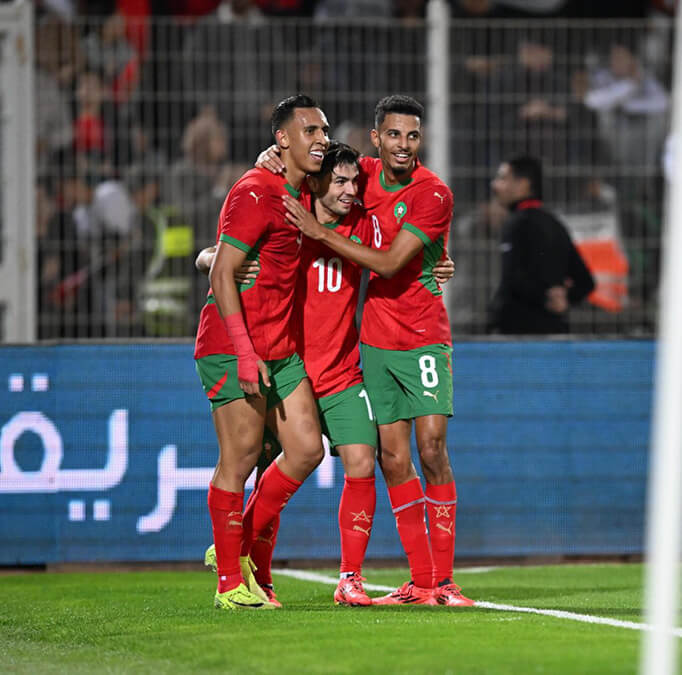
The Moroccan national team became the first in history to achieve 16 consecutive victories at international level, breaking the previous record held by Spain and Germany, which means that the Atlas Lions are breaking records and are in very good shape to compete against any national team in the world.
Morocco thus surpassed the previous record of 15 consecutive victories set by Spain between June 2008 and June 2009 and Germany between 2010 and 2011, which had themselves surpassed France's previous record of 14 victories between March 2003 and February 2004.
أسود الأطلس لا يتوقفون 👊🏻 16 فوزًا متتاليا
— Équipe du Maroc (@EnMaroc) October 14, 2025
Celebrating 1️⃣6️⃣ consecutive wins 🇲🇦🤩#DimaMaghrib pic.twitter.com/GAZKnJAbXh
The numbers are dazzling: the Atlas Lions have scored 50 goals in those 16 games of their winning streak, averaging more than three goals per game, while conceding only four goals in those matches. These numbers demonstrate the quality of the Moroccan attack and the strength of the team led by Walid Regragui.
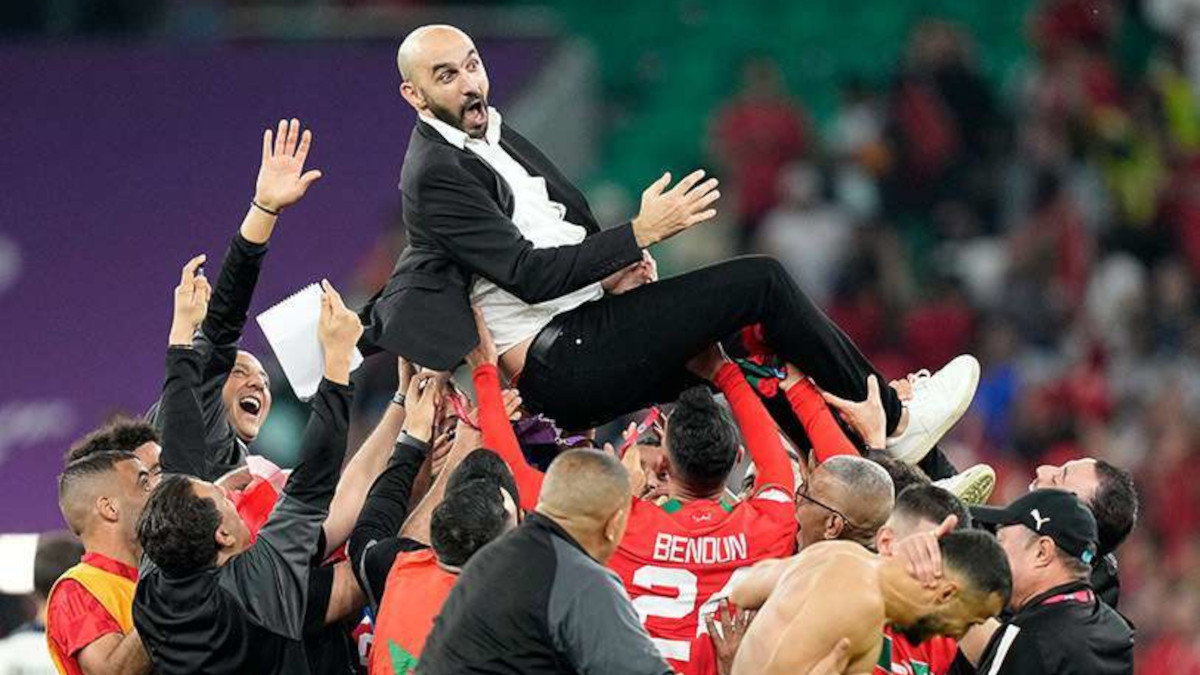
These two players are precisely the leading exponents of an impressive Moroccan team that is aiming for everything in the upcoming World Cup after achieving the sporting milestone of reaching the semi-finals in the last World Cup in Qatar, where they only fell to the all-powerful France.
In Qatar, Morocco became the first African and Arab team to reach the semi-finals of a World Cup, demonstrating the magnitude of their sporting achievement.
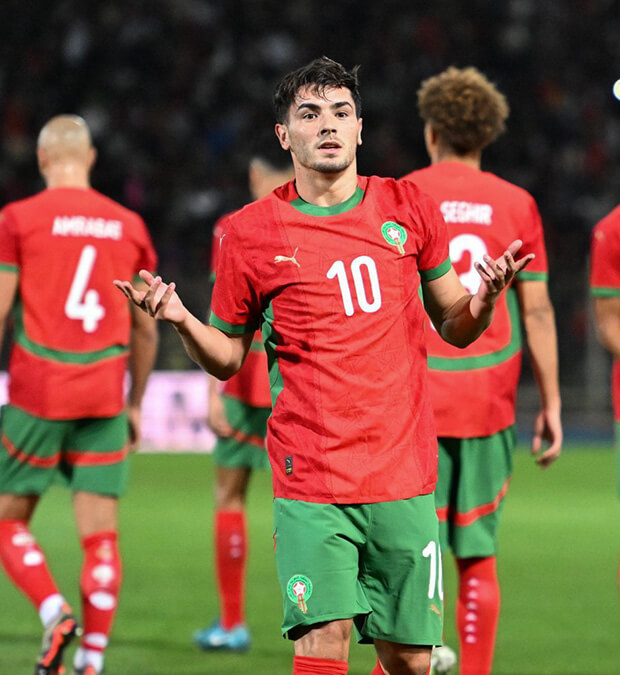
The generation of players that Morocco has now brought together under the leadership of coach Walid Regragui is very remarkable, with names such as Youssef En-Nesyri and Achraf Hakimi, Azzedine Ounahi, Sofyan Amrabat, Nayef Aguerd, Yassine Bounou, among others, and a shining star such as Brahim Díaz, the Real Madrid striker.
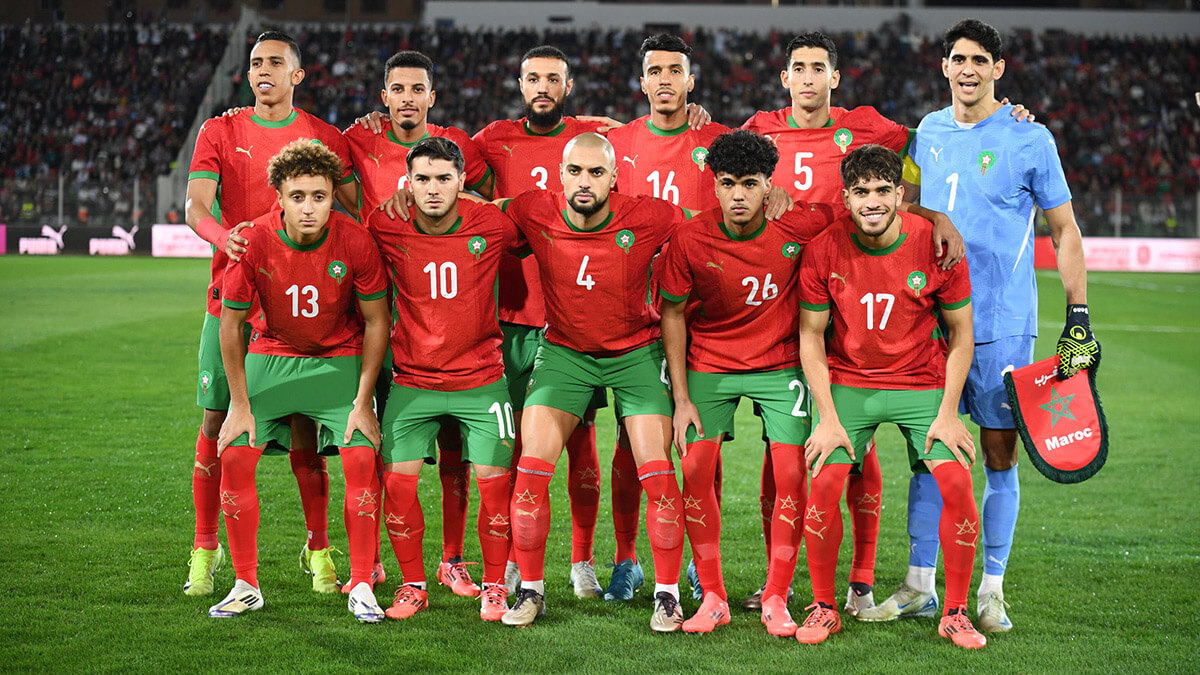
Precisely after the World Cup in Qatar, the possibility arose of incorporating the Spanish-Moroccan player into the Moroccan ranks after there had been doubts about whether he would play for Spain or Morocco. The final decision went in favour of Morocco and has meant a fundamental contribution of quality because Brahim is an exceptional footballer who has won important international titles with a club as important as Real Madrid.
The work done at all levels with football in Morocco is quite remarkable. For years, a lot of work has been done with grassroots football, with very important infrastructure such as the Mohammed VI Football Academy, based in Rabat-Salé. This centre combines academic education with sports training for young people aged 12 to 18. The complex includes football pitches, hotels and even a sports clinic, and is a non-profit initiative that receives financial support from King Mohammed VI, a very important figure in the development of the North African country at all levels, including sport. Footballers such as Ounahi and En-Nesyri have come out of this academy, which is testament to the good work that has been done.
The great results of recent times mean that Morocco continues to rank highly in the world rankings of the International Federation of Association Football (FIFA), where it recently reached 11th place worldwide, while continuing to be a leading force in African and Arab football.