
Morocco's PLF-2026 and GenZ-212


GenZ-212, which emerged on social media, expresses a profound rejection of entrenched corruption in the public administration, demanding social justice as a national priority. This social demand has been reflected in the guidelines of the PLF 2026, under the guidance of His Majesty King Mohammed VI.
The PLF or General State Budget for 2026 is structured around five key areas: consolidating economic progress, promoting territorial development programmes, strengthening the pillars of the welfare state, preserving financial balance and reforming the Organic Law on Finance.
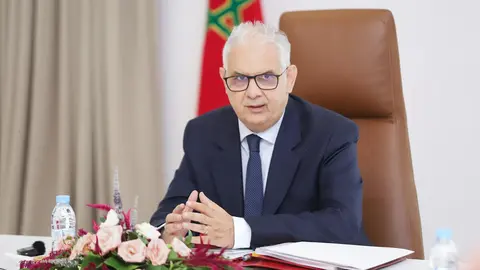
The social nature of these budgets is evident in a historic allocation of 140 billion dirhams (MMD), equivalent to 10% of GDP, mainly directed towards health and education, representing an increase of 19% over the previous year.
This budget increase reflects the importance that His Majesty the King attaches to health and education, thus responding to the most pressing concerns of Moroccans.

In the area of health, the modernisation of primary care centres, expanded access and improved quality of services are planned, along with the recruitment of 27,000 new professionals.
In the case of education, the plan is to strengthen basic education, encourage inclusion, provide scholarships for vulnerable families and implement measures to reduce school dropout rates.
The social measures announced are clear and concise; both sectors will have a total of 27,000 new staff members to reinforce their workforces, thus improving their capacity to meet growing needs.
Moreover, while the PLF stands out for its social nature and its focus on increasing fiscal equity, reducing fraud and ensuring effective tax collection, contributing to the financial sustainability of the State and social justice, even more important is the reform of the Organic Law on Finance that it proposes, as it suggests measures to strengthen the governance of public policies by orienting budgets towards accountability and transparency.
In other words, the impact of the PLF-2026 does not depend so much on the magnitude of the resources allocated as on their public management and the commitment of those responsible for supervising and evaluating the efficient and transparent use of those resources, thus ensuring their fair allocation.

In other words, the reform of the Organic Law on Finance introduces innovative ex post evaluation and control systems, with multidimensional indicators to measure coverage, quality, efficiency, equity and impact. This approach, aimed at achieving tangible results and ensuring transparency, should combat corruption and strengthen public confidence.
Robust oversight based on transparency and accountability to Parliament and society will seek excellence in the performance of public functions and results. The implementation of measures to detect gaps, monitor progress and guide the formulation of public policies will be key to achieving social welfare.
In fact, the historic amount allocated to social spending will only be effective if it translates into real improvements for the population, thus responding to the GenZ-212 movement's criticism of the structural corruption affecting the country.
Systematic oversight is essential to ensure the effectiveness of public policies and strengthen the democratic and social state in the Kingdom of Morocco, enabling national development that promotes social justice, reduces territorial inequalities and consolidates a model of sustained, inclusive and transparent growth.