
From Baghdad to Silicon Valley: Who stole Al-Khwarizmi's spirit?

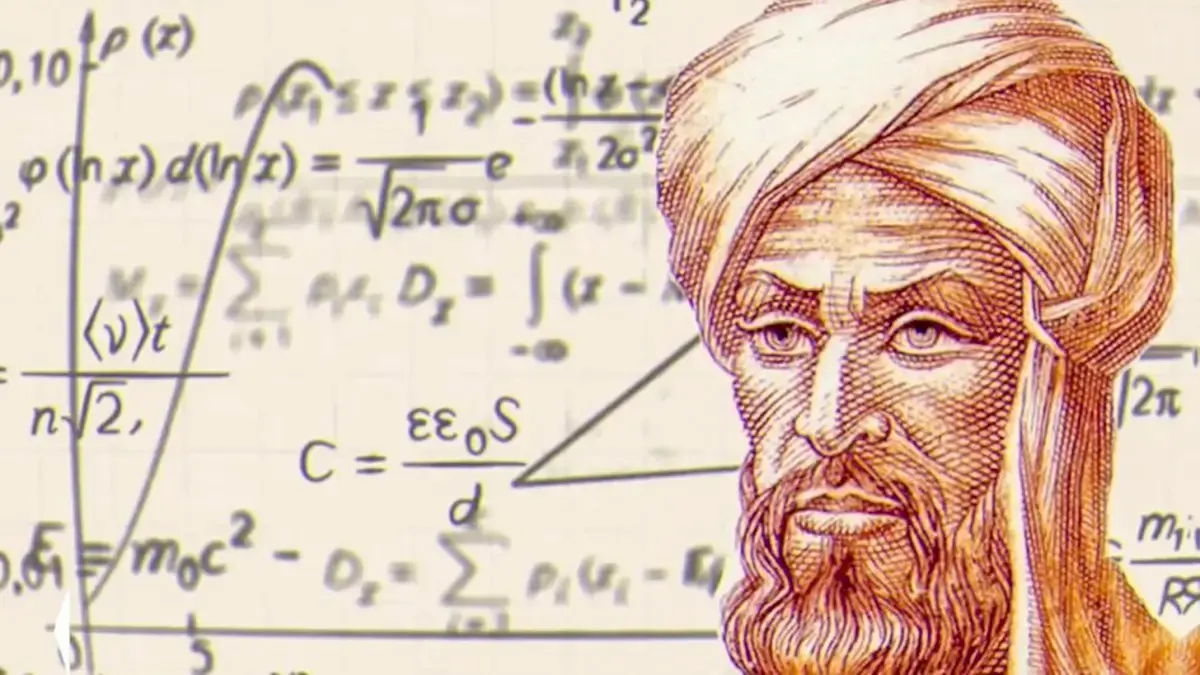
From the depths of time emerges a face that many have forgotten, but which continues to inhabit the most intimate fabric of algorithms: Muhammad ibn Musa al-Khwarizmi, the man who wrote the first equation of logic before it became the language of machines. He was not a simple engineer; he was a visionary of reason, the first to understand that mathematics is not numbers but a way of contemplating the universe. For him, order was not a restriction but a path to freedom, and thought, when inserted into a rigorous structure, becomes more capable of embracing chaos.
But the irony of history is cruel: when the West discovered his legacy, it adopted his formulas but not his spirit. It replaced the essence of Al-Khwarizmi with a machine without conscience and turned algebra into an instrument of power over human beings, rather than a tool for their emancipation.
Today, in an age governed by algorithms that decide what we read, see and desire, Al-Juarismi's question remains relevant: Who governs whom? Humans the tool, or the tool humans? Consciousness has become a prisoner of codes conceived by engineers without philosophy and programmers without memory, while data rises as new deities in the temples of large technology corporations.
Al-Juarismi did not want to transform the human spirit into a replicable code. He aspired to give thought an architecture, not to turn intelligence into a commodity. In Baghdad, the equation was a path to understanding the divine order; in Silicon Valley, it has become a mechanism of control within the market order.
It was not created to build machines that think, but to remind us that thinking is a profoundly human act, and that calculation is not the negation of the spirit, but one of its clearest expressions. However, in this age of digital simplification, the world is beginning to be seen as algorithms see it: reduced to a binary of one and zero, usefulness or uselessness, gain or loss.
Human beings have ceased to be creators of logical thought and have become justifiers of their own machines. What then remains of the Baghdad that was once a centre of ingenuity and not simply a consumer of other people's innovations?
Perhaps the spirit of Al-Khwarizmi was lost when minds closed and markets opened, when intellectuals began to pursue trends rather than truth, and when genius was measured in followers rather than questions. We lost the capacity for scientific dreams because we lost the philosophy of science, and because we forgot that no innovation has value if it does not free human beings from their fear and ignorance.
Al-Khwarizmi did not speak the language of algorithms as we understand it today, but the language of intellectual dignity. He taught that zero is not emptiness, but possibility; that every system, however complex, is born from nothing when driven by will. This is what is missing today: the will for knowledge in conscience, not as a tool of subjugation.
Amidst this technological decline cloaked in glamour, a paradox is revealed: the man who started the revolution of reason in Baghdad has been erased from the contemporary digital revolution. While cities of the future are being built in Silicon Valley, our cities remain anchored in an eternal search for comfort in the past rather than projecting themselves into the future.
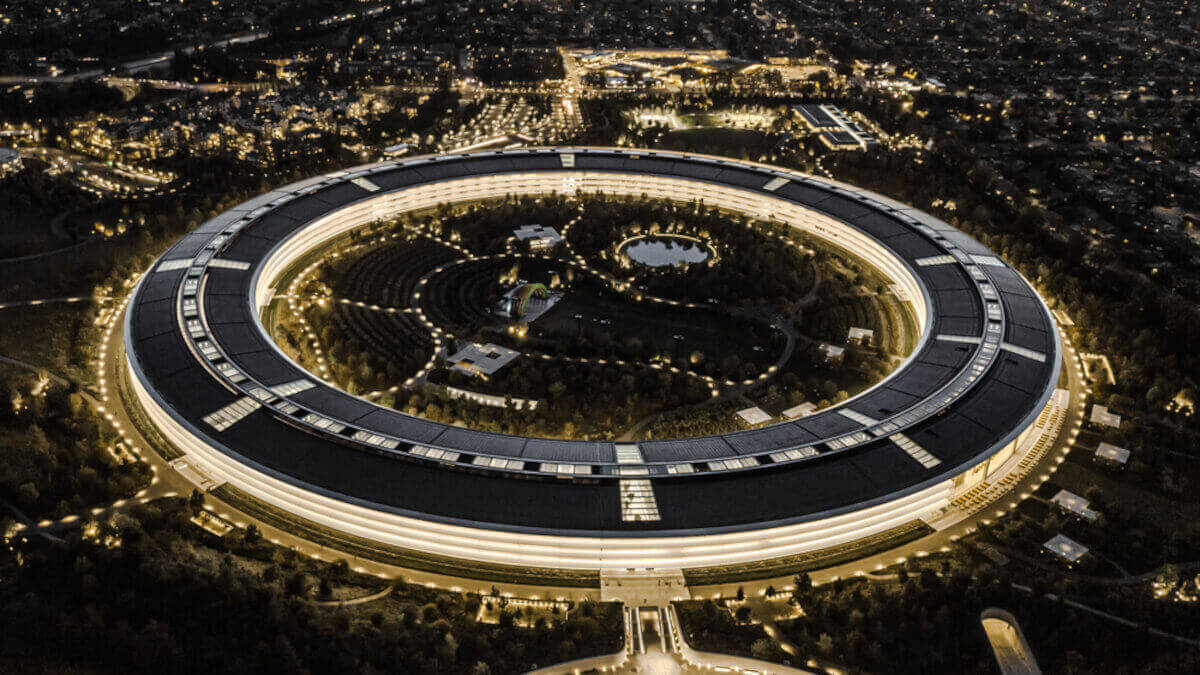
Is there anything left of Al-Khwarizmi in us? Can Arabs recover the idea that technology does not replace human beings, but rather prolongs their humanity?
The answer lies not in laboratories, but in a renewed consciousness that restores science's ethical meaning and reminds reason of its limits in the face of the spirit. Because artificial intelligence, however powerful it may be, cannot write a conscience.
And Al-Khwarizmi, if he were alive today, would whisper to us with the serenity of the ancients:
‘Beware of programming yourselves as you program your machines.’
The battle is not between humans and technology, but between humans and their own humanity. And those who do not possess the spirit of Al-Khwarizmi will remain slaves to a machine designed to serve them, not to rule them.
Abdelhay Korret, Moroccan journalist and writer