
Spain at a turning point: the decline of socialism and the rise of the far right

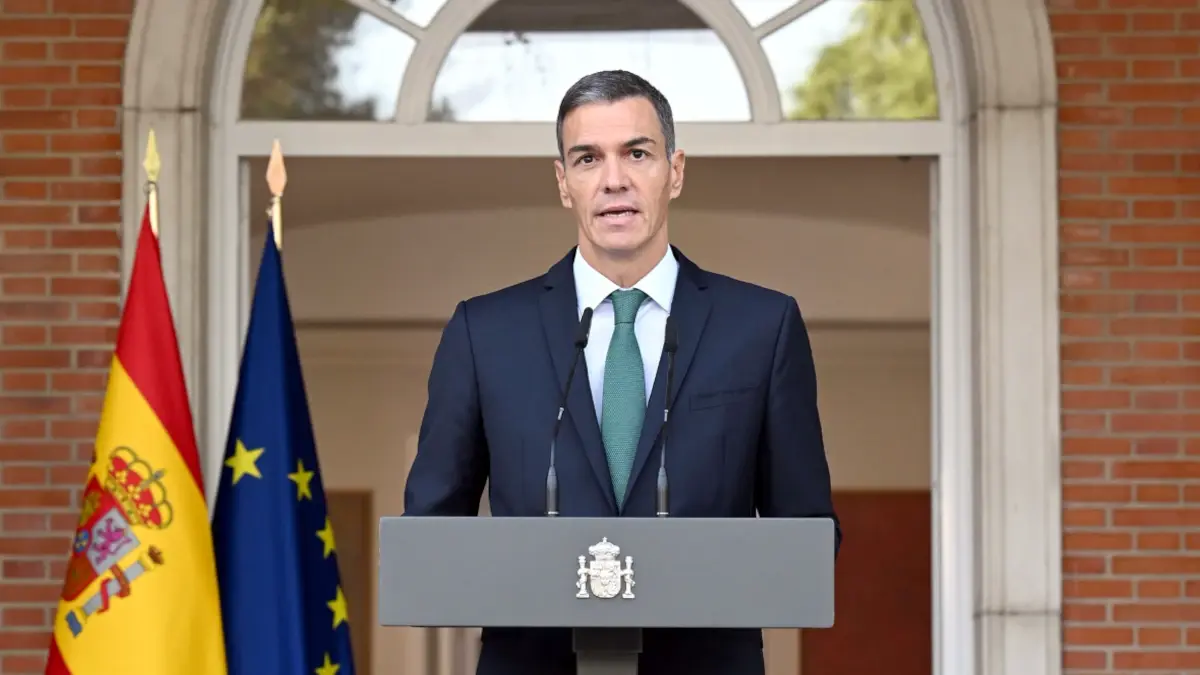
This is precisely what was revealed by the early regional elections held in Extremadura on 21 December, where the Spanish Socialist Workers' Party suffered more than just a temporary setback: it lost nearly 15% of its electoral support compared to May 2023, a decline that can hardly be interpreted outside the context of a process of structural erosion affecting both the party and the political narrative that has sustained the government since June 2018.
The narrative of ‘progressive stability’ no longer manages to contain social unrest or conceal the accumulation of economic, institutional and representational tensions that are sweeping the country. The defeat in Extremadura not only weakened the PSOE, but also placed Pedro Sánchez in a position of growing isolation within the political system itself, surrounded by allies who have ceased to protect him and adversaries who perceive a historic opportunity.
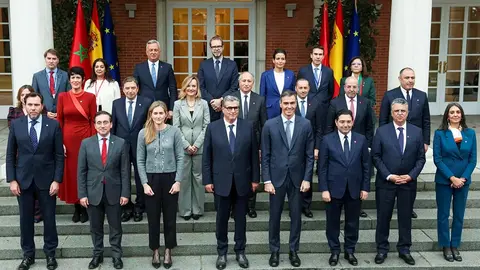
The first to demand a change of course were his partners on the left, Sumar and Podemos, who quickly moved from tactical loyalty to open criticism, calling on the Prime Minister to recognise the magnitude of the crisis and propose real political solutions, after rhetorical adjustments. For these actors, the PSOE's situation is no longer a temporary electoral difficulty, but rather a reflection of the exhaustion of the Spanish social democratic project, which is incapable of renewing its language without losing coherence and credibility. This fragility is exacerbated by the corruption scandals affecting two figures close to Sánchez, former MPs Santos Cerdán and José Luis Ábalos, whose indictments have reignited an uncomfortable debate on public ethics and eroded the moral capital of a party that has historically made institutional regeneration one of its flagship policies.

Adding to this internal pressure is that of the Catalan nationalist partners of Junts, the political heirs of Convergència i Unió, who interpreted the Extremadura result as confirmation of the executive's structural weakness. From their perspective, the socialist setback is evidence of ‘leadership exhaustion’ and opens the door to a downward renegotiation of their parliamentary support.
The relationship between Junts and the PSOE is now on the verge of breaking down, and the eventual decision of its seven MPs to back a motion of no confidence or abstain in a key vote would be enough to deprive the government of its fragile majority in Congress, pushing Spain towards a scenario of prolonged instability.

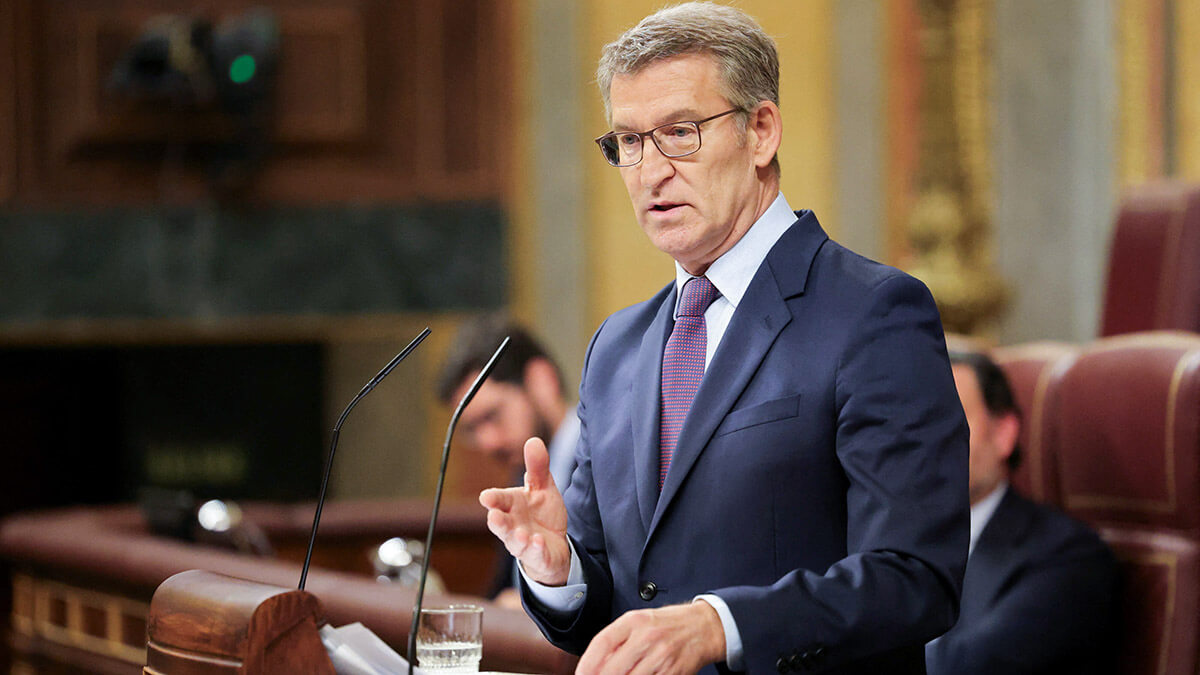
At the same time, the Partido Popular has intensified its political offensive. Its leader, Alberto Núñez Feijóo, has made the call for early general elections a recurring slogan, presenting Extremadura as the prelude to a change of cycle. However, the real beneficiary of the 21 December election day was neither the PSOE nor the PP, but Vox. With 17% of the vote and eleven seats in the regional parliament, the far-right party now stands as the arbiter of power in the community, forcing the Partido Popular to accommodate its demands and agenda. This scenario, far from being exceptional, could be replicated at the national level if general elections are brought forward, consolidating a pattern already observable in other European democracies.
Vox's rise cannot be understood solely as an electoral phenomenon, but rather as the political expression of a representation vacuum that neither the traditional left nor the right has been able to fill. Its possible consolidation in the upcoming regional elections scheduled for 2026 in Aragon, Castile and Leon, and Andalusia could normalise a discourse based on identity confrontation and national withdrawal, with consequences that transcend the domestic sphere.
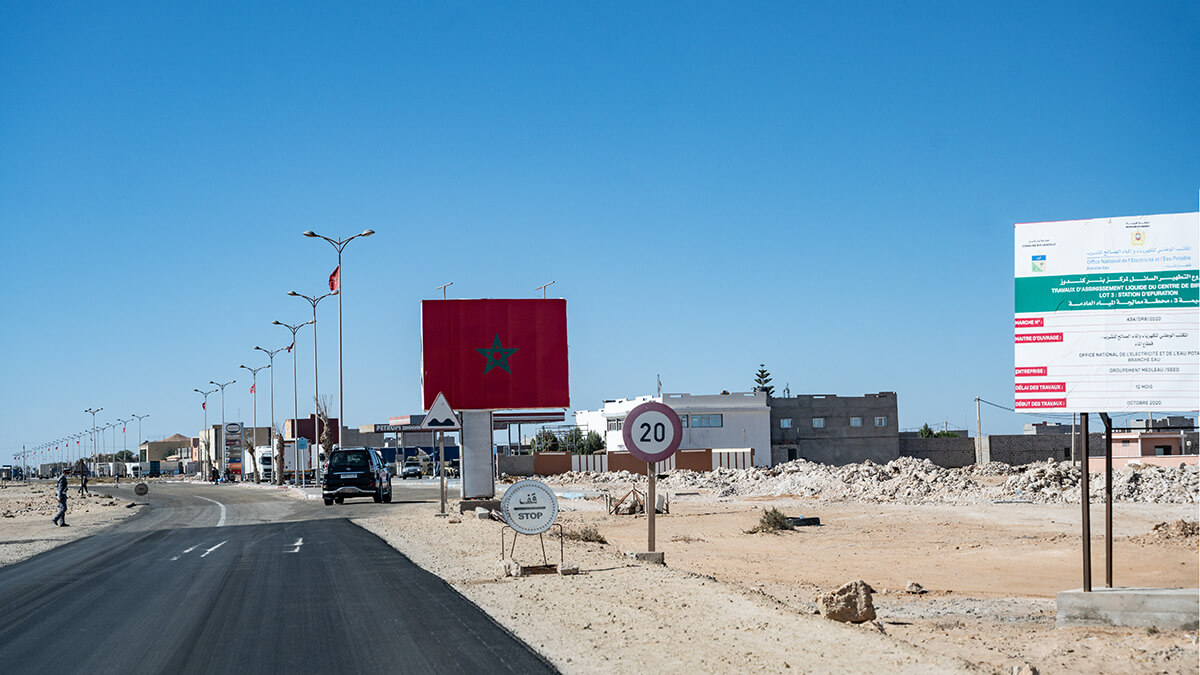
For Morocco, this shift would have direct implications for several sensitive issues: the Sahara question, the management of migration flows, agricultural exports, claims on Ceuta and Melilla and the Mediterranean islets, as well as maritime disputes off the Canary Islands and the evolution of relations between Rabat and the European Parliament. Vox has demonstrated its ability to exploit these issues as tools for political mobilisation, replacing diplomatic logic with a rhetoric of permanent tension.
The Moroccan community residing in Spain could also be affected by this shift in the political axis. The risk lies not only in regulatory changes, but also in the social legitimisation of exclusionary discourses that can translate into discriminatory practices.
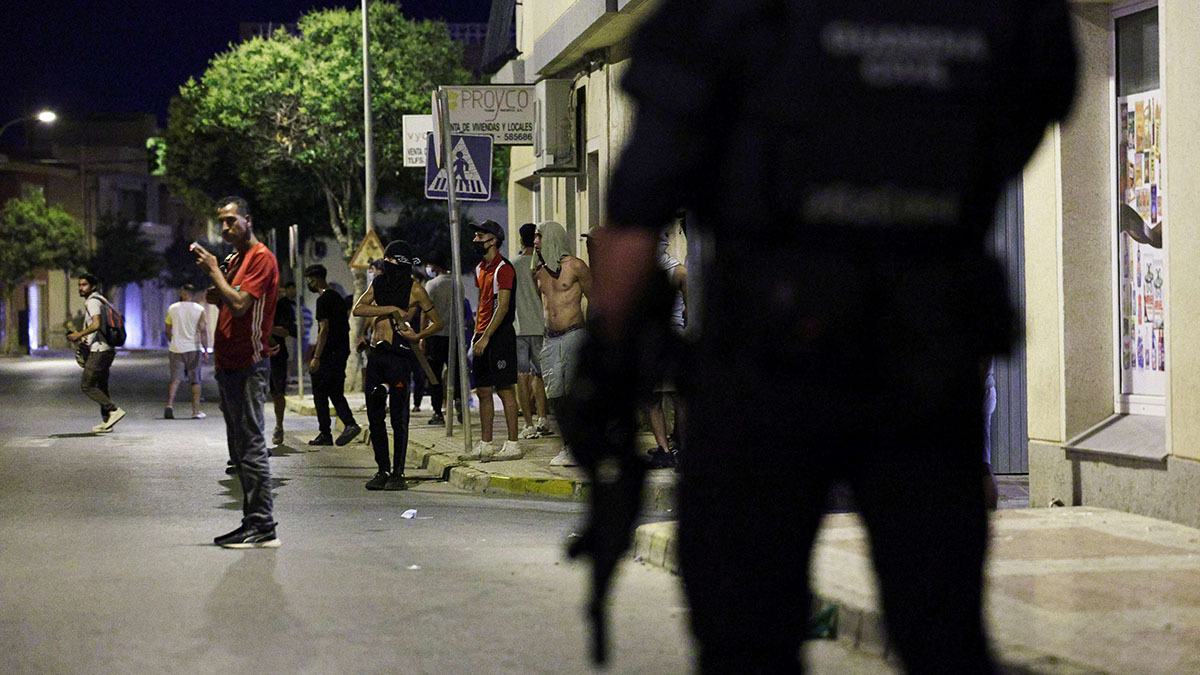
The episodes of racist violence recorded last July in the region of Murcia are a warning sign of what happens when hate speech becomes part of public debate and ceases to be marginal.
Extremadura, in this sense, is less a territory than a symptom. Its election result reflects a phase of transition in the Spanish political system, marked by the weakening of socialism without its collapse, the advance of conservatism without clear hegemony, and the progressive normalisation of the far right as a central actor. In this context, the question is no longer simply whether Pedro Sánchez will be able to remain in La Moncloa, but what kind of Spain will emerge from this process and what internal and external costs will be involved in transforming social discontent into a political project.