
From march to sovereignty

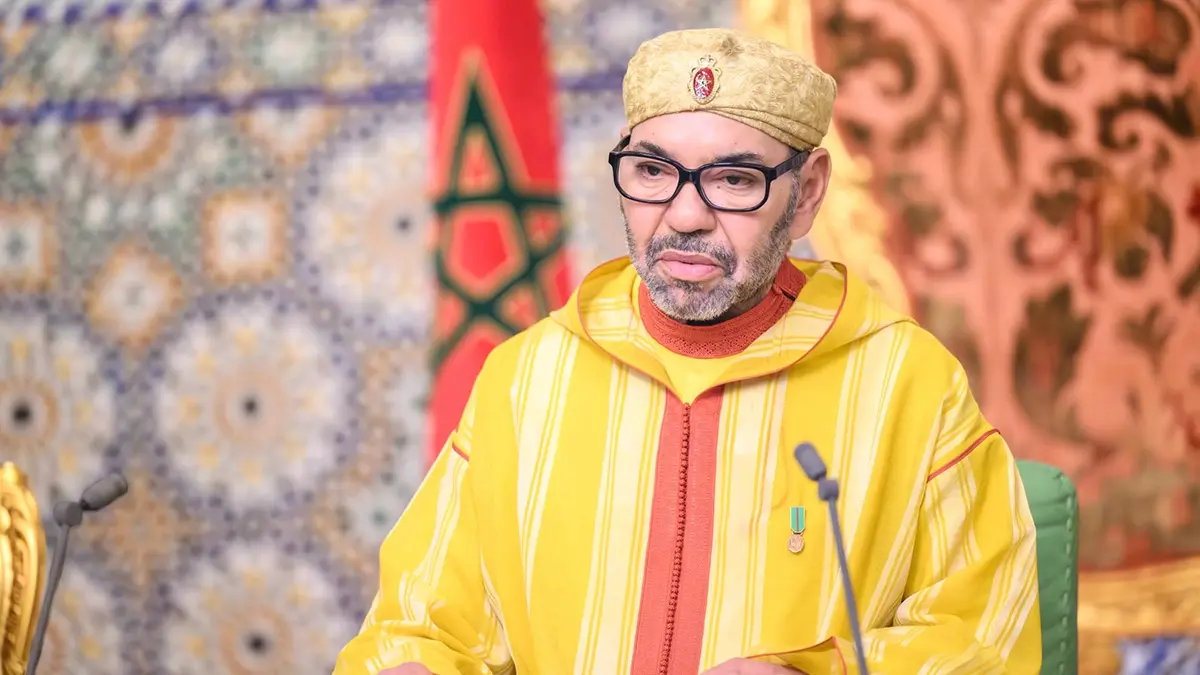
There are moments in history that do not need fanfare to announce their transformation; it is enough to say the right words at the right time. This is what His Majesty King Mohammed VI did in his latest speech, when he said with confidence: “There is before October 31, 2025, and there is after.” One sentence summed up the end of half a century of accumulation and waiting, and the beginning of a new phase in the course of the Moroccan Sahara issue.
The speech was calm in tone, but profound in its message. It was not a declaration of victory, but a declaration of transformation. Morocco, as the king's words suggested, has moved beyond defending its rights to asserting them, after the international community has effectively recognized that the autonomy initiative is the only realistic solution to the conflict. The king noted that two-thirds of UN member states support this position and that major powers—from Washington to Paris, London, Moscow, and Madrid—recognize Morocco's economic sovereignty over its southern provinces and encourage investment there. It was the language of confidence, not advocacy.
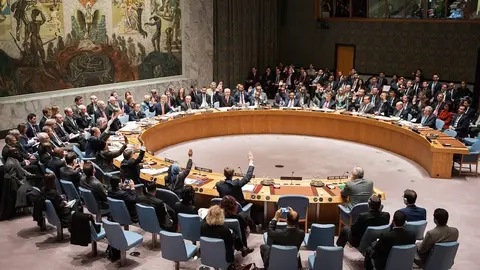
Despite this diplomatic momentum, the speech maintained its human and political balance.
The king did not present the picture from the perspective of victory, but called for a solution in which “there are no winners or losers” and made a sincere appeal to Moroccans in the Tindouf camps to return and participate in building their homeland within the framework of autonomy. It was a call for reconciliation, not confrontation, and a message that every Moroccan, wherever they may be, has an equal place in their homeland.
Also noteworthy was the king's clear invitation to Algerian President Abdelmadjid Tebboune for sincere fraternal dialogue, at a time when Morocco could have simply remained silent in victory. But it was a clever signal that stability in the region can only be achieved through cooperation and integration, and that the future of the Greater Maghreb can only be built on mutual trust.
The speech also carried deep symbolism when it linked the Green March to independence, saying that the new conquest is not military but political and developmental, a conquest that establishes a unified Morocco from Tangier to Laâyoune, reconciled with itself and open to its surroundings.
The king spoke in the language of the future, not the past. In the language of construction, not conflict. In this sense, it can be said that the October 31 speech was not the end of an issue, but the beginning of a new national project, in which Morocco is moving forward with confidence and development is expanding to cover the entire national territory. It was a confident, calm speech, but one that changed the whole landscape without raising its voice.