
The Polisario's perverse discipline with its dead
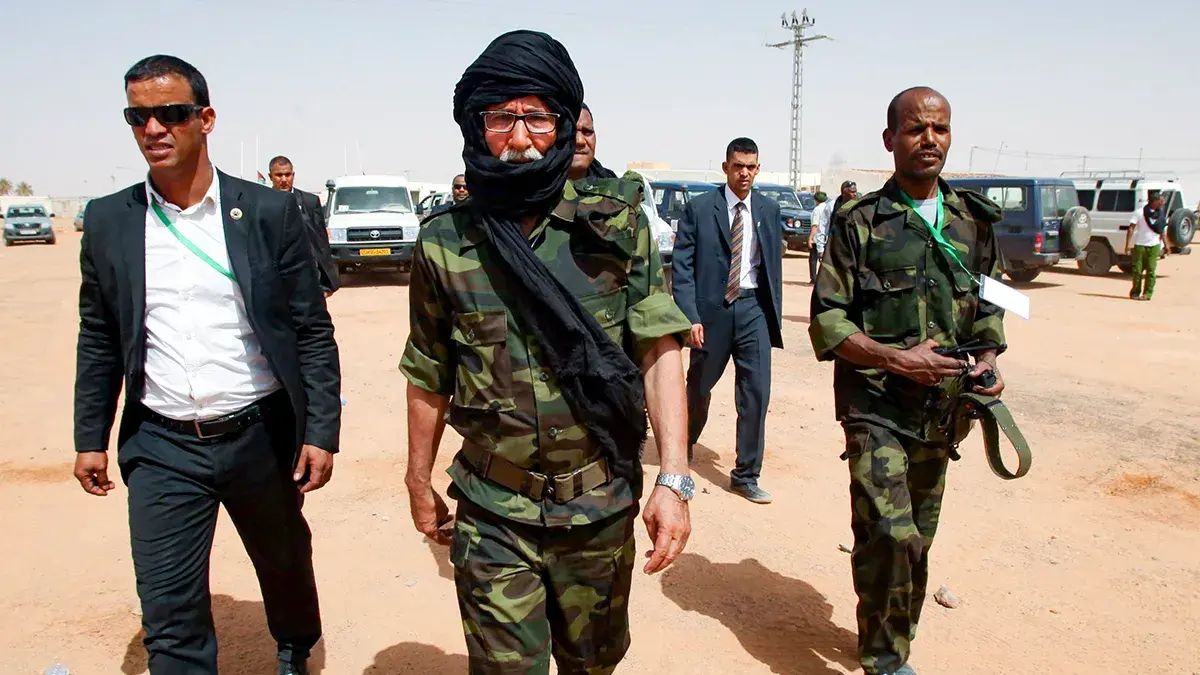
Once again, the Polisario Front provides us with an exemplary lesson in what it means to proclaim itself the ‘sole and legitimate representative of all Sahrawis’. Of course, this is a selective representation, valid only for obedient Sahrawis. Those who think for themselves are automatically excluded from the herd.
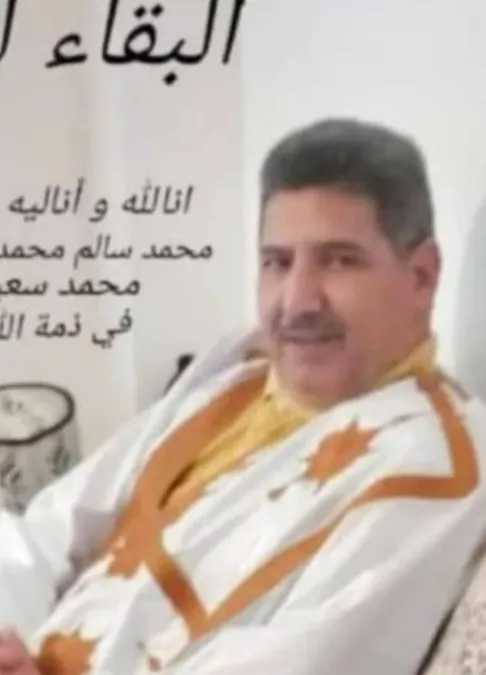
The latest jewel in its crown of moral absurdities is the refusal to finance the transfer from Spain of the body of a former combatant and war wounded, Slama Mohamed Saïd, so that he could be buried in the ‘land’ for which he supposedly fought. The reason given could not be more immoral: the deceased's brothers committed the unforgivable sin of joining the Sahrawi Movement for Peace. In other words, they opted for the heresy of seeking a peaceful solution, deviating from the official dogma.
The approach is textbook: cry to the UN for the right to self-determination, while prohibiting ideological self-determination in the camps themselves. For the leadership of the old movement, dissent is not a debate: it is treason; critical thinking is not a right: it is disloyalty. The Polisario functions as a sect that distributes purity cards, divides families and classifies Sahrawis as saints or apostates. All in the name of maintaining a monopoly on the truth.
The case of diplomat Ahmed Bujari is another example of this political alchemy. During his lifetime, he was considered by the international press to be the soul of Sahrawi diplomacy; when he died in 2018, he was elevated to official martyr status and the 15th Congress was named after him. However, at the subsequent conclave, the 16th, he appeared demoted to the status of ‘ill-fated’. Spokespersons spoke of a simple ‘printing error,’ but in reality it was a Freudian slip with a signature and seal. In reality, what he was not forgiven for after his death was having a brother who left the fold and supported the Sahrawi Movement for Peace. Even in death, he did not escape ideological reckoning.
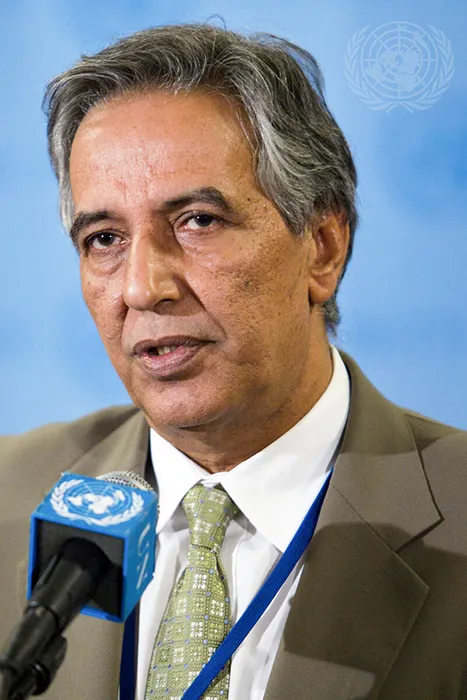
Finally, it all boils down to the usual formula: the combatant, the militant, is not a man, nor a hero like Slama, nor a human symbol, but a political asset susceptible to degradation by circumstances beyond his control. Because he had an ‘unruly’ brother, he is ideologically disparaged and denied even the right to be remembered. An exemplary punishment, even afterlife.
In its sad and painful history, the Polisario has turned hatred into a method, division into a strategy and pettiness into a virtue. Denying peace to a dead man because his relatives believe in peace. Perfect consistency: that of a movement which, in order to always be right, needs others — even the deceased — to be wrong, even if only for the ‘sin’ of their loved ones.