
Iran: How Did We Get Here?

- A Regime Under Pressure from All Sides
- Corruption and Repression as Policy
- From Protest to Nationwide Revolt
- Organization Changes the Equation
- International Reaction Matters
- Can the Regime Survive Again?
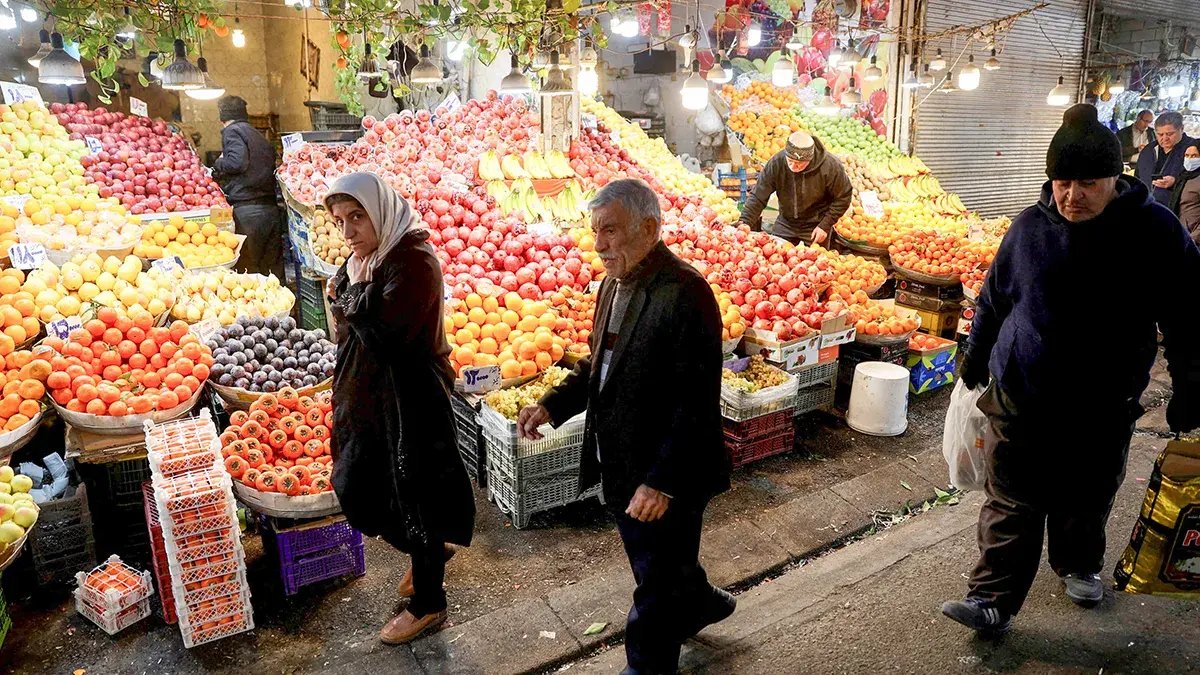
Iran has entered a second week of nationwide unrest. Since 2017, the ruling clerical regime has faced repeated uprisings fueled by deep public anger. This time, the spark came from an unexpected place: Tehran’s Grand Bazaar.
The bazaar has historically played a decisive role in Iranian uprisings. Its shutdown helped trigger major movements, from the Constitutional Revolution in 1905 to the 1979 overthrow of the Shah. The regime believed it still had influence there. It was wrong.
On Dec. 28, shopkeepers closed their businesses to protest runaway inflation, the collapse of the national currency and soaring exchange rates. Within a day, students joined in. Universities across the country echoed with calls for freedom. The convergence of bazaar and campus — economy and politics — ignited what has now become Iran’s fifth nationwide uprising since 2017.
A Regime Under Pressure from All Sides
The uprising comes at a moment of extreme weakness for the regime. Regionally, Tehran has suffered setbacks, including the fall of its Syrian ally, the weakening of Hezbollah and damage from a recent 12-day regional conflict. Domestically, years of unresolved crises have converged.
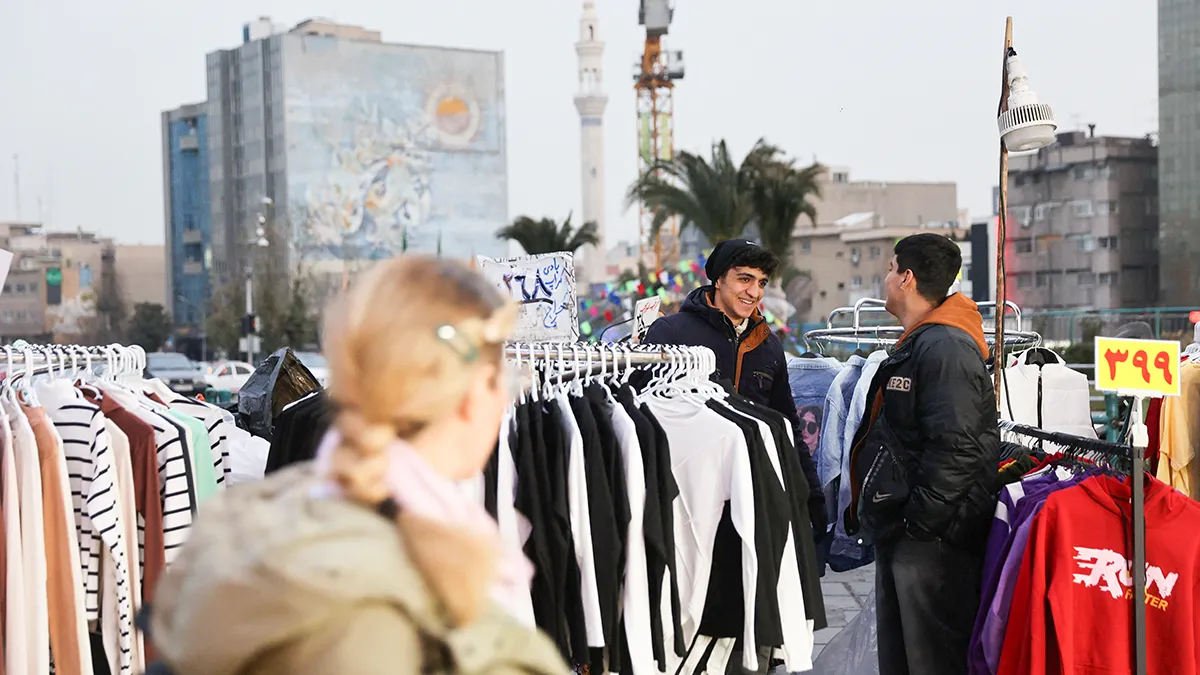
According to IMF data, Iran is now among the three countries whose currencies fell the most in 2025. In practical terms, Iranians have lost roughly one-third of their savings to inflation and money printing. More than 80% of households now live below the global poverty line. Mandatory hijab, enforced religion and constant repression have only intensified public anger.
Corruption and Repression as Policy
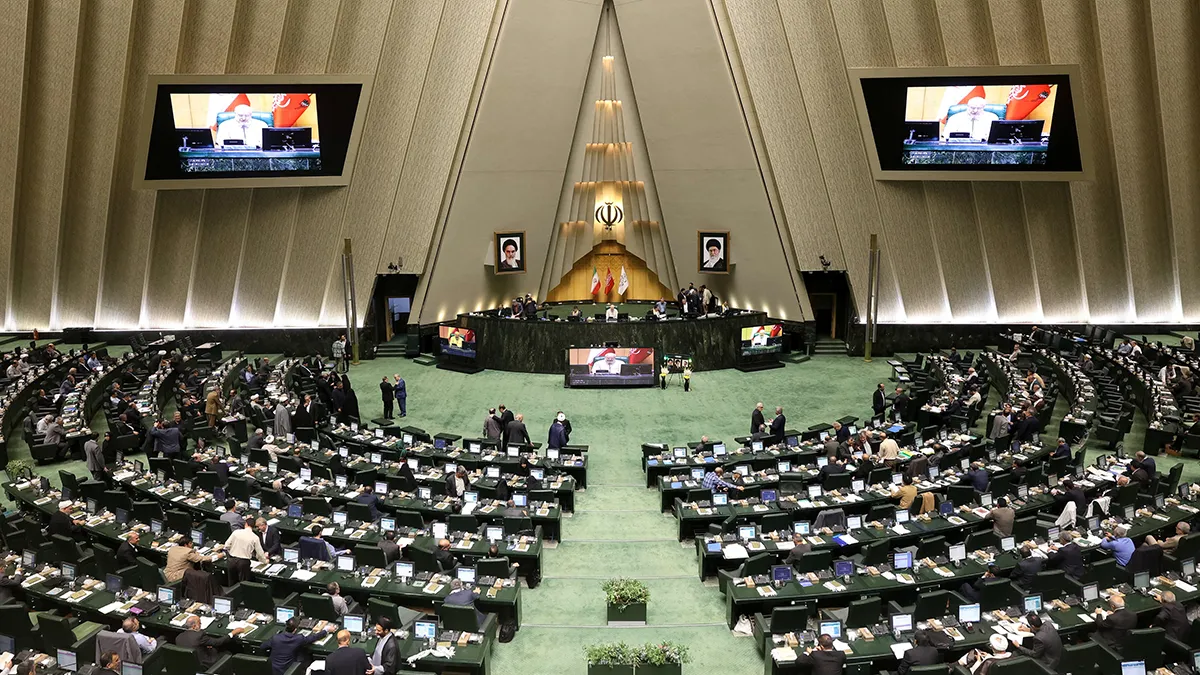
Corruption is no longer hidden. Members of Iran’s own parliament recently admitted that more than $117 billion in export revenue never returned to the country.
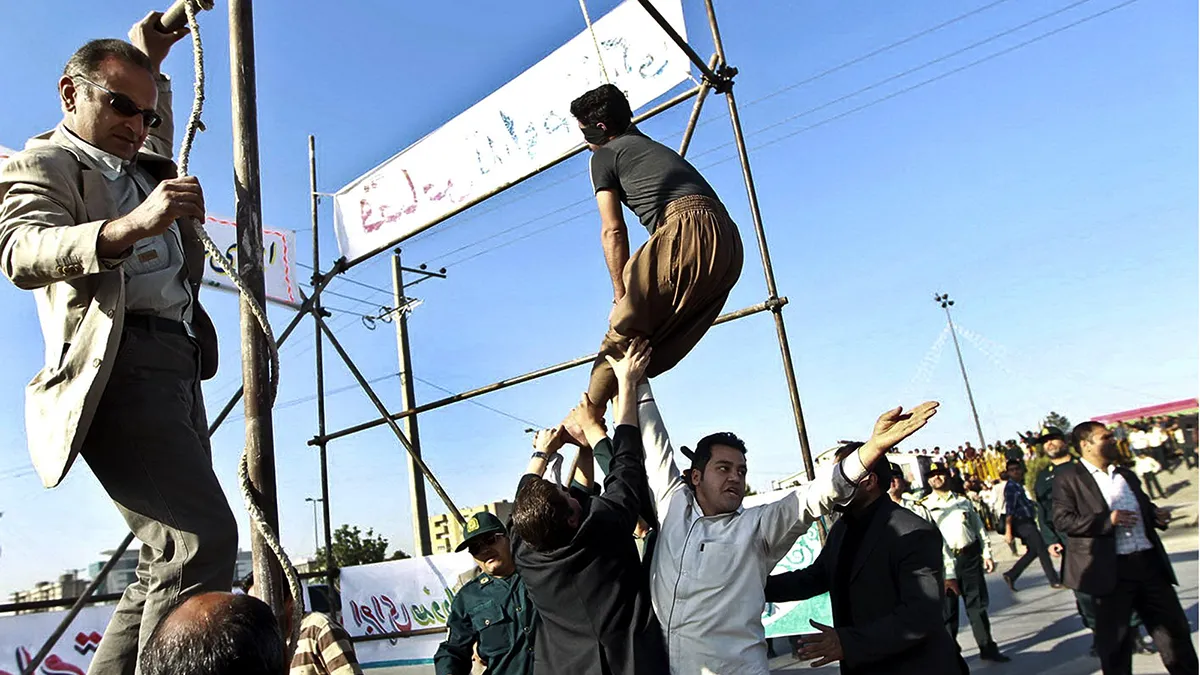
With no economic solution, the regime has turned to repression. According to the National Council of Resistance of Iran (NCRI), more than 2,200 executions were carried out in 2025 alone — an unprecedented figure. Executions doubled in the second half of the year, clearly aimed at intimidating society.
From Protest to Nationwide Revolt
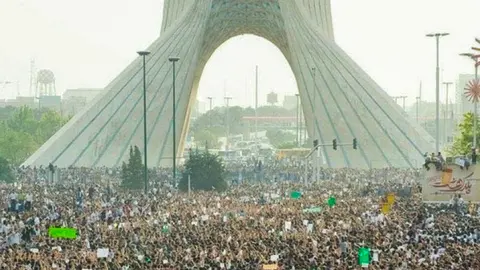
The uprising has spread rapidly. According even to regime-linked media, protests have reached 107 cities across the country. This is not a Tehran-only movement. It reflects broad national rejection.
Even the official Fars News, affiliated with the Revolutionary Guards, admitted the protests are no longer just economic. It reported that organized groups were leading chants such as “Death to Khamenei” and acknowledged the influence of opposition leader Maryam Rajavi’s call for continued uprisings.
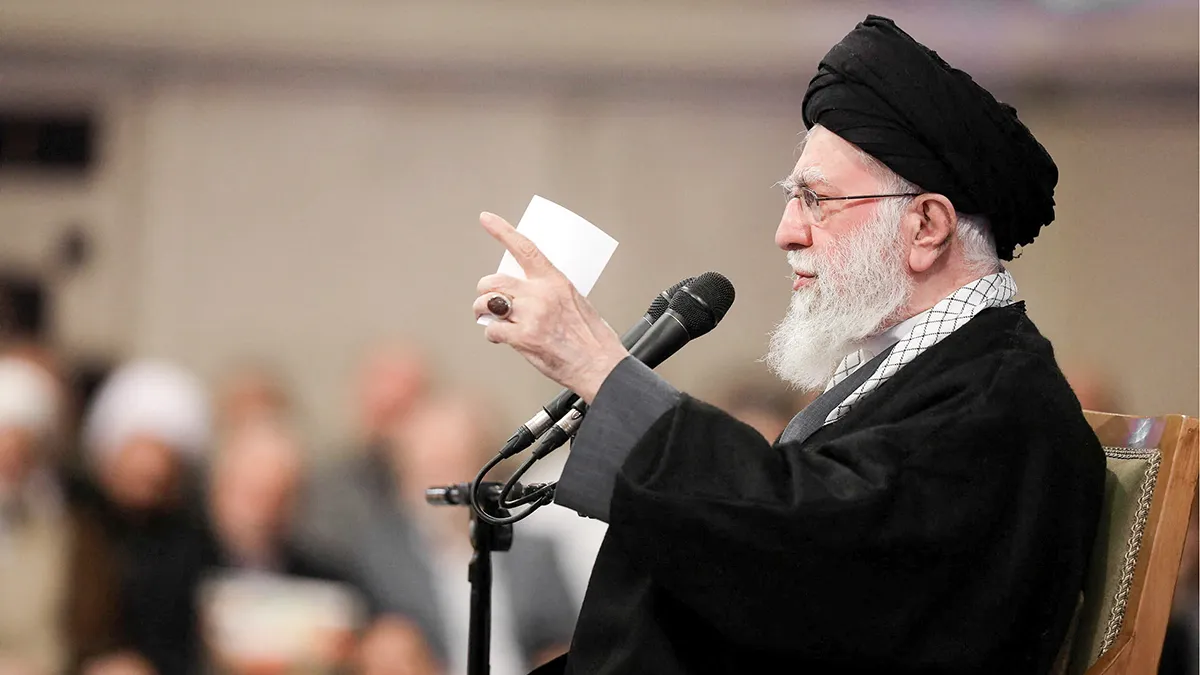
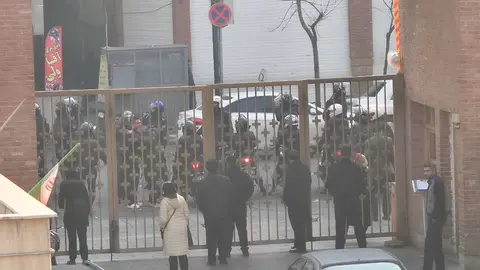
The regime’s response has been predictable. Supreme Leader Ali Khamenei ordered repression while promising minor concessions to merchants. Security chiefs at universities were replaced. Over 42,000 security forces were put on full alert in Tehran alone. Live ammunition has been used. At least 18 protesters have been killed, including a 15-year-old.
On Monday, Iran’s Chief Justice threatened protesters taking to the streets with swift court hearings and severe punishments.
Organization Changes the Equation
What sets this uprising apart is organization. Young Indians are leading the movement. Many have joined decentralized Resistance Units linked to the People’s Mojahedin.
These units operate across cities, campuses, and neighborhoods. The regime once dismissed them as “sleeper cells.” Now it openly fears them.
Their presence has helped sustain protests despite heavy repression. This level of organization did not exist in previous uprisings.
International Reaction Matters
Unlike past revolts, international condemnation began immediately. The U.S. president warned Tehran against shooting protesters, saying the U.S. would intervene if mass killings occurred. European governments have demanded transparency over deaths.
These pressures limit the regime’s room to maneuver. But Iran’s future will be decided inside the country. Change can only come from the Iranian people themselves.
What the international community can — and should — do is recognize their right to organized resistance against a regime that has closed every peaceful path to dissent.
Can the Regime Survive Again?
In 2019, the regime survived by killing 1,500 people in five days. In 2022, it relied on mass arrests. Today, it is weaker, poorer and more isolated than at any point in decades.
Its security forces are demoralized. Its economy is broken. Its legitimacy is gone.
This uprising is broader, deeper and more organized than before. The outcome is no longer certain — but for the first time in years, the balance has clearly shifted.
Hamid Enayat is a political scientist, specializing on the topic of Iran, who collaborates with the Iranian democratic opposition (NCRI).