
Western Sahara at a crossroads

- The evolution of the Western Sahara conflict
- The Sahrawi Movement for Peace as a third way
- Spain's key role in the resolution
- New perspectives for Sahrawi self-determination
- Regional repercussions of the conflict
- The diplomatic scenario towards reconciliation
The evolution of the Western Sahara conflict
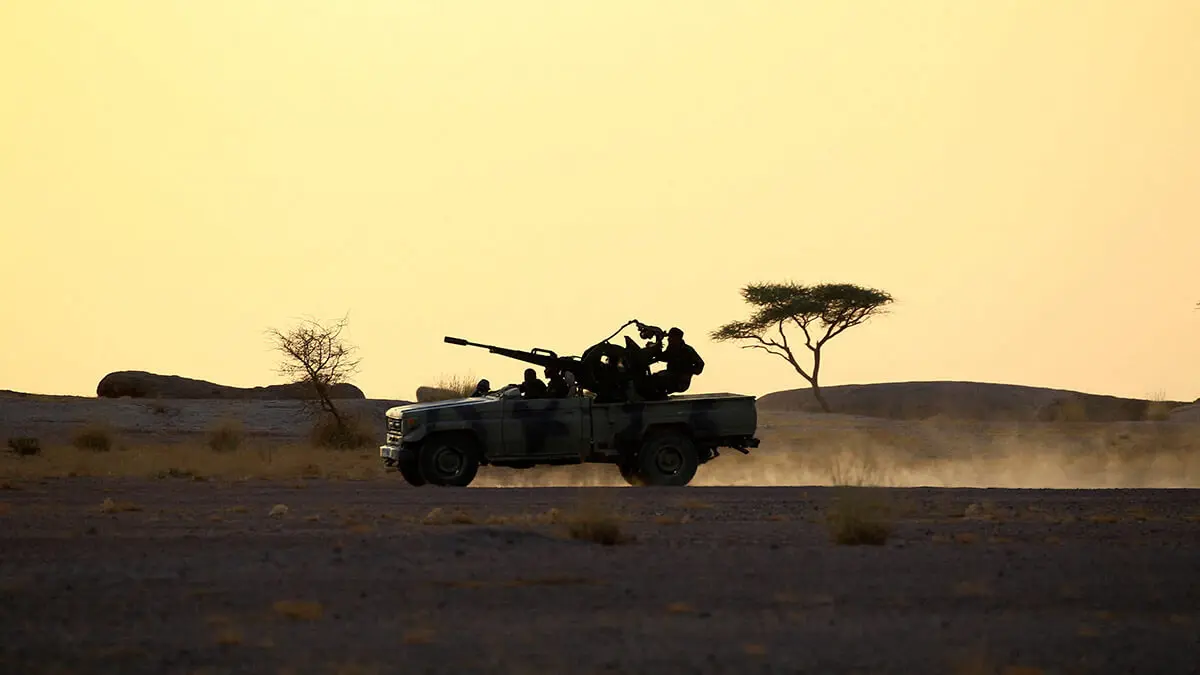
October 2025 marks the 50th anniversary of the Green March, a date that coincides with the United Nations Security Council session dedicated to renewing the mandate of MINURSO. This coincidence serves as a reminder that, half a century after that event, the Western Sahara conflict remains one of the last decolonisation processes pending within the UN.
The situation is currently at a crucial juncture. The Polisario Front's proposal for independence faces a stalemate in both the diplomatic and military spheres. On the other hand, Morocco's initiative to grant autonomy to the territory is receiving increasing international support, backed by powers such as the United States and France, as well as a growing number of nations.
The Sahrawi Movement for Peace as a third way
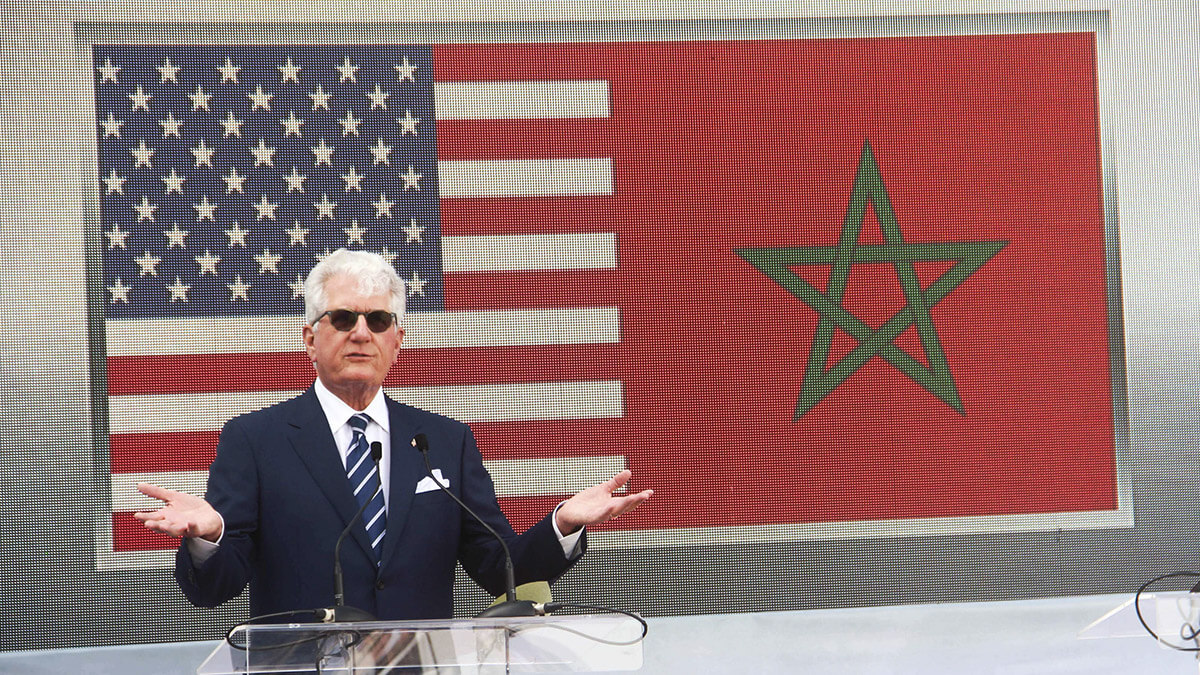
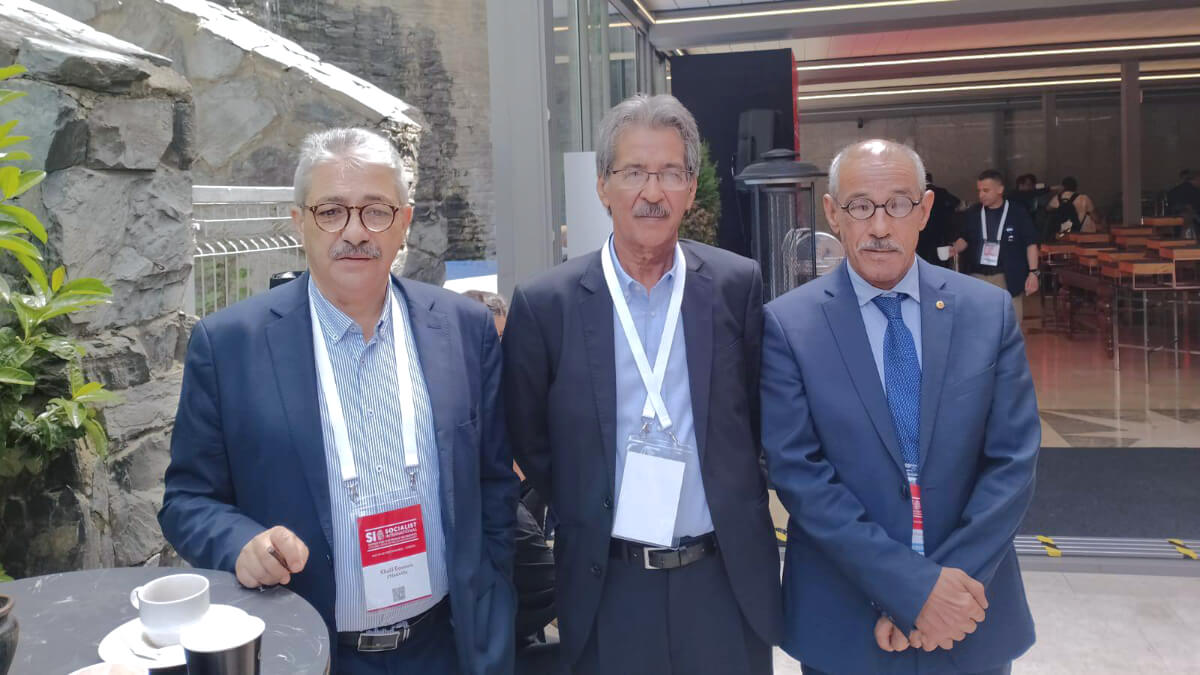
Amidst this dynamic, the Sahrawi Movement for Peace (MSP) has emerged with a unique position. Founded in 2020 within the Sahrawi diaspora, this group has expressed a clear intention to break with the political dominance of the Polisario Front and offer a constructive alternative.
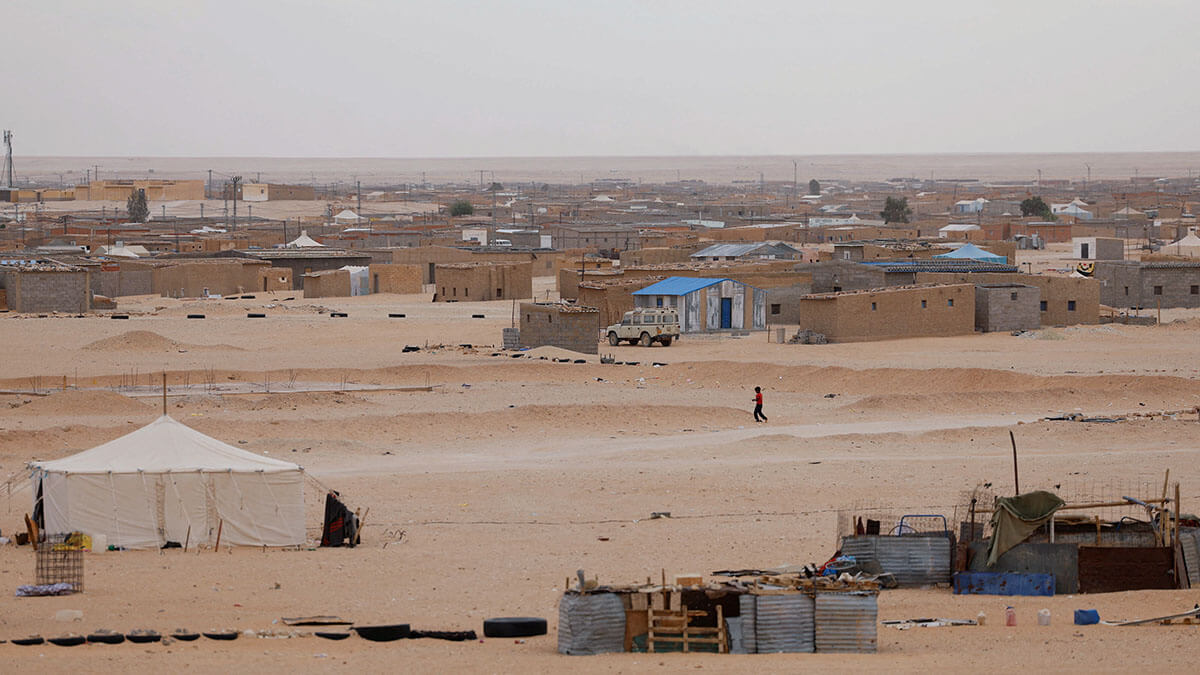
The leaders of the MSP are former members of the Polisario who, after many years of activism, recognised the deadlock caused by the intransigence and stagnation of the current leadership. For them, the independence strategy, maintained for decades, has become a dead end, leading to political paralysis, international isolation and social deterioration in the refugee camps in Tindouf, where young people lack prospects.
By not allowing internal debate or dialogue on realistic and progressive solutions, the Polisario leadership maintains a confrontational stance that benefits only the leadership itself, to the detriment of the Sahrawi people.
In this scenario, the MSP proposes a pragmatic and courageous change: to give back a voice to marginalised Sahrawis and to propose a horizon that prioritises dignity, recognition of identity and socio-economic development over the promised but distant independence.
The MSP presents itself as the only force capable of taking advantage of this situation to transform the status quo into a real opportunity, opening the door to a negotiated political solution that responds both to international expectations and to the specific needs of the Sahrawi population. Unlike maximalist positions, it defines its line as a space for dialogue and reconciliation, representing that sector that seeks a practical and acceptable solution, without impositions or illusions.
Its political proposal is positioned in the middle ground, recognising the need for compromises, preserving Sahrawi identity and basing the solution on regional stability guaranteed by a clear institutional framework.
In this way, the MSP emerges as a strategic actor for the future of Western Sahara, providing internal legitimacy to an option for autonomy that is gaining strength on the international stage.
Spain's key role in the resolution
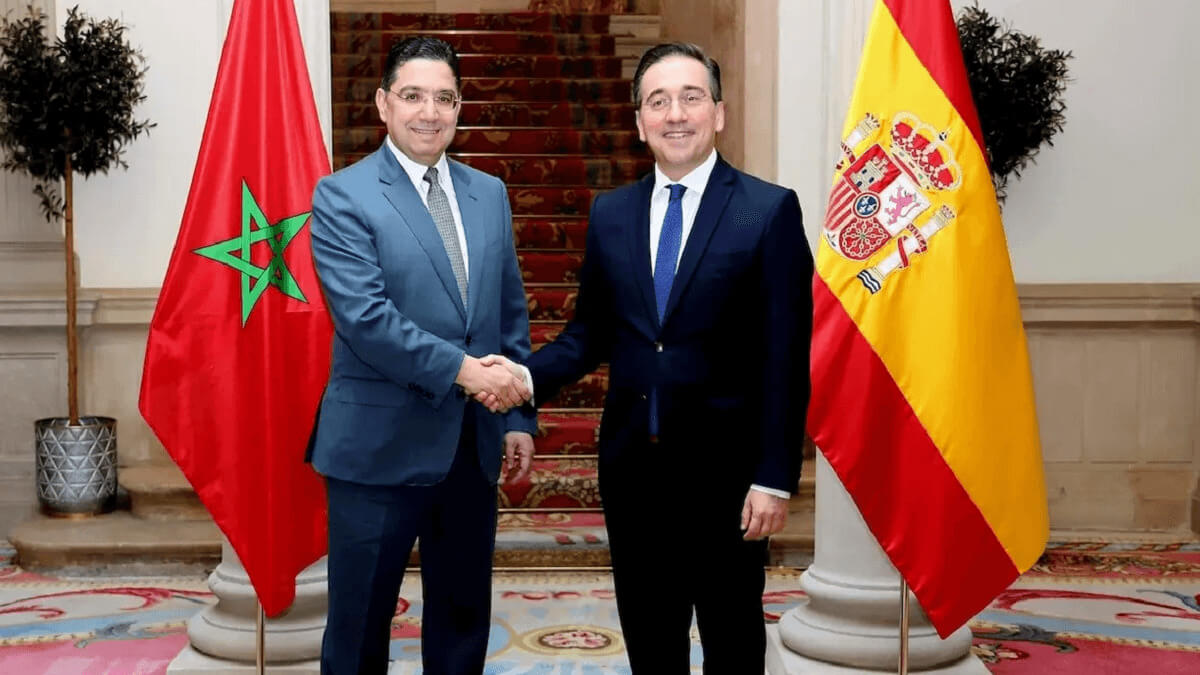
Spain's role in this process is fundamental. In 2022, Spain became the first European power to recognise the Moroccan autonomy plan as ‘the most realistic and credible solution’. This decision marked a significant diplomatic shift that continues to generate intense debate in Spanish political circles.
Beyond its political stance, Spain has a relevant structural resource: the model of the State of Autonomies, which demonstrates the capacity of a central state to legally and politically integrate diverse regional identities.
Thanks to its historical ties, its cultural proximity to the Sahrawi communities in the diaspora and its relations with the promoters of the MSP, Spain is in a favourable position to act as a mediator between Rabat and the Sahrawis.
This dual proximity could make Madrid a decisive factor in facilitating a gradual process towards effective autonomy, building trust so that it is not perceived as an annexation.
New perspectives for Sahrawi self-determination
The right to self-determination remains the central point in UN resolutions. However, it could be reinterpreted and implemented in a different way: no longer through a binary referendum between independence or integration, which is currently unfeasible, but through a popular consultation on an autonomous statute, followed by elections for a Sahrawi regional parliament, as proposed by the MSP at the peace congress held in Dakar in October 2023.
This scheme would open up the possibility of shared sovereignty, allowing the Sahrawis to preserve their culture, manage their institutions autonomously and participate in their development, while ensuring political and economic stability within a recognised Moroccan framework.
Regional repercussions of the conflict
The resolution of the Sahrawi conflict transcends the scope of Rabat and the Sahrawis, with far-reaching implications for the region.
For Morocco, autonomy would mean the consolidation of its territorial integrity and a step towards advanced regionalisation. For the Sahrawis, it would mean moving from broken promises to solid and functional institutions.
For Algeria, it represents a strategic dilemma: to accept a compromise it has rejected for years or risk becoming isolated from the regional context. For their part, Europe and the Sahel countries would see their energy, economic and anti-terrorism security strengthened, just as the region faces deep crises.
The diplomatic scenario towards reconciliation
October 2025 is unlikely to bring an end to the conflict, but it could mark a milestone in the diplomatic recognition of a new direction: Sahrawi autonomy as a plausible solution.
In this process, the Sahrawi Movement for Peace could consolidate itself as the force that gives internal legitimacy to this option, while Spain has the potential to become a cultural and practical mediator between Rabat and the Sahrawis.
If autonomy is articulated as authentic self-government, it would usher in a period of regional stability that would transform Western Sahara, currently a persistent conflict, into a model of historic compromise for the Maghreb.