
After the Israeli strike in Doha: the Gulf between Washington and the Arab world

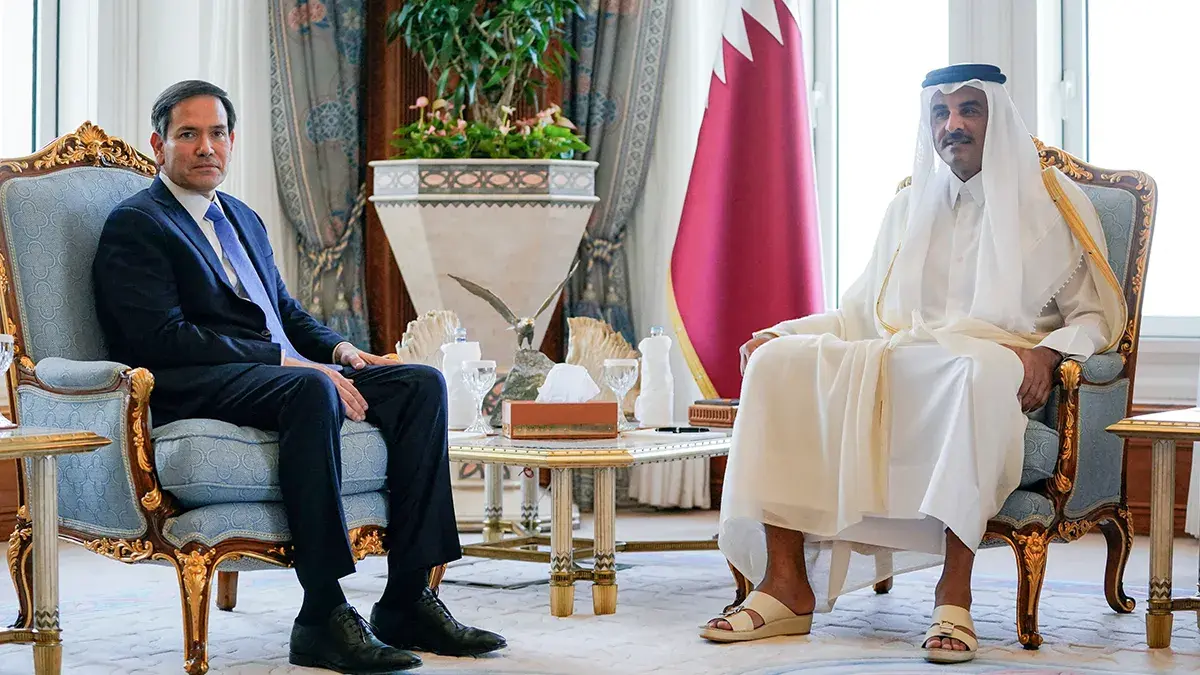
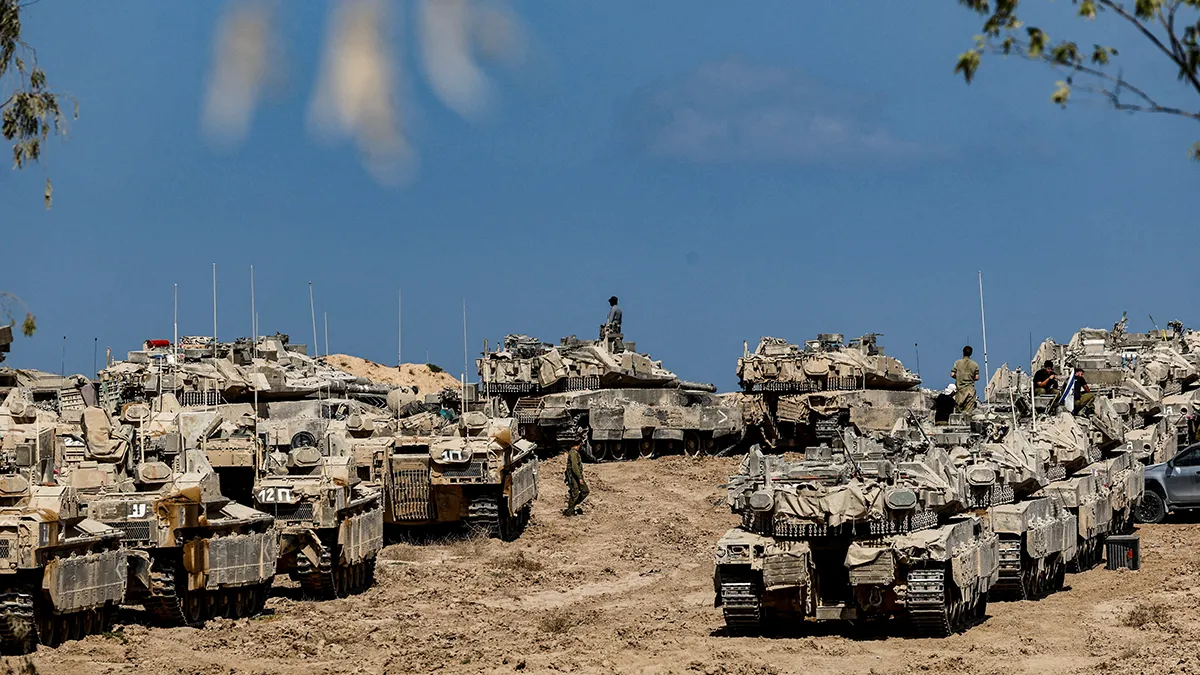
The bombing not only marked a new chapter in the escalation, but also demonstrated Israel's willingness to project its deterrence equation beyond its immediate surroundings, even at the cost of violating Gulf sovereignty. The episode marks a turning point, not only in the regional balance of power, but also in the evolution of relations between Washington and its Gulf partners, and in the role of the Arab world on the international stage.
Historically, the United States has been the guarantor of Gulf security, but it has also made no secret of its explicit or implicit support for Israeli policies. It often avoids holding Prime Minister Benjamin Netanyahu accountable and justifies offensives with the argument of 'Israel's right to defend itself', ignoring the sovereignty of Arab countries. This double standard erodes confidence in Washington and pushes Gulf capitals to explore strategic alliances with Europe, China or Russia.
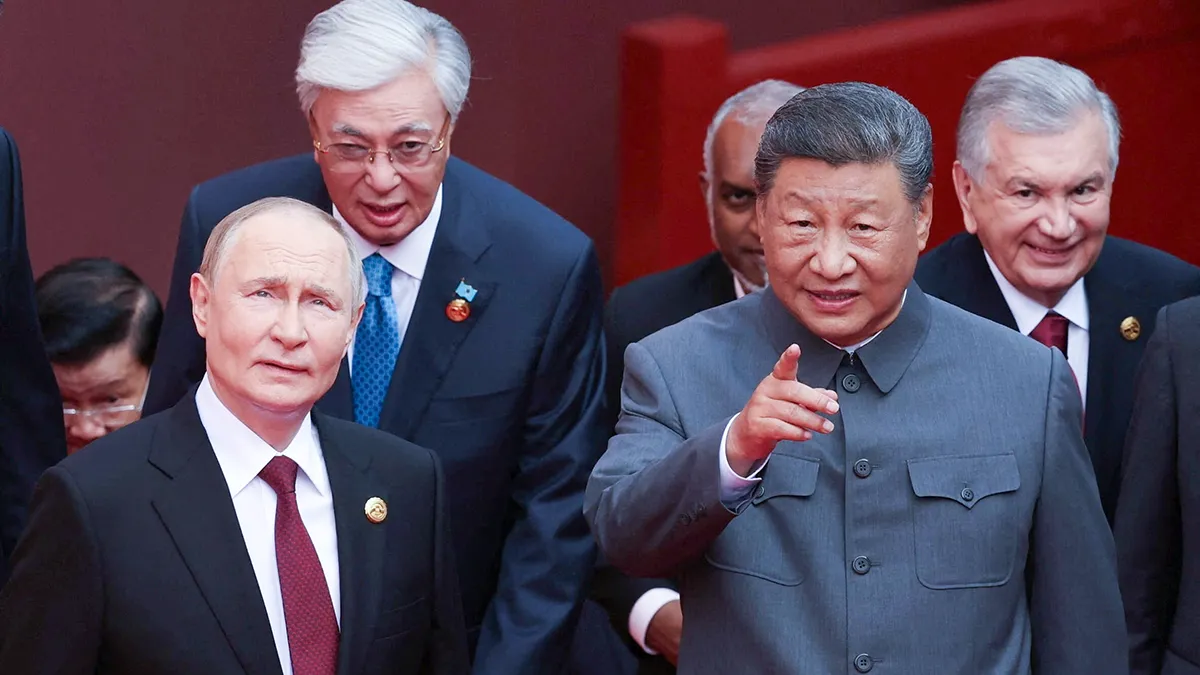
Despite the doubts raised after the attack on Doha – including the suspicion that US defence systems failed to detect the incursion – the relationship with the United States seems destined to endure. This already happened in September 2019, when the attack on the Abqaiq facilities in Saudi Arabia tested the alliance without breaking it. The partnership remains strong, albeit with areas of friction that could be reconfigured without altering the core of the cooperation.
Following the Israeli offensive, a Gulf summit and an Arab-Islamic summit were held. The latter, in particular, revealed an awareness that the immediate future requires a clear response to Israeli operations. The Arab world faces two paths: resigning itself to Israeli dominance with US backing or transforming the blow into a catalyst for political and security unity. The summits signalled an initial willingness to coordinate, although the challenge lies in moving from declarations to tangible policies: joint defence, active diplomacy and a unified discourse.
Is it possible to halt the Israeli escalation? Israel operates in an Arab vacuum and under the cover of Washington, which gives it room for risky manoeuvres. However, the Arab states still have instruments of pressure at their disposal: from the activation of international legal mechanisms to the strategic use of energy, to a narrative capable of connecting with Western public opinion. The 2002 Arab Peace Initiative remains a valid reference point, provided it is updated and translated into a concrete roadmap.
Far from being a dire omen, the setback in Doha may become a realistic opportunity to rethink the Arab house, weakened by more than seven decades of successive crises. Common challenges—from security to energy and digital transition—require overcoming internal divisions and committing to a more cohesive regional architecture that negotiates from a position of initiative rather than reaction.
In short, what happened in Doha is not an isolated episode, but a wake-up call. It forces us to review alliances and redefine priorities in the face of an ambiguous US partner and an Israeli ally willing to escalate. The question is clear: will this crisis be the starting point for a new Arab unity or just another chapter in the chronicle of fragmentation?