
How has Vision 2030 reshaped Saudi consciousness?

Before 1979, the country enjoyed a more open, cultured, and pluralistic intellectual climate. That year, coinciding with the rise to power of Khomeini and the Shiite clergy in Iran, the region entered the era of “religious conservatives,” which left a deep mark on the social environment and politics of the Middle East.
In this context, Vision 2030 emerges as a comprehensive national project that seeks to diversify the economy, improve the quality of life, and modernize the state, but also—and perhaps above all—to renew the mindset of Saudis. The underlying idea is clear: the future is not the exclusive product of the state machinery, but a project shared between institutions and citizens.
For decades, Saudi Arabia relied on an economic model heavily dependent on oil and a social structure marked by caution and inward-looking attitudes. Entry into the country, especially for non-Muslims, was surrounded by bureaucratic complexity.

Over time, there was a growing sense that a profound update of the state and its thinking was needed.
Vision 2030 has thus become the real driving force behind the opening up that the country is currently experiencing on multiple fronts. It is based on the premise that the state cannot remain anchored to a single resource or an idea of guaranteed welfare, and that it is necessary to change this collective mindset. Hence, many young Saudis have begun to conceive of the future as the result of effort, planning, and competition, rather than as a simple extension of the oil-rich past.
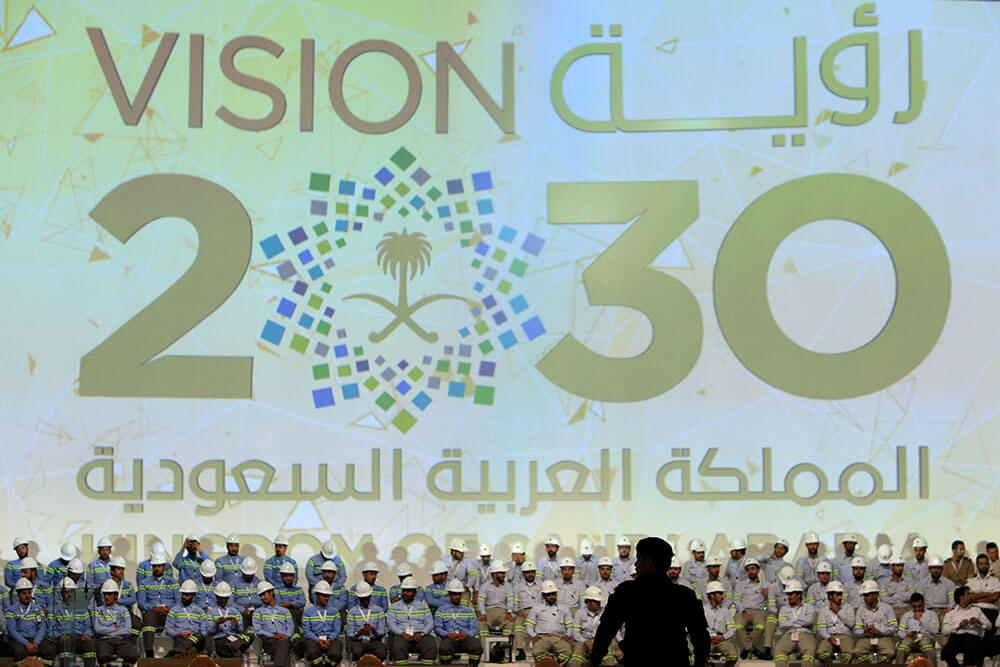
From a communication perspective, Vision 2030 was not presented as a cold, technical document, but as a shared national narrative. The leadership discourse was direct, clear, and free of bureaucratic jargon. The narrative was articulated around concepts such as empowerment, opportunity, participation, and challenge. This language helped Saudis see themselves as part of the project and not as mere spectators of economic and social transformations.
Contemporary literature on governance emphasizes that the great visions that work are those that generate behavior, not just goals: they get society to start acting in accordance with the future it desires before fully achieving it.
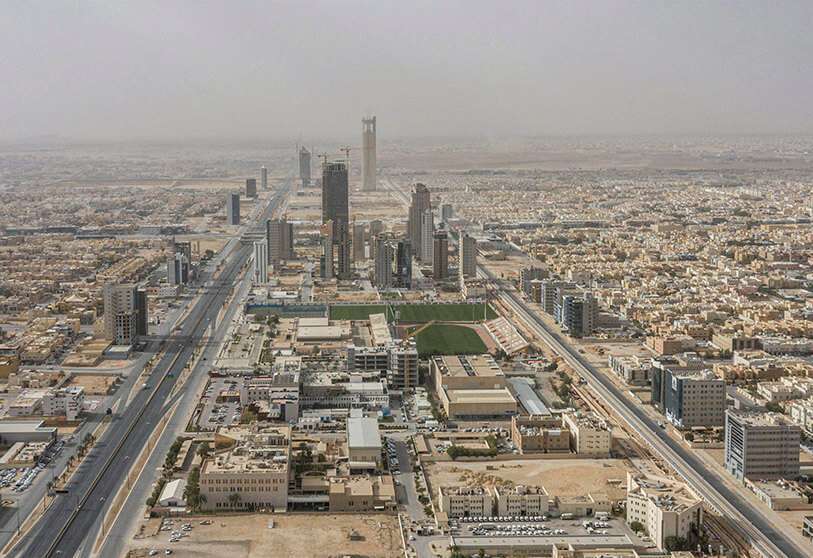
Internationally, Vision 2030 caused surprise—and in some cases a certain amount of confusion—in parts of the developed world, accustomed to viewing the region through a rentier or traditional lens. When Saudi Arabia announced mega-initiatives such as Neom, Qiddiya, the Red Sea Project, and Riyadh Green, there was no shortage of voices that dismissed them as overly ambitious dreams.
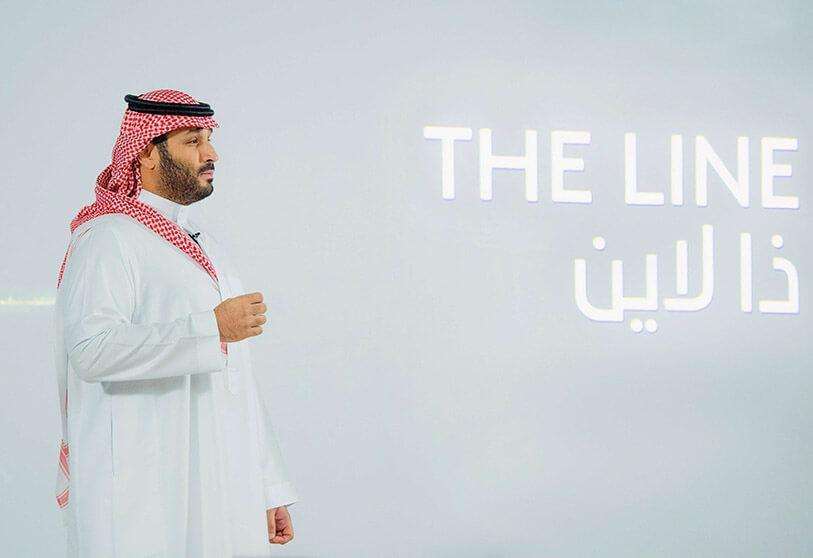
However, in less than a decade, these initiatives have established themselves as economic models and tangible investments. The discourse on Saudi Arabia in major forums no longer revolves exclusively around oil, but also around tourism, innovation, advanced technology, and, more recently, artificial intelligence.
Something similar has happened in the field of sports and culture. The country has gone from being a consumer of leisure to becoming a producer and exporter. The entertainment seasons in Riyadh follow one another without pause, major sporting events are held, and world-class signings are made, such as Cristiano Ronaldo's arrival at Al Nassr. At the same time, ecosystems dedicated to culture and creativity have been established. All of this has contributed to redefining the Kingdom's image as a player that is rising with confidence and challenging expectations.
At the same time, the world has discovered another facet of Saudi Arabia: its role as a political mediator and factor of regional stability. The country is no longer seen solely as an “oil power,” but as a “power of influence,” capable of bringing opposing actors to the same table and promoting solutions to complex regional and international issues. In this sense, Vision 2030 transcends the domestic framework and also functions as a new diplomatic model that reinforces Saudi Arabia's presence in the international system.
Ultimately, grand visions are not simply government plans, but renewed social contracts that redefine the relationship between the state and its citizens and raise awareness of local, regional, and global challenges.
Saudi Vision 2030 has set in motion an unprecedented dynamic: citizens now see themselves as protagonists in a transformation project, the mental boundaries on what the country can become have shifted, and the Kingdom has become a huge work in progress that shows no signs of stopping.
Its goal: to place Saudi Arabia among the most advanced nations, not by chance or circumstantial merit, but through investment in people, opportunities, and the ability of a society to build its own future.
Dr. Hasan Alnajrani. Saudi journalist and academic