
Saudi Arabia between myth and reality: Abdulaziz's legacy versus Western narratives

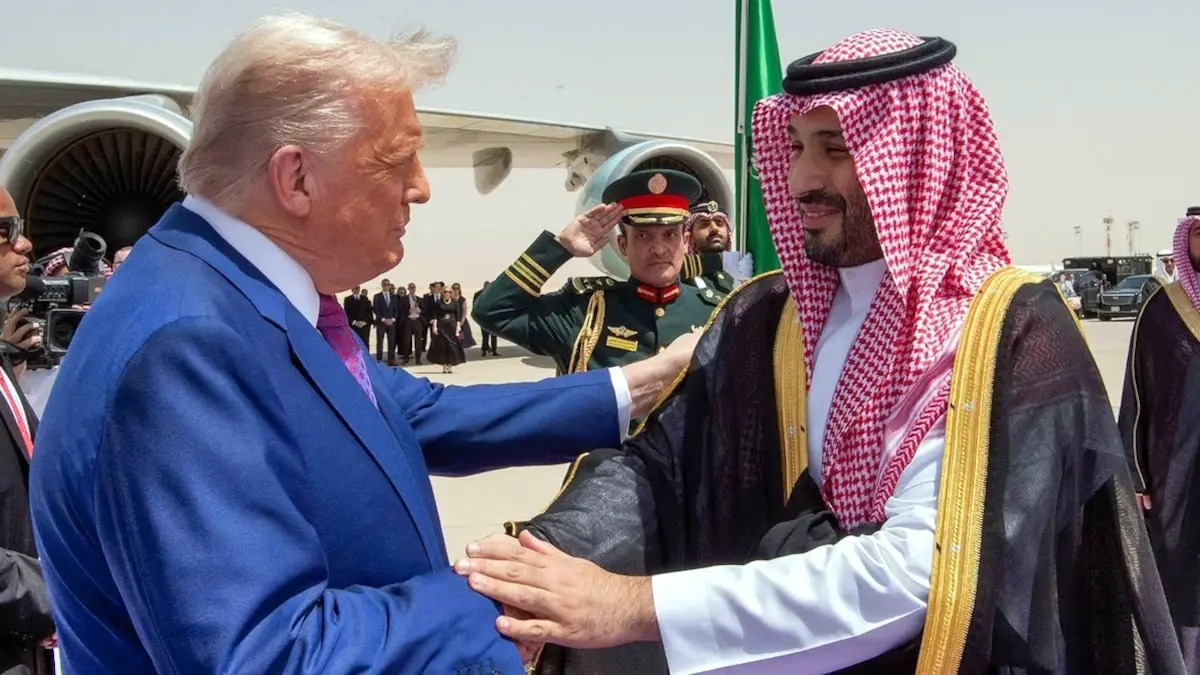
The US envoy for Syria, Thomas Barrack, declared in Beirut on September 26, 2025, that “the Middle East does not exist, there are only tribes, villages, and states created by Sykes-Picot... and it is an illusion to think that 27 invented states with 110 different ethnic groups can share a common political concept.”
His words, rather than an analysis, reflect a Western view that has been repeated for decades: the idea that the region lacks the historical capacity to build solid states. This discourse oscillates between arrogance and ignorance, and overlooks examples that directly contradict this narrative.
One of these is the experience of Saudi Arabia and its founder, King Abdulaziz Al Saud. Born in 1875, Abdulaziz began a process of unification in the early 20th century that would culminate in 1932 with the proclamation of the Kingdom of Saudi Arabia. It was not the result of Sykes-Picot or colonial imposition, but of an internal project based on strength, vision, and leadership. After recapturing Riyadh in 1902, the monarch set about unifying tribes and territories, not only through war, but also through a political strategy that laid the foundations for a modern state.
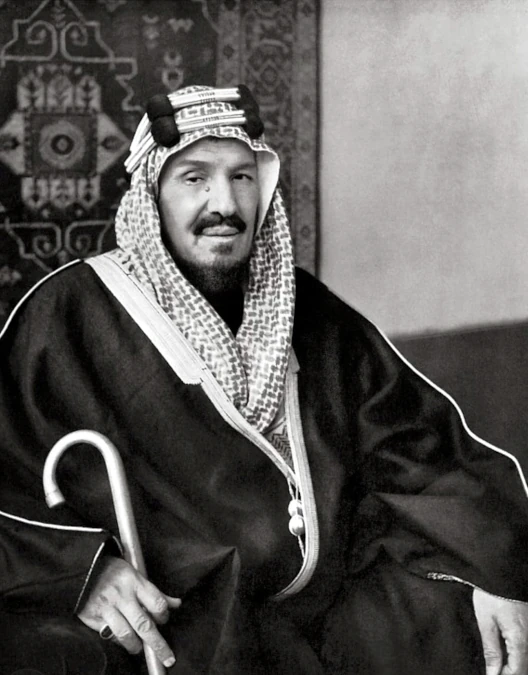
Far from being a passing leader, Abdulaziz left a legacy that lives on in the Saudi identity. He created a national sentiment that transcended tribal divisions and ensured stability in a region marked by fragmentation. His independence from foreign powers distinguished him from other contemporary leaders, who were swept up in colonial agreements. For this reason, Saudis remember him as a symbol of dignity and sovereignty, and his memory permeates both school education and current political culture.
Barrack's argument that the Middle East cannot produce lasting states ignores centuries of history. The Umayyad Caliphate (661–750) spanned three continents; the Abbasid Caliphate (750–1258) lasted nearly six centuries; and the Umayyad Emirate in al-Andalus survived for 800 years. These experiences belie the idea that the region is doomed to fragmentation.
In modern times, Saudi Arabia represents a paradigmatic case. After Abdulaziz's death in 1953, his sons continued the project: King Saud invested in education and infrastructure; Faisal placed the country at the center of global geopolitics by using oil as a weapon in 1973; Khalid ensured stability and prosperity; Fahd promoted megaprojects and played a decisive role in the Gulf War; Abdullah promoted social and educational reforms; and Salman is now leading a historic transformation with Vision 2030, which diversifies the economy and opens the country to the world.
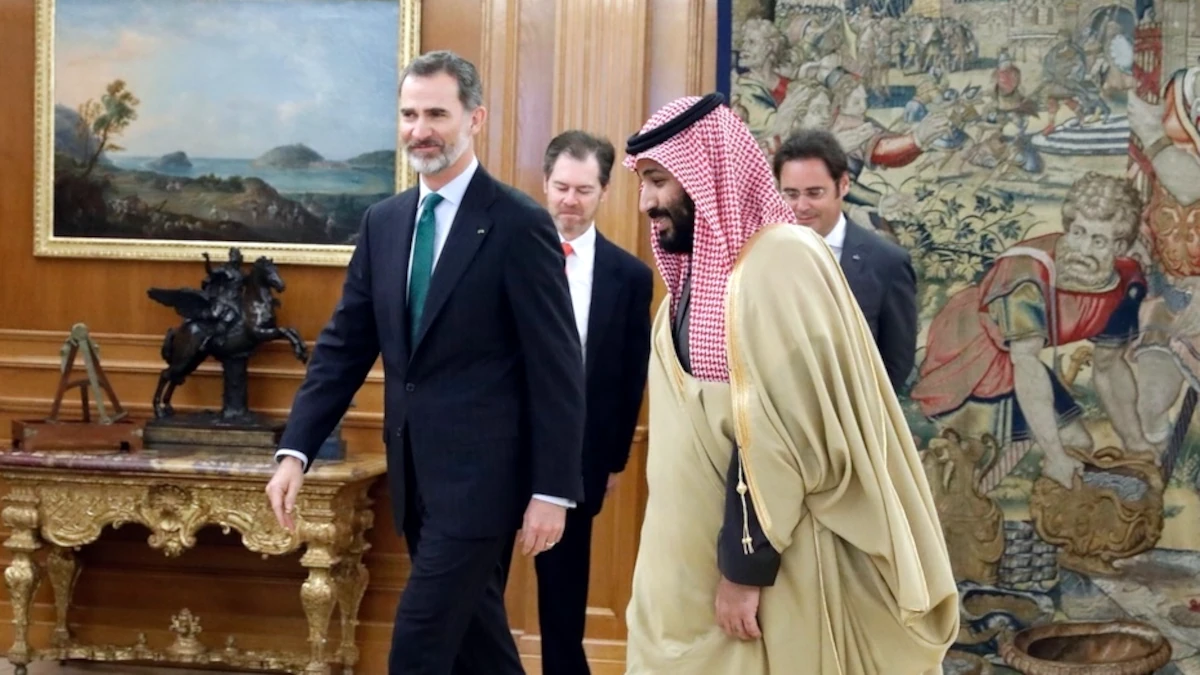
Abdulaziz's legacy goes beyond territorial unification: he built a national identity and a modern system of government capable of withstanding internal and external challenges. Saudi Arabia went from being a fragmented desert to becoming an economic, political, and spiritual power. Its history shows that the future of the Middle East does not depend on colonial maps, but on leaders capable of articulating their own projects.
Saudi Arabia is not just oil and borders: it is the story of inspiring leadership and a dynasty that has continued its work generation after generation. In contrast to reductionist views such as Barrack's, the Saudi experience reveals that the region can indeed produce stable and powerful states. It is a story that deserves to be told in every language, because what Abdulaziz founded lives on in the present and future of the kingdom.
Dr. Hasan Alnajrani. Saudi journalist and academic