
Moroccan Sahara

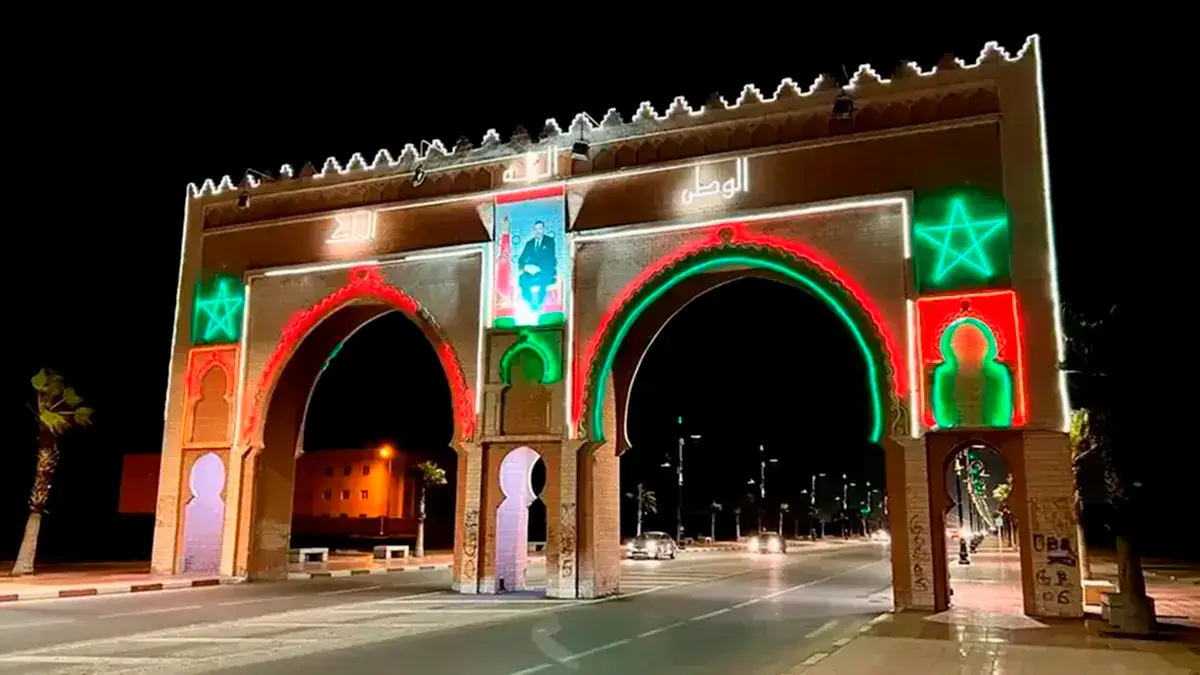
The resolution approved by the United Nations Security Council endorses the autonomy plan for the Sahara under Moroccan sovereignty as a viable, credible, and lasting solution to a conflict that has lasted 50 years. A solution that will be negotiated within the framework of the UN and none of the actors involved, such as Algeria and the Polisario Front, will be able to resist or set preconditions. The vote is overwhelming and expresses the clear international will, including that of major powers such as the United States, China, and Russia, to embark on the final round of negotiations with the autonomy plan as the basis for discussion.
The historic moment represented by the UN decision marks the beginning of a definitive stage that effectively recognizes the Moroccan Sahara and provides international legal backing for a reality that has existed in the southern provinces of Morocco since the process that began with the Green March 50 years ago. Key decisions taken by King Hassan II and his son, Mohammed VI, are now being assessed, with a solid approach and arguments that have demonstrated the validity of the Moroccan position on the Sahara, which has been endorsed by more than 120 countries around the world.
In this brilliant strategy, which has yielded such positive results thanks to the diplomatic campaign led by Mohammed VI himself, supported by the entire Moroccan state and executed by the Minister of Foreign Affairs, the King is one step ahead and is allowing just enough time to celebrate the historic change at the UN and address the next steps in a phase described as one of transformation. He recognizes the value of the support of the major economic powers in stimulating their investment and trade with the southern provinces of Morocco, including Spain, a detail that is very important to take into account.
He points to the pole of development and stability of a regional nucleus that also includes the Sahel and leads to a new decisive phase at the international level with the principles and pillars likely to find a definitive political solution to this conflict. In this context, Mohammed VI raises several key issues.
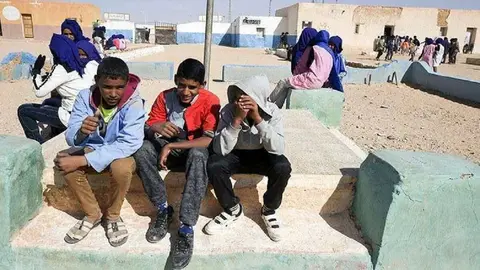
Morocco will update and develop the autonomy initiative to present it to the UN and serve as the sole basis for negotiation. He once again extends a hand of reconciliation to his brothers living in the Tindouf camps, inviting them to return, and reiterates his call to the President of Algeria to restore relations based on trust, fraternal ties, and good neighborliness.
On the very day of victory, Mohammed VI takes steps to secure the future.