
Operation Absolute Resolve: the combination of intelligence and special forces

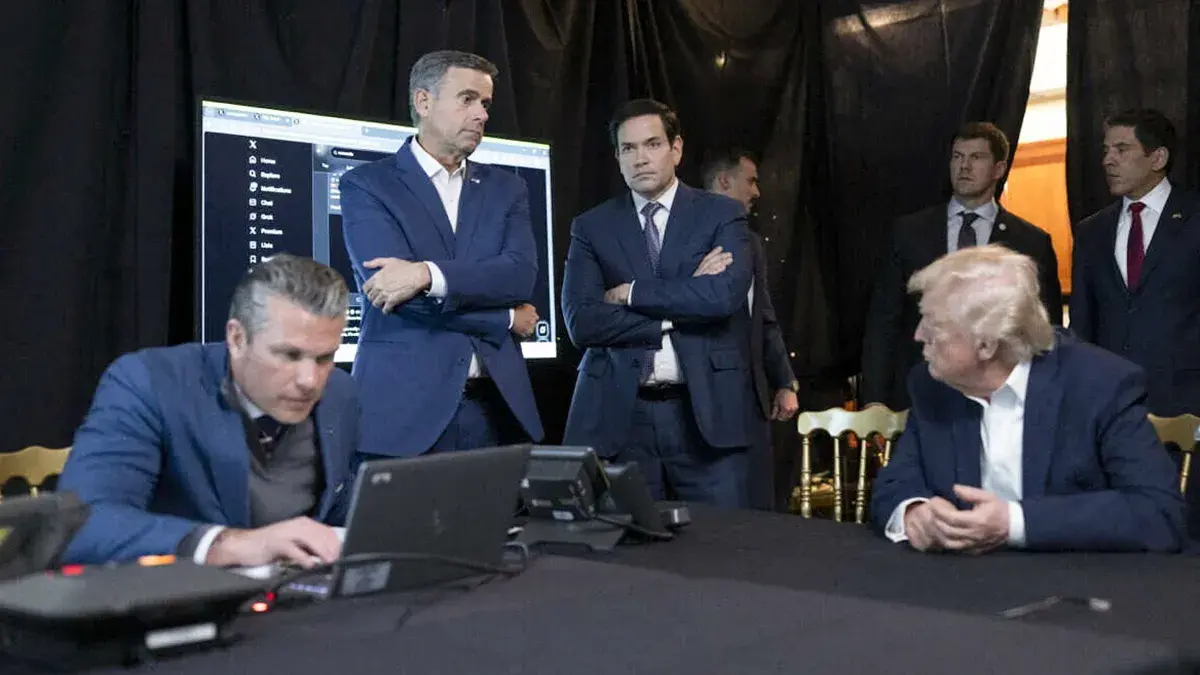
- Planning and preparations
- Initial phase: air strikes and suppression of defences
- Detailed ground incursion and capture phase
This action, framed by the US Administration as a ‘military-supported law enforcement operation’ against a leader accused of narco-terrorism and conspiracy to import cocaine, involved a combination of initial air strikes to neutralise defences and an elite ground raid to directly extract the target.
The entire mission took approximately two hours and twenty minutes, involving more than 150 aircraft from some 20 regional bases, and resulted in zero reported fatalities on the US side.
This operation was based on established US Army tactical doctrines. JP 3-05 regulated the phases of special operations, focusing on the capture of high-value targets using small teams, meticulous planning, stealthy infiltration, and rapid extraction, utilising advanced technology such as drones for reconnaissance and precision weapons. FM 3-0 guided battlefield preparation and enemy suppression with the minimum force necessary, using comprehensive intelligence and coordinated manoeuvres to weaken adversary positions without major escalations. JP 3-0 ensured the joint integration of air, naval, and ground forces, synchronising resources such as the amphibious ship USS Iwo Jima for power projection and logistical support.
In the dense urban environment of Caracas, MOUT tactics allowed for sectorised advances, using structural cover, coordinated fire support, and constant communication to neutralise hidden threats (for which intelligence from within Venezuela was available), with minimal collateral damage.
The Marine Corps' ‘MCWP 3-35.3’ detailed procedures for preliminary reconnaissance, assaults with breaches in structures, and adaptation to dense terrain.
The brevity of the mission aligned with ‘MOOTW,’ operations other than war with strict rules of engagement for specific tasks without transition to conventional conflict.
JP 3-07 guided limited post-operation stability, combining security with possible political transitions. Influences from the historic FM 100-5 were reflected in technological asymmetry and rapid manoeuvres against a weakened adversary.
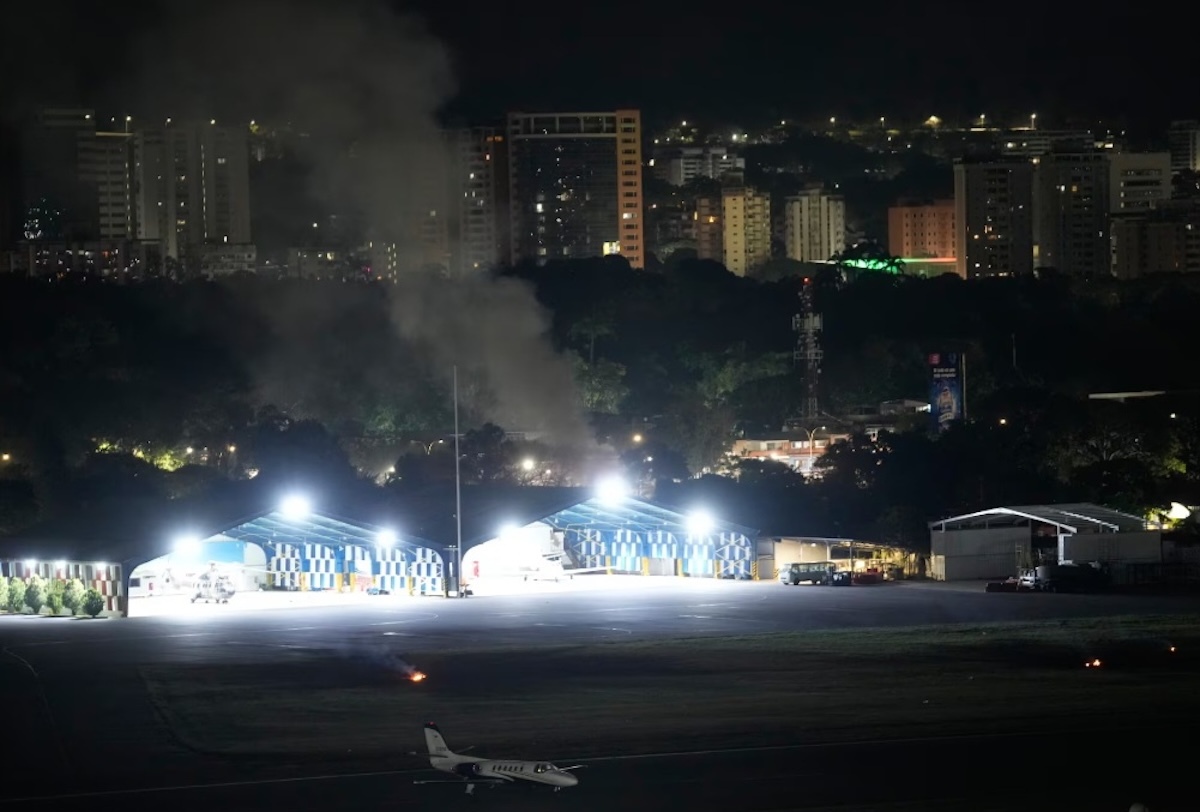
Planning and preparations
Planning for Absolute Resolve stretched over months, intensifying from mid-December 2025. President Donald Trump approved the final execution on the evening of Friday, 2 January, taking advantage of a favourable weather window that allowed safe air access to Caracas. In the weeks leading up to the operation, teams from the CIA and Joint Special Operations Command gathered detailed intelligence: satellites, armed Reaper drones, human sources inside Venezuela, and electronic surveillance mapped Maduro's daily routines, including his sleeping habits, meals, and movements within his fortified residence. Precise models of the presidential compound were constructed for repeated rehearsals by elite units such as Delta Force, with possible support from Navy Seals and federal agents from the Department of Justice and the DEA.
The logistical deployment included more than 150 aircraft positioned at bases in Puerto Rico, Trinidad and Tobago (with a recent agreement for the use of airports) and the Caribbean.
The USS Iwo Jima served as the main platform for helicopters and extraction, escorted by at least seven additional ships with long-range missiles, drones, and electronic warfare capabilities. F-35 aircraft, modified Chinook and Black Hawk helicopters, along with jamming systems, completed the arsenal. This build-up allowed for low-altitude flying (around 30 head waiter above the water) to avoid radar detection, exploiting the darkness of night and US technological superiority.
Maduro rejected previous offers of exile, including a proposal for Turkey in December 2025, which precipitated the final decision. Intelligence identified critical vulnerabilities: obsolete Venezuelan air defences due to lack of maintenance, inoperative radars and defections in the armed forces.
Initial phase: air strikes and suppression of defences
The operation began shortly before 2:00 local time in Caracas. More than 150 aircraft took off simultaneously for selective strikes against key installations in the north of the country: La Carlota air base (the main air hub in the capital), the Fuerte Tiuna military complex (headquarters of the Ministry of Defence and high command), communications centres such as El Volcán, and the port of La Guaira (a potential maritime escape route). Precision-guided munitions struck radars, anti-aircraft systems, antennas, and vehicles, causing massive power outages in southern Caracas and disrupting chains of command.
This phase created a secure operational window, with electronic jamming blocking communications and allowing helicopters to advance undetected. Subsequent images showed incinerated anti-aircraft vehicles at La Carlota and debris at Fuerte Tiuna, although with limited collateral damage in adjacent urban areas.
Detailed ground incursion and capture phase
At 2:01 local time, helicopters descended on Maduro's fortified residence. Elite teams — primarily Delta Force, supported by Navy Seals and federal agents — landed at low altitude, equipped with night vision goggles, blowtorches for breaching reinforced steel doors, and weapons for close combat. They advanced by dividing the compound into sectors, isolating escape routes and using cover from structures.
They faced immediate resistance from the presidential guard, which included Cuban advisers (about 30 have been killed). One of the helicopters was hit but remained operational; US forces responded with precise defensive fire. Maduro attempted to take refuge in a safe room but did not make it in time.
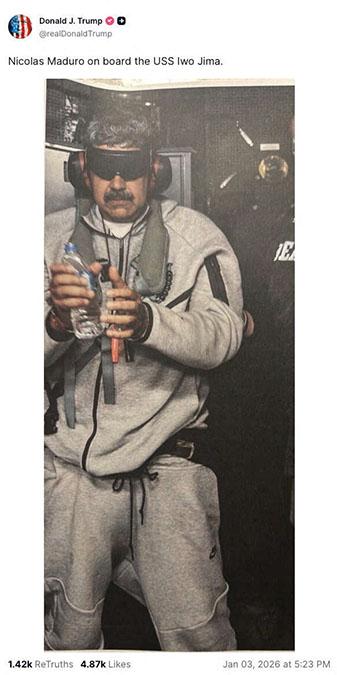
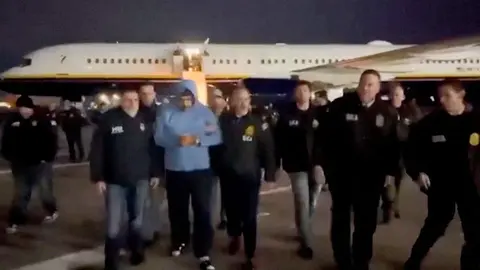
He and his wife Cilia Flores surrendered without further confrontation. The operators quickly neutralised the residual resistance, securing the perimeter and proceeding with the arrest. Maduro and Flores were handcuffed, blindfolded and fitted with protective headphones for the flight. Maduro appeared in subsequent images in a grey sweatshirt, walking under the guard of DEA agents.
The exfiltration was immediate: helicopters lifted them to the USS Iwo Jima, about 100 miles off the coast. From there, they were transferred via Guantanamo Bay to an FBI plane, landing at Stewart Air National Guard Base north of New York, and finally by helicopter to the Metropolitan Detention Centre in Brooklyn.
Six American operators were wounded but in stable condition. On the Venezuelan side, preliminary figures indicate at least 80 deaths, including military personnel, civilians, and the aforementioned Cuban advisers.
The entire operation avoided prolonged engagements, withdrawing completely before dawn without leaving any ground troops behind.

Glossary of terms: reading this is necessary to understand the tactical execution.
- *JP 3-05* — Joint doctrine for special operations that regulates missions such as high-value target captures and precision raids. It is executed by small, specialised teams that plan meticulously, infiltrate stealthily, neutralise specific threats using advanced technology (drones, night vision goggles, precision weapons) and withdraw quickly to avoid prolonged engagements.
- *FM 3-0* — U.S. Army manual for general operations. It establishes the sequence of battlefield preparation (intelligence and analysis), enemy suppression (attacks to weaken defences), and application of minimum necessary force, coordinating units for efficient manoeuvres adaptable to different terrains with reduced risks.
- *JP 3-0* — Joint operations doctrine that integrates air, naval, and ground forces. It is executed through unified commands that synchronise resources: for example, aircraft carriers launch air support while ground teams secure objectives, culminating in an orderly completion of the mission to maintain superiority without dispersing forces.
- *MOUT* — Military operations in urban terrain. These are executed by dividing the city into sectors, advancing cautiously street by street or building by building, using structural cover, coordinated fire support and constant communication to neutralise hidden threats and minimise collateral damage in densely populated environments.
- *MCWP 3-35.3* — Marine Corps Manual for combat in urban areas. It includes prior reconnaissance, coordinated assaults with explosive or manual breaches, use of weapons for short distances and adaptation to narrow streets and heights, with an emphasis on evacuation of the wounded and subsequent control of the area.
- *MOOTW* — Military operations other than war (counterterrorism, rescue, or limited stabilisation). These are carried out with strict rules of engagement, forces deployed only for specific tasks, and civil-military coordination, seeking to resolve the mission without transitioning to conventional conflict or prolonged occupation.
- *JP 3-07* — Doctrine for stability operations. Although geared toward post-conflict phases, it is applied in limited missions through initial assessment, security of key infrastructure, and support for political transitions, combining military presence with humanitarian actions and training of local forces.
- *FM 100-5* — Historical Army doctrine (Cold War era) that influenced current approaches. It prioritised rapid manoeuvres, concentration of forces on weak points and use of technology to outmanoeuvre and outgun the enemy, encouraging tactical initiative at all levels of command.
** To make the analysis more understandable, I have enlisted the support of Michael H., a good friend in the US military with experience in combined Special Forces and Intelligence operations.