
From ceasefire to peace agreement

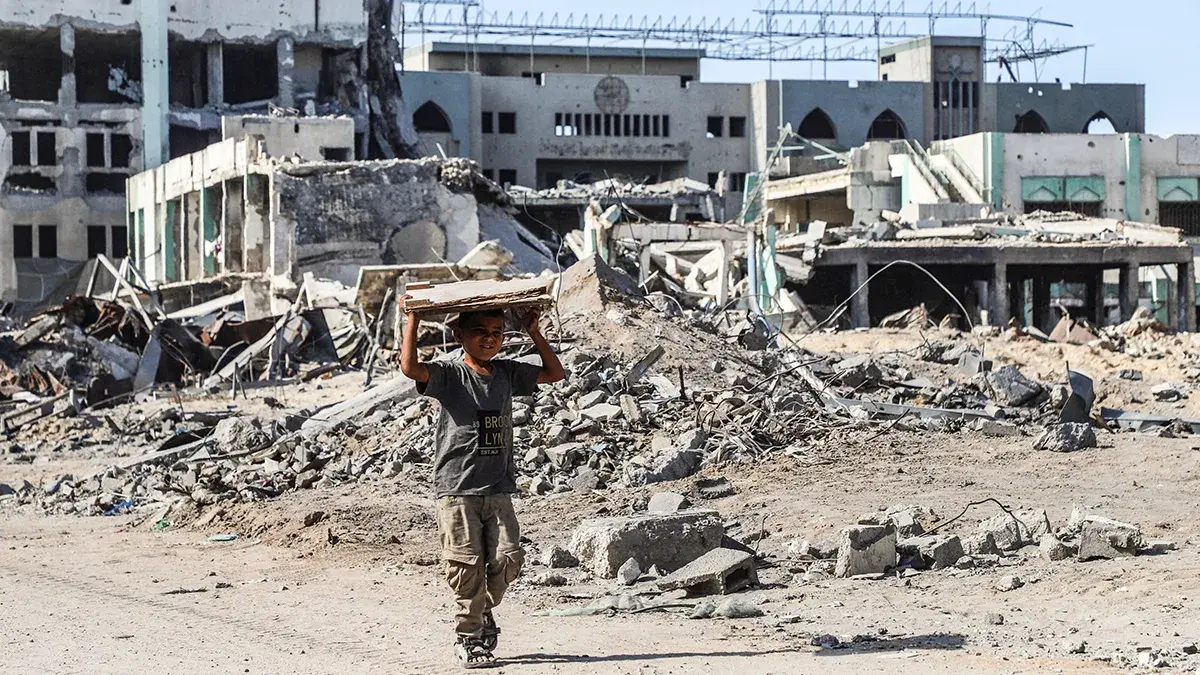
The collective memory will never forget the hundreds of young Jewish civilians brutally murdered by the murderous madness of the members of Hamas. Nor will it forget the thousands of Palestinian civilians, women and children, newborns and the dead, terrorised by the bombs of the Israeli Army.
No ceasefire can become an agreement until the leaders and governments involved accept the reality that peace cannot be achieved either through a progressive cardboard parade or by a bulldozer clearing away the rubble and the dead to build a new strip of land without soul or will.
Slomo Ben Ami, Israel's first ambassador to Spain after the establishment of diplomatic relations between the two countries during the socialist government of Felipe González, gave a lecture on the Oslo process at the European University a few years later. He explained from his experience that ‘to reach a peace agreement, two things are necessary: the right conditions must be in place and the leaders must be found to achieve it’.
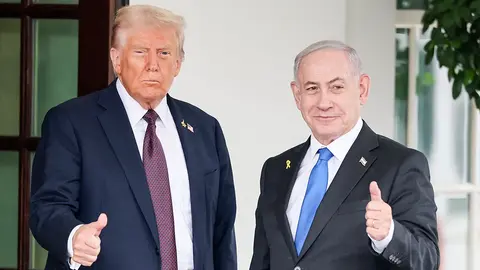
Donald Trump has successfully achieved the first condition, the ceasefire. But the second condition, which involves developing the plan proposed by the White House and accepted by the terrorist group Hamas, will have to eliminate the last outbreaks of violence and overcome public pressure and the proliferation of anti-Israeli riots in order to address the urgency of humanitarian aid and stabilisation.
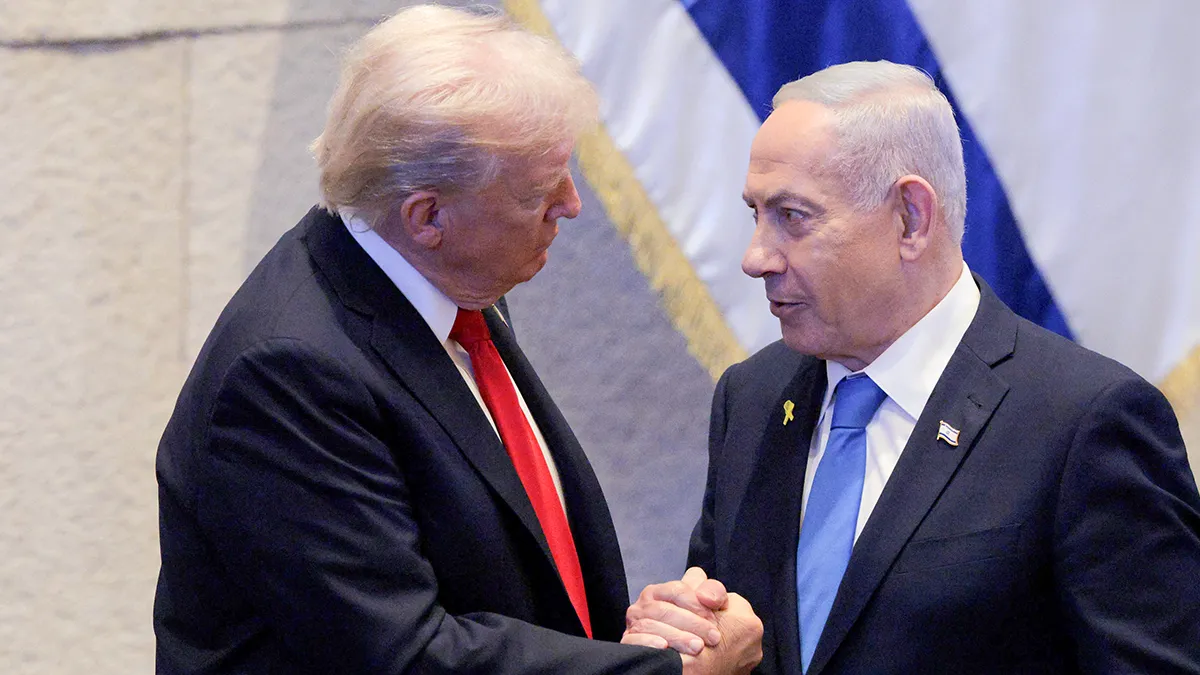
The next step will be to build an agreement for the recognition of a Palestinian state capable of coexisting with Israel. Those responsible for the ceasefire must be aware that they will probably not be responsible for reaching a lasting peace agreement. Although the study of history is not able to confirm this hypothesis, the observation of history in the Middle East is able to confirm it relentlessly.
Henry Kissinger mediated between Labour Prime Minister Golda Meir and Egyptian President Anwar Sadat to achieve a ceasefire after Yom Kippur. But it was the conservative leader of the Likud, Menachem Begin, who signed the Camp David peace accords in 1979, under the auspices of Jimmy Carter.
The ceasefire, which became entrenched along an 80-kilometre line from which War Minister Dayan did not want to withdraw, led to an agreement for the complete withdrawal from the Sinai Peninsula and 40 years of peace between the two countries. It also led to the assassination of one of the signatories, President Sadat, at the hands of fundamentalists.
Ronald Reagan facilitated the withdrawal of the Israeli army from Lebanon in 1985. This was seized upon by the leader of the PLO, Yasser Arafat, to demand a Palestinian state and become the interlocutor in the Oslo process.
The 1991 Madrid Conference, promoted by the United States and the USSR in the post-Cold War era and organised by the Spanish Socialist Government, was attended by most regional leaders and was the framework chosen to launch the Oslo Accords, which would lead to the creation of the Palestinian National Authority.
They were signed by Arafat himself and Labour Party-affiliated General Isaac Rabin in 1993, with Bill Clinton acting as master of ceremonies. Shortly afterwards, Rabin, a symbol of peace who has never ceased to exist in our collective memory, was shot dead by a Jewish extremist whom history has not remembered.
Years later, Shlomo Ben-Ami reflected on those conditions and on the people. He considered that, although the conditions had been met, perhaps the people were not the right ones. Arafat, because of his terrorist past and the political sectarianism he had practised since then. Isaac Rabin, because of his infinite kindness and the villainy of his death, which was unjust, unjustifiable and never forgotten.
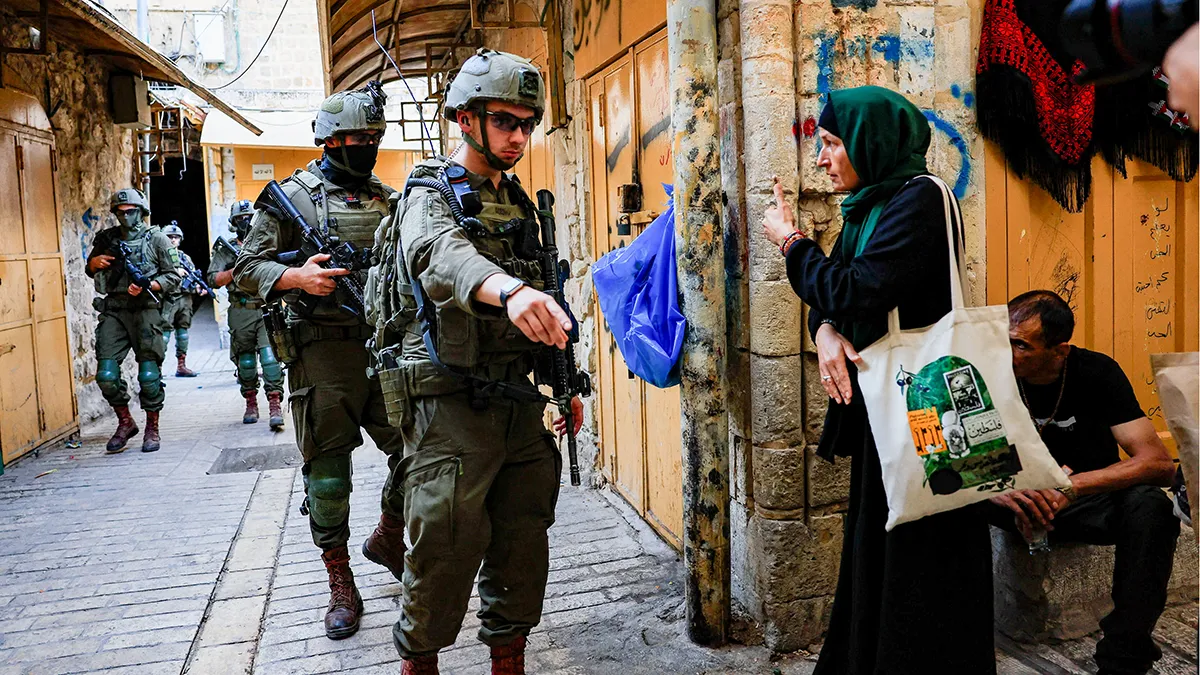
The future Palestinian state will need territory in Gaza and the West Bank. There must be no divisions among Palestinian minorities, no unilateral Jewish settlements, and no polarised democracy in Israel. There must be a firm commitment to build peace based on respect for existence, coexistence and survival. These must be the preconditions for an agreement.
Setting this process in motion is the task of the US administration and the other actors involved. But the road will be long and Trump, despite his success, will probably not sponsor peace. Netanyahu will not be the protagonist or hero of the process. And Hamas will never again be a negotiating partner. Never, ever will it be anything.