Morocco and the dragon that came by sea

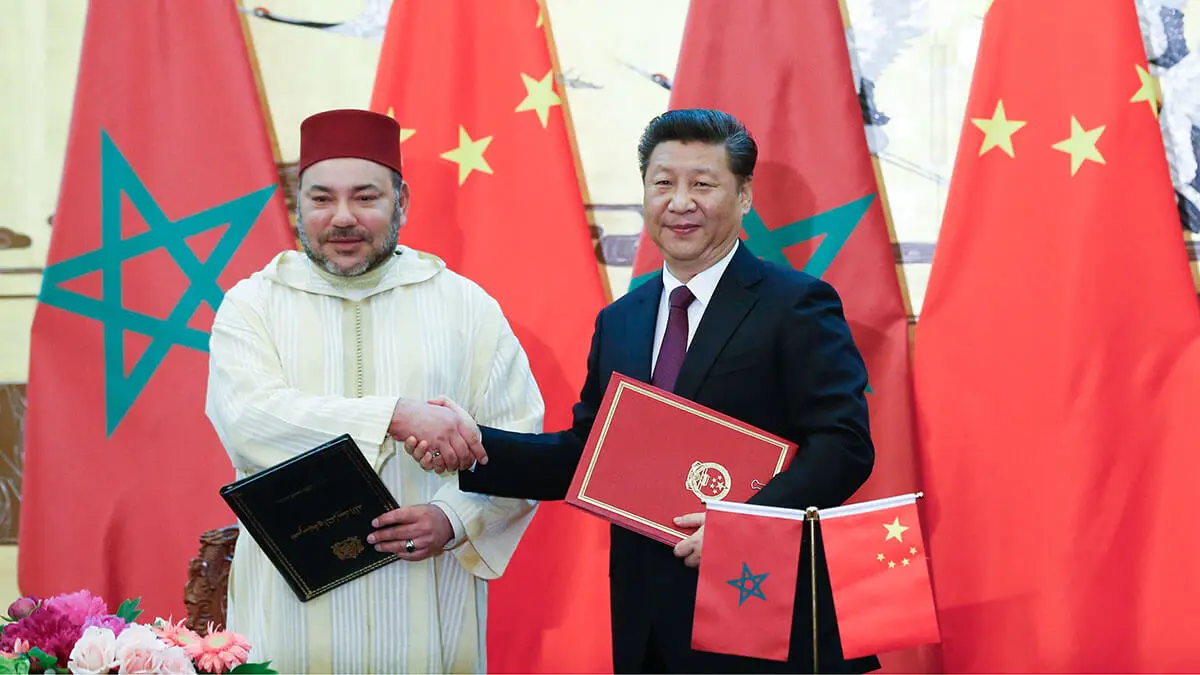
In recent years, Morocco has stopped looking to Europe as its only horizon. And while some European countries were drawing up their strategies with a short-range compass, other players have been deploying more ambitious maps. China, without fanfare, has landed on the African Atlantic coast with a plan as meticulous as it is silent. Morocco has responded by opening the door politely, but also with a list of conditions under its arm.
This is not an improvised alliance. The figures cannot be understood without context. The Alawite Kingdom is already the world's second largest destination for Chinese investments in sustainability, behind only Brazil. These are moves that do not make the headlines: industrial parks built in the north, logistics redirected to the port of Nador West Med, agreements in free zones with photovoltaic projects of hundreds of megawatts...
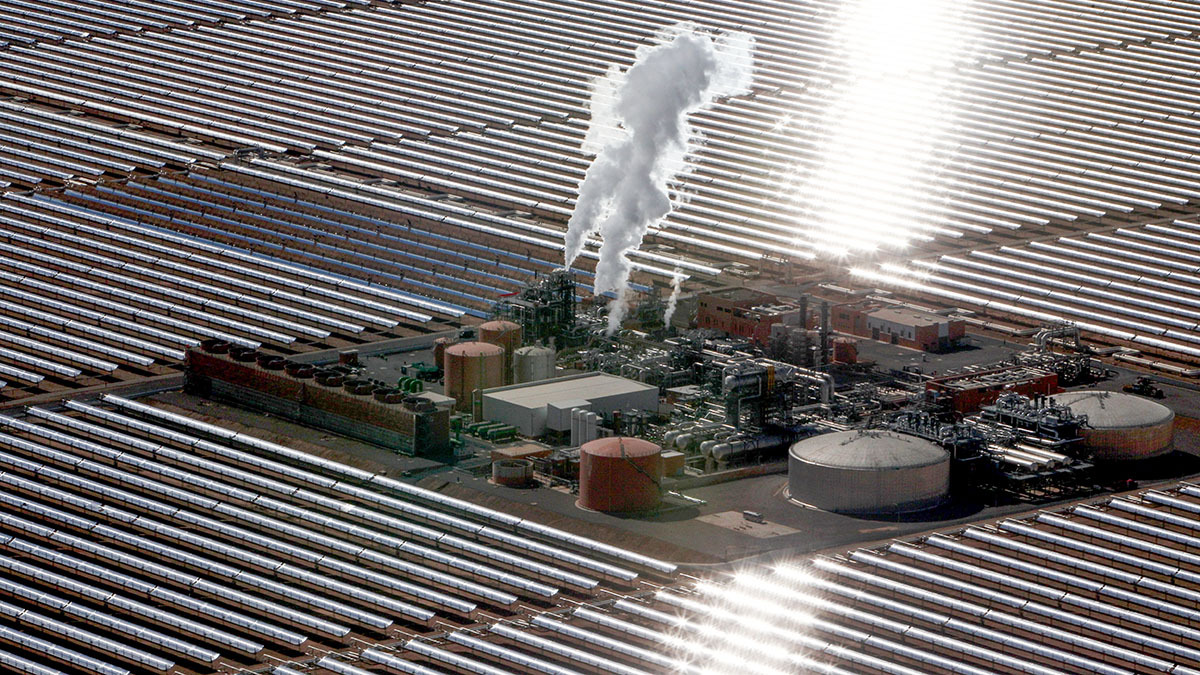
Morocco is not playing for the short term. It wants industries that will stay, train, export, and do so under international standards. Chinese capital, more patient than others, has seen this as an opportunity rather than an obstacle. And it has brought with it more than just money: strategy, continuity, and twenty-year planning.
But not everything is certain in this new dance. Morocco has gained autonomy, yes, but it has also increased its exposure. Greater weight on the geopolitical chessboard implies risks that are not dissolved by bilateral agreements. The trade war between Washington and Beijing could have collateral consequences on this side of the Strait. And dependence on certain capital flows is always a double-edged sword, especially if the supplier does not share the language — or the model — of the buyer.

On the opportunity side, the balance is eloquent. Industrial sectors linked to green hydrogen, transport electrification and renewable energies find a favourable environment in Morocco: competitive costs, a young and technical workforce, and a logistical position that many would envy. For European companies, cooperation with Chinese players on Moroccan territory can be a platform for testing alliances that would be unthinkable on European soil.
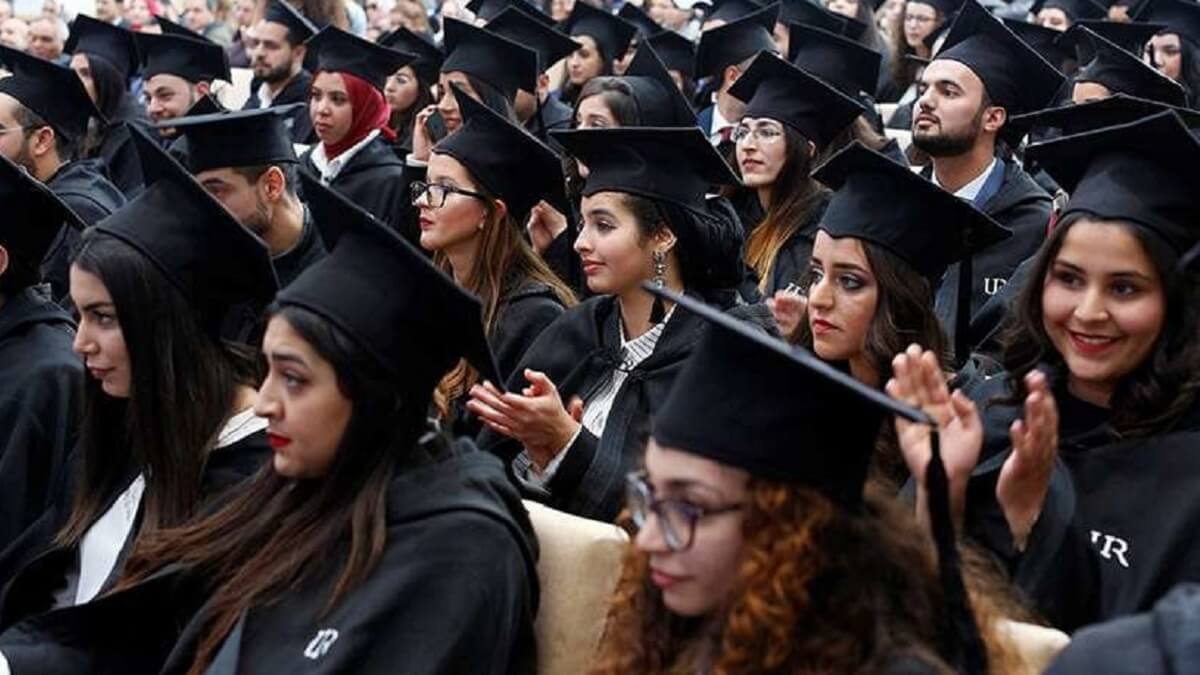
Those who have been walking these lands for years are not surprised by the shift. What were once intuitions are now certainties. Investments do not come alone: they bring with them a new way of doing things. Morocco, as a demanding host, selects its guests. And those who accept the challenge know that there is no manual. Here, one does not come to repeat formulas, but to write new chapters.
And in those chapters, more than just the future of an industry is at stake: Africa's role on the global stage is at stake. And it is not waiting for permission to do so.