
The trio of nuclear ballistic missiles that China has unveiled to the world

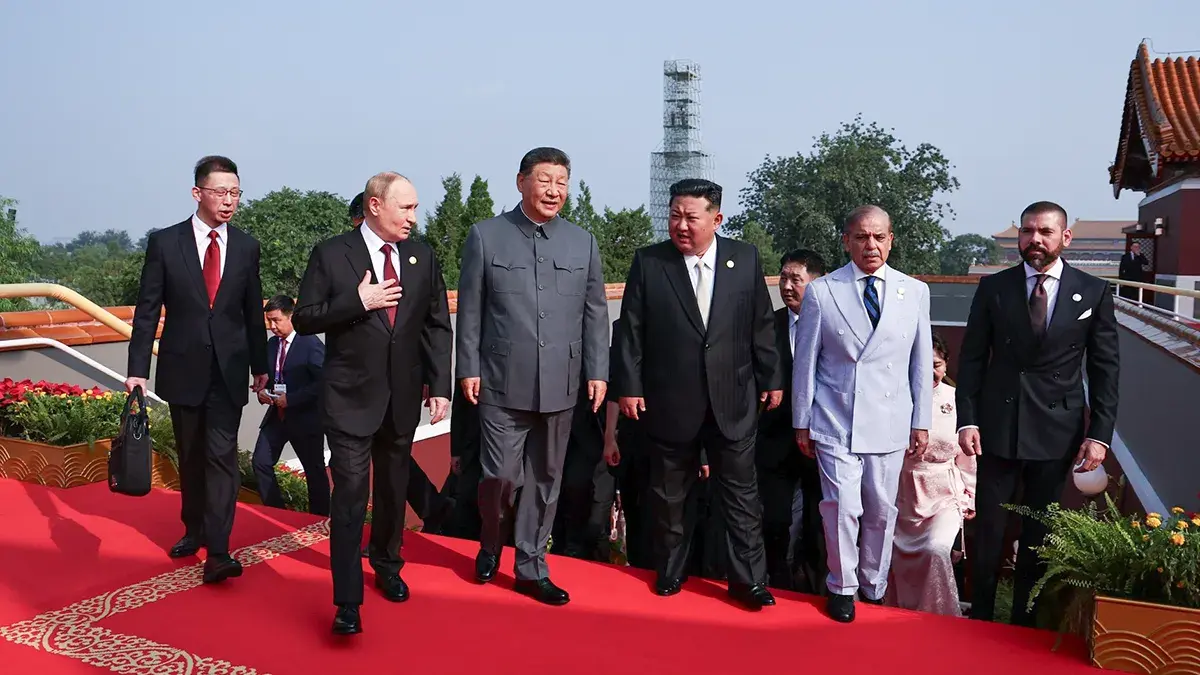
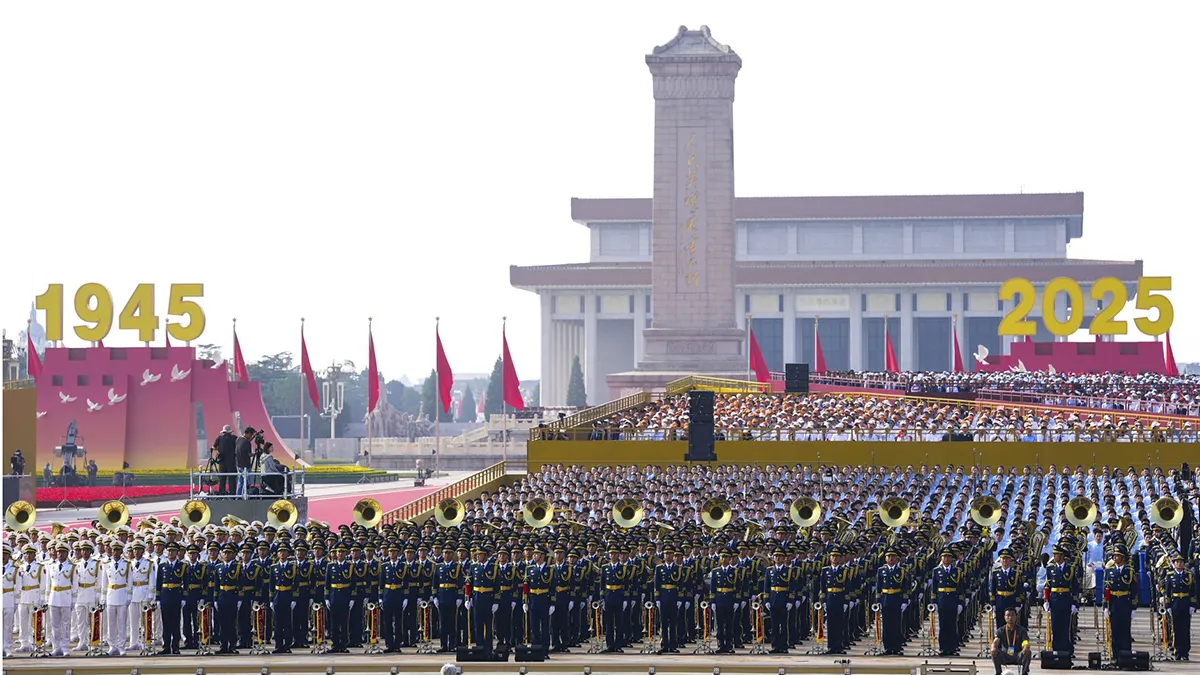
The impressive military parade was part of the events organised by the Chinese government to commemorate the 80th anniversary of the Chinese People's War of Resistance Against Japanese Aggression and the World Anti-Fascist War, and was also the culmination of the summit held in the Chinese city of Tianjin by the leaders of the member countries of the Shanghai Cooperation Organisation, one of the most influential geopolitical forums in Eurasia.
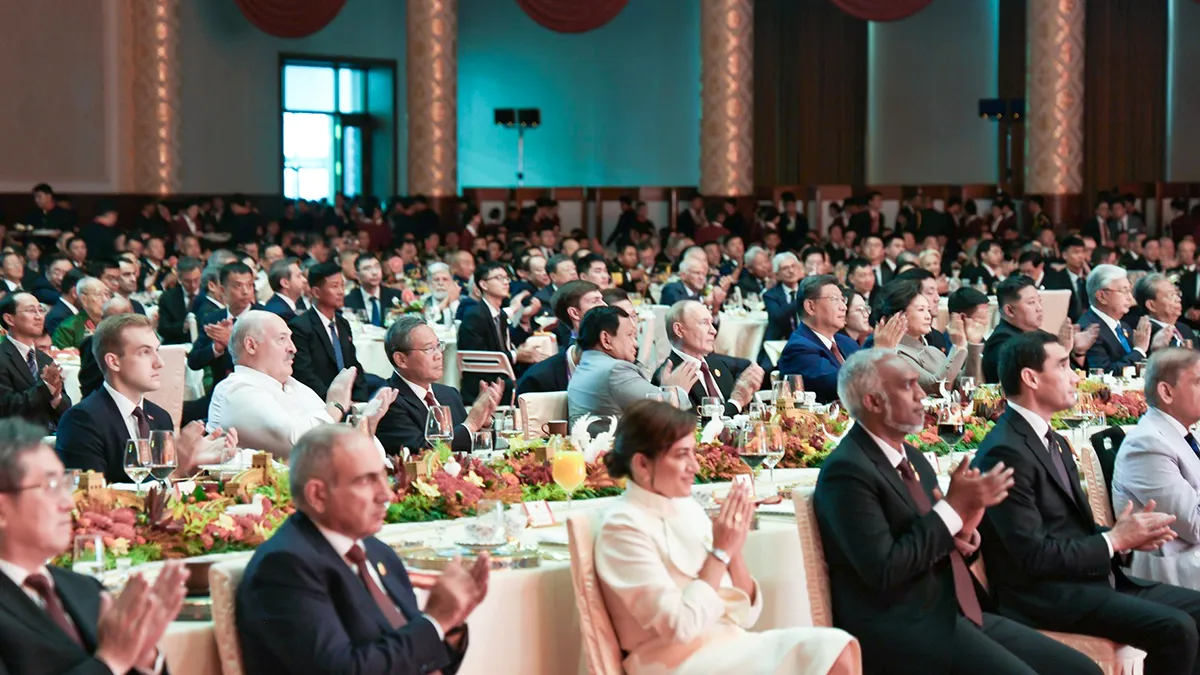
With both official excuses, President Xi Jinping was able to seat 26 heads of state or government from allied, friendly or communist nations in the guest gallery. Most of them were leaders of Asian nations, but there were also leaders from Africa (Congo and Zimbabwe), Europe (Belarus, Slovakia, Russia and Serbia), along with a single top representative from the Americas, Cuban President Miguel Díaz-Canel.
With Russian President Vladimir Putin seated to Xi Jinping's right and North Korean leader Kim Jong-un to his left, the Chinese leader unveiled the most powerful strategic force at his disposal. These are the latest developments in intercontinental ballistic missiles, or ICBMs, which constitute the nuclear triad with which the great Asian nation has sought to demonstrate that it has sufficient instruments of deterrence, attack, response and, if necessary, retaliation.
These are systems armed with nuclear warheads to be fired from land, but designed to be launched from the sea or from the air. According to the Chinese state television CCTV commentator covering the live broadcast of the parade, they all constitute ‘the strategic asset to safeguard sovereignty and defend national dignity’. In the words of Xi Jinping, ‘humanity is once again facing the dilemma of peace or war, and ’now, our country has reached a stage where we must assume greater responsibilities".
Wind and thunder turned into nuclear weapons
American intelligence agents present at the parade, analysts who watched it on television and others who relied on data and images from US spy satellites positioned over Beijing have examined and analysed every single frame of the systems on display in minute detail, characterised them and concluded that China now has nine different models of ICBM.
Although we cannot rule out the possibility that there are fake weapons systems, which have been displayed to deceive, misinform and mislead specialists and experts from third countries, among the new ICBMs identified by analysts at the US Defence Intelligence Agency (DIA), the most surprising are the four labelled DF-61, an acronym for Dongfend-61, which in English means East Wind.
With an estimated range of about 12,000 kilometres, the DF-61s displayed on 3 September are virtually identical in appearance and dimensions to the DF-41s already shown in the 2019 parade, a system that remains in service with China's Strategic Missile Force. Such a striking resemblance raises the question of whether the model shown as DF-61 is in fact an electronically upgraded version of the DF-41, which until now was considered the most powerful and longest-range missile in Beijing's strategic arsenal.
A second new feature paraded for the first time in Tiananmen Square is an aircraft-launched nuclear missile, although it was mounted on a heavy transport vehicle. The label displayed is JL-1 or JingLei-1, which means ‘Sudden Thunder’ in English. Pentagon sources believe that this could be the system that NATO has already coded as CH-AS-X-13.
The JL-1 is a long-range missile to be fired from the Xi'an H-6N nuclear-capable bomber, deployed at Neixiang Air Base in Henan Province in the centre of the country. The twin-engine H-6N – a domestic version of the Soviet Tupolev Tu-16 – does not have intercontinental range, so it is equipped with a refuelling probe to allow it to be refuelled in flight by Y-20U four-engine tanker aircraft, as simulated in the air parade.
Nations in Asia and Oceania have taken note
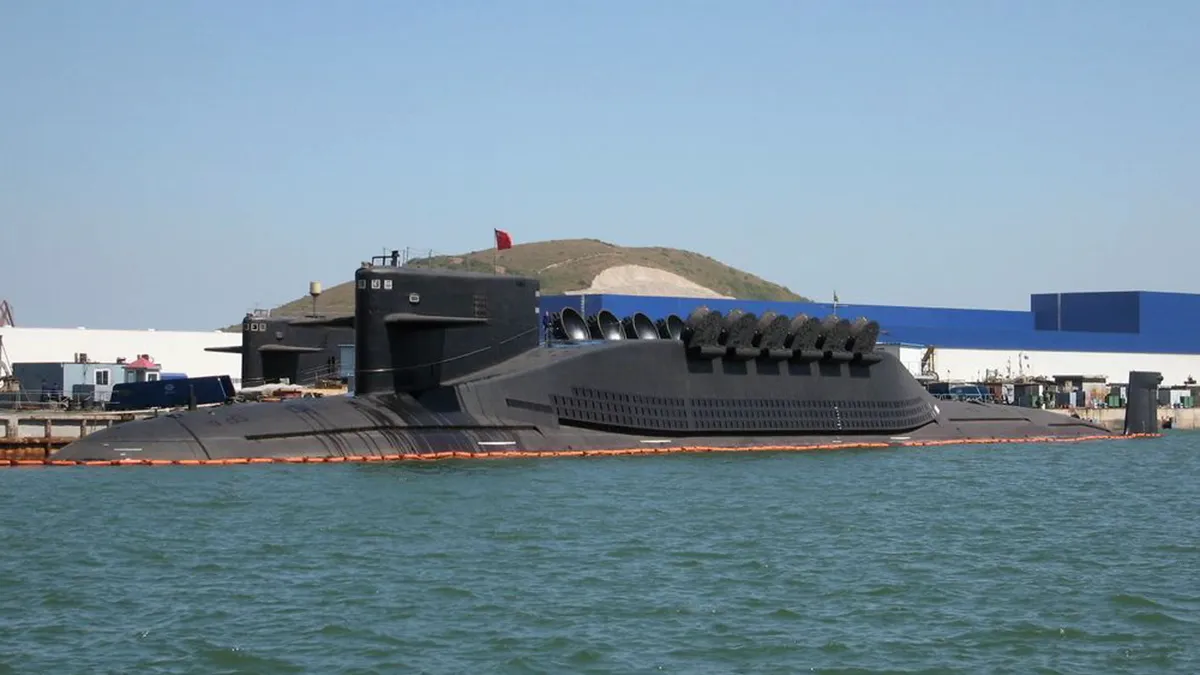
The Chinese Navy showed off its Julang-3 nuclear vector – which means “Massive Wave” in English – which was labelled JL-3 in the parade. According to the DIA, it is in the process of being installed in the new configurations of the Type 094 ballistic missile submarines, coded by NATO as the Jin class. Nuclear-powered, with a length of 135 metres and a submerged displacement of around 11,000 tonnes, its main base is on Hainan Island in the South China Sea.
The JL-3 ICBMs have a range that DIA analysts estimate to be around 10,000 kilometres, and their external appearance is similar to that of the JL-2 displayed in the 2019 parade, to the extent that there are no visible modifications. Specialists do not rule out that it is a version of the JL-2 with improved electronics, performance, targeting, tracking and flight control.
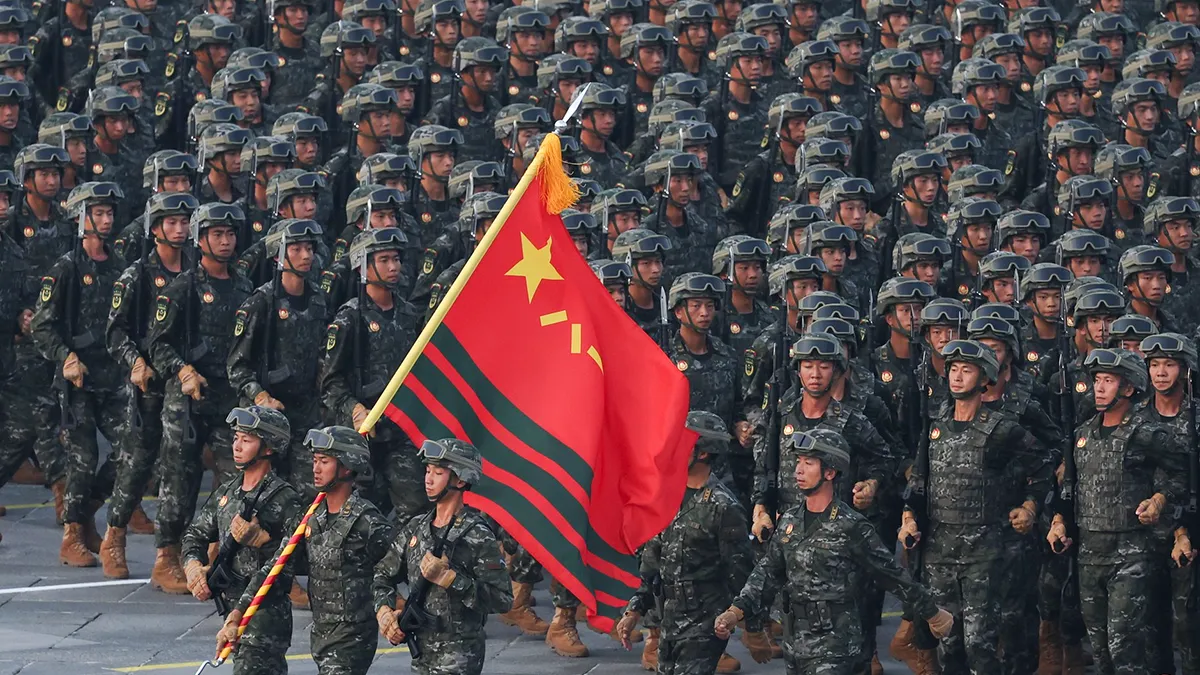
The grand Chang'an Avenue – in English, Eternal Peace Avenue – leading to the famous Tiananmen Square – Heavenly Peace Gate Square – was the venue chosen to stage the grand theatrical and choreographic performance that was the most technological and overwhelming military parade ever held in the Chinese capital. According to the Ministry of Defence spokesperson, more than 10,000 military personnel took part, most of them in battalion-sized formations, alongside combat vehicles, hypersonic and tactical missiles of all kinds, laser weapons, drones, anti-drones, cyber and electronic warfare systems and even tiny unmanned submarines.
The Chinese Communist Party's enormous official propaganda machine had been trumpeting the grand parade for four months before it took place. The ultimate intention was to capture the world's attention, especially that of the United States, which they have undoubtedly achieved. President Donald Trump's immediate reaction, whether coincidental or not, was to change the official name of his defence ministry from the Department of Defence (DoD) to the Department of War (DoW). A word to the wise...
However, according to US and NATO intelligence analysts, most of China's nuclear ballistic systems follow the pattern of being evolutionary, i.e., they are improvements on others already in service. At first glance, what was seen on 3 September does not alter the geostrategic and military balance in Asia and Oceania, although the political authorities in Canberra, Manila, New Delhi, Seoul, Singapore, Taipei, Tokyo, Washington and Jakarta have taken good note of everything, both nuclear and conventional, that has been seen in Beijing.