
77 years: human rights as seen from Nador

This beautiful coastal city in the north of the Kingdom of Morocco, bathed by the blue waters of the Mediterranean Sea, is where I recently travelled to participate in the International Colloquium ‘The Need for Peace: Towards Universal Transitional Justice’, because in our America we sometimes believe that the human rights we value and defend only exist in the West, and that is a misperception unfortunately rooted in our historical formation, which is determined by the important culture that came to us from Europe, without realising that much of what the Spanish brought actually had its remote origins in the Berber populations and, over time, in the Arabs who spread throughout North Africa after the appearance of Muhammad, the greatest prophet of Islam.
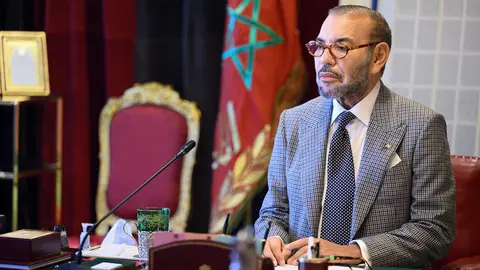
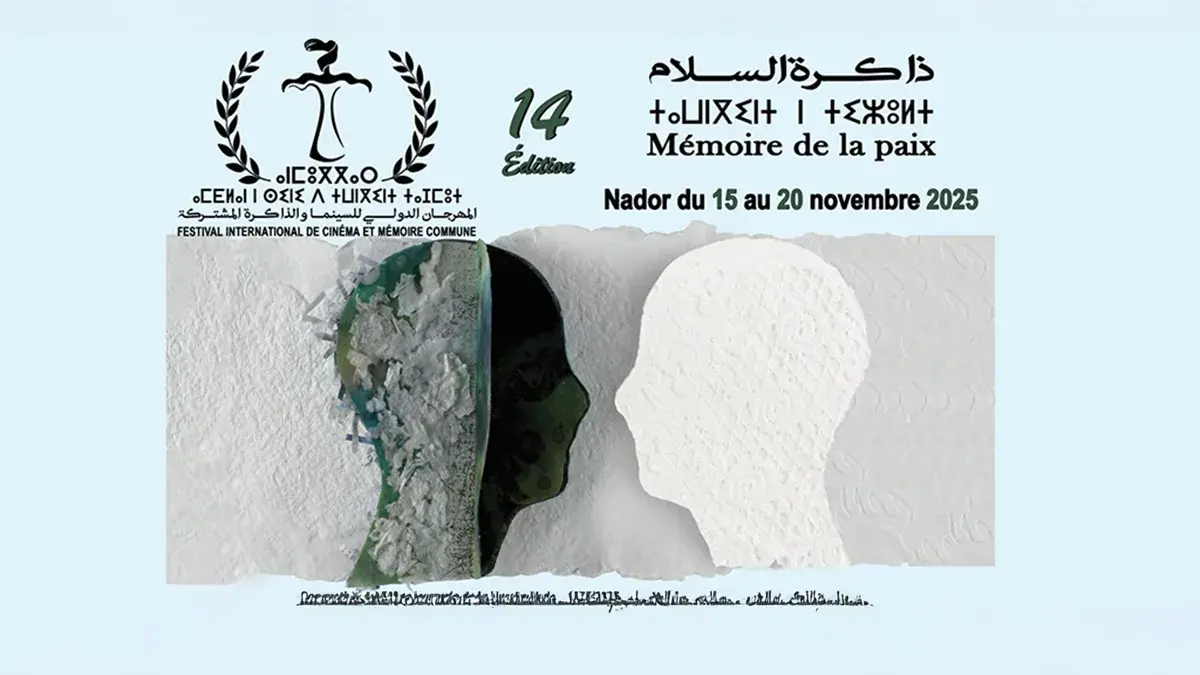
The academic discussions on human rights and transitional justice that took place in the Rif region were held within the framework of the 14th edition of the colourful but also sober ‘Nador International Film and Common Memory Festival’, with contributions from Europeans, Asians, Americans and, of course, Africans, with an emphasis on transitional justice, a topic of great interest in the ongoing discourse of King Mohammed VI, who had previously said: ‘Thanks to the decision to implement transitional justice, the public space has been opened up to social debate on the various reforms and fundamental issues of interest to national public opinion.’

His Majesty revealed the importance of the Equity and Reconciliation Commission (IER), an organisation he has referred to as ‘an essential pillar of democratic construction and transition that has contributed, in particular, to the consolidation of the rule of law and institutions and the protection of freedoms in Morocco’, demonstrating his exemplary and authentic profile as a statesman.
On the contrary, as I said in my presentation in Nador, entitled ‘Submitting peace to the legal framework and stripping it of its ideological dimension as a guarantee of effective transitional justice: the Latin American experience’, the truth is that in our part of the world, and specifically in Peru, for more than two decades, we have not been looking at human rights without ideologies or as state policy, and that constitutes an unforgivable setback.
The academic event in Nador was also a space and an example for paying tribute, through the magic of cinema, to human rights, democracy and peace in Morocco, above all. In fact, I have noticed the Alawite kingdom's enormous interest in emphasising the equation: human rights equals democracy, a consistency that can be seen in one of the Arab countries that exhibits one of the most tolerant manifestations of Islam and where I have perceived the full exercise of human rights, confirming this by participating in a festive family event, without prejudice or constraints, mistakenly believed in the West, and with great joy, respect and consideration, as it should be in any corner of the world.
Miguel Ángel Rodríguez Mackay, former Foreign Minister of Peru and internationalist
Article published in the Diario Expreso newspaper in Peru.