
Western Sahara: what does UN Security Council Resolution 2797(2025) establish?

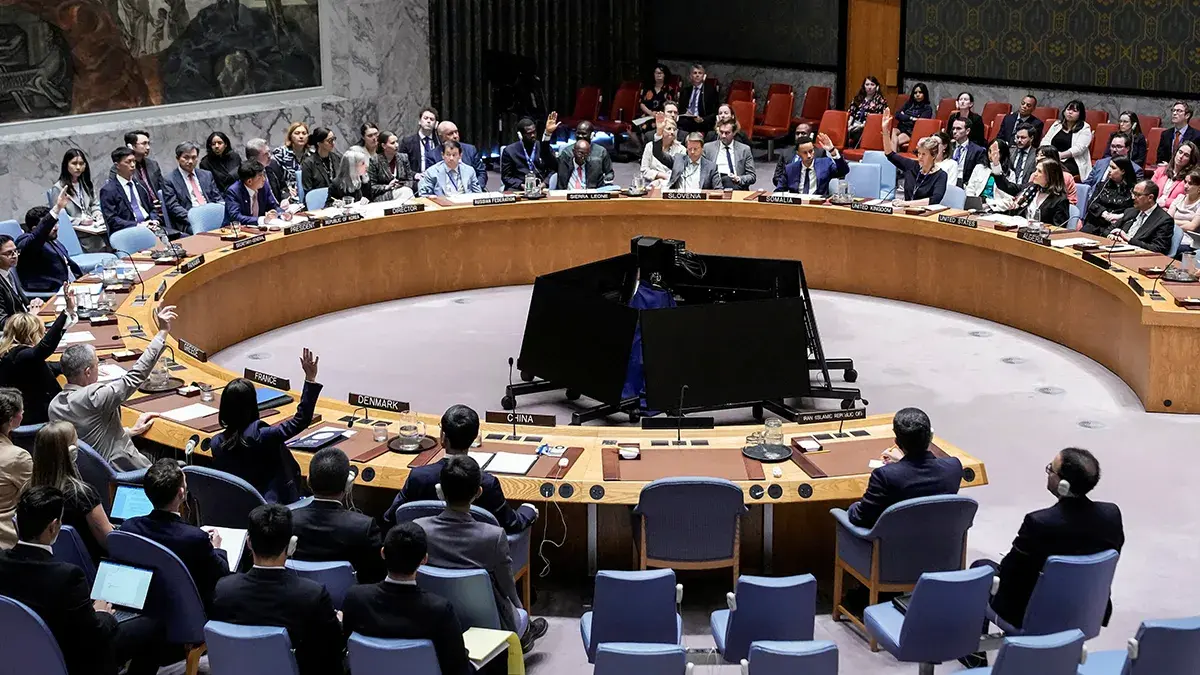
This resolution marks a turning point, after half a century of a problem that should never have arisen, had good faith and common sense prevailed in the unblemished respect for history and international law, which enshrined the sovereignty of the Kingdom of Morocco over its southernmost territory, namely the Sahara, which, with the appropriate ownership, we should correctly call the Moroccan Sahara.
Unfortunately, this did not happen in the last 50 years due to Algeria's deliberately conspiratorial attitude in its feverish desire to gain access to the Atlantic Ocean at any cost and take possession of the rich phosphate deposits found in the immense Moroccan desert, using the Polisario Front at will for this purpose, and inventing the self-proclaimed ‘Sahrawi Arab Democratic Republic’ (SADR), an artificial entity never recognised by the United Nations or international law.
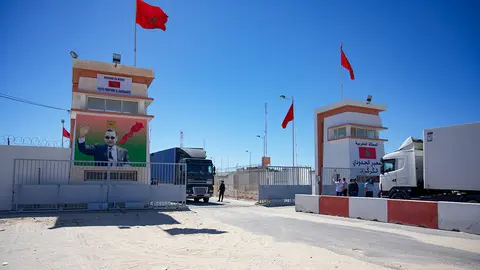
Resolution 2797, in its form and substance, buries the instability that Algeria and the Polisario wanted to impose and, instead, addresses the issue clearly and unequivocally by establishing that the basis for the negotiations that must begin soon is, predominantly and above all else, the autonomy plan for the Sahara presented by King Mohammed VI to the United Nations in 2007.

This plan, says the resolution I am commenting on, can only make sense within the framework of Morocco's sovereignty, thus being delimited and determined in that legal and geopolitical context, in such a way that everything that follows must be addressed in that channel as the only relevant one that counts for the river to reach the sea.
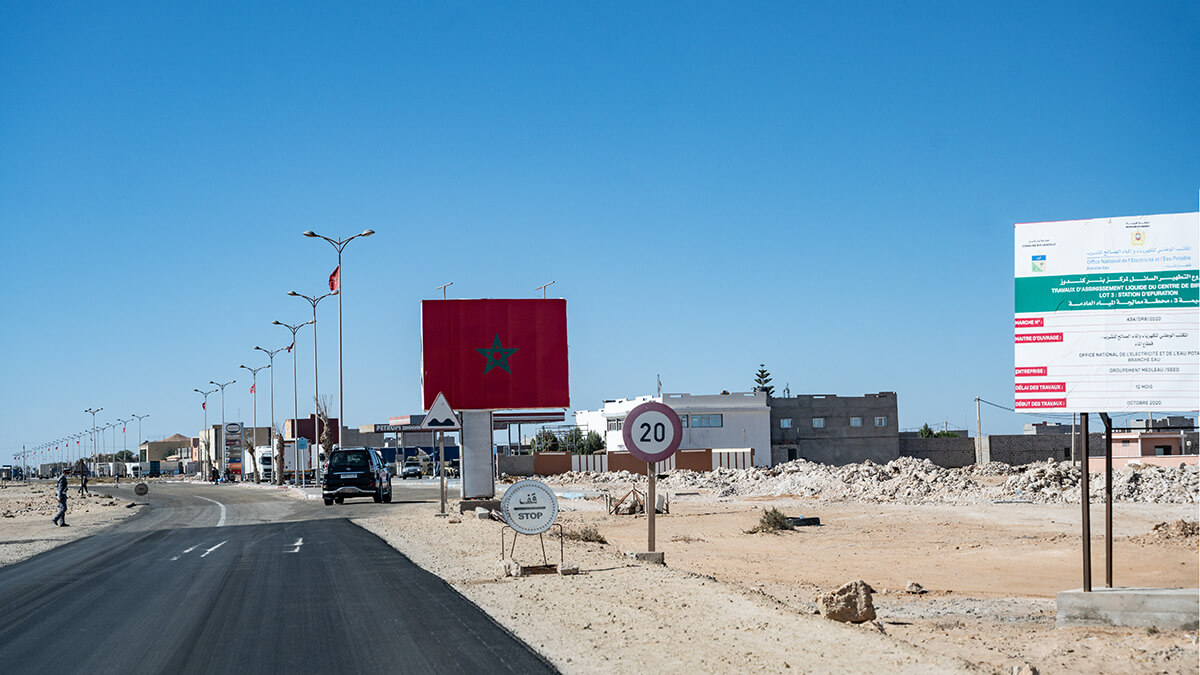
The tone of the resolution is direct in pointing out to the parties involved, namely Morocco itself, the Polisario, Algeria and Mauritania, which voluntarily and unilaterally decided to disengage from the issue in 1979, so that none of them can shirk their responsibility and active role in resolving the problem. This is, in effect, a direct message to Algeria and the Polisario Front, which have been evading the issue all along, refusing to face a reality that was always going to expose and condemn them, censuring them all the time.

The setting in which the negotiations are to take place – I will address this in another column – for a maximum period of one year and with the support of the so-called MINURSO, is the UN itself, and I think this is extremely appropriate and correct. Indeed, since the war of 1939, the UN has been the political forum par excellence for sealing peace and tranquillity in various parts of the globe, and that is why it will also be so, as enshrined in Resolution 2797, for the Sahara and, of course, for the entire Maghreb region.
Miguel Ángel Rodríguez Mackay, former Foreign Minister of Peru and internationalist
Article published in the Peruvian newspaper Expreso