
Royal Diplomacy: Mohammed VI becomes a founding member of the ‘Peace Council’ at the official invitation of Trump

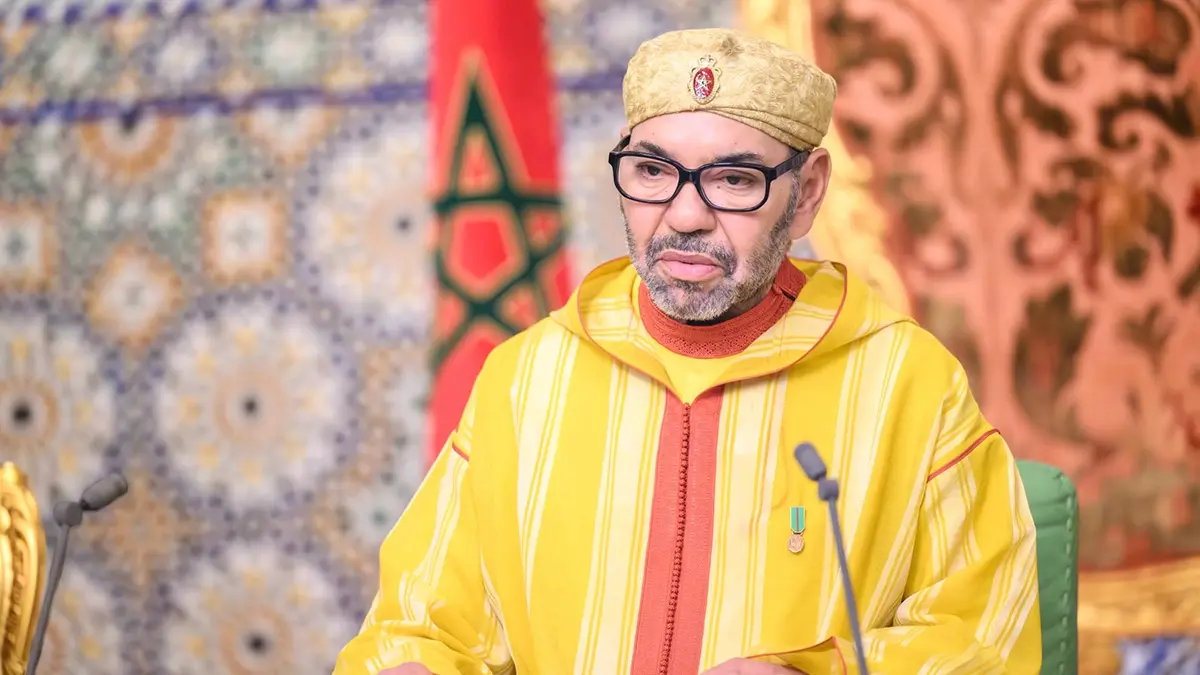
International recognition of King Mohammed VI's leadership at the heart of a new global architecture for peace
The global diplomatic scene is undergoing a major shift on Monday, 19 January 2026. Mohammed VI has officially accepted the invitation from the President of the United States, Donald Trump, to become a founding member of the ‘Peace Council’. This decision, announced by the Ministry of Foreign Affairs, African Cooperation and Moroccans Abroad, places the Kingdom at the forefront of a bold initiative aimed at redefining the mechanisms for resolving international crises, with an immediate focus on stability in the Middle East.
Far from being a mere formality, this direct call from the White House to the Sovereign constitutes an explicit recognition of royal leadership. By requesting the Moroccan monarch's participation, President Trump underscores the exceptional trust that Morocco enjoys in the international community. This distinction places the Kingdom in a very small circle of influential nations, alongside top-level leaders such as Vladimir Putin, Recep Tayyip Erdogan and Javier Milei, confirming Morocco's status as an indispensable link between world powers.
The ‘Peace Council’ is conceived as a new type of international organisation. Its ambition goes beyond traditional frameworks to favour a pragmatic approach to governance in conflict-ravaged areas. The objective is clear: to transform areas of tension into spaces of lasting stability through action on the ground and tangible results. For Rabat, this body represents an opportunity to provide a moderate and constructive voice, capable of influencing the major decisions that will shape tomorrow's security.

In the same vein, the Kingdom has expressed its enthusiastic support for the second phase of the comprehensive peace plan promoted by the US administration. This crucial stage provides, in particular, for the creation of a National Committee for the administration of Gaza, conceived as a transitional body aimed at restoring order and civil management. Morocco sees this structure as a concrete response to humanitarian and security emergencies, while paving the way for a lasting political solution.
The King's participation in this international forum is in line with his unwavering commitment as chairman of the Al-Quds Committee. Morocco firmly reiterates its position of principle: the establishment of a just and comprehensive peace. The Kingdom continues to advocate for the creation of an independent Palestinian state, based on the 1967 borders, with East Al-Quds as its capital, ensuring peaceful and secure coexistence with the State of Israel.
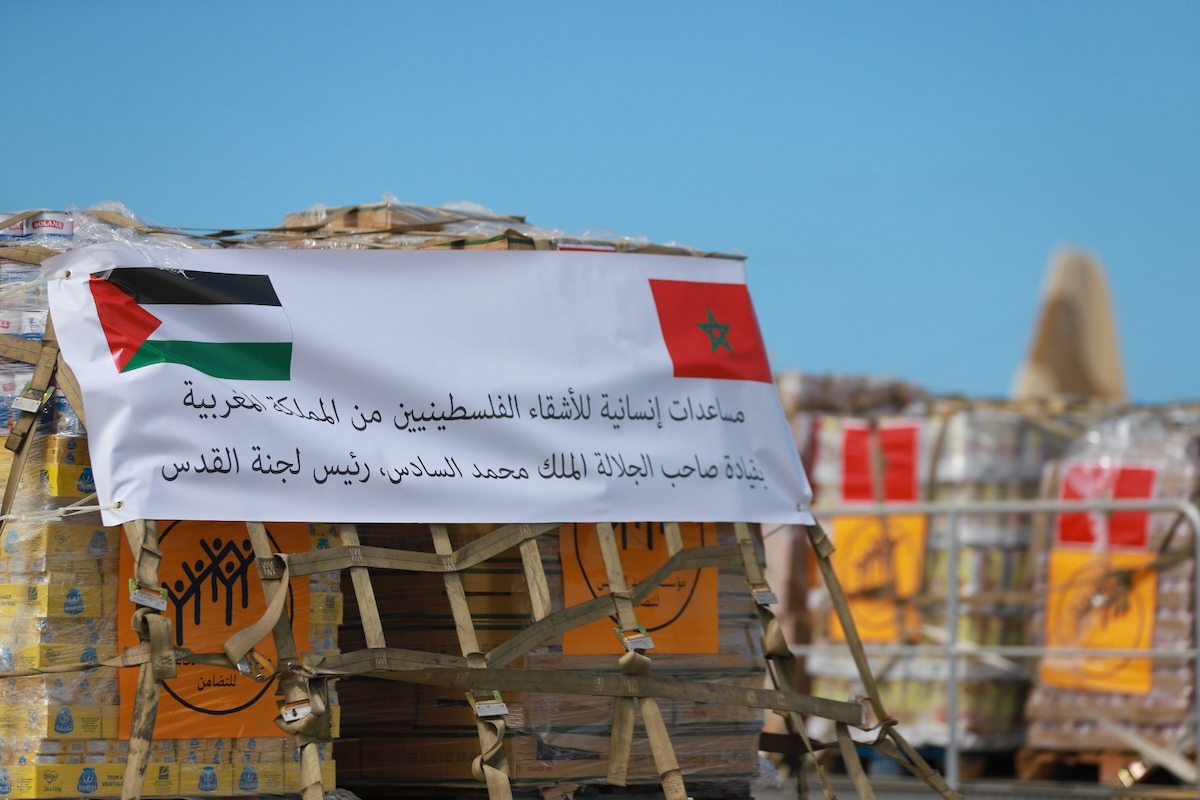
The architecture proposed by Washington, consisting of four separate bodies for the management of Gaza, is already attracting the interest of international observers. While some see it as the beginning of a reconfiguration of multilateral bodies, for Morocco it is above all a tool for diplomatic effectiveness. The involvement of figures from various backgrounds, from Egypt's Al Sisi to Canada's Mark Carney, demonstrates the desire to create a coalition for action capable of overcoming the historical blockages of traditional diplomacy.
By joining this council as a founding member, Mohammed VI establishes Morocco as a power of proposal and a trusted mediator. This strategic partnership with the United States illustrates a Moroccan vision of peace: a peace that is not solely decreed at summits, but is built through practical cooperation and respect for historical legitimacy. The Kingdom thus reaffirms itself, once again, as the compass of stability in a region undergoing profound transformation.