
The PP reignites the debate on Spain’s neutrality in the Sahara issue


On November 18, 2025, the PP succeeded in passing a non-legislative proposal calling on Spain to withdraw its support for Morocco’s autonomy plan for the Sahara. With this initiative, the party repudiates the diplomatic approach carefully rebuilt since 2022 and places itself at odds with the international consensus, which considers this plan the most serious and credible basis for a lasting solution.
This move is even more surprising given that even Algeria, the main supporter of the Polisario, did not vote against Security Council Resolution 2979, which endorsed this diplomatic framework. By hardening its stance toward Rabat, Alberto Núñez Feijóo is pursuing a confrontational diplomacy that ignores regional realities and risks jeopardizing bilateral relations.
This shift comes after several years of efforts to ease Spain-Morocco relations, strained during the 2021 crisis. The restored stability was based precisely on a shared understanding: to support a realistic solution within the UN framework, in order to prevent the Sahara issue from becoming a permanent source of instability.
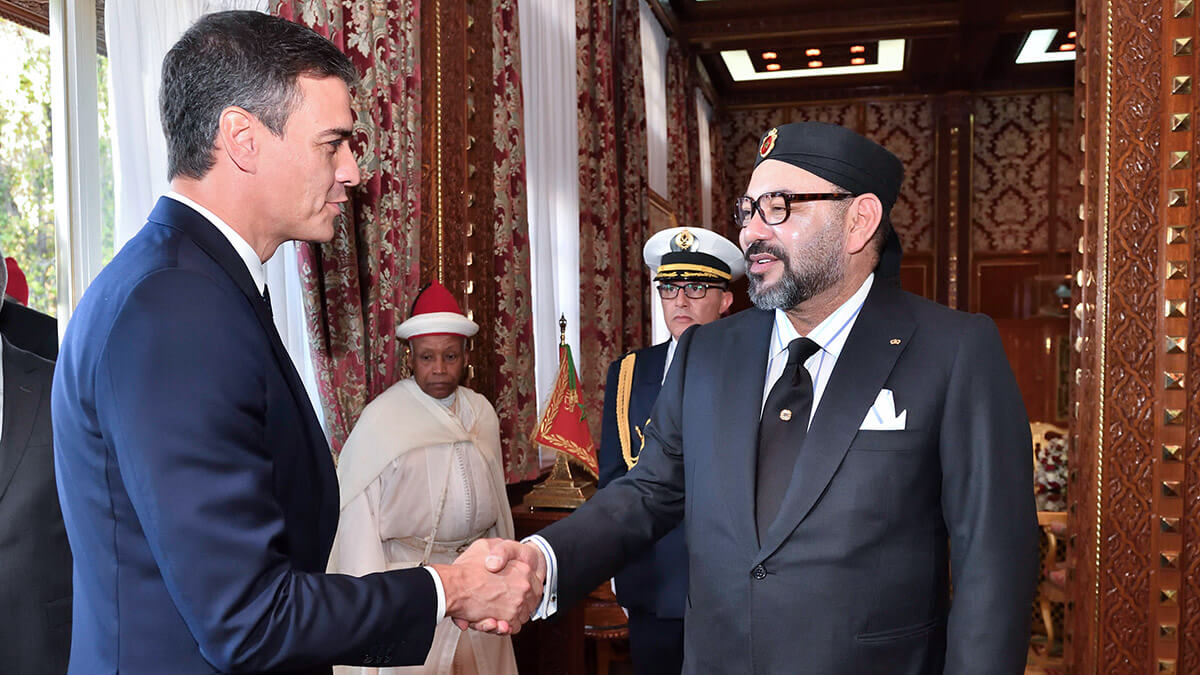
Instead of consolidating this dynamic, the PP appears ready to reopen tensions, risking the weakening of essential cooperation in security, counter-terrorism, combating illegal migration networks, drug trafficking, and cross-border crime. Rabat is not a temporary adversary to provoke; it is a strategic partner on which Spain heavily depends for its own security.
By straying from the international consensus, the PP also risks finding itself in direct opposition to Washington, a key player in the drafting of Resolution 2979 and a strong advocate of a solution based on Morocco’s autonomy plan. Challenging this framework would undermine a peace process that the international community has been attempting to complete for over half a century.
In the long term, Spain has nothing to gain by abandoning the realism advocated by the United Nations and applied by its own governments, whether socialist or conservative. Challenging Morocco’s autonomy plan would mean abandoning the only viable proposal in favor of a separatist movement with no democratic legitimacy or credible political project.
Spain would thus lose a strategic ally in numerous areas, while providing a diplomatic advantage to actors whose interest lies not in regional cooperation, but in perpetuating a conflict that undermines the stability of the entire Maghreb.