
Mauritania and international partners: the equation of security and stability

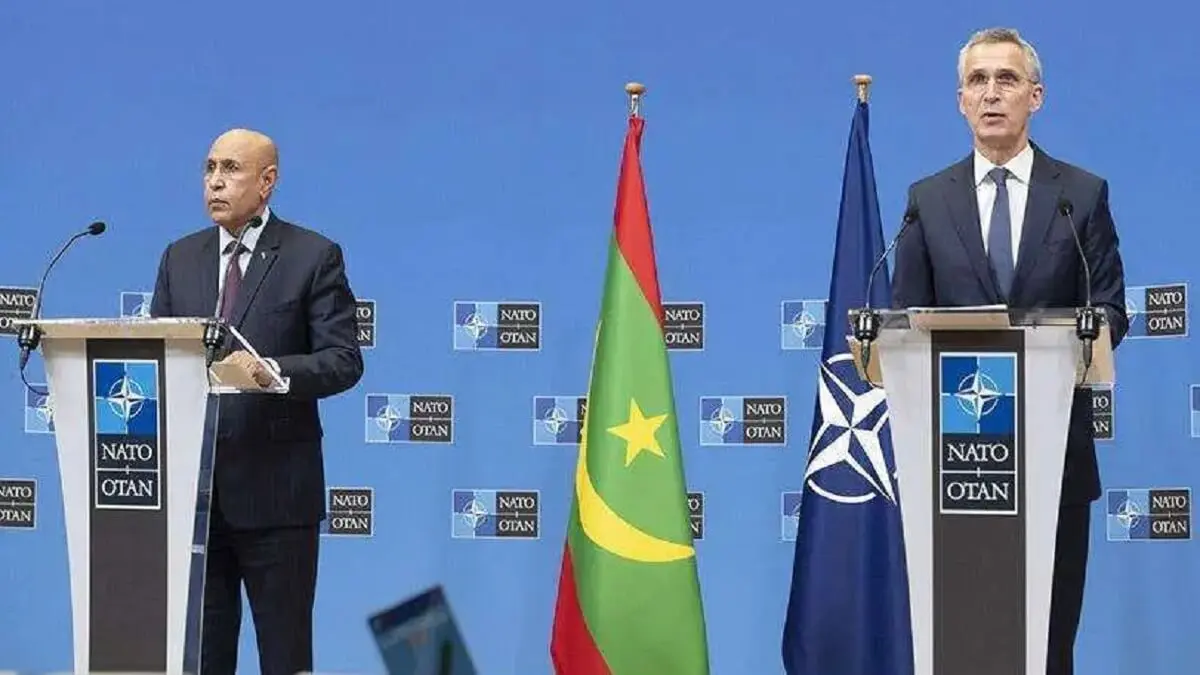
Following a series of coups and unrest in Mali, Burkina Faso, and Niger, the risks of terrorist groups expanding in West and Central Africa are increasing, and concerns are growing in Western circles that the region could descend into widespread chaos.
This context has led many European countries to knock on Mauritania's door in search of a security partnership to address common challenges, while some of these countries seek to relocate their forces and protect their interests in the area. Added to this are regional powers such as Morocco and Algeria, which are also seeking to strengthen their cooperation with Mauritania to ensure security and stability.
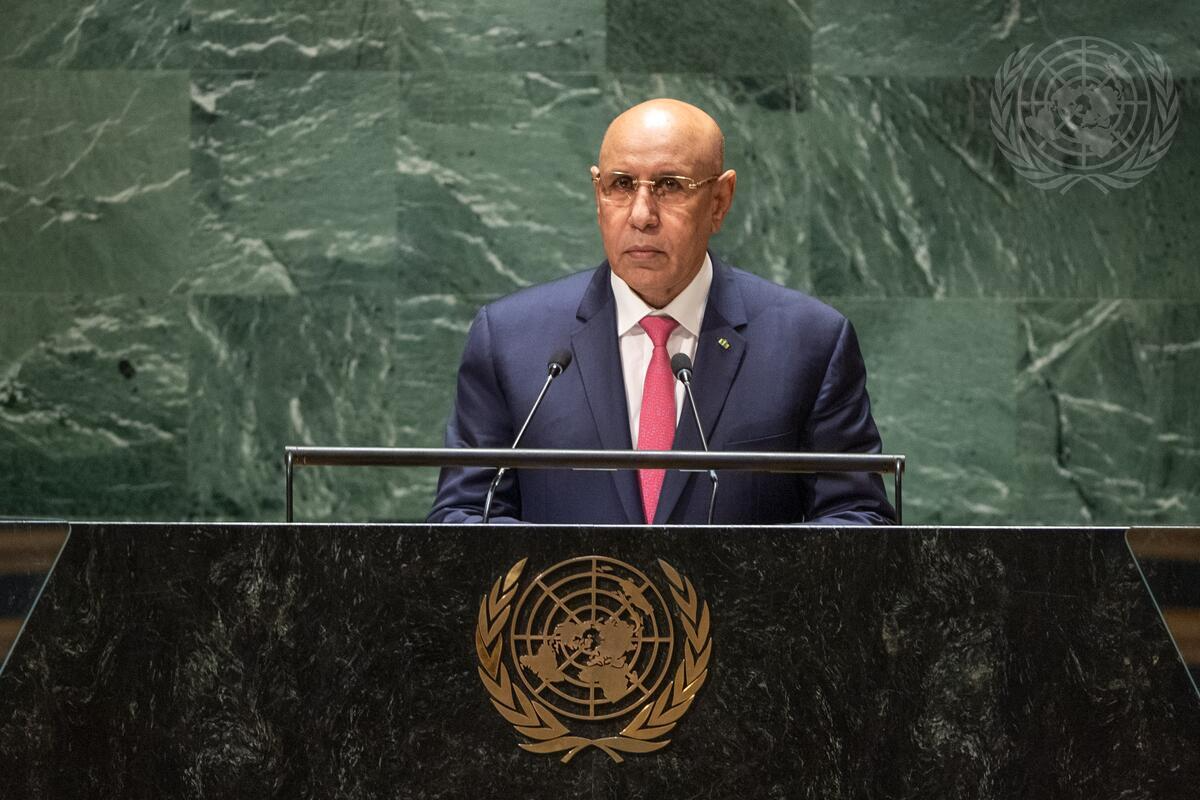
This competition to strengthen cooperation with Mauritania is taking place at a time when the international community's view of the country's central role in counterterrorism strategies and border conflict management is expanding.
How did Mauritania manage to achieve a “safe haven” in such a volatile environment, and what policies did Nouakchott adopt to gain the trust of its partners?

President Ghazouani's vision of security and social cohesion
Since coming to power, Mauritanian President Mohammed Ould Cheikh El Ghazouani has worked to provide the army with all the necessary logistical, mobility, and support resources. He also adopted a model of well-armed, rapidly mobile units to facilitate surveillance and movement along the country's vast borders.
These units, made up of elite forces, have demonstrated a high capacity for rapid intervention and emergency response, as well as having forged positive relationships with border populations through medical assistance, health supplies, and aid when needed.
During his recent tour of the east of the country, on the border with the unstable Republic of Mali, Ghazouani stated that: “the government has provided the Armed and Security Forces with all the necessary conditions to fulfill their national duty in the best possible way, in order to secure the country in general and the border areas in particular.”
The president praised the sacrifices of the armed and security forces, noting that “they are characterized by a deep national spirit and sincere citizenship that leads them to prioritize the interests of the homeland above any personal considerations.”
He also called on citizens to cooperate with the security forces and contribute to preserving public tranquility, noting that security is “a shared responsibility” that requires complementarity between citizens and state institutions.
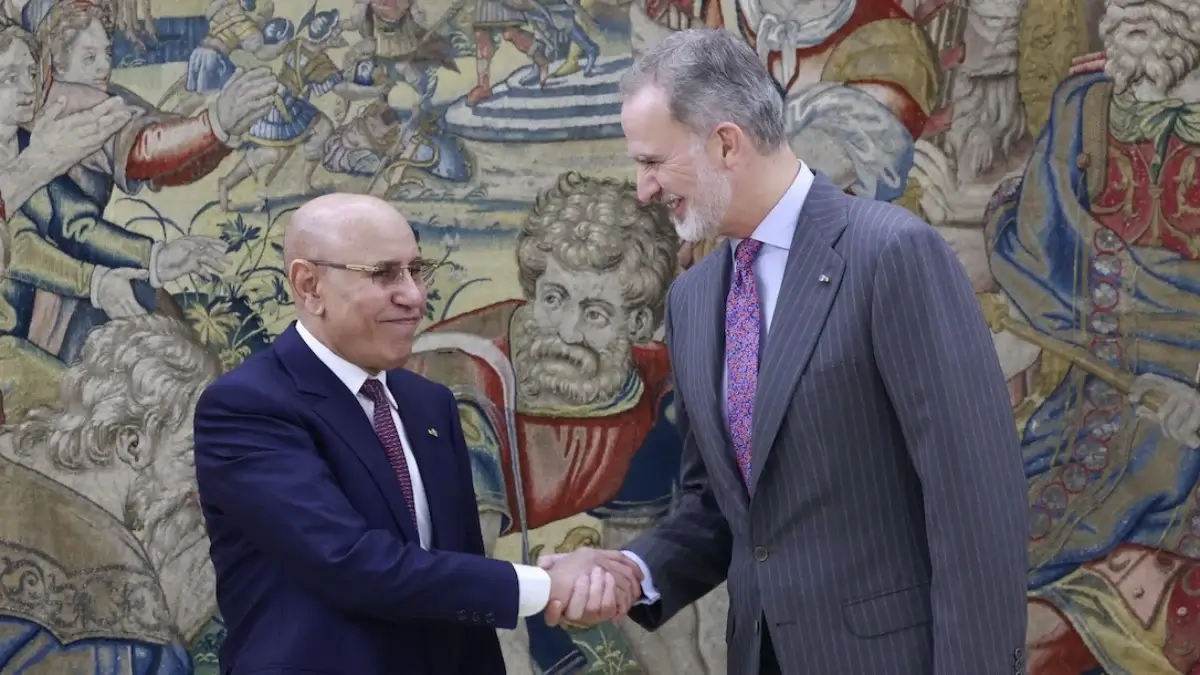
The president's speeches in towns and villages near the Malian border reflect his dual approach: a security approach, based on strengthening the army and security units and facilitating their ability to move, deploy, and respond; and a social approach, based on involving citizens and making them aware of their responsibility as the primary guardians of the country's unity, security, and stability.
Ghazouani has also worked to calm the domestic front through dialogue, consultation, and openness toward all political actors, which has allowed Mauritania to avoid the internal tensions and crises that have shaken the stability of many African countries.
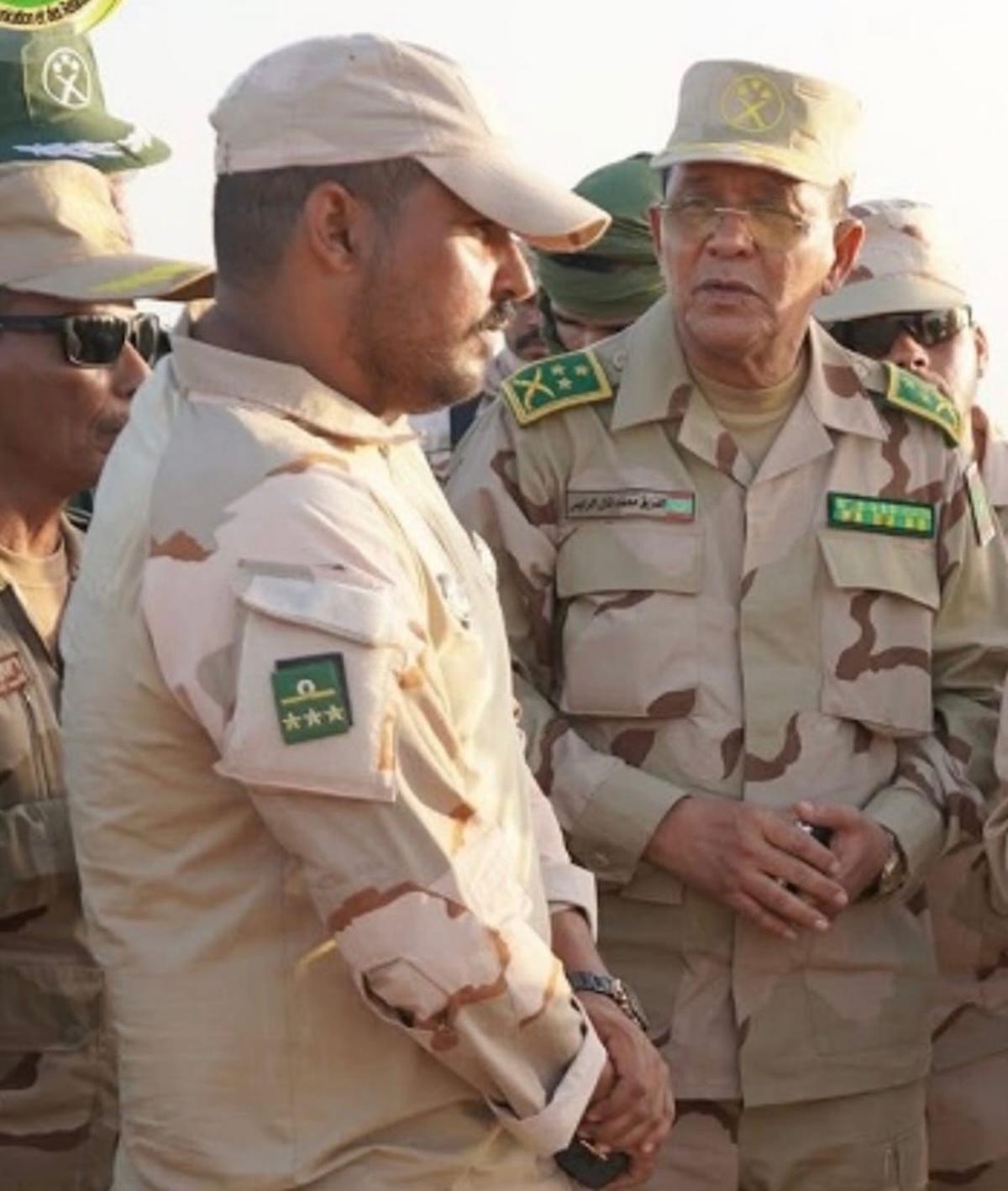
At the same time, he has adopted policies to remove Mauritania from conflicts and tensions between neighboring countries, building a position of positive neutrality that has made Nouakchott virtually the only country in the region capable of dialogue and communication with all parties in the Maghreb and the Sahel.
Mauritania: a central role and strategic weight
It follows from the above that Mauritania's strategic weight has transcended its geographical borders to become a key player in regional and international equations. Its privileged geographical position makes it an essential link between North Africa and West Africa, reinforcing its ability to influence the political and security dynamics of the region.
In addition to its role in security—which has been clearly demonstrated in the fight against terrorism and organized crime—Mauritania has positioned itself as a pillar of regional stability.
Economic and social factors also stand out, including its natural resources and human capital, as well as its relative stability, making it an attractive destination for international powers interested in establishing mutually beneficial strategic partnerships.
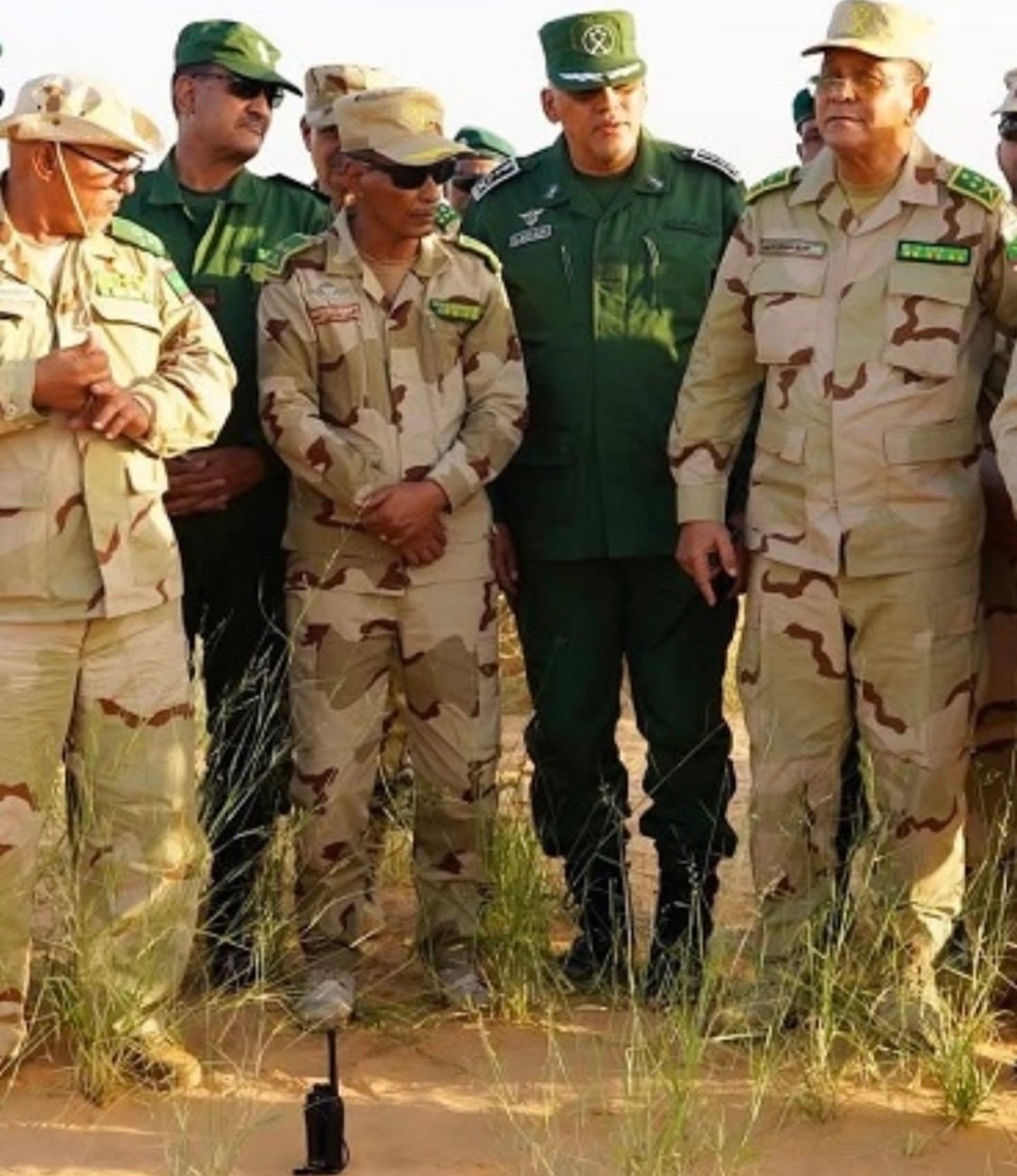
In this complex context, Mauritania must invest in its capabilities and strengthen cooperation mechanisms with its international partners, which will enable it to promote sustainable development and consolidate its internal stability. Maintaining and expanding this strategic weight requires a clear vision and effective strategies that open up new opportunities for the country on the international stage and reinforce its role as one of the main players in the region.
And to conclude, I quote Malian writer Sambo Sissoko, who described in an article the Mauritanian strategy that led the country to this level of stability in a burning environment, stating: "Mauritania's strength lies in its strategic silence: it did not proclaim slogans such as ‘regained sovereignty’ or ‘break with the West’, but exercised its sovereignty on the ground with intelligence and serenity."
Mohammed Lemine Khattary. Mauritanian journalist and writer