
Moroccan sport, an integrated national industry

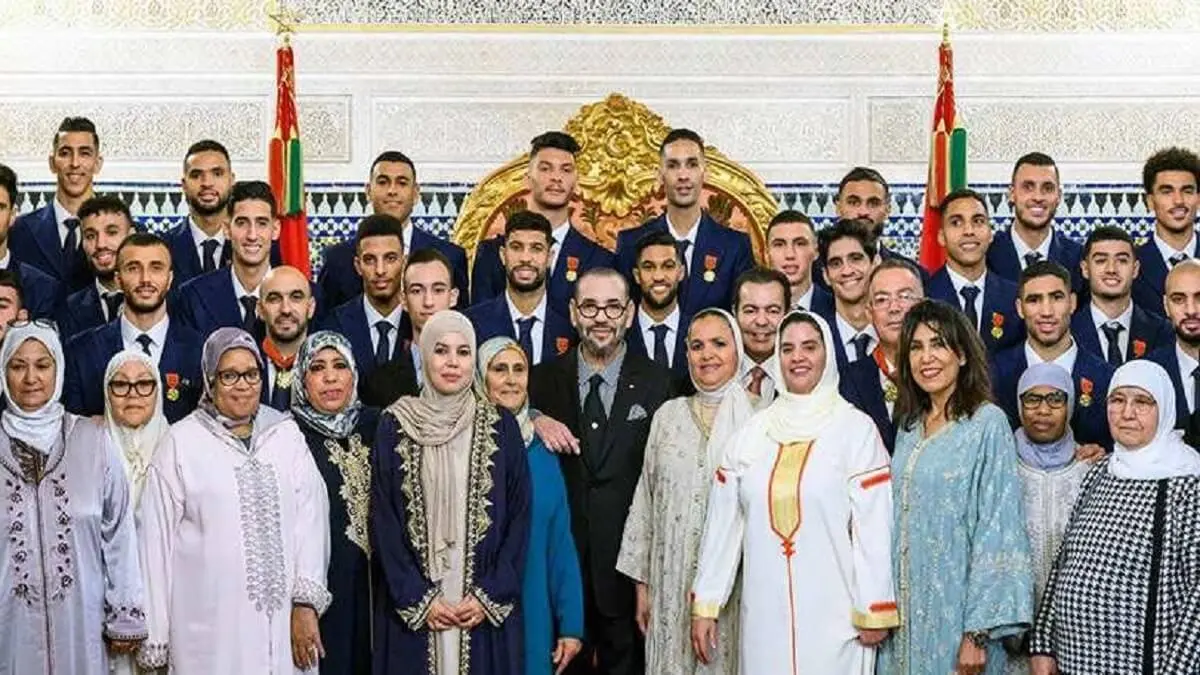
Morocco's victory in the Arab Cup is not the end, but the beginning of a longer journey, in which sporting triumphs become a national asset that is invested in development and strengthens Morocco's position as a rising regional power
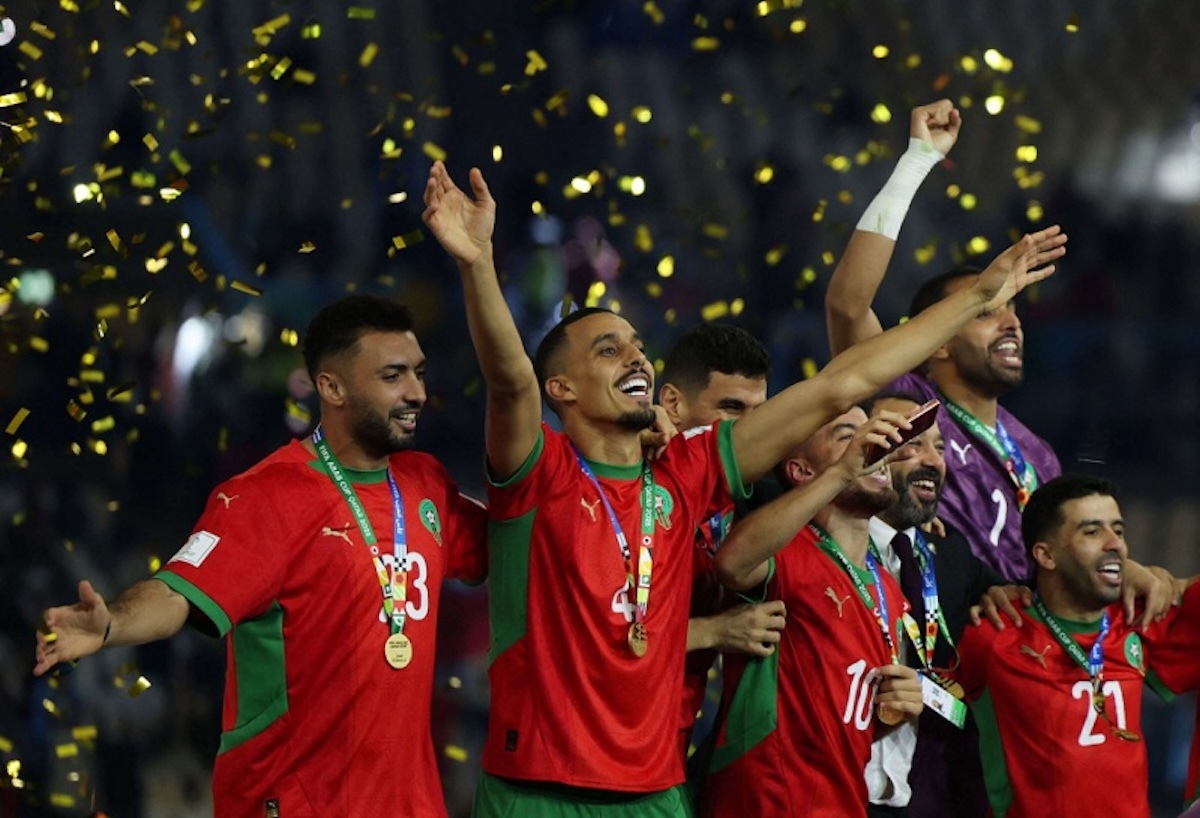
The Moroccan team's well-deserved victory in the Arab Cup at the Lusail Stadium in Doha was not a passing sporting event, nor a simple moment of collective joy for a people eager for a ray of hope, but rather a significant milestone in the long road to nation building and a symbol of an exceptional experience that has turned sport, and soccer in particular, into a driver of comprehensive development.
The scene that the masses followed on their screens, with a high level of tactical skill and a great fighting spirit, was nothing more than the visible face of a deeper strategic commitment, which places sport at the center of the renaissance equation, as an engine of the economy, a factor of social cohesion, and an effective diplomatic platform.
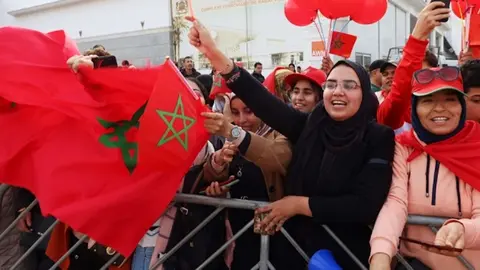
Hence, this achievement is a natural introduction to talk about the preparations to host the 2030 World Cup, not only as a major sporting event, but as a transformative tool to strengthen Morocco's position on the world stage.
Moroccan soccer has undergone a qualitative transformation over the last decade, moving from a reliance on individual talent to becoming an institutional industry based on long-term scientific planning. This transformation is due to the direct patronage of King Mohammed VI, who has made the development of sport, and soccer in particular, a fundamental pillar of national progress.
Golden feet are not discovered by chance, but are forged in the right environment, as demonstrated by the Mohammed VI Soccer Academy, which has become an international benchmark for sporting excellence, combining meticulous training, academic education, and values education. This system has produced a golden generation that has achieved the square of honor at the 2022 World Cup in Qatar and has been crowned with the Arab Cup, confirming that investment in sports human capital is an investment in Morocco's image as an organized, ambitious country capable of competing at the highest level.

Moroccan sport is no longer just a popular activity, but an integrated national industry that contributes to the economy, unites society, and opens up new diplomatic perspectives.
Spending on stadiums, sports centers, and academies has not only been a public spending policy, but a smart investment that generates sustainable economic benefits.
Sports tourism has become an important source of revenue, and the value of sponsorship contracts and broadcasting rights has increased, making sports competitions a globally marketable economic product.
The organization of the 2030 World Cup, in collaboration with Spain and Portugal, is the culmination of this process, as it represents a comprehensive development project that accelerates the pace of infrastructure construction, offers extensive employment opportunities, attracts foreign investment, and strengthens the national brand “Morocco” on the global investment map. This gigantic event is not just a month-long championship, but a comprehensive national project that translates a real long-term vision and turns sport into a gateway to accelerate economic and social development.
On a social level, sport has proven its ability to be a factor of national unity, as it dissolves geographical and social differences in a moment of collective joy.
The Moroccan national team, supported by the crown, has become a symbol that unites the north, south, east, and west, and sport has opened up new prospects for young people in the fields of coaching, management, sports medicine, and the media, helping to absorb unemployment and improve skills.
In addition, sport reinforces the values of discipline, teamwork, and respect, which is reflected positively in social personality and strengthens national confidence and cultural openness. This social function of sport is not limited to momentary emotions, but extends to a deeper role in empowering young people and integrating them into national development projects.
Spending on stadiums, sports centers, and academies has not been a mere public spending policy, but rather a smart investment that generates sustainable economic benefits.
At the diplomatic level, sporting victories have become political strengths, as national team players have become unofficial ambassadors conveying the message of Morocco as an open and modern country. Through sport, Morocco has strengthened its relations with Africa by supporting continental football, with Europe through technical cooperation, and with the Arab world through moments of shared joy.

Hosting the 2030 World Cup represents the pinnacle of sports diplomacy, as stadiums become platforms for civilized dialogue and economic and cultural exchange. Sport here is not just a competition, but a tool for strengthening regional and international cooperation and shaping Morocco's image as a country capable of combining sporting ambition and political vision.
The cup lifted by the team captain on Thursday is not just a sporting title, but a symbol of a long process of planning and achievement, framed by continued royal support. It is a reminder that victory on the field is an extension of victories in economic, social, and diplomatic development, led by King Mohammed VI with a long-term strategic vision.
Therefore, the organization of the 2030 World Cup should be seen as the natural culmination of a comprehensive process, in which sport crowns a complete national project, demonstrating that the country that manages to build a world-class team is the same one that is capable of building a promising future for its people and inspiring its regional and international environment.
It has become clear that Moroccan sport is no longer just a popular activity, but an integrated national industry that contributes to the economy, unites society, and opens up new diplomatic perspectives.
In this sense, it is part of a comprehensive renaissance project that makes Morocco a model of a modern state that invests in people, builds on their achievements, and opens the doors to the future.
Winning the Arab Cup is not the end of the road, but the beginning of a broader journey, in which sporting victories become a national asset that is invested in development and strengthens Morocco's position as a rising regional power.
Mohammed Al-Salheen Al-Huni. Editor-in-chief of Al Arab