
Cities and the new security economy

In this second quarter of the 21st century, cities have become the last hope for preserving the idea of progress. In the face of geopolitical changes and the rise of illiberal forces across the globe, their responsibility extends far beyond their geography, that is, beyond the municipal boundaries and their area of influence in the case of metropolitan areas. Contrary to what the French philosopher Jean Jacques Rousseau once proclaimed, ‘cities are the abyss of the human species’, today's urban areas are seen as the last frontier for responding to the world's great challenges.
The climate crisis, inequality and social tensions, the impact of technological disruptions, competitiveness, health, prevention against new hybrid threats to security and the preservation of democracy all require efficient and sophisticated local governance.

Today, more than 55% of the world's population lives in cities, and that figure is expected to exceed 70% by 2050. This human, economic and symbolic concentration makes our cities essential players, while also making them vulnerable to a multitude of risks and potential crises, from organised crime, terrorism and pandemics to cyberattacks, climate disasters and disruptions to energy or food supplies. Urban security, therefore, is not only a matter of public order, but above all a social and economic issue.
This is why we need to talk more about security policies that also incorporate economic and social dimensions such as affordable housing, access to public services, quality education, employment and even mental health. Investing in security does not only mean spending more on surveillance, prevention or law enforcement, but also redirecting resources towards the structural prevention of the risks we face. Climate change, for example, has added a critical dimension to the security of cities and directly affects urban life, generating significant economic and social risks. Climate adaptation thus becomes a central component of the new security economy.
New urban agendas must therefore incorporate the concept of the new security economy, including affordable housing and urban regeneration programmes, the design of safe public spaces, sustainable mobility and the strengthening of the community fabric in a world that is returning to an era of protectionism and identity-based withdrawal. Europe's leading political figures are beating the drums of war, while calling on us to refocus economic priorities towards a sharp increase in defence spending and technological and military capabilities.
Although the logic of European rearmament is geared towards responding to new geopolitical threats, we must be aware that it offers very limited responses to the risks that directly affect urban life. The housing crisis, the improvement of public services, the quality of transport, the air in our cities and the social tensions arising from the growing inequality in our societies cannot be solved by increasing defence spending. It is pleasant and safe neighbourhoods that attract investment, talent and social and commercial activity, making security an economic asset that must be governed by criteria of equity.
This gives rise to the need to articulate an alternative and complementary narrative about what the new security policy really is. Far from being the preserve of state governments and ministries of defence, it is becoming a strategic field of municipal action closely linked to well-being, social cohesion and economic resilience. The new security economy should largely be the economic agenda linked to urban life and cities as major political, economic and social actors of the 21st century, in order to build new coherence in a reconfigured world. From a social perspective, security is built on a daily basis and in proximity to cities that have public services capable of anticipating and managing the multiplicity of crises we face. Investing in security means investing in urban capabilities and not just in military or deterrent capabilities. Prevention policies, proximity, institutional quality and social trust are the true foundations of security and stability in our societies.
In contrast to security understood as deterrence and military capabilities, which is the responsibility of states, municipalism, with its mayors at the helm, must approach security as the ability to manage urban life in an inclusive manner in contexts of uncertainty, where city diplomacy takes on special relevance. Given the magnitude of the challenges, which clearly exceed local competences, municipal networks make it possible to generate new thinking, share solutions, coordinate responses and gain political influence to mitigate risks and propose an alternative and feasible model of global governance based on their knowledge of the reality of their territories.
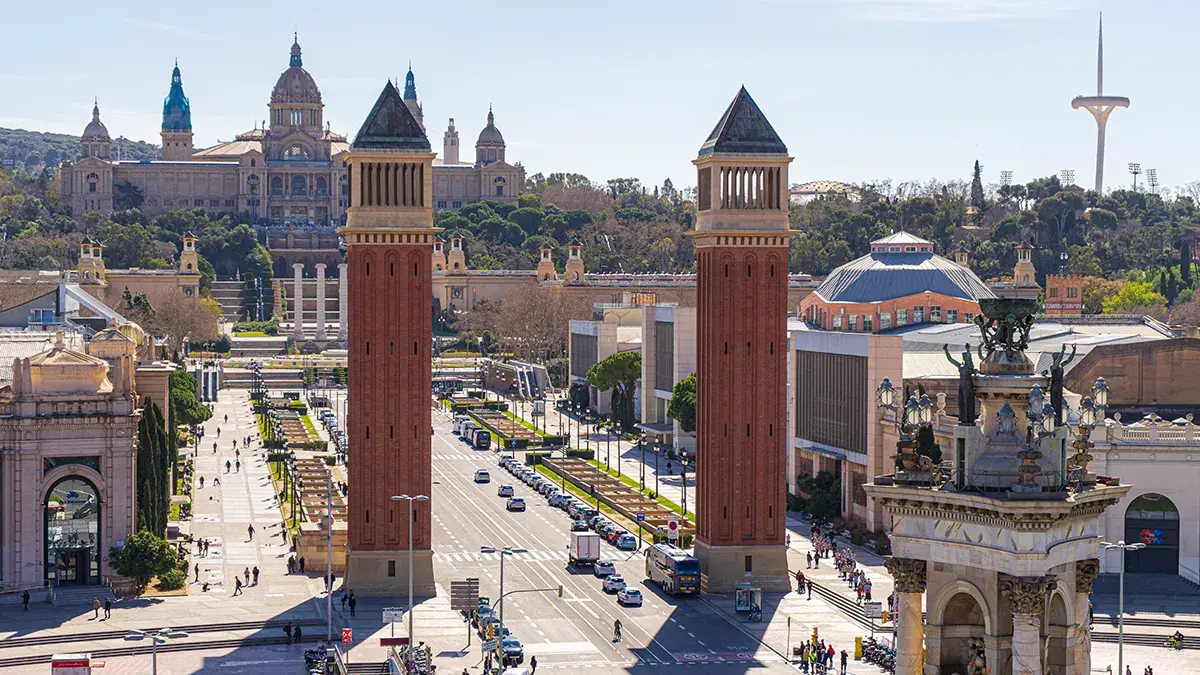
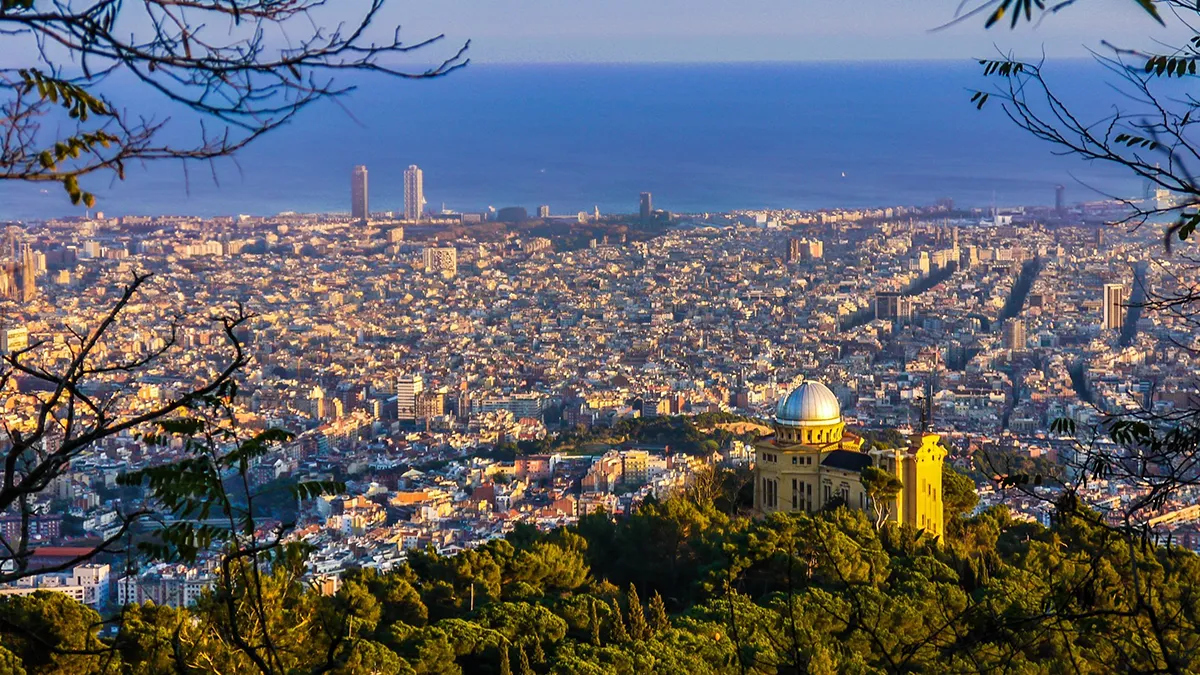
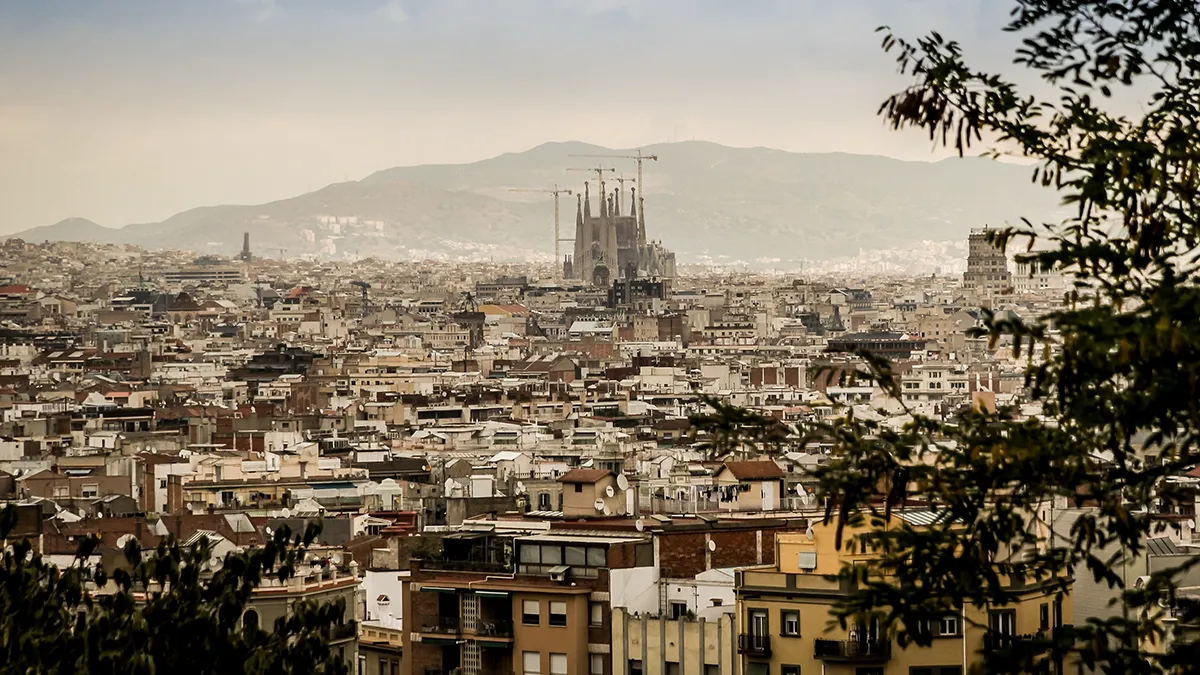
In this sense, Barcelona is a privileged actor and has a special responsibility. The city is home to some of the world's leading city networks, such as UCLG (United Cities and Local Governments), Metropolis (the global network of large cities and metropolitan areas) and the International Association of Educating Cities (IAEC), as well as participating in and being one of the leaders in city platforms such as Eurocities, C40 and the Resilient Cities Network. This urban cooperation can be more agile and effective than many multilateral state governance frameworks, especially in climate, energy and social matters. City diplomacy is thus also a form of security policy. While states prioritise military logic and territorial sovereignty, cities practise cooperative security based on knowledge sharing, solidarity and prevention. Municipal foreign policy, far from competing with national security, complements it with a vision that is closely tied to the reality of the territory.

Thus, cities—and large metropolitan areas—will be called upon to guarantee the real security of our societies. States will be too busy with major geopolitical and geostrategic issues, while cities will have to continue to be the guarantors of social and community management, climate prevention, economic promotion, and the quality of public space and culture. This reality will require even greater improvements in governance and public-private collaboration in order to manage urban reality in an efficient and agile manner, guaranteeing the right to real participation in the face of the illiberal, populist and authoritarian drift of some governments. In an increasingly uncertain world, municipalism will be the guarantee of a true security economy, with policies that are global in vision but oriented towards people and the local and territorial reality.
The challenge is not insignificant, because our cities do not have sufficient powers or resources, but the new security economy will require us to redefine the urban social contract. Twenty-first-century cities must not only be competitive, connected and sustainable, but also safe and equitable in a broad and democratic sense. We have a lot at stake, almost everything, and our cities, especially global cities, will probably once again be the last frontier between civilisation and barbarism.
Pau Solanilla is an international consultant and partner at Harmon.
Article published in The New Barcelona Post