
Chile also swings sharply to the right

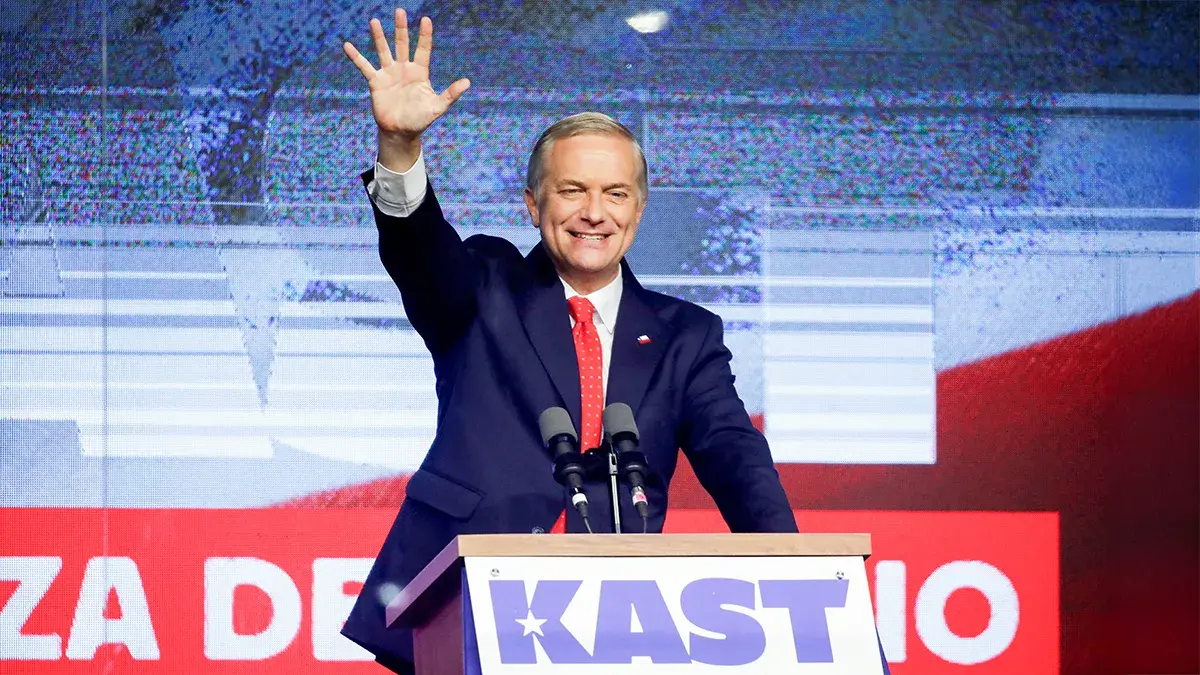
He will face former Labour Minister Jeannette Jara, from the Communist Party, who is also the candidate for the left-wing Coalition for Chile in the simultaneous elections for the Senate and the Chamber of Deputies.
Virtually all polls gave Jara more than 30% of the vote in the first round, giving her supporters hope that she would continue the unfinished work of President Gabriel Boric.
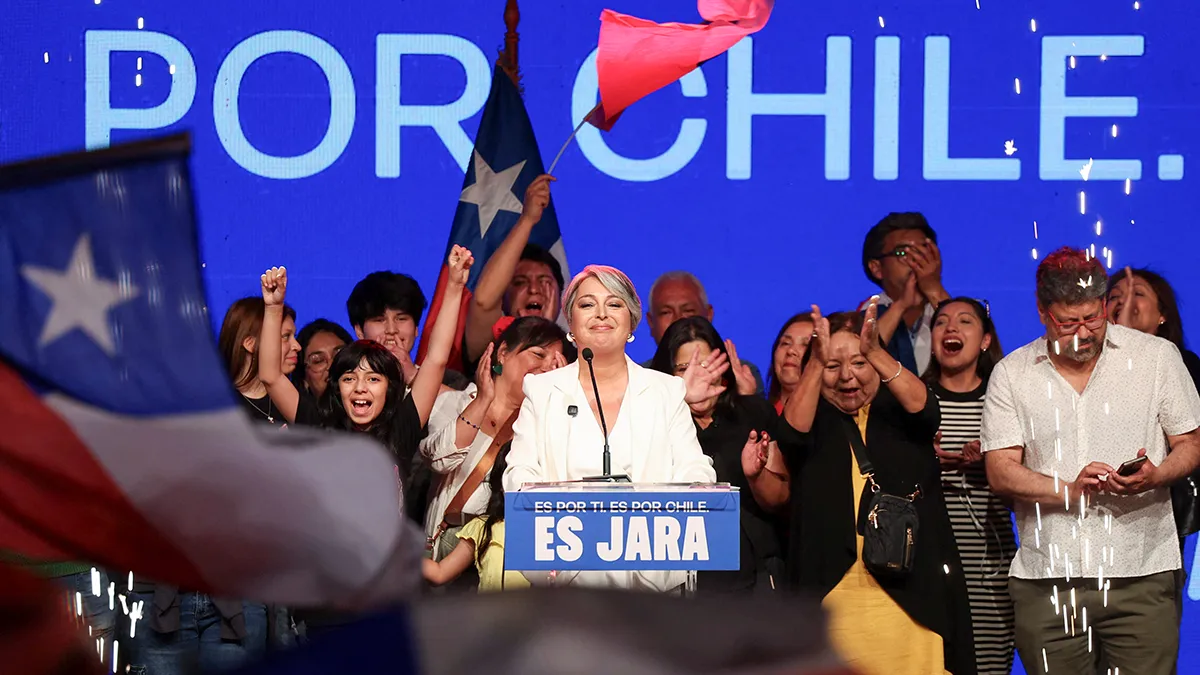
Despite receiving the most votes, the Communist candidate only won 26.8% of the vote, compared to Kast's 23.96%. With the other six candidates out of the running, the transfer of votes in the second round, in a country where voting is compulsory, gives every chance to the candidate not only of the Republican Party, but also of the conservative alliance Cambio por Chile. Barring a major surprise, those who have shown their preference for Johannes Kaiser, Evelyn Matthei or Franco Parisi, who represent all the other versions of the right, will do so in the second round for Kast.

About to turn 60, José Antonio Kast Rist, the son of a Wehrmacht soldier who survived World War II and emigrated to Chile, maintains a discourse very similar to that of Donald Trump, especially with regard to security and illegal immigration. The population is particularly sensitive to the former. Chile has long boasted of being the safest country in Latin America. However, during Boric's four years in office, the homicide rate per 100,000 inhabitants has risen from 2.5 to 6, almost three times higher, while kidnappings, a crime that was unknown in Chile, have increased by 76% to 868 cases. Kast blames illegal immigration for much of this rise in crime, pointing in particular to the nearly 350,000 Venezuelan immigrants. In his view, criminal gangs such as the so-called Tren de Aragua have infiltrated this wave of immigrants and are responsible for another type of crime: contract killings, which were also unknown in Chile until just five years ago.
Following in the footsteps of Donald Trump, but also supported by the conservative opposition parties, José Antonio Kast promises that, with him in power, there will be mass expulsions, sealing of the borders, without ruling out the construction of a wall similar to the one Trump has built with Mexico, as well as an increase in police firepower, accompanied by the deployment of the army in areas considered most critical.

Johannes Kaiser, the other candidate of German origin, wanted even tougher measures, advocating the sending of undocumented immigrants who commit crimes to the mega-prison built by Salvadoran President Nayib Bukele.
The communist candidate, who will ultimately face Kast, has had no choice but to enter this debate, promising stricter immigration controls, adding in passing that she would not neglect ‘the other security, that of Chileans being able to make ends meet’, a promise that only convinces the most die-hard supporters, given the cumulative inflation of 29.4% throughout President Boric's term, which has hit the most disadvantaged classes particularly hard and dealt a brutal blow to Chile's once-flourishing middle class.
Given the election results in Bolivia and Argentina, which show a marked shift to the right, the Chilean elections accentuate this trend, which also serves as a warning for the elections in Colombia and Brazil, which are due to be held in 2026.
For now, Chile has already begun the election campaign for the second round. ‘Don't let fear harden your hearts,’ is Jeannette Jara's message. ‘We are going to rebuild the country after the disastrous left-wing government,’ argues Kast. And the polls? For now, 56 to 44% in favour of the right.