
New world order made in Trump

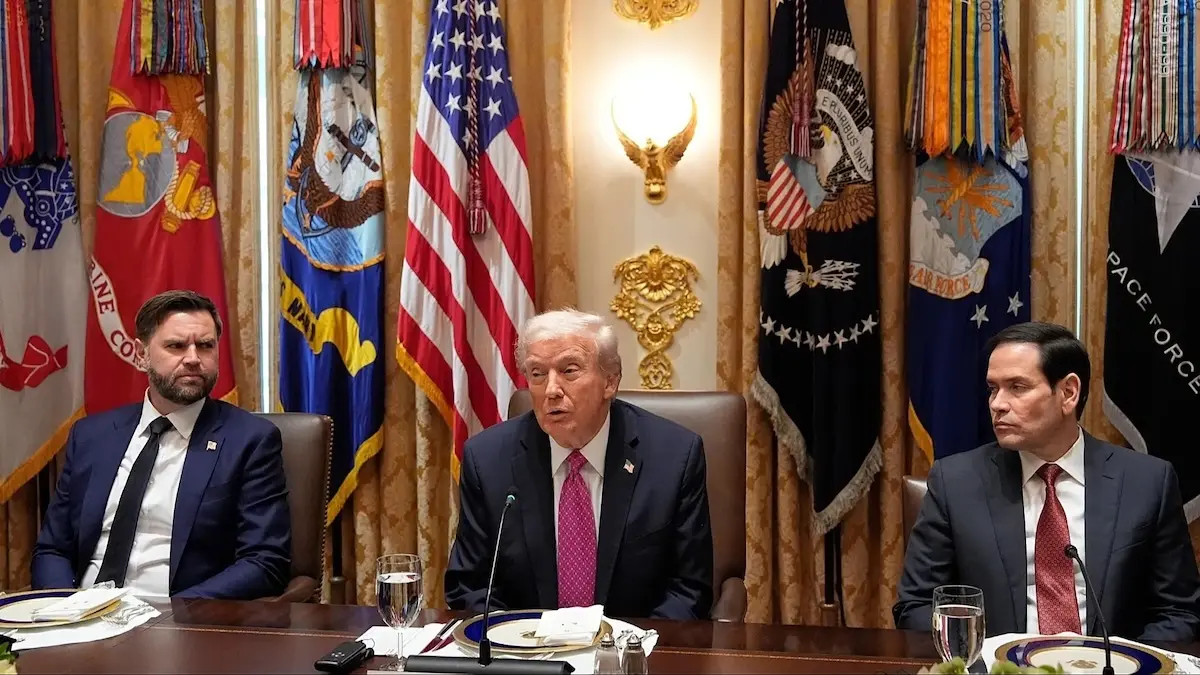
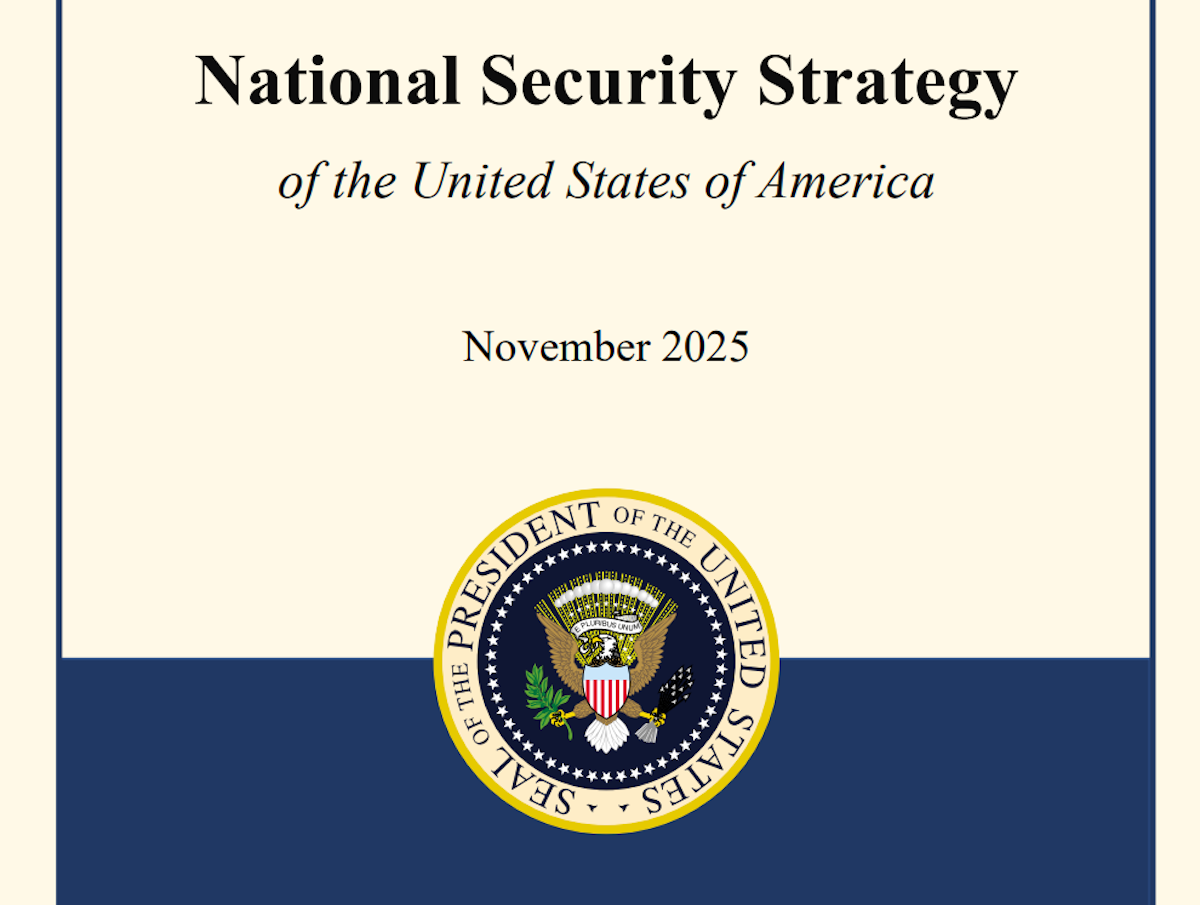
It is a decisive document, as it summarizes the main tenets of Trumpism, already outlined earlier this year by Vice President J.D. Vance in Munich, in a speech that caused deep unease in the European Union at the time.
On this occasion, the publication of such a momentous document was preceded by the unprecedented snubbing of the NATO general assembly by a US secretary of state, in this case Marco Rubio, thus highlighting the rift between Europe and the US.
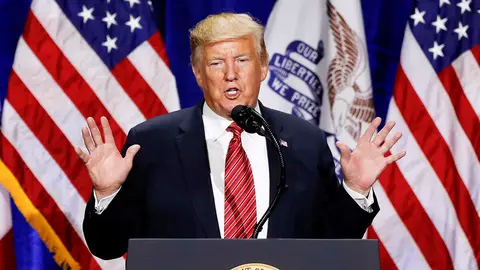
Rather than a cooling of US relations with Europe, the document suggests that we are witnessing something closer to a rupture. The unwavering American ally bluntly states that Europe is suffering from unstoppable economic decline, marked by political and social degradation that characterizes its “crisis of civilization.” In addition to considering the traditional civilizing role of Old Europe to be almost irretrievable, Trump concludes that the countries that make up the EU are no longer reliable in the eyes of the United States.
Without mentioning them by name, the document alludes to the fact that “some European leaders have unrealistic expectations regarding the war in Ukraine.” This is the most explicit acknowledgment to date of the difference in interests between the two sides of the Atlantic.
While the EU seems to have internalized, to varying degrees depending on the geographical location of its members with respect to Russia, that Vladimir Putin's ambitions would not stop after taking over much of Ukraine, Donald Trump points to the restoration of the strategic link with Russia as a priority, that is, a new division of the world into zones of exclusive influence for Washington or Moscow.
The document criticizes the rift between EU countries and Russia, “due to a lack of self-esteem on the part of European civilization,” a rift that “accelerates the risk of the continent's political and cultural erasure,” according to the White House.
In short, the document urges Europe to accept Putin's demands, and if it does not, it should not count on Washington's help.
It also strongly criticizes European “regulatory suffocation,” which clashes head-on with Trump's vision of a world governed essentially by bilateral agreements and the resulting tariffs, the trade weapon that Trump has managed to impose and which he administers like an omnipotent emperor, rewarding or punishing according to his supreme and absolute will.
He thus clearly breaks with globalism and multilateralism, which he underscores when he states that “it will be the American people, not foreign countries or globalist institutions, who will determine the future of the [Western] hemisphere.”
It is also a written declaration, in black and white, of the abandonment of the priority policies of the Democratic Party in the United States and of the pacts between socialists, conservatives, and environmentalists in Europe: climate change, gender policies, uncontrolled immigration, and multiculturalism. These are ideological battles that Trump—and European nationalist parties—blame for the decline and impoverishment “that threatens Western civilization as a whole.”
As it is already being applied with particular zeal in Latin America, the new National Security Strategy highlights three priorities for action: against irregular or unwanted immigration; against drug trafficking; and against maritime insecurity.
It expressly calls on the countries of the continent to join him in achieving success on these fronts, in exchange for the United States being both the main provider of security and the facilitator of new economic opportunities throughout the Americas.
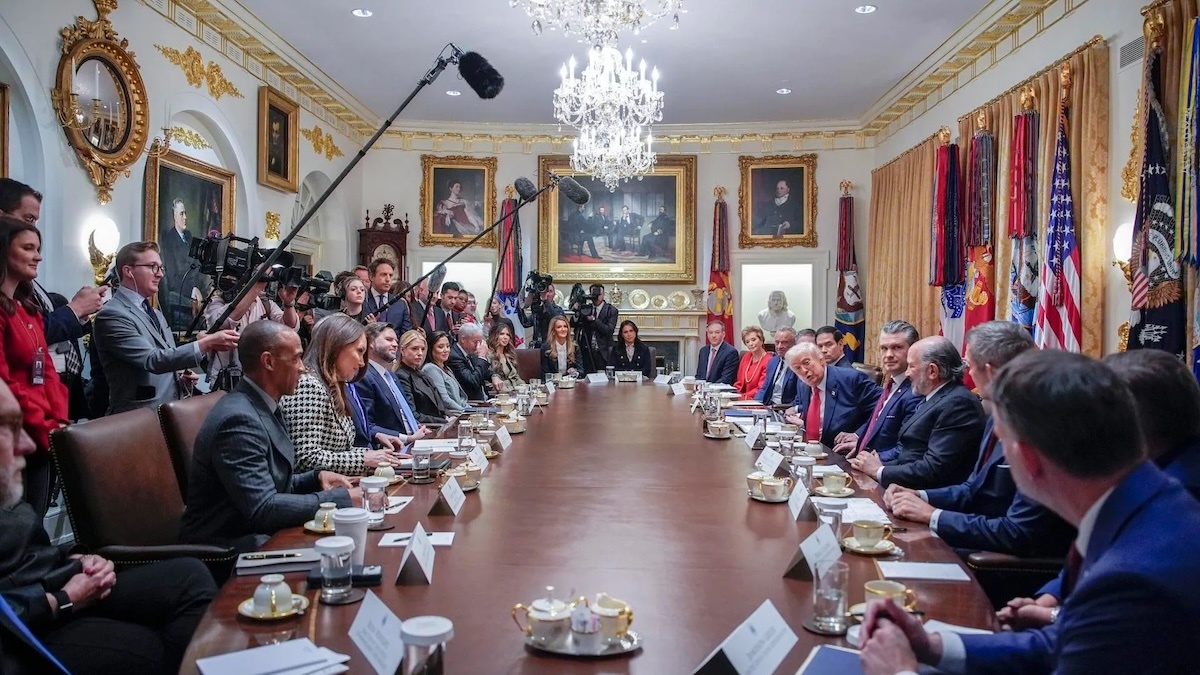
With regard to Asia, the document makes no explicit mention of Taiwan or the huge number of disputes in the South China Sea, where Beijing has significantly intensified its presence and the intensity of its military maneuvers, coinciding precisely with the new Japanese Prime Minister, Sanae Takaichi's, statement that “a hypothetical attack by China on Taiwan would provoke a strong reaction from Japan.”
However, far from considering abandoning its presence and influence in the area, the United States maintains its ambition to remain there based on military deterrence. A redoubled firmness in this regard would favor an economic policy whose expansion would facilitate the generation of new resources and, consequently, the long-term continuity of the United States in the area.
In this Asian chapter, then, Trump proposes to China that the current strategic balance be maintained, but implicitly warns that he will not stand idly by if that balance is sought to be altered by force.
With regard to the Middle East, the first evidence that emerges from the analysis of the document is that the region is no longer the United States' top priority, as it had been practically since the end of the Vietnam War.
The main adversary, Iran, has had its claws severely clipped since the joint operation with Israel to halt the Islamic country's race to acquire nuclear weapons. Its tentacles in the Palestinian territories of Gaza and the West Bank, as well as in Lebanon (Hamas and Hezbollah), have been greatly diminished, while the Syrian puzzle is in the process of being solved with the help of allies such as Turkey.
No less important with regard to such a heated region is the United States' explicit renunciation of “intimidating or pushing countries and governments to adopt [political] models that are foreign to their traditions.”
This definitively buries the policy imposed and wielded since President George Bush, which served as the basis for justifying offensives and wars whose final outcomes have not been particularly positive in general terms.
And it is a clear nod to the so-called Gulf monarchies, which have been questioned not only by Iranian propaganda but also by the European and American far left.