
Youth and Istiqlal's historic challenge in the face of political mistrust

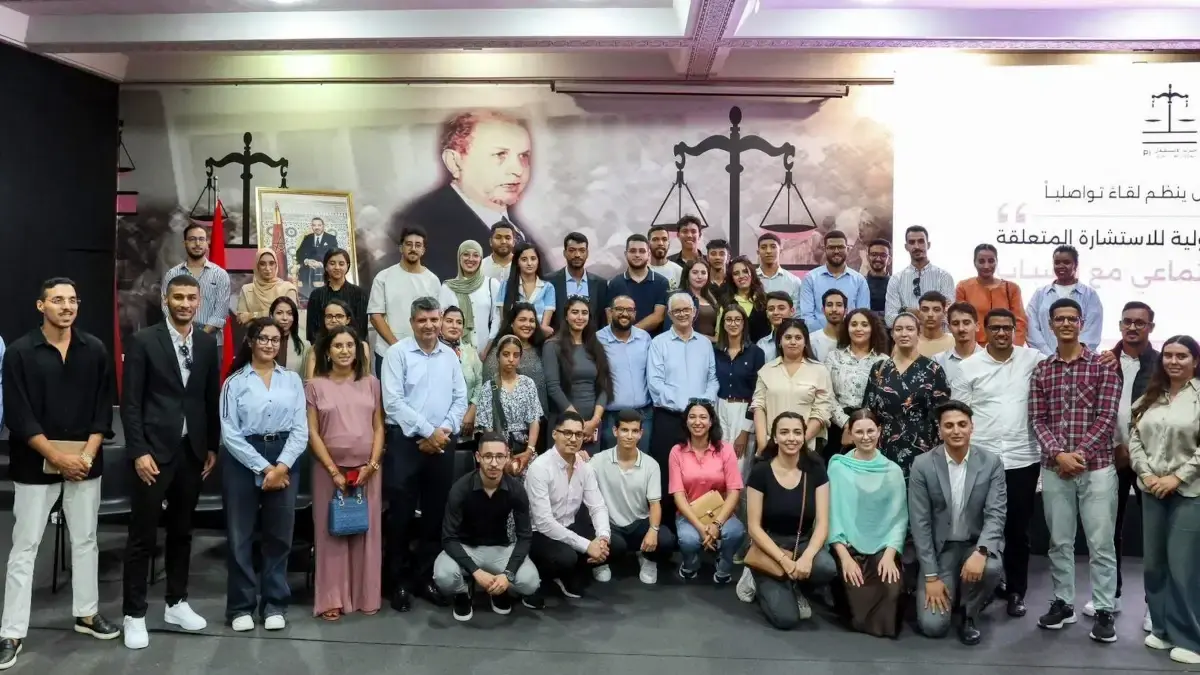
- Youth disillusionment and political crisis in Morocco
- Recognition from within the political system itself
- Nizar Baraka's warnings about radical solutions
- Historical importance and role of the Istiqlal Party
- Proposals and initiatives for young people
- Challenges for rebuilding political trust
Youth disillusionment and political crisis in Morocco
In Morocco, there is increasing talk of a silent divorce between young people and politics. Disillusionment is not new, but it is now at the centre of the debate: young people distrust parties, institutions and the government itself.
What is unusual is that this diagnosis does not come from the opposition, but from within the system itself. Nizar Baraka, secretary-general of the Istiqlal Party and a leading figure in the majority government, acknowledged this bluntly: promises have not lived up to young people's expectations.
Recognition from within the political system itself
This acknowledgement marks a turning point. In a country where leaders often prefer to justify or minimise, Baraka opted for a discourse of sincerity.
Admitting the gap between what was promised and what has been achieved opens the door to a more honest debate on how to regain lost trust.
Nizar Baraka's warnings about radical solutions
The leader of Istiqlal went further, warning against voices calling for radical solutions, such as the abolition of institutions or the establishment of a technocratic government.
For Baraka, Morocco cannot afford to stray from its democratic path. With all their limitations, representative institutions remain the pillar that guarantees citizen participation and accountability.
Historical importance and role of the Istiqlal Party
The message carries particular weight because it comes from a party that is part of the national memory.
Istiqlal is not just any player: it was a key figure in independence and has remained, for decades, a defender of democratic legitimacy. Its historical capital today gives it the moral authority to build bridges between institutions and disenchanted young people.
Proposals and initiatives for young people
But credibility is not won with words alone. Istiqlal has put forward proposals such as the creation of a ‘Youth Academy’ and a volunteering law. These initiatives are still in their infancy, but they seek to transform diagnosis into action. If they are part of a comprehensive strategy capable of responding to the most urgent demands —employment, education, health— they could become the basis for a renewed relationship between young people and politics.
Challenges for rebuilding political trust
Ultimately, the challenge is clear: it is not enough to acknowledge the crisis; trust must be rebuilt. Istiqlal, with its history and deep roots, is emerging as a natural mediator in this task.
Baraka's questioning, far from being a simple mea culpa, opens up a perspective for the future: when young people believe in politics again, the entire country regains the strength and stability to continue advancing its democratic reforms.