French investment boosts growth and confidence in the Moroccan Sahara in Dakhla
- Sustainable development and international partnerships
- French investments in the southern territories
- Multidimensional French support
- Strategic partnerships
As part of the transformation currently underway in Morocco's southern provinces, the city of Dakhla is becoming a model of sustainable development through international partnerships, which are not limited to the area of infrastructure, but also include a political and diplomatic dimension.
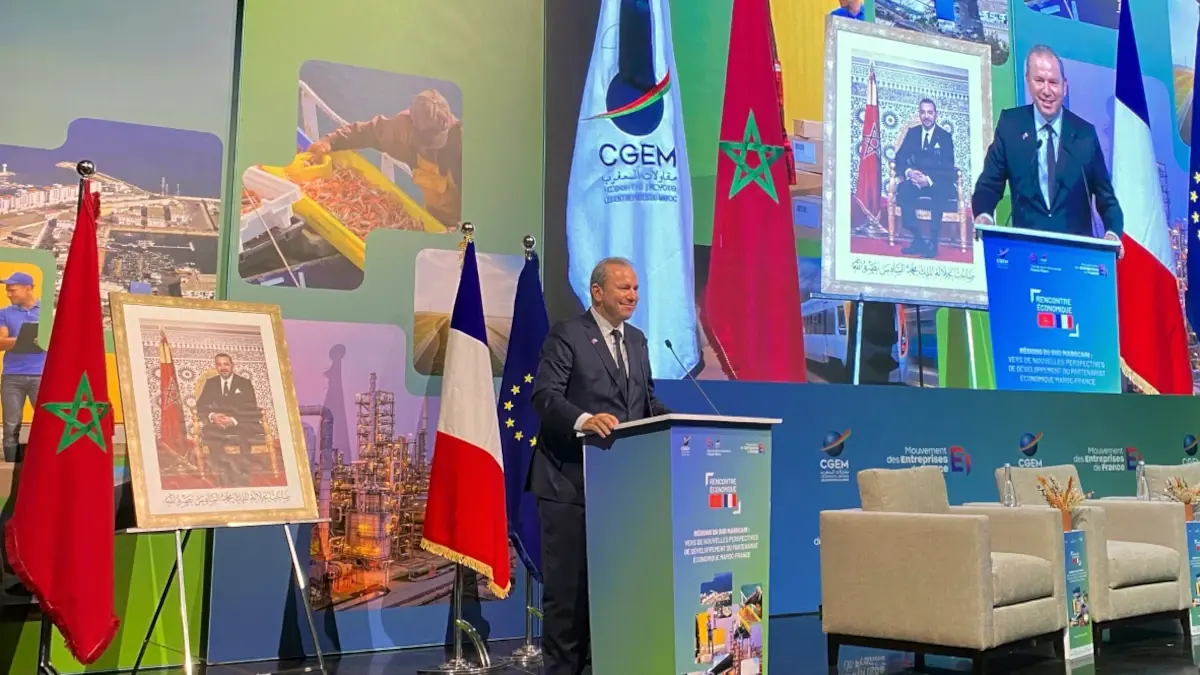
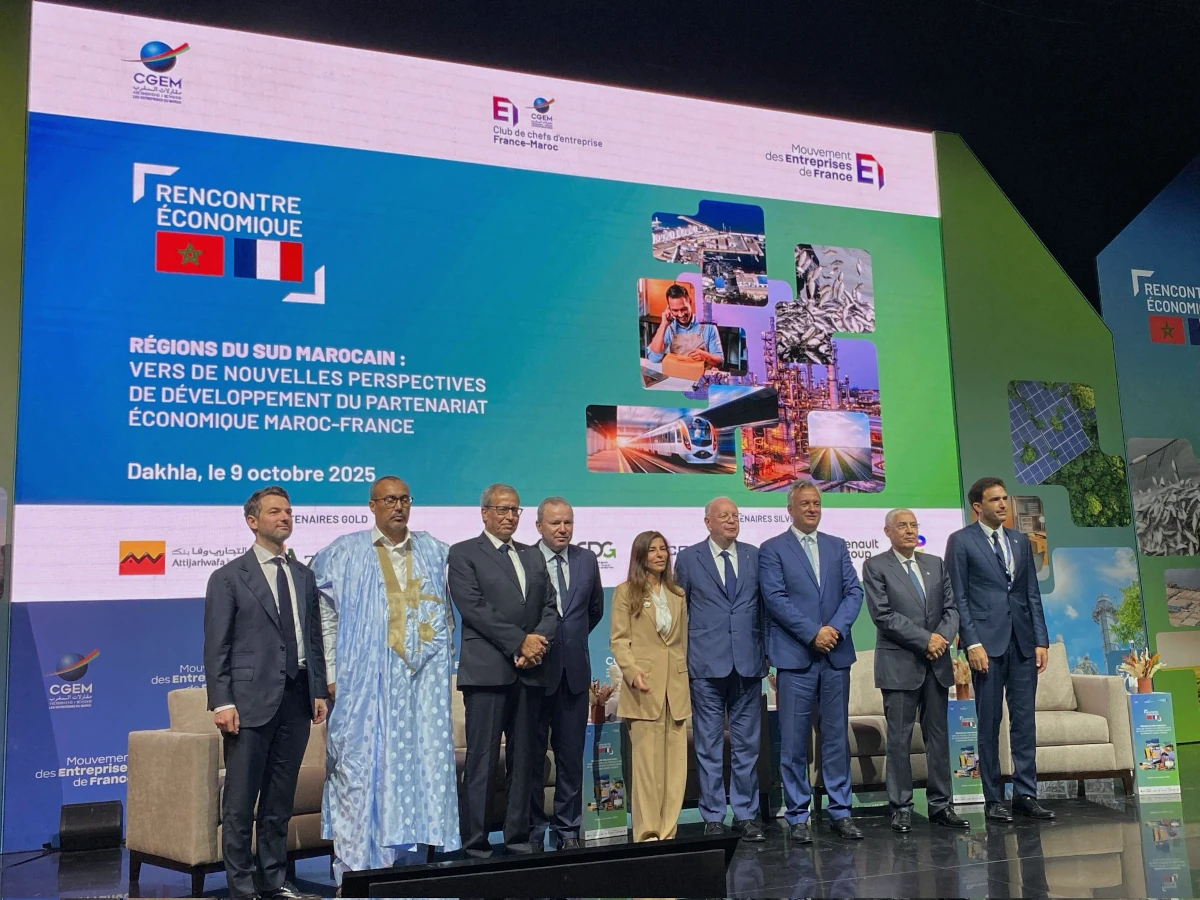
French investment is an example that supports Morocco's ambitious vision to transform the Sahara into a prosperous economic and tourist centre. In this regard, the Morocco-France Economic Forum, recently held in Dakhla, has demonstrated Morocco's ability to transform its political vision into concrete projects on the ground.
Sustainable development and international partnerships
Thanks to its strategic location on the Atlantic coast and its unique natural conditions, Dakhla is now a model of sustainable development based on international investment, improved infrastructure and a better quality of life for local residents.
Numerous construction and investment projects are underway throughout the city, forming an integrated economic network that transforms geographical and political challenges into real opportunities for local, national and continental development.
Economic development, ecotourism and sports
Dajla is also an ideal destination for economic and tourist activities, making the city a magnet for local and international visitors. This natural feature, together with the Moroccan government's commitment to sustainable development, has helped transform Dajla into a city capable of integrating economic activity with ecotourism and sports, in order to promote balanced development that respects the environment and invests in local resources.
Investment opportunities for French companies
French companies in the energy, tourism and logistics sectors see Dakhla as a strategic opportunity for long-term investment, benefiting from a clear and controlled investment environment, with strong growth expectations in the coming years.
French investments in the southern territories
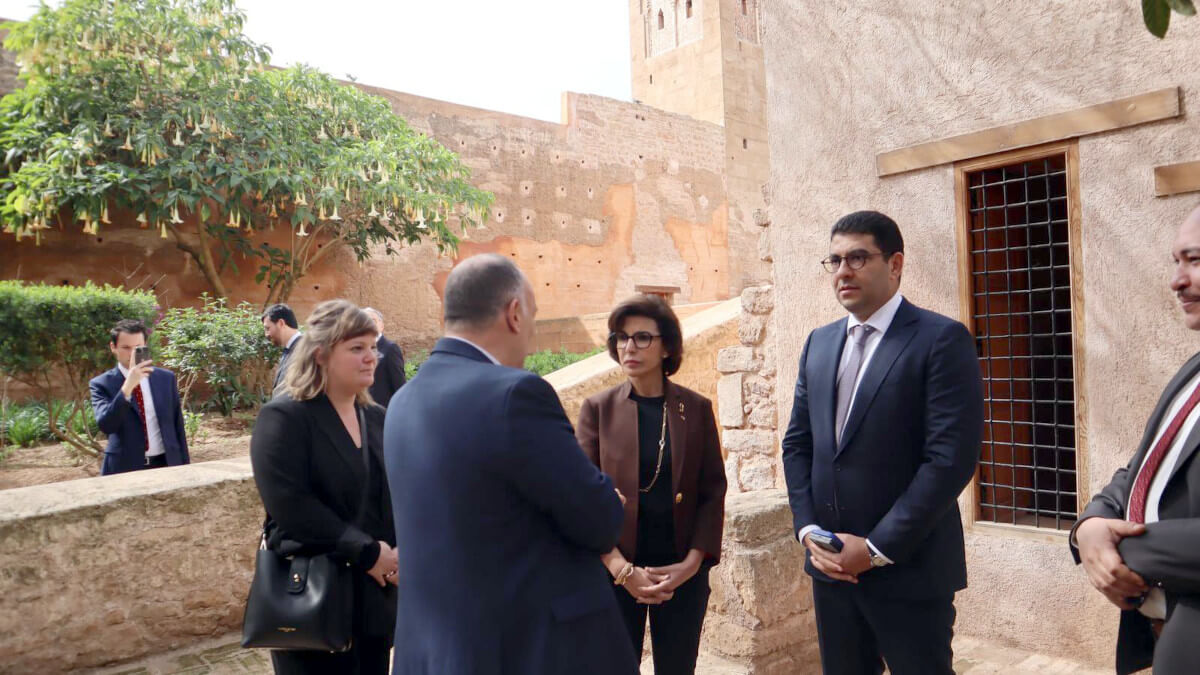
The Deputy Director General of the French Development Agency (AFD), Bertrand Walckenaer, highlighted from Dakhla, at the last Morocco-France Economic Forum, that ‘Morocco and the southern provinces are a very good laboratory for renewable energies and the development of new technologies that are still in the start-up phase and will need to be deployed internationally in the future’.
‘Our ambition is very clear: to create jobs, benefit local populations, invest in priority sectors for Morocco and support its clear strategic vision and territorial planning,’ Walckenaer added.
Loans and investments for port modernisation
The AFD has announced significant investments in the southern provinces, granting a loan of €100 million to the National Ports Agency to finance decarbonisation and upgrade port infrastructure, facilities and equipment from 2026 onwards.

Intervention in basic services and priority sectors
In addition, this French agency, which has been present in Morocco since 1992, has entered into discussions with teams from the three southern regions to support the development plan for basic services in the education, water and energy sectors. Bertrand Walckenaer highlighted the three priority areas of intervention on which their work is focused:
- Vocational training for human capital, within the framework of gender equality, to build the skills needed in the aeronautics, pharmacy and transport sectors, and to support the economic development of Morocco and sub-Saharan Africa.
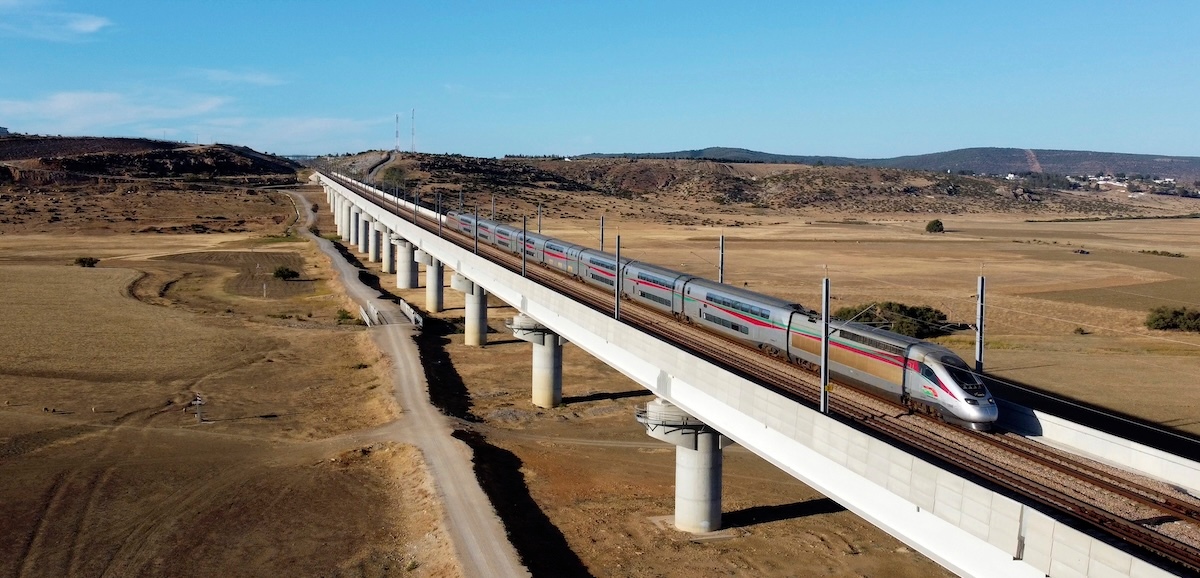
- Infrastructure for the transport sector, such as the tram lines in Agadir.
- Natural capital, through the management of water and forest resources and natural parks.
The Atlantic port of Dakhla as a strategic hub
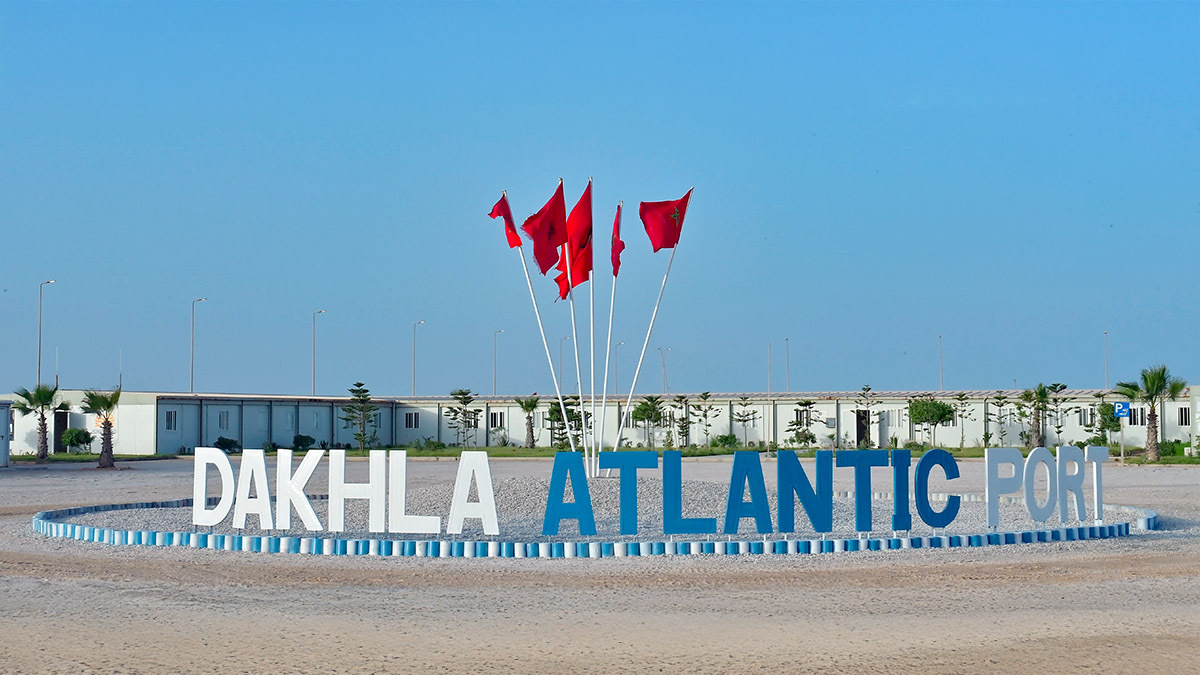
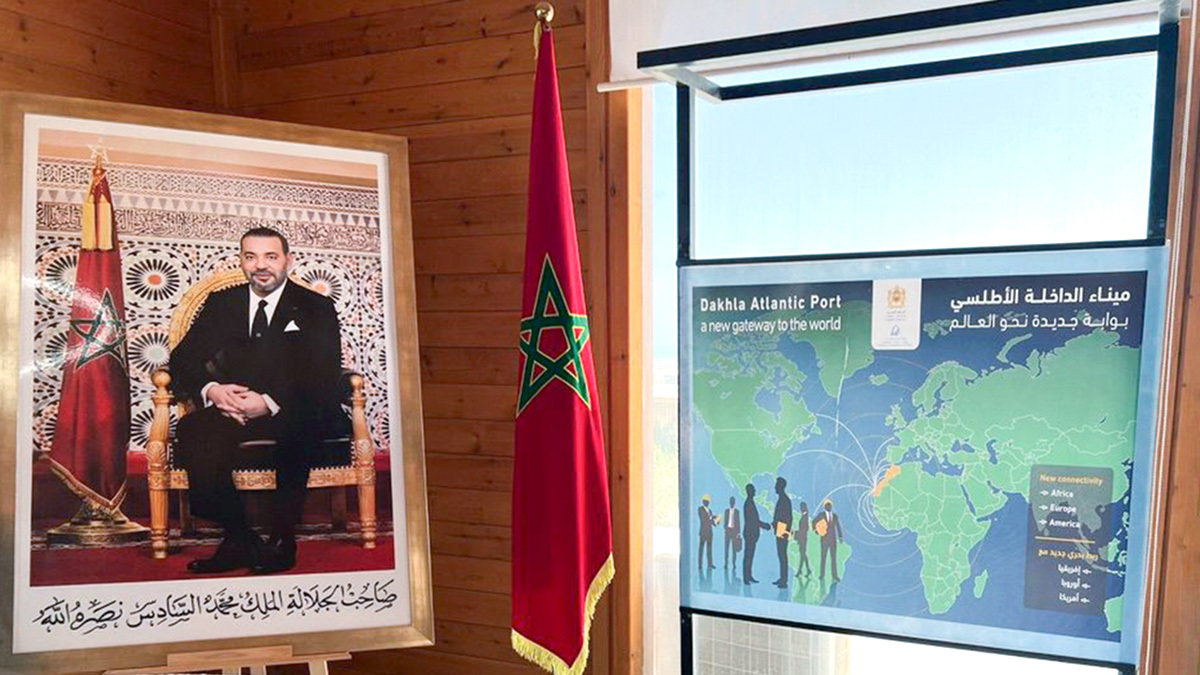
With the development of the Atlantic port of Dakhla, which will turn the city into a gateway to the African continent for trade and production, Morocco wants to demonstrate its ability to transform a previously remote region into a vital economic centre.
Multidimensional French support
On the political and diplomatic front, France's support for the Moroccan Autonomy Plan for Western Sahara is a boost to Morocco's diplomatic efforts to achieve development and stability in the region.
Social and environmental aspects are the other pillar of this dynamic of Franco-Moroccan cooperation, promoting local sports and cultural activities in Dakhla, without losing sight of the preservation of natural resources and the promotion of ecotourism.
In this context, Dakhla stands as an example of Morocco's economic ambition and foreign policy, focused on transforming its desert into a sustainable economic and tourist hub, combining local development and international investment.
Strategic partnerships
Morocco considers international investment and strategic partnerships to be an important tool for achieving balanced development capable of building a bright future for the Sahara.
In this context, Investment Minister Karim Zidane emphasised that French investments express the depth of the partnership between Morocco and France. Dakhla has become a true model for transforming geographical and political challenges into economic and investment opportunities, providing Morocco with the “know-how” to transform the three regions of the Sahara into a centre of growth and sustainable development.
For her part, the Moroccan ambassador to France, Samira Sitail, stressed that France's support for the Autonomy Plan has helped to restore confidence and encourage more joint initiatives, which represents an important step towards strengthening economic and political cooperation in the region.
Structural projects and the Atlantic Initiative
In the same vein, Mohamed Methqal, Director General of the Moroccan Agency for International Cooperation (AMCI), identified three structural projects capable of contributing effectively to accelerating the momentum of development both in the southern territories and on the African continent, thanks to the Atlantic Initiative:
- The Morocco-Nigeria Atlantic gas pipeline, with 13 beneficiary countries gaining access to competitive energy and the development of industrial ecosystems.
- The Port of Dakhla Atlantic as a project of solidarity and complementarity with other African ports.
- The Moroccan merchant fleet as an accelerator of development between the different ports of sub-Saharan Atlantic Africa, and a fruitful connection with the world that will allow it to benefit from various trade and investment flows.