Indra incorporates its C-V2X connected vehicle technology for tolls in the United States
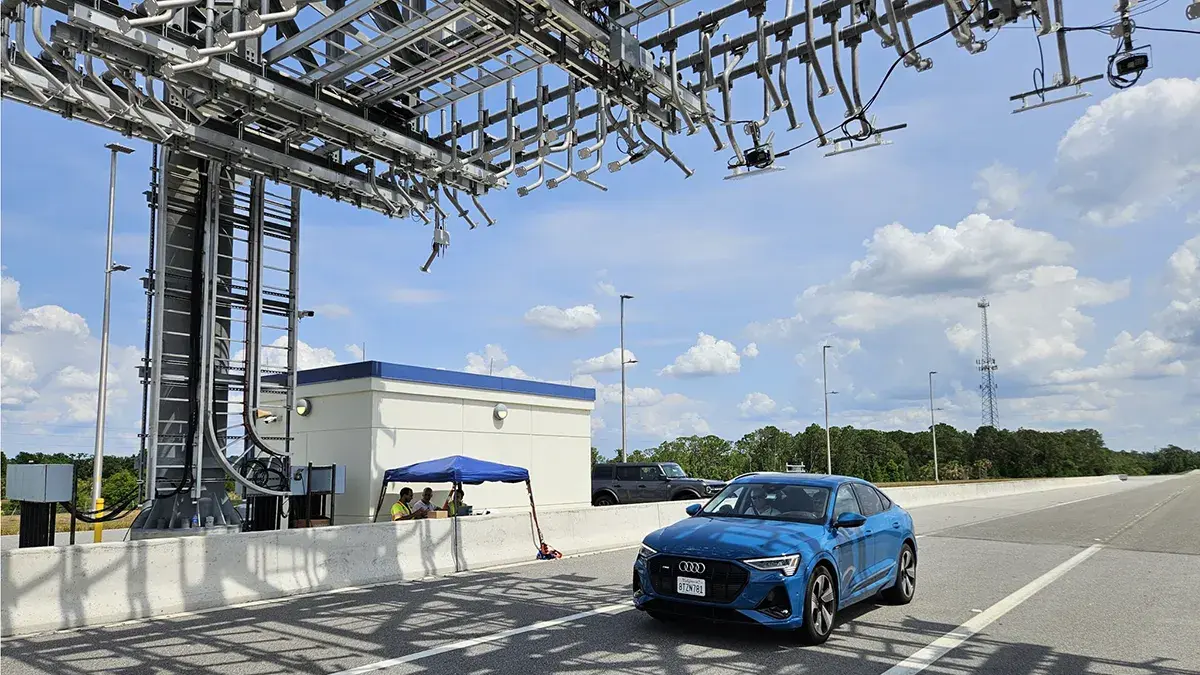
Indra will incorporate its vehicle-to-everything (C-V2X) connected vehicle solution for tolls on North Carolina's I-485 beltway, making it the first road in the United States to feature innovative C-V2X technology for tolls, both in road infrastructure and central systems. This will allow connected vehicles to receive toll information on their on-board system, without the need for mobile applications or additional devices in operation.
The North Carolina Turnpike Authority (NCTA) has chosen Indra to promote the next generation of toll payment systems for connected vehicles equipped with V2X technology in the United States.

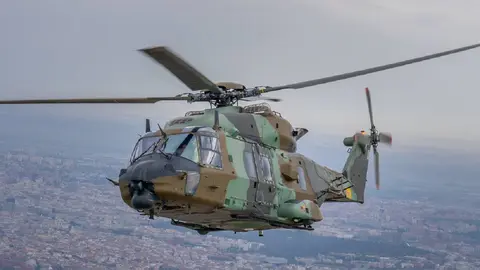
Indra has already successfully tested this technology in the United States as part of its collaboration with Audi and Qualcomm Technologies during the last PlugFest in Orlando, where the versatility of this system, the user experience and its integration into a complete free-flow toll system were demonstrated for the first time. This lays the foundation for how C-V2X-equipped vehicles will help reduce congestion on toll motorways, standardise payments and improve the overall driver experience.
Currently, toll payment depends on several subsystems that have failed to achieve nationwide interoperability. This creates inconveniences for both drivers, when travelling between regions and states, and for the management of those users by agencies. C-V2X technology will enable true interoperability, displaying toll information and historical data directly on vehicle screens. This simplifies the process and opens the door to additional benefits for drivers of vehicles equipped with this technology.
This initiative also plans to reuse the V2X toll infrastructure to improve safety services for drivers by combining C-V2X technology with the advanced 3D LIDAR perception systems developed by Indra. Thanks to proprietary processing software, the data captured by these sensors will be analysed using state-of-the-art algorithms and the events detected will be transmitted in real time to vehicles connected via C-V2X technology, enabling high-precision detection of road events that affect safety, such as information on oncoming kamikaze vehicles, stationary vehicles, pedestrians on the road or slow traffic.
‘Indra has once again demonstrated that collaboration and a commitment to innovation lead to disruptive technologies that benefit transport operators, mobility and travellers. We are delighted that the North Carolina Highway Authority continues to place its trust in our innovative technology to offer a unique experience to its customers,’ said Raúl Ripio, Managing Director of Indra Mobility & Technology at Indra Group.
‘We are working with Indra to usher in the next generation of driving. This project will help us build a safer and more convenient transport network, capable of responding to the future needs of drivers everywhere,’ said JJ Eden, Executive Director of NCTA.
Indra has also deployed its free-flow dynamic toll system on the I-485, consisting of 10 gantries that allow vehicles to be charged automatically without having to slow down. This is a unique solution on the market that integrates all the equipment into the gantries themselves, avoiding the installation of intrusive elements on the road surface and resulting in a more sustainable, efficient solution that promotes smoother and safer traffic flow.
During the ITS World Congress in Atlanta (USA), Indra showed visitors to the congress demonstration area an example of this C-V2X Toll technology and the combination of C-V2X and 3D LIDAR technology.
With a solid and growing presence in the US mobility market, Indra continues to transform mobility on the country's motorways with projects such as the I-66 Outside the Beltway motorway, equipped with overhead free-flow toll systems, automatic high-occupancy vehicle (HOV) detection, LiDAR technology and connected vehicles. In addition, it has implemented the HOV system on the express lanes of the I-95, I-495 and I-395 motorways in northern Virginia.