The food sector is positioned as a strategic economic hub between Morocco and Spain
- Strategic negotiations between Morocco and Spain on food matters
- Growing cooperation and relevant economic data
- Institutions and companies aligned in agri-food expansion
- Morocco as a commercial bridge between Europe and Africa
- Strategic investments and key projects in Morocco
Strategic negotiations between Morocco and Spain on food matters
Morocco and Spain have begun a new round of strategic negotiations on food matters, as the sector accounts for nearly half of the untapped commercial potential.
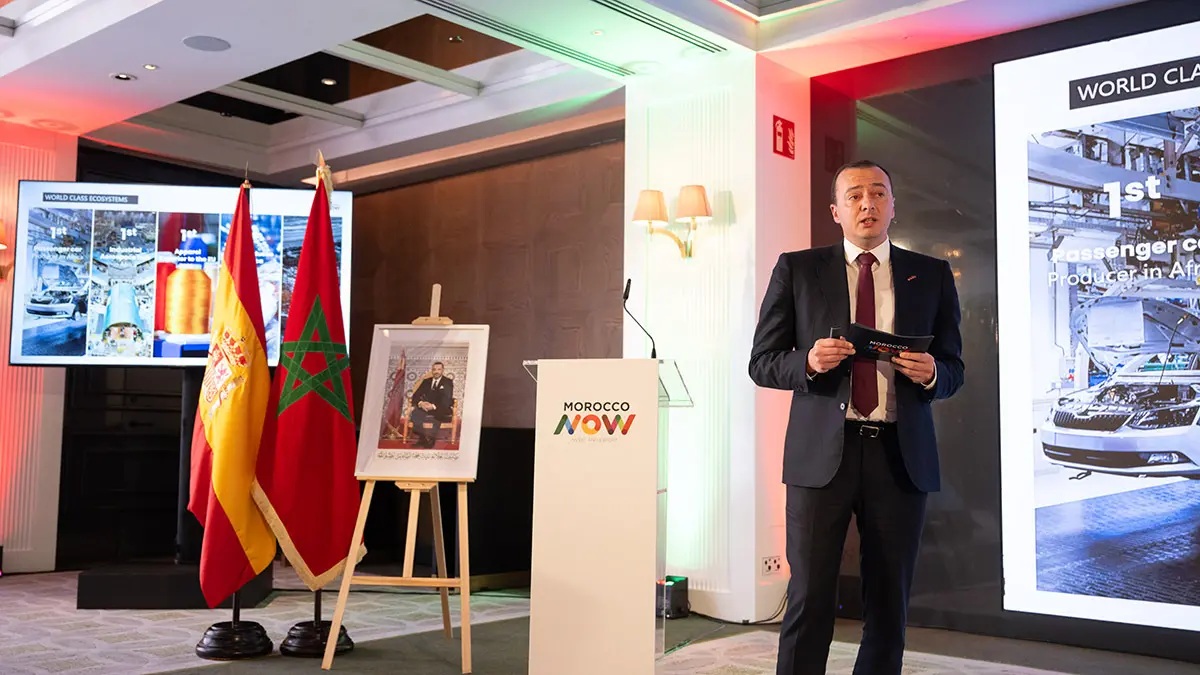
Ali Sedikki, Director General of the Moroccan Agency for Investment and Export Development (AMDIE), pointed out at the Export Morocco Now event that both powers have a unique opportunity to boost the agri-food industry, which accounts for around 9% of Spain's Gross Domestic Product (GDP).
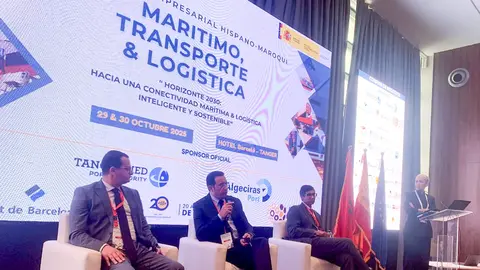
At the conference ‘Moroccan-Spanish agri-food value chains: integration, innovation and market access’, the value of this commercial potential was estimated at 400 million dollars.
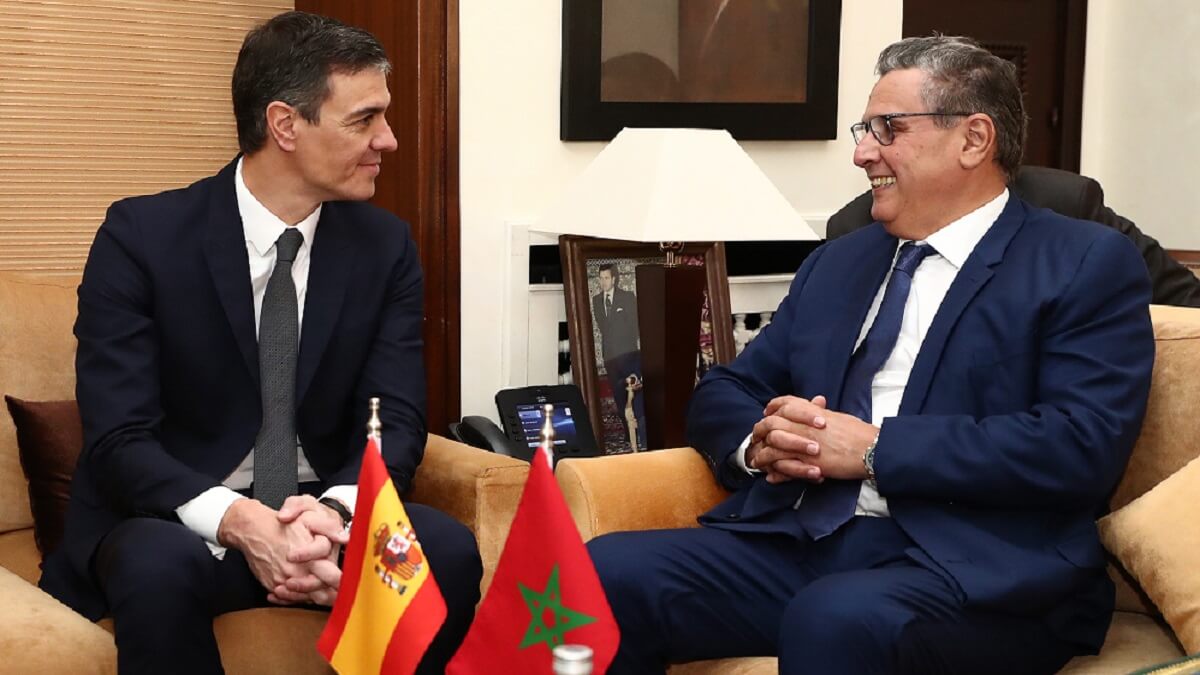
During the conference, Sedikki highlighted the increase in cooperation between Spain and Morocco since the visit of the Spanish Prime Minister, Pedro Sánchez, to Rabat in 2022.
Growing cooperation and relevant economic data
According to World Bank data, since Sánchez's official visit, exports and imports between Rabat and Madrid have increased by 23.6%, exceeding 20 billion dollars for the first time. They are also expected to reach 22.7 billion by the end of the year.
Sedikki specified that the New Face of Investment and the approval of facilities for SMEs in Morocco have been two fundamental pillars for this growth. In just five years, food exports between Morocco and Spain have increased from 430 million dollars to 1.2 billion, confirming that agricultural and food cooperation is in a phase of expansion.
Between 2024 and 2025, the agri-food sector in Morocco provided more than 161,000 jobs in over 2,100 companies across the country (figures from Morocco Now).
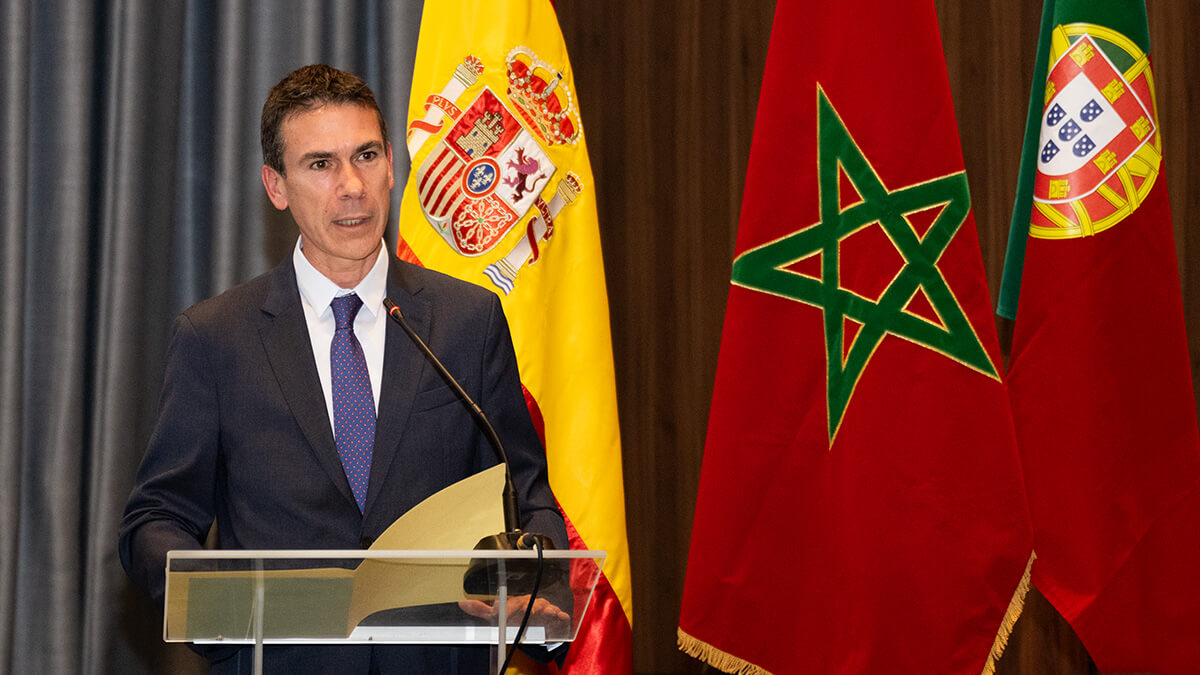
The Spanish ambassador to Morocco, Enrique Ojeda Vila, described these figures as ‘fundamental pillars’, highlighting the potential of the Moroccan workforce and the facilities provided by agencies such as AMDIE and CGEM in attracting foreign investment.
He also emphasised Spain's significant contribution to the Moroccan food sector through the export of technology, efficient irrigation and logistical support.
Institutions and companies aligned in agri-food expansion
In addition to those already mentioned, during the second edition of Export Morocco Now, representatives from the Moroccan Ministry of Investment, Convergence and Evaluation of Public Policies; the Moroccan Export Confederation (ASMEX); the Morocco-Spain Economic Council (CEMAES); and the Crédit Agricole Group of Morocco focused the debate on the importance of integrating the full potential (400 million dollars) of agri-food trade into value chains.
According to the statements made by these representatives, the future of cooperation and the exploitation of the full potential must involve increasing strategic alliances and strengthening logistics and infrastructure.

Morocco as a commercial bridge between Europe and Africa
All this in a context in which Morocco has established itself as the main commercial link between Europe and Africa on the basis of the Rabat trade agreements in the African Continental Free Trade Area (AfCFTA).
In this regard, Sedikki highlighted Morocco's position in Atlantic trade and its power to attract investment from the United States, a major trading partner, and South America.
Strategic investments and key projects in Morocco
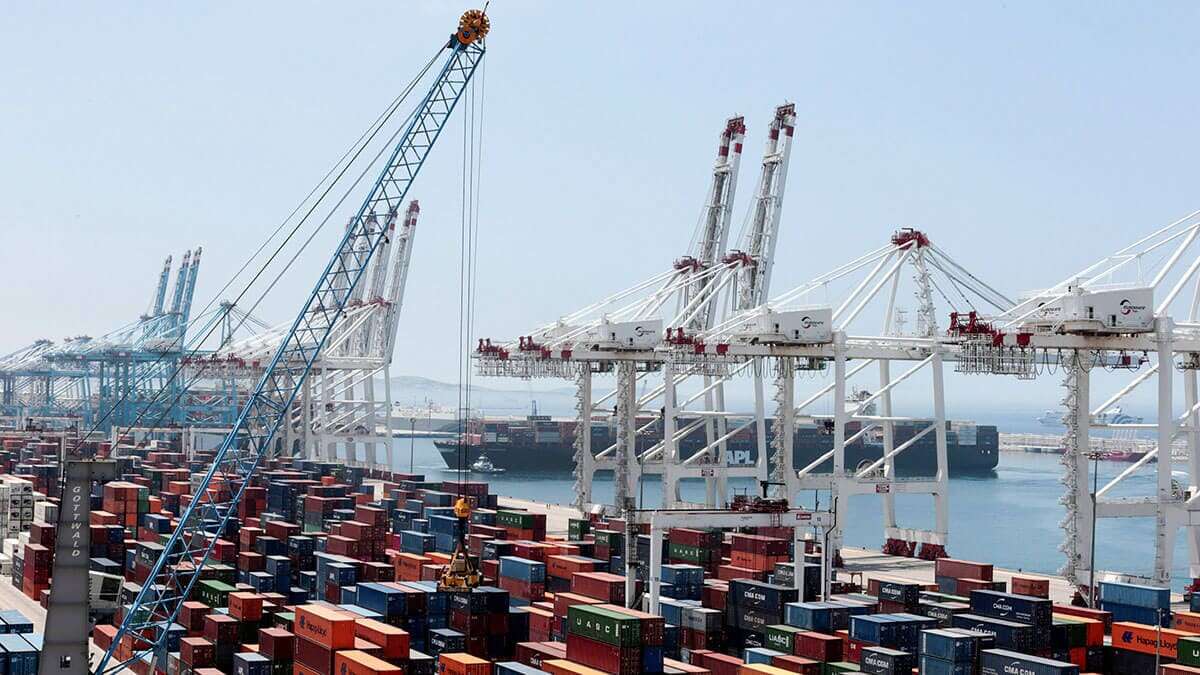
Initiatives such as the Atlantic Facade and the imminent launch of the Atlantic Port of Dakhla, which is expected to be operational by the end of 2026, are the basis on which the director of AMDIE discussed the importance of greater cooperation.
If this dynamic is consolidated, the agri-food sector between Morocco and Spain could reach record figures by 2030, after which the figures would experience positive stagnation.
With sustained growth, good integration of value chains, the signing of more trade agreements, and expansion into new markets such as the American and African markets, the food industry could acquire not only economic but also geostrategic potential, which is likely to be replicated among partner countries in other regions of the world.