Gustavo de Arístegui: Geopolitical Analysis 12 January
Below is an analysis of current global events, structured around key topics for clear and direct understanding, followed by a summary of coverage in the mainstream media

- Introduction
- Iran: more than 500 dead, information blackout and threat of retaliation if the US intervenes
- Washington: Senators from both parties cool the ‘military option’ against Iran
- Syria: US strikes Islamic State targets in broader operation
- Aleppo: departure of Kurdish forces and a Syrian unity still to be stitched together
- Ukraine: Russian night air strike on Kiev
- Venezuela and Cuba: oil, sanctions and the pulse of the hemisphere
- Greenland: the Arctic temptation and the debate on talking to Washington ‘without Copenhagen’
- France: Marine Le Pen, the appeal and the debate on ‘lawfare’
- Japan: rare earth mission sets sail as China tightens supplies
- Rohingya: genocide case opens in The Hague with domino effect
- Media rack
- Editorial comment
Introduction
The world wakes up to a piece of news that, on its own, explains the state of political turmoil in the Middle East: in Iran, a human rights group has already counted more than 500 deaths in two weeks of protests, and the regime is responding with repression, propaganda and an explicit threat to US bases and Israel if Washington crosses the threshold of intervention. This is not an isolated episode; it is a battle for legitimacy, and also a dress rehearsal for deterrence in the Gulf.
At the same time, Syria confirms that the post-Assad era remains unstable, with two simultaneous dynamics: the US military operation against Islamic State and the traumatic and sometimes bloody realignment between Damascus and Kurdish forces in Aleppo. Meanwhile, Ukraine is reminded that Russia's war of aggression does not pause for media fatigue: Kiev is once again suffering night-time attacks and Europe, like it or not, continues to live in the shadow of a conflict that is redefining its security.
And on the geo-economic chessboard, Japan is venturing into the deep sea to search for rare earths, just as China is tightening the tap on strategic minerals. Competition for the ‘subsoil’ (geological, maritime and financial) is consolidating as one of the key issues of 2026: from the Arctic—with Greenland exploring direct dialogue with Washington—to The Hague, where the Rohingya case at the International Court of Justice promises to set precedents on how genocide is proven and redressed.
Iran: more than 500 dead, information blackout and threat of retaliation if the US intervenes
Facts
Reuters puts the death toll at ‘more than 500’ in the wave of protests, citing HRANA: 490 protesters and 48 verified members of the security forces, and more than 10,600 detainees. The context is an economic crisis that is mutating into outright opposition to the clerical regime. In response, President Trump insists on ‘strong options’ and the Iranian leadership is toughening its warning: the speaker of parliament, Mohammad Baqer Qalibaf, says that in the event of an attack, Israel and ‘all US bases and ships’ would be ‘legitimate targets’. All this is compounded by an internet blackout that complicates independent verification of what is happening on the ground.
Implications
The Tehran regime is attempting the classic move: turning internal protest into an ‘external siege’ to rally the undecided. The verbal escalation is not harmless rhetoric: in a regional environment saturated with armed actors and networks affiliated with the regime, the ‘response’ could take asymmetrical forms, from harassment of Western interests to sabotage or maritime pressure. The central risk is misreading: that Washington thinks the threat is a bluff and Tehran believes that deterrence through intimidation buys it impunity.
⚡BREAKING: Millions are marching in Iran right now AGAINST Israel-backed rioters
— ☪︎ 𝐀𝐁𝐔 𝐇𝐔𝐍𝐓𝐄𝐑 👑 (@HUNTER1994BC) January 12, 2026
Mainstream media will never show you this because it doesn’t serve their agendaaa pic.twitter.com/yIrFrStqeh
Washington: Senators from both parties cool the ‘military option’ against Iran
Facts
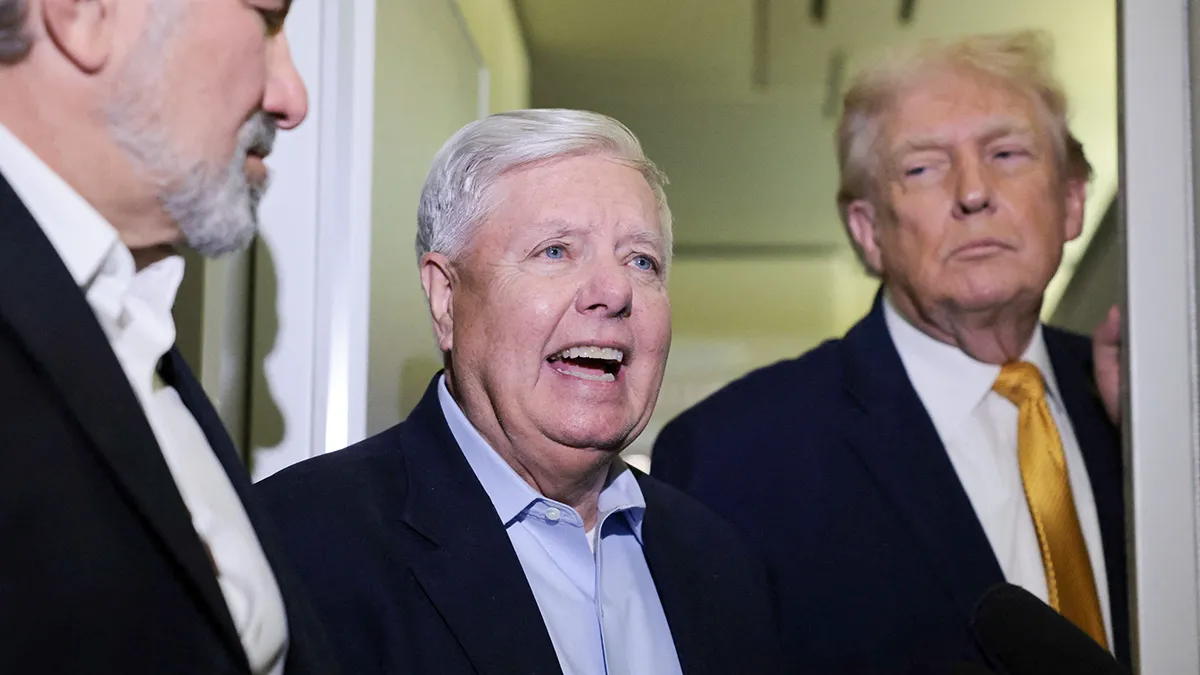
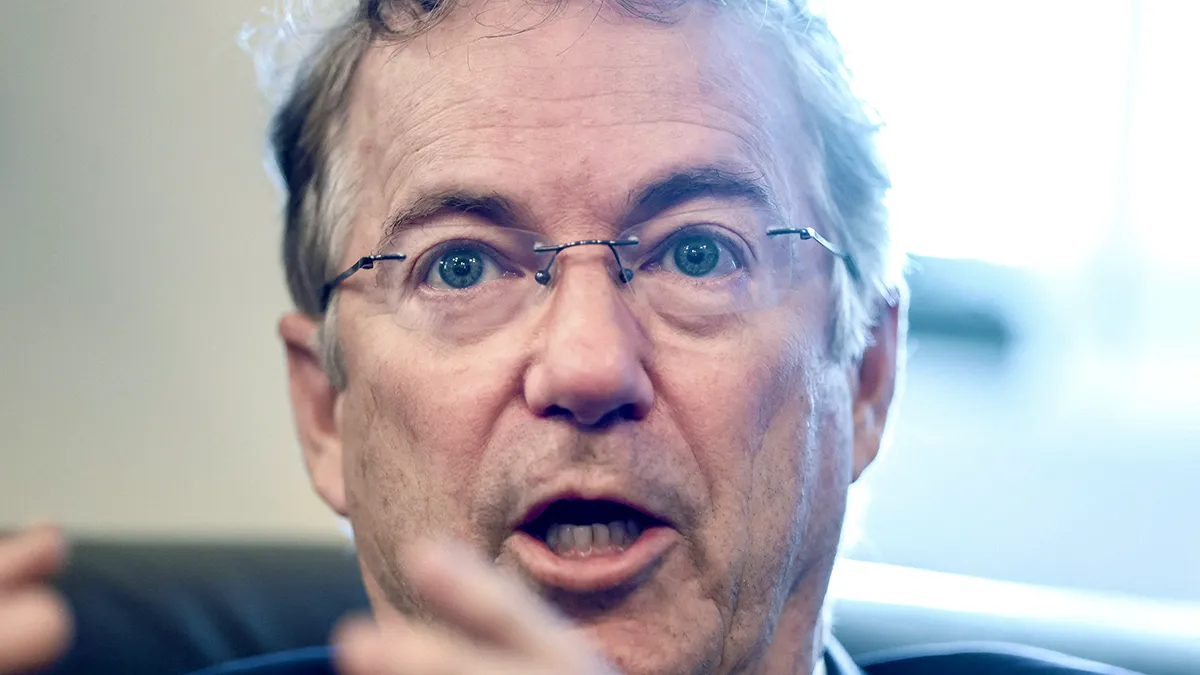
In the US debate, Reuters reports explicit scepticism: Rand Paul warns that ‘bombing Iran’ may not achieve the desired effect, and both he and Mark Warner warn of the flag effect that would end up strengthening the regime. Warner advocates diplomatic pressure and an international coalition. At the same time, tougher voices are cited, such as Lindsey Graham, who calls for emboldening protesters and raising the cost to the regime.
Implications
Here a structural tension emerges: ‘muscle’ foreign policy may be effective in the Western Hemisphere against criminal networks, but in Iran the terrain is different: a state with missile capabilities, a regional network and a historical memory of foreign intervention. The Senate's caution is not pacifism; it is calculation. And in that calculation, the decisive factor will be what combination of pressure works without giving the regime the narrative of an external enemy. The question is not whether to act, but how and with what international legitimacy—through briefings and with allies watching.
Syria: US strikes Islamic State targets in broader operation
Facts
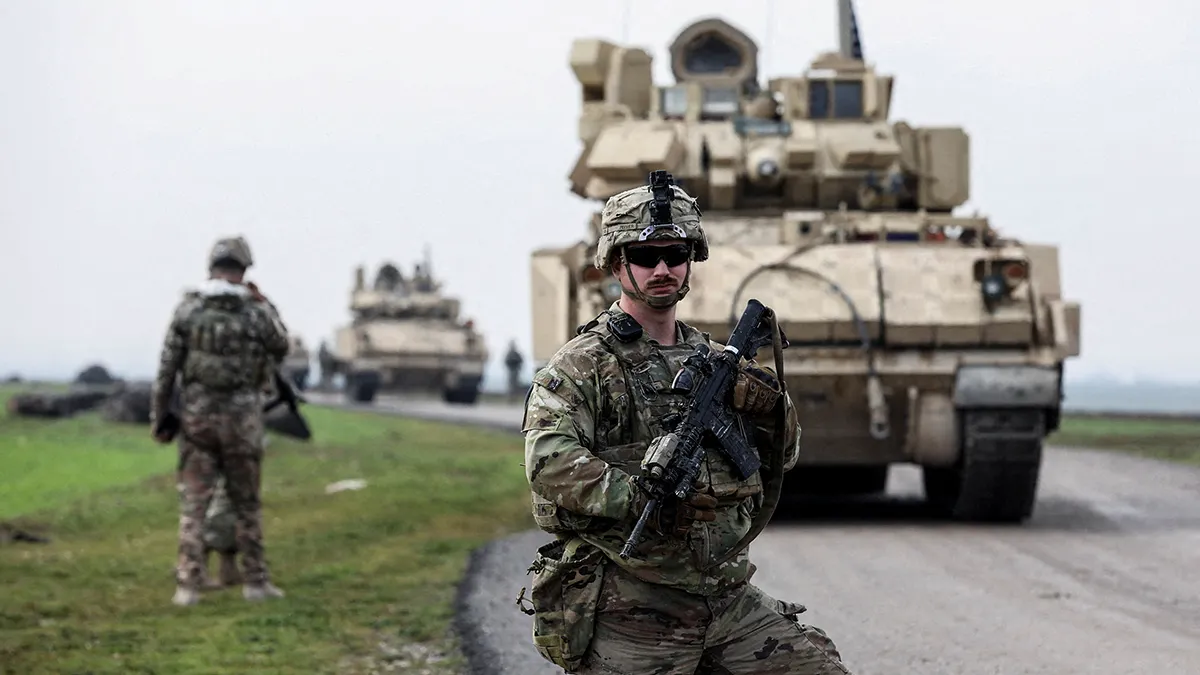
The US military command reported multiple strikes against Islamic State targets in Syria as part of an operation that began in December following an attack on 13 December in which two US soldiers and a civilian interpreter were killed. Reuters reports that CENTCOM did not specify casualties in the bombings and notes that around 1,000 US military personnel remain in Syria.
Implications
The strategic interpretation is twofold. On the one hand, the aim is to prevent Daesh/ISIS from rebuilding its capabilities in the post-conflict vacuum. On the other hand, it sends a message of persistence: the US is not withdrawing from the Syrian stage, even if the media spotlight has shifted. The problem is that each counter-terrorism operation coexists with Syrian domestic politics and regional actors who interpret these movements as a show of force, not simply as “air policing”.
Aleppo: departure of Kurdish forces and a Syrian unity still to be stitched together
Facts
Reuters reports the departure of the last Syrian Democratic Forces (SDF) fighters from Aleppo following an internationally brokered ceasefire and evacuation agreement. The enormous humanitarian impact is highlighted: more than 140,000 displaced by the fighting, and mutual accusations of attacks on civilian infrastructure. US envoy Tom Barrack called for ‘maximum restraint’ and a return to dialogue.
Implications
Post-Assad stability cannot be achieved solely with promises to ‘unify the country’. The relationship between Damascus and the Kurdish structures is the great test of credibility for the new order: real integration or forced recentralisation. And here the word proxy (interposed force) becomes relevant again: Turkey, Russia and even non-state actors are watching and pushing for the balance to fall where it suits them. The risk is that Aleppo will set a precedent: if it is resolved by imposition, the north-east may burn; if it is resolved by agreement, Syria may begin to look like a state.

Ukraine: Russian night air strike on Kiev
Facts
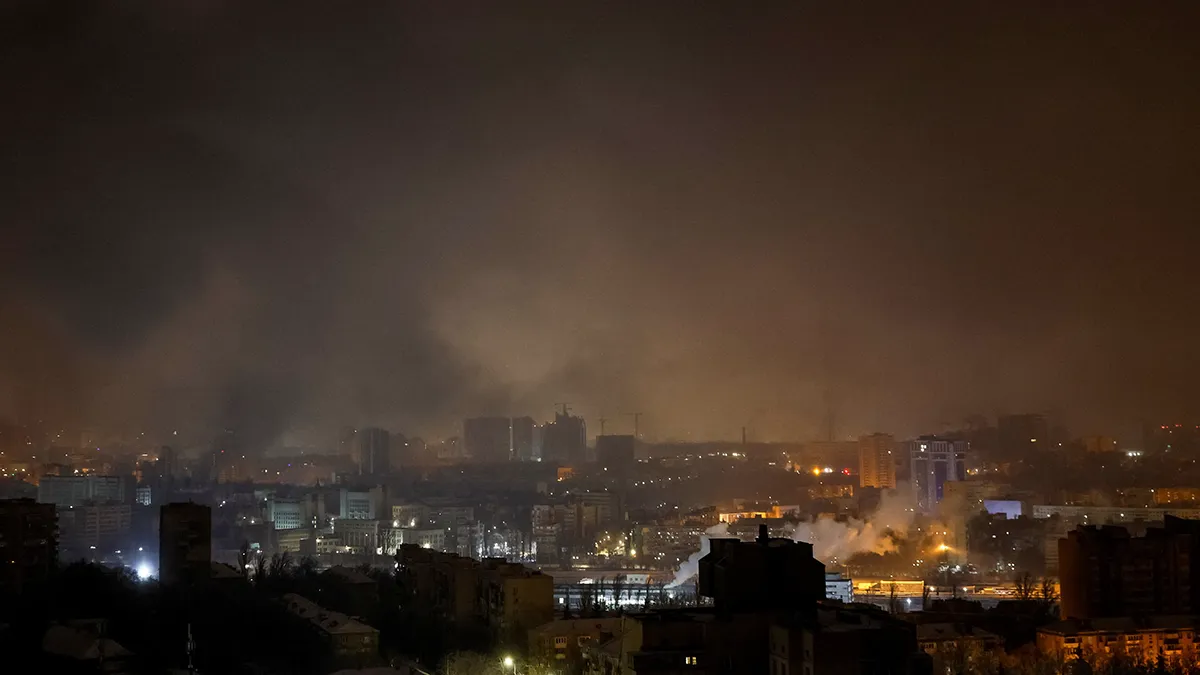
Reuters reports a Russian night air strike on Kiev that caused a fire in one of the districts, according to the Ukrainian army. Air defences were attempting to repel the attack, according to the head of the capital's military administration.
Implications
There can be no ‘normality’ as long as Russia continues its aggression and uses attrition—military, psychological and energetic—as a tactic. For Europe, the message is the same as always: peace cannot be bought with territorial concessions or relativism. It is defended with deterrence, sustained support and consistency. The alternative is the pedagogy of the bully: if it works in Ukraine, it will be exported.
Venezuela and Cuba: oil, sanctions and the pulse of the hemisphere
Facts
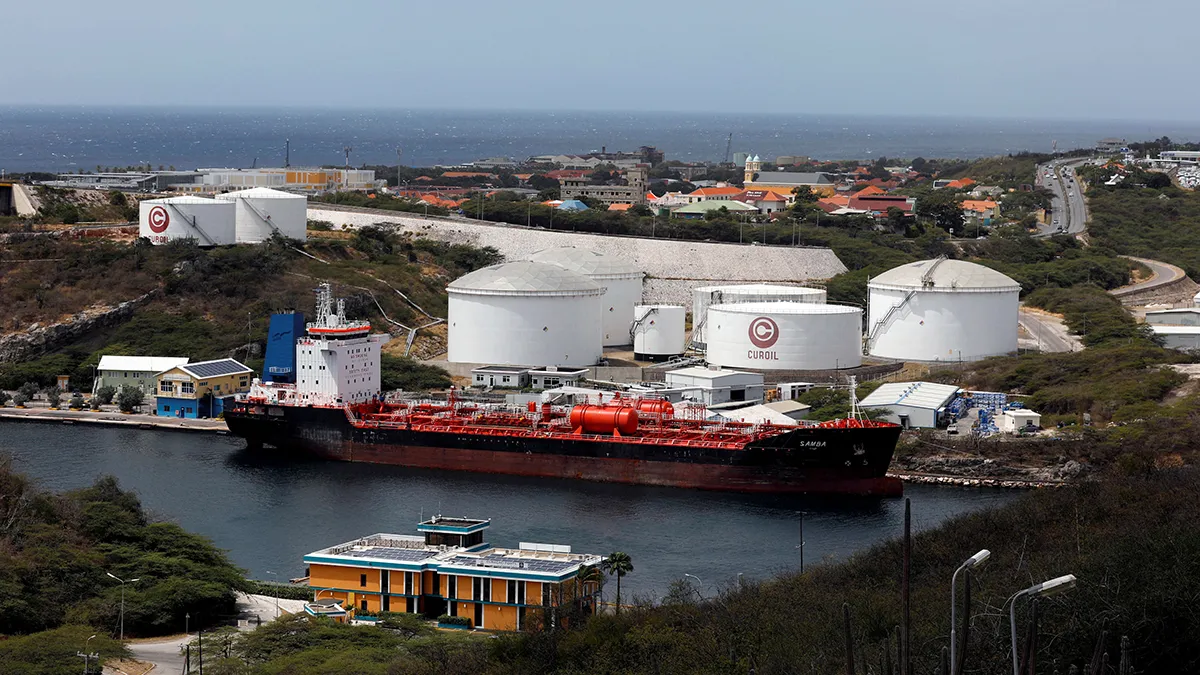
Reuters reports that Trump warned Cuba that it will no longer receive Venezuelan oil or money and suggested that the island ‘make a deal’ with the US. The same article states that, since the capture of Nicolás Maduro by US forces in early January, no shipments have left for Cuba, according to maritime transport data, as part of an oil blockade. At the same time, it mentions an agreement in progress between Caracas and Washington for $2 billion to supply up to 50 million barrels to the US, with revenues under Treasury supervision.
In geo-economic terms, Scott Bessent told Reuters that additional sanctions could be lifted ‘as early as next week’ to facilitate crude oil sales and that he anticipates meetings with the IMF and World Bank on their re-engagement with Venezuela, exploring the use of some $3.59 billion in frozen SDRs (special drawing rights), equivalent to about $4.9 billion at the time.
On the security front, the State Department maintains Venezuela at level 4 (‘Do not travel’) and recommends leaving ‘immediately’ due to serious risks and the lack of US consular capacity.
The Guardian adds a disturbing element: reports of armed militias (colectivos) setting up checkpoints and searching for Americans, which is prompting evacuation.
And the Financial Times, in a complementary vein, delves into the dimension of networks: Venezuela's connection to Hezbollah, in the ecosystem of transnational crime and opaque financing.
Implications
This is the great test of the ‘iron fist’ with a compass. Pressuring Havana and dismantling the Chavista apparatus—now with a change in power—is consistent with a hemispheric policy of defending liberal democracy and combating the narco-state. But the management of oil and sanctions requires a scalpel, not an axe: lifting measures without real conditionality can rebuild corrupt elites with fresh money. The key will be a design of verifiable incentives: reinstitutionalisation, electoral guarantees, transitional justice and the dismantling of criminal networks.
To put it bluntly: the region does not need ‘cosmetic change’, it needs to close the cycle. And that closure must be legal, orderly and oriented towards freedom, not revenge.
Greenland: the Arctic temptation and the debate on talking to Washington ‘without Copenhagen’
Facts
Reuters reports political moves in Greenland to explore direct talks with the US without Denmark, a sign of friction within the Danish realm at a time when Washington is once again looking to the Arctic as a strategic frontier. At the same time, Reuters itself frames this tension within the context of Trump, who has spoken of acquiring Greenland ‘by purchase or by force,’ in a logic of geopolitical pressure that transcends rhetoric.
Implications
Greenland is not an eccentricity: it is an intersection of defence, sea routes and resources. For Atlanticists, the point is not ‘who buys what’, but how to preserve the cohesion of allies and the legitimacy of the order. If the Arctic becomes a market for sovereignties, a dangerous door is opened: the same logic that Russia uses to justify annexations disguised as ‘fait accompli’. Allies must strengthen dialogue and strategic investment in the north without turning Greenland into an object, but rather an actor.

France: Marine Le Pen, the appeal and the debate on ‘lawfare’
Facts
The Financial Times details that Marine Le Pen is appealing her conviction for embezzling €4.4 million in EU funds, which led to a five-year disqualification. The outcome will determine her ability to compete in 2027 and, according to the FT itself, Le Pen has suggested that if she fails, she would back Jordan Bardella.
Implications
Europe has more at stake here than just a name: it is gambling with the credibility of the rule of law and the cleanliness of its political financing, without falling into the temptation of turning the courts into a substitute for politics. Some will cry ‘lawfare’ and others will celebrate a ‘cordon sanitaire’ via the courts. Both simplifications are dangerous. The mature response is more uncomfortable: transparency, procedural guarantees and a political debate that does not shy away from the substance.

Japan: rare earth mission sets sail as China tightens supplies
Facts
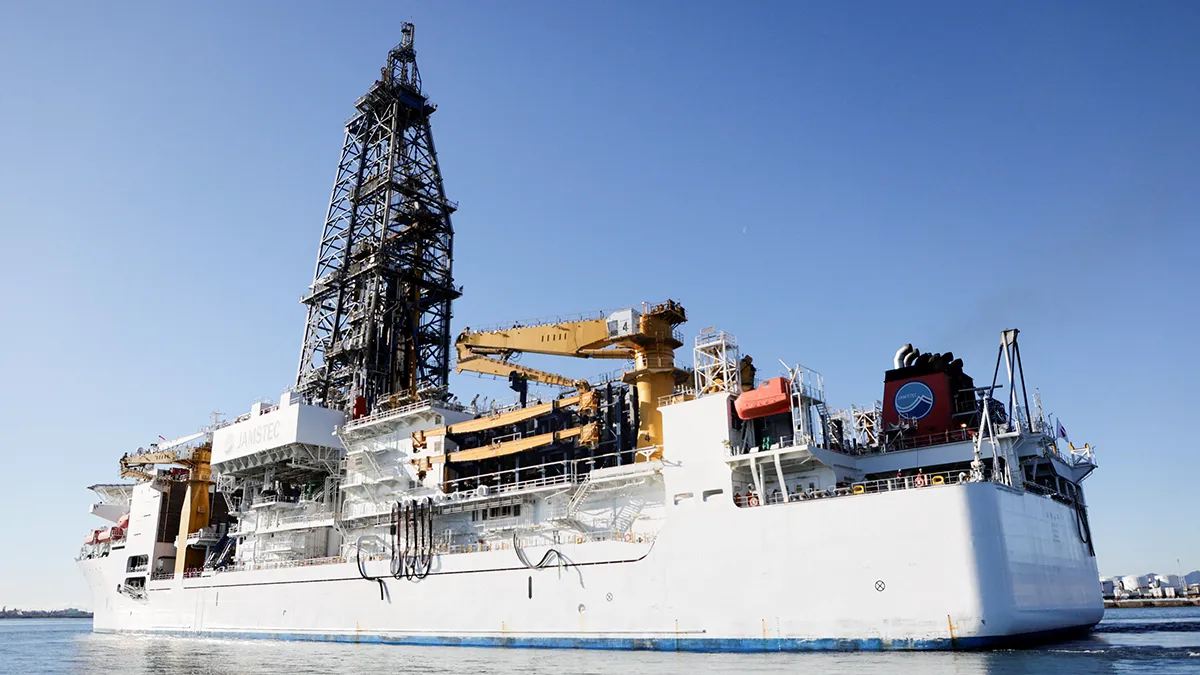
Reuters reports on the departure of the Japanese vessel Chikyu for Minamitori to test continuous extraction of rare earth-rich sludge from a depth of 6 km, a technical and symbolic milestone in Japan's strategy to reduce its dependence on China. The same article reports that China has banned exports of dual-use goods (civilian and military), including critical minerals, to the Japanese military sector, and that G7 finance ministers will discuss rare earth supplies in Washington.
Implications
The geopolitics of 2026 will be written with minerals. Whoever controls the supply chain controls the pace of industry, the energy transition and much of defence. Japan is doing what Europe should have done years ago: diversify, invest and accept that strategic dependence always comes at a price, even if the bill takes time to arrive. The unknown factor is the balance between urgency and sustainability: underwater mining may open up environmental and regulatory debates which, if well managed, will be an advantage; if poorly managed, they will be propaganda ammunition for Beijing.
Rohingya: genocide case opens in The Hague with domino effect
Facts
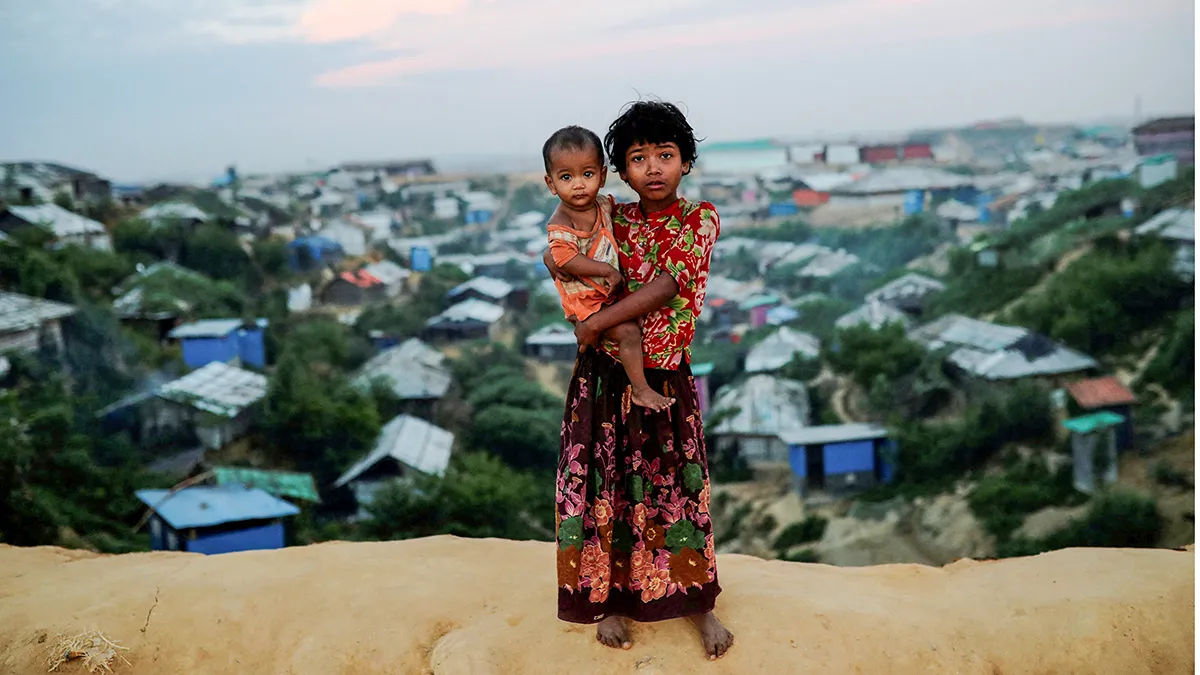
Reuters reports on the opening of a landmark case at the International Court of Justice (ICJ) accusing Myanmar of genocide against the Rohingya minority. It highlights that this is the first genocide case to be heard by the court ‘in full’ in more than a decade, with potential implications for other litigation, including South Africa's case against Israel over Gaza. The Gambia filed the lawsuit in 2019, and the article recalls the mass exodus of 2017 (at least 730,000 Rohingya to Bangladesh) and the findings of a UN mission on ‘genocidal acts’.
Implications
International justice moves slowly, yes, but when it sets doctrine, it changes the terrain. This case may redefine standards of proof and reparation and raise the political cost of impunity. For those of us who defend representative liberal democracy, the ICJ is a reminder: the law does not replace politics, but it frames it. And in a world where dictatorships and militias thrive on fog, legal clarity is a weapon of civilisation.
Media rack
Reuters operates as the informational backbone of the day: figures, chronology, cross-checked sources and the complete risk map—from Iran to Kiev, from Aleppo to Venezuelan oil. Its value today is continuity: it connects pieces that others treat as isolated episodes (protest, sanction, attack, evacuation).
The Financial Times looks where it hurts investors and the system: in France, the political future conditioned by the courts; and in Venezuela, the shadow of illicit networks and connections with actors such as Hezbollah. It is an approach based on power and money: who finances, who captures institutions, who inherits the state.
The Guardian emphasises the humanitarian and rights angle: militias, civil fear, displacement, and the human cost as a narrative compass. In Venezuela, its focus is on the immediate safety of citizens and post-operation volatility; in Syria, on expulsion and displacement.
AP provides the terrain: specific neighbourhoods, hospitals, first responders, and the portrait of destruction in Aleppo, without the abstraction of ‘strategic balance’. It is a reminder that geopolitics is also measured in streets and shelters.
The Washington Post introduces an issue that Europe cannot continue to postpone: the vulnerability of critical infrastructure and the threat of sabotage as a political method. What seems ‘local’ in Berlin is, in fact, a continental pattern of exposure.
Fox News reinforces the security framing of Venezuela, aligned with an audience that prioritises immediate risks and the protection of citizens. It is a barometer of how the crisis is communicated within the US.
Official sources set the legal and operational perimeter: level 4, immediate departure and absence of consular capacity. In an environment of militias and controls, this carries more weight than any talk show.
Editorial comment
There are days when the news seems like a catalogue of fires; and yet the pattern is recognisable: the clash between regimes that survive through coercion and societies that no longer accept the price of lies. Iran is the most stark example: the theocratic regime has turned prosperity into privilege and dissent into a crime. It is not enough to be outraged; we must be intelligent. Punish the regime, yes. Support society, too. But avoid the mistake that has so often served as a lifeline for dictators: giving them an external enemy to cover up their internal failure.
In Ukraine, Europe's moral and strategic position is unambiguous: Russian aggression is the very negation of the European order. This is not a matter of cold ‘interests’; it is a matter of principles. And if Europe wants to remain the mainstream of freedom and prosperity, it must invest in defence, resilience and political will, without complexes.
In the Western Hemisphere, the Venezuelan-Cuban shift encapsulates an uncomfortable truth: narco-dictatorships export crime, misery and destabilisation. Here, a firm, realistic and legally sustained policy can be virtuous. But success is not measured only in arrests or sanctions; it is measured in rebuilt institutions, clean elections and dismantled criminal networks. If oil returns without conditions, so too will the temptation to capture the state. And if there are also connections to terrorist or criminal structures, the duty of vigilance is absolute.
In this context, the position that befits Europe — and Spain — is not melancholic equidistance, but a clear commitment to Atlanticism, to freedom in the face of regimes that fire on their own people, and to a reformed but open globalisation that does not hand over control of our strategic supply chains to those who despise our values. History will judge harshly those who, in the name of sentimental pacifism or reflexive anti-Americanism, prefer to look the other way while the Tehran regime shoots to kill, Chavism is converted into a “normalised” oil kleptocracy, and Beijing uses rare earths as a silent weapon of coercion.
Finally, Japan reminds us that geo-economics is no longer a “technical” issue: it is sovereignty. Rare earths are not a laboratory data point; they are industrial capacity and defence. And while the world debates headlines, those who secure supply chains and solid alliances win the future without firing a shot.