Algeria accepts Morocco's autonomy plan for the Sahara as the only basis for final negotiations to resolve the conflict
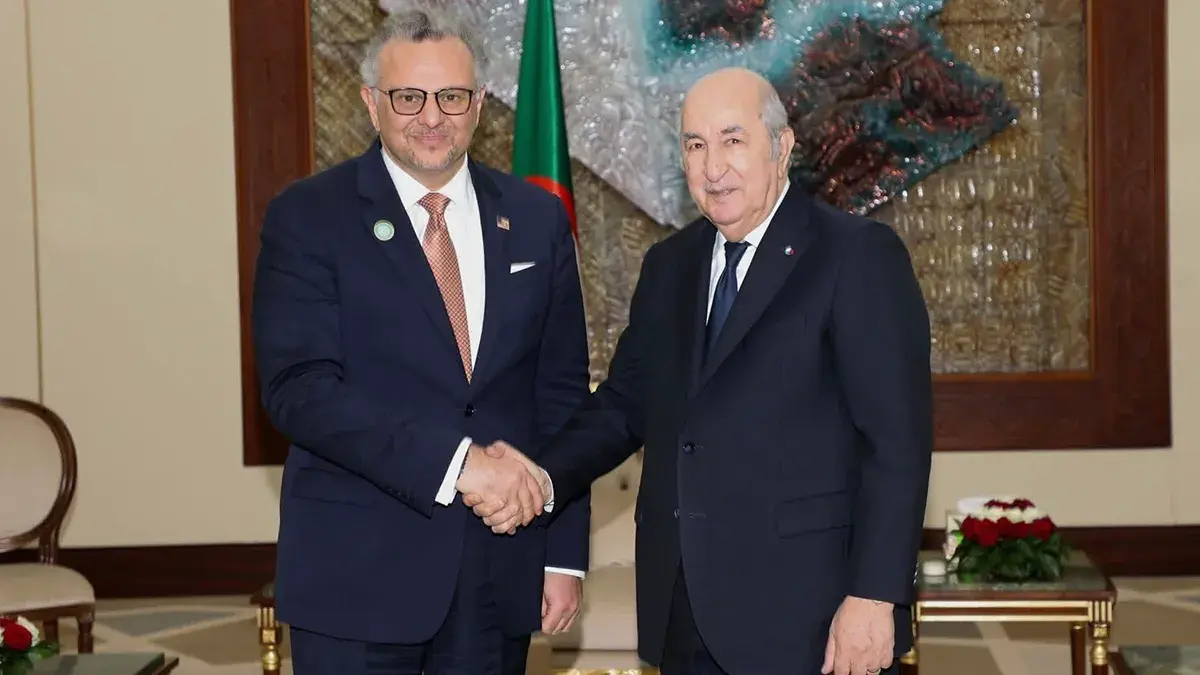

The United States has succeeded in getting Algeria, sitting at the table as a participant and not as an observer as it had sought in the past, accept and recognize the Technical Document proposed at the meeting, which considers the Moroccan autonomy plan for the Sahara under its sovereignty as the only negotiating document on the table for technical discussions, thus closing any option for alternative proposals, which until then had been supported by Algiers and the Polisario. Some divergent positions on relevant issues between Algerians and Polisarios did not go unnoticed.
The four parties also agreed to create a “Permanent Technical Committee.” This committee will be composed of legal experts from Morocco, Algeria, and Mauritania, under the joint supervision of the United States and the UN. Its mission will be to examine the specific modalities for implementing autonomy in the Sahara, particularly in the areas of taxation, the judicial system, and local security.
Among the results of the meeting was the creation of the Madrid 2026 Roadmap as a procedural agreement that set the date for the next round of talks in Washington in May with the aim of signing a political framework agreement.
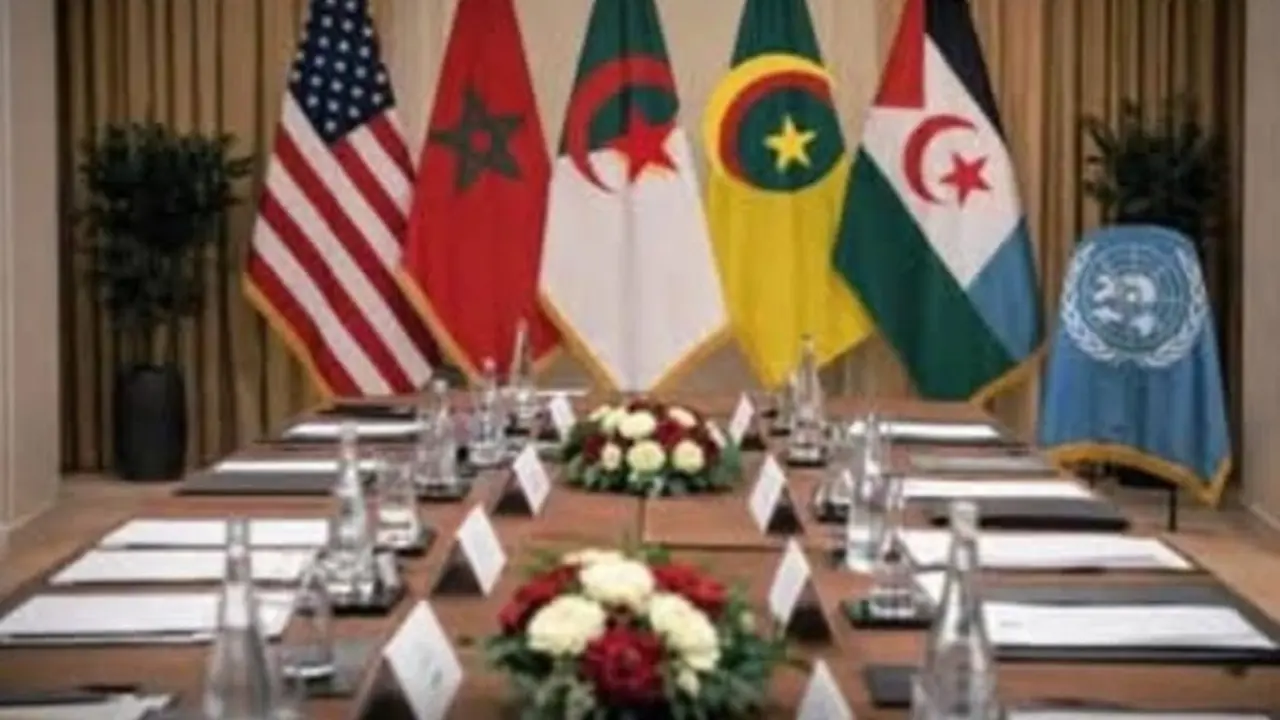
The US Embassy in Madrid organized a meeting on Sunday, February 8, to negotiate the Sahara issue. Representatives from Morocco, Algeria, Mauritania, and Polisario were present, as well as Staffan de Mistura, the UN Secretary-General's personal envoy for Western Sahara.
According to a source close to the meeting, this first meeting underscored the preeminence of the Moroccan autonomy initiative.
The US delegation, Massad Boulos, President Trump's special envoy for North Africa, and Mike Waltz, head of the US mission to the UN, led the meeting with a clear premise, which the attendees were already aware of when they agreed to participate in the meeting in Madrid, namely the United Nations Security Council resolution of October 31, 2025, which considers the 2007 autonomy plan for the Sahara under Moroccan sovereignty to be the most realistic and reliable basis for negotiating the conflict.
This argument and the US intention to end the conflict, repeatedly expressed during the four-hour meeting described as difficult and complicated, served to soften some Algerian and Polisario positions, among other issues, regarding terminology.
There continues to be disagreement over the term “self-determination.” Morocco insists that it is achieved through “autonomy,” while Algeria tried to stick to the classic formulation, but US pressure tipped the balance in favor of the Moroccan position.
What has been established in Madrid is a change of method. The transition is being made from a conflict frozen in ideological positions to a concrete, technical process under strong US tutelage.
Expanded Autonomy Plan
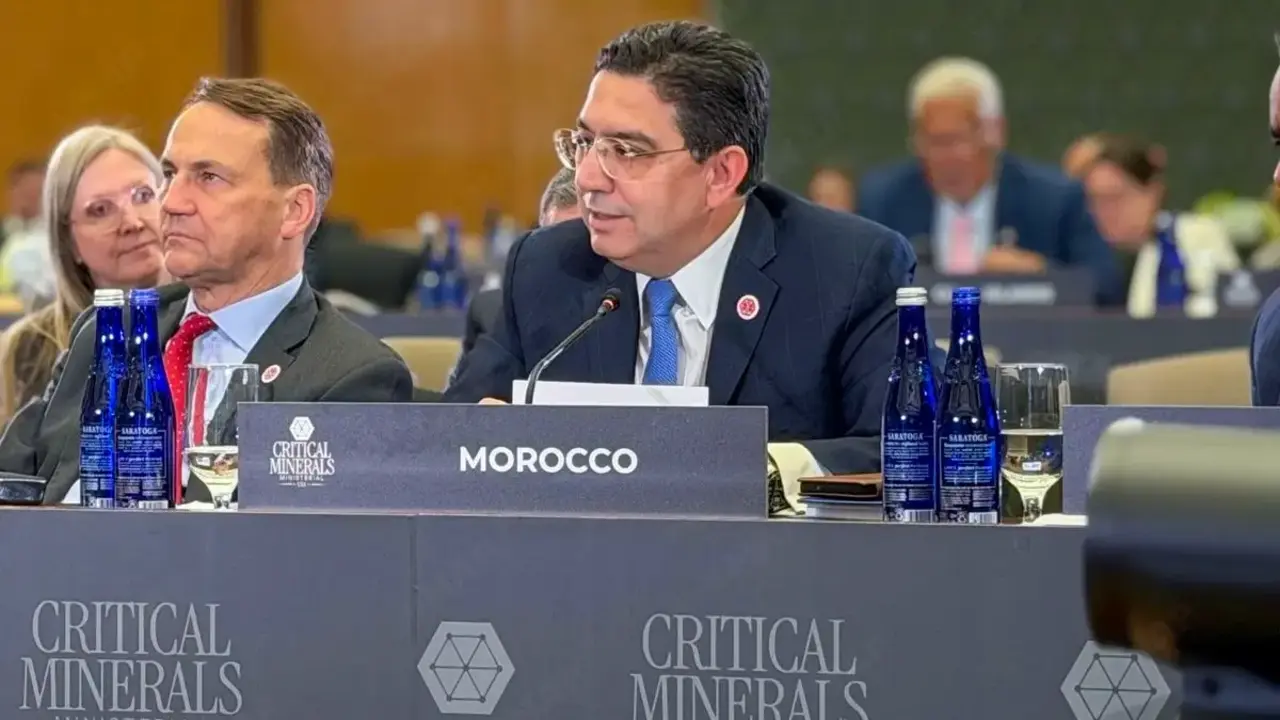
One of the most significant steps taken at the meeting was the presentation by Moroccan Foreign Minister Nasser Bourita of the 40-page autonomy plan for the Sahara, which is perfectly designed and structured around the different sectors that affect citizens.
The Moroccan minister presented the autonomy plan through detailed slides on institutional architecture, taxation, justice, and local security, effectively transforming the discussion into a technical examination rather than an open political debate. It became a technical working meeting with content of transcendental importance for the interests and future of the citizens of the Moroccan Sahara.
At the end of this meeting, Morocco emerged as the “diplomatic winner,” having succeeded in imposing the discourse of “political realism” and making its autonomy plan the sole reference point for future discussions. The United States, for its part, has established itself as the only mediator capable of bringing the four parties together around the same table on this sensitive issue, overcoming years of paralysis at the UN.
Meeting without a photo
According to some impressions of participants in the meeting, the Algerian delegation accepted the roadmap in principle, but wants to come out of this situation with its head held high in the eyes of public opinion. Minister Ahmed Attaf also requested time to prepare the ground, due to concerns about internal problems.
Algeria is keeping quiet about the real reason for the visit of its foreign minister, Ahmed Attaf, to Madrid. Meanwhile, in the Tindouf camps, Bachir Mustapha Sayed criticized, in an article published on Sunday, the holding of talks that do not guarantee “the self-determination of the Sahrawi people.”
The Spanish side recommended that the Polisario Front take advantage of this historic opportunity and return to their homeland. Meanwhile, the Mauritanian delegation said it encourages all parties to accept autonomy, as it will benefit the Maghreb region.
Washington attempted to promote a group photo that included the foreign ministers of Morocco, Nasser Bourita, and Algeria, Ahmed Attaf, plus US representatives Massad Boulos and Michael Walsz, as well as Steffan de Mistura, personal envoy of the UN secretary-general, also present at the meeting, to send a strong message of success to the world.
The Algerian delegation flatly refused to appear in a photo with the Moroccan delegation, which would suggest political normalization before a final solution. Algeria faces the greatest diplomatic pressure in its history in managing this conflict.
An official statement from Washington is expected in the coming hours, likely with strong language such as “unwavering support for Moroccan sovereignty over the Sahara” and “a call on the parties to move towards the practical implementation of the Madrid Roadmap 2026.”