Gustavo de Arístegui: Geopolitical Analysis 19 December

- Introduction
- The EU changes tack: from Russian assets to joint borrowing to finance Ukraine (2026–2027)
- Russia intensifies the ‘electricity war’: 180,000 consumers without power after night-time attacks
- Kyiv strikes Russian logistics: three dead in drone attacks in Rostov
- Gaza on the brink of operational collapse: UN and more than 200 NGOs warn of Israeli obstacles
- Venezuela: ‘blockade’ of sanctioned oil tankers, tension with Moscow and manoeuvres towards China
- Taiwan: Washington approves largest arms package in its history (£8.2 billion)
- China loosens with one hand and tightens with the other: “fast-track” licences for rare earths
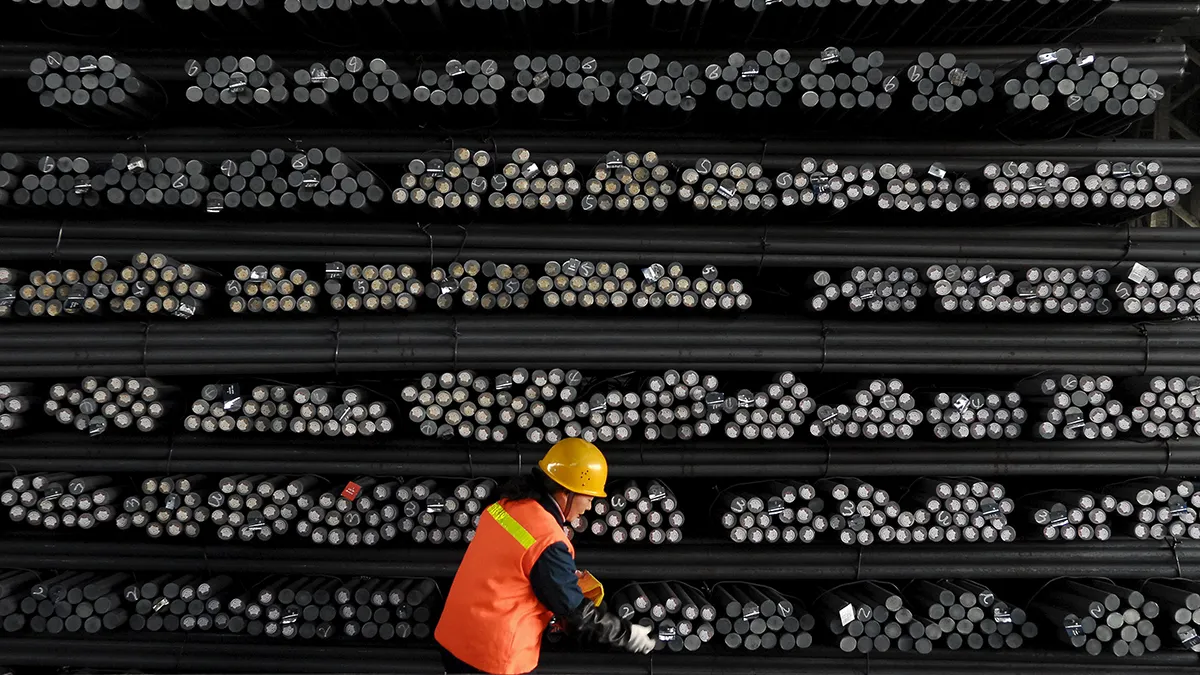
- China to regulate steel exports with licences from 2026
- China's ‘Manhattan Project’ for chips: advances in EUV, but still far from Western monopoly
- EU–Mercosur stalls: France is not ready; Brazil presents it as a geopolitical priority
- US-China rivalry: geoeconomics, gold and technology
- India consolidates its position as an Indo-Atlantic pivot
- Media Rack
- Editorial comment
Introduction
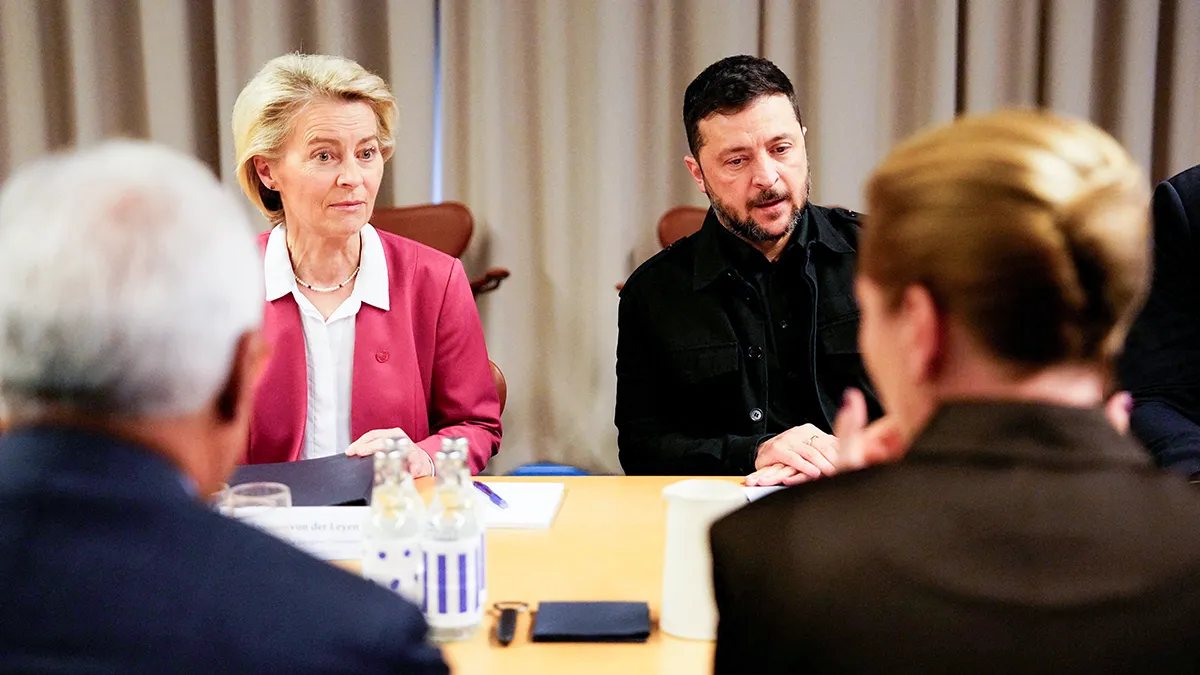
The last 24 hours have provided a clear—and worrying—picture of the state of the world: war is being waged with drones and debt, and Europe is still learning, belatedly, that geopolitics is not administered; it is exercised. In Brussels, after hours of negotiation, the EU has opted for joint borrowing to guarantee €90 billion to Ukraine in 2026–2027, putting aside — for now — the direct use of frozen Russian assets, although keeping the file open.
On the front line, Moscow insists on its most cynical strategy: punishing electricity, transport and civilian life. Kiev, in turn, shows that it is not willing to be a passive victim: it strikes Russian logistics with drones in Rostov.
In the Middle East, the humanitarian dimension is once again a strategic vector: the UN and more than 200 organisations warn of a possible operational collapse in Gaza due to administrative and registration obstacles imposed by Israel.
And in Asia, the world is entering a phase of industrial deterrence: Washington approves the largest arms package for Taiwan; Beijing responds with tight control of rare earths, steel export licences and a technological “Manhattan Project” effort to break the Western monopoly on advanced chips.
The EU changes tack: from Russian assets to joint borrowing to finance Ukraine (2026–2027)
Facts
The EU agrees on €90 billion in support for Ukraine for 2026–2027 and, given the complexity and political cost of the plan to use frozen Russian assets as immediate collateral, decides to finance itself through joint borrowing on the markets, secured against the EU budget.
The text excludes Hungary, Slovakia and the Czech Republic from obligations and guarantees, a formula that unlocks unanimity.
At the same time, the EU and Parliament will continue to work on a loan ‘based on’ the frozen assets of the Russian Central Bank, with one key rationale: Ukraine would only repay it when it receives reparations from Moscow, and until then, Russian assets would remain frozen.
The sticking point remains Belgium: 185 billion of a total of 210 billion are in Euroclear, and Brussels is demanding guarantees against legal and liquidity risks; Russia has already made its move with lawsuits, including a $230 billion claim against Euroclear.
Implications
Europe avoids the financial vacuum of 2026–2027, but the message is ambiguous: it guarantees money, but delays the morally more justified blow, which would be to turn the aggressor's money into structural leverage to defend the victim. In the immediate term, this is good; strategically, it is insufficient.
Furthermore, ‘unity by exception’ — removing three states from the effort — buys time, but also normalises internal sabotage. If the EU does not prioritise strategic cohesion, it will end up governed by blocking minorities.
Russia intensifies the ‘electricity war’: 180,000 consumers without power after night-time attacks
Facts
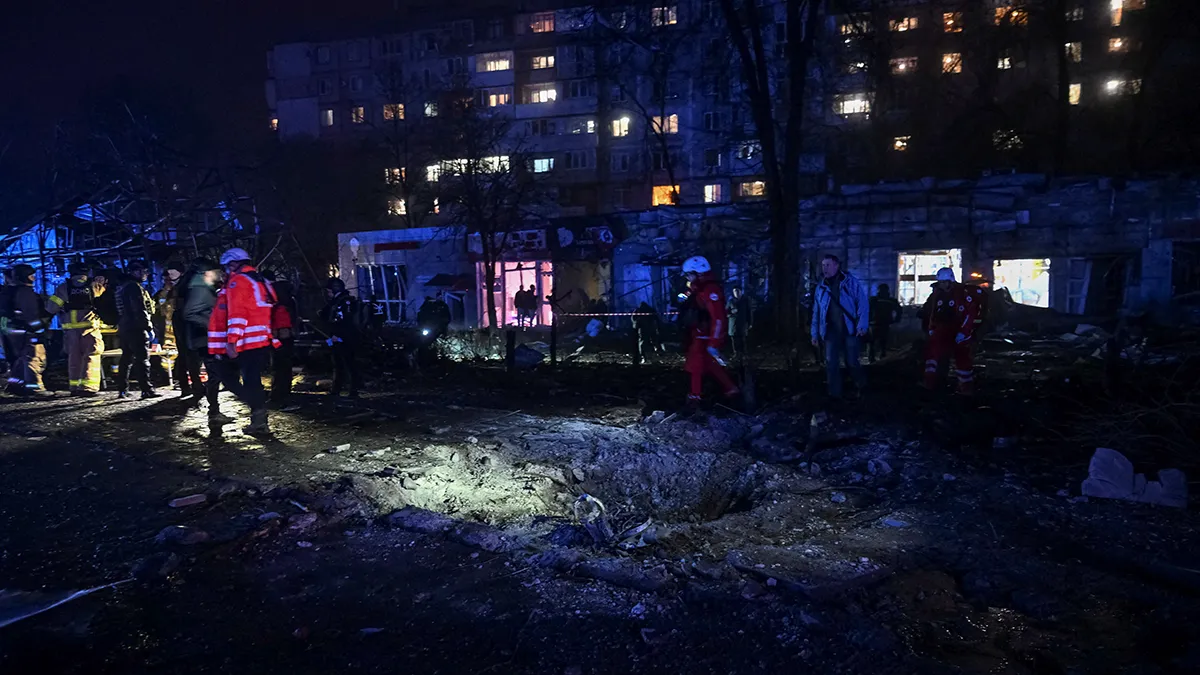
Ukraine reports 180,000 consumers without power after a Russian night-time attack, affecting five regions (including Mykolaiv, Zaporizhzhia, Cherkasy, Dnipropetrovsk and Sumy).
In the Odessa area, a drone attack kills a woman and injures her three children, damaging energy infrastructure and causing prolonged blackouts, as well as affecting routes to the Danube.
A ‘massive’ assault on Cherkasy is also reported, with injuries and power cuts.
Implications
This is not collateral damage: it is doctrine. Moscow seeks social exhaustion, political pressure and logistical collapse in winter. The Western response must be twofold: air defence and industrial-scale repair capacity. Otherwise, the war will be decided in substations and transformers, not on maps.
Kyiv strikes Russian logistics: three dead in drone attacks in Rostov
Facts
Drone attacks attributed to Ukraine in the Russian region of Rostov leave three dead, including two crew members of a cargo ship set on fire in the port of Rostov-on-Don; there are casualties among the crew and in Bataysk.
Implications
Ukraine attempts to break the Kremlin's psychological monopoly: the war also reaches the Russian rear. It is a legitimate instrument of pressure in an existential war, but it must be maintained with discipline: military and logistical targets, not indiscriminate spectacle. Every miscalibrated step is propaganda ammunition for Moscow.
Gaza on the brink of operational collapse: UN and more than 200 NGOs warn of Israeli obstacles
Facts
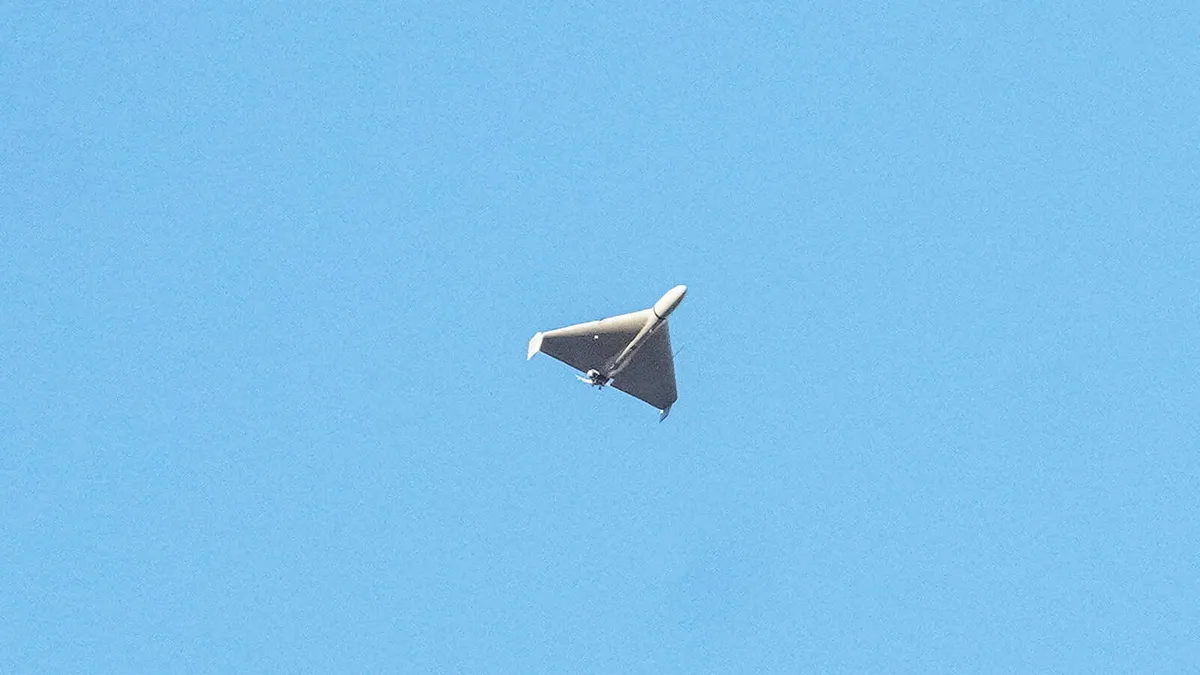
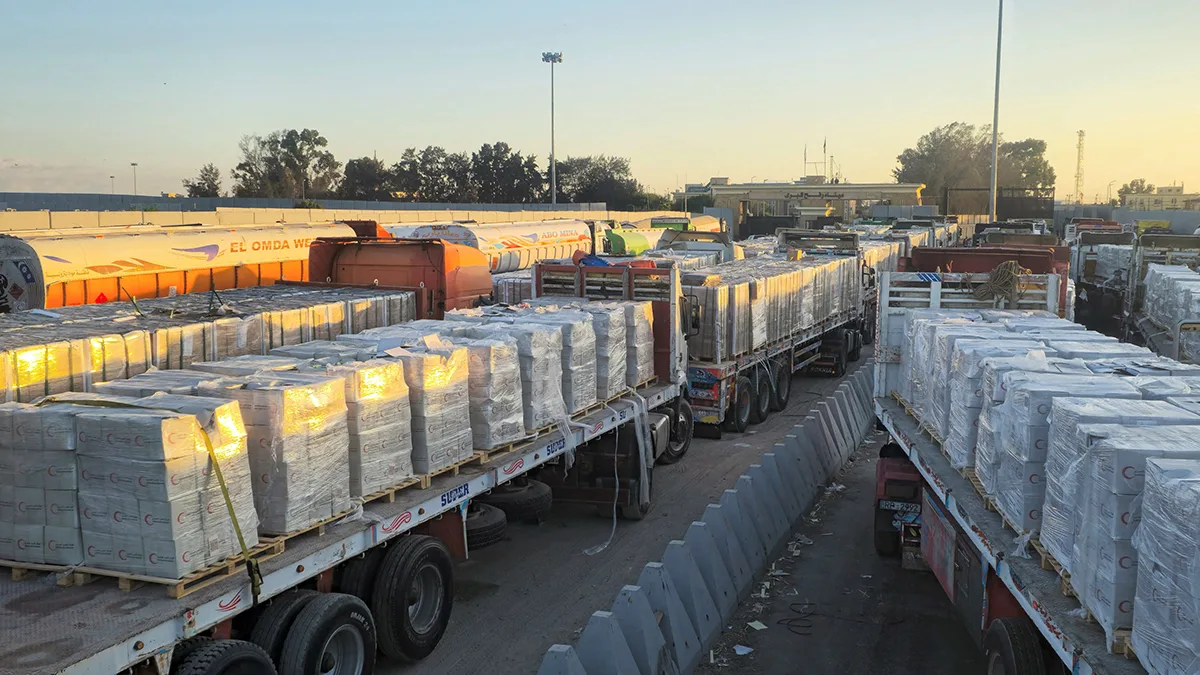
The UN and humanitarian organisations warn that the aid operation in Gaza could collapse if obstacles are not removed, including a registration policy described as ‘vague, arbitrary and highly politicised’, which would put numerous NGOs at risk of closure.
Implications
Israel has the right—and the duty—to defend itself against Hamas, a terrorist organisation. But the strategy cannot be divorced from reality: without operational humanitarian capacity, stabilisation is impossible, and the vacuum is filled with radicalisation and jihadist networks. The humanitarian field is not charity: it is security.
Venezuela: ‘blockade’ of sanctioned oil tankers, tension with Moscow and manoeuvres towards China
Facts
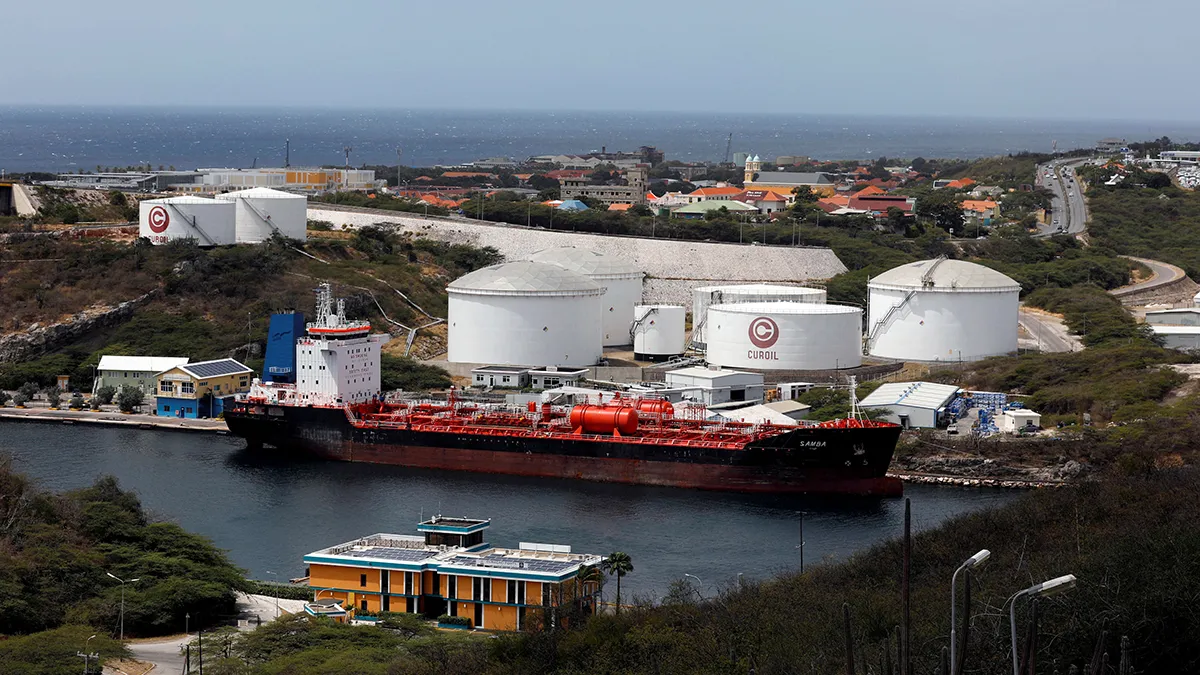
Trump's order for a ‘total and complete blockade’ of sanctioned oil tankers entering or leaving Venezuela has paralysed part of the traffic for fear of seizures, putting pressure on the regime's main source of income.
At the same time, PDVSA is authorising the departure to China of two unsanctioned supertankers with cargoes of around 1.9 million barrels each, while the phenomenon of the ‘shadow fleet’ and the switching off of transponders persists.
Implications
Let's not mince words: Chavismo is a narco-dictatorship. Striking at its financial muscle can be effective if done intelligently and with regional coordination. The risk is an asymmetrical response from the regime and a search for oxygen in Tehran and Moscow. Precisely for this reason, the pressure must be sustained, legal and operational, not merely rhetorical.
Taiwan: Washington approves largest arms package in its history (£8.2 billion)
Facts
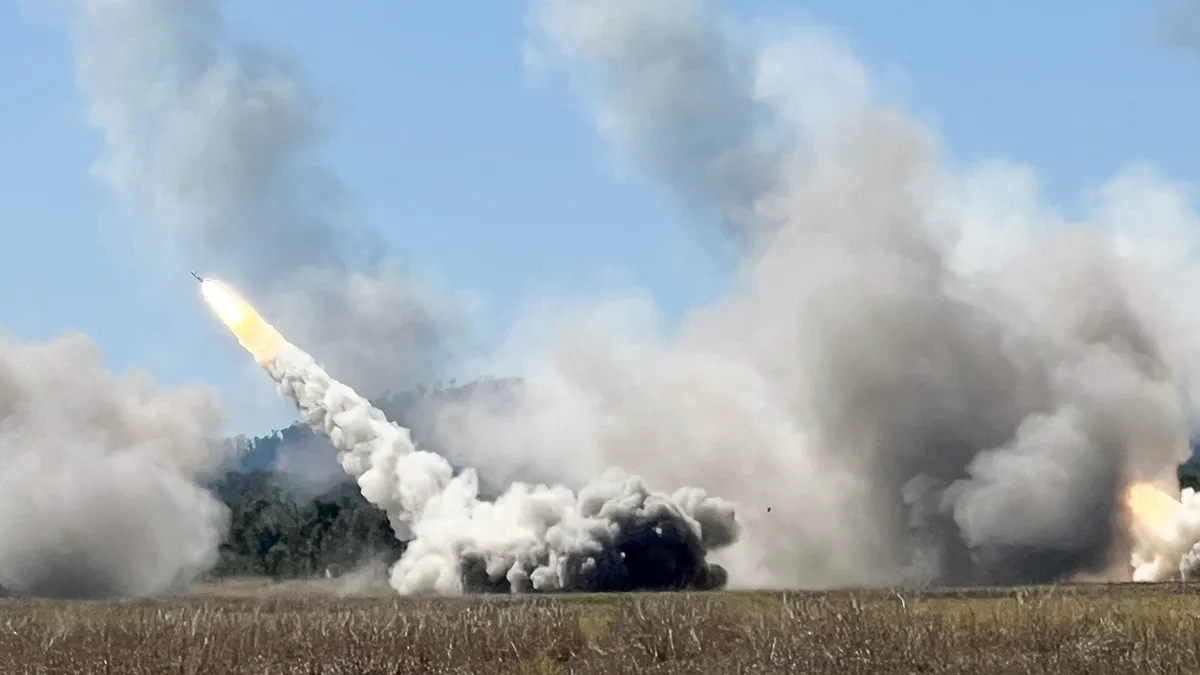
The United States announces an £8.1 billion package of HIMARS, howitzers, anti-tank missiles and drones, aimed at bolstering Taiwan's “asymmetric warfare”; China reacts with condemnation.
Implications
Deterrence in the Strait cannot be sustained with communiqués. It is sustained by capability, ammunition, social resilience and political clarity. For Europe, this is a warning: if the Indo-Pacific becomes destabilised, the cost will reach our shores in the form of inflation, shortages and industrial crisis.
China loosens with one hand and tightens with the other: “fast-track” licences for rare earths
Facts
Beijing confirms that it is beginning to issue general licences to speed up exports of rare earths, which are essential for the automotive and high-tech industries; the EU says there are reports, but no full clarity on the beneficiaries.
Implications
The lesson is simple: dependence is not negotiable, it is paid for. Today it accelerates; tomorrow it slows down. If Europe does not reduce its exposure, it will remain hostage to an administrative stamp issued in Beijing.

China to regulate steel exports with licences from 2026
Facts
China introduces an export licence system for some 300 steel products from 2026 to monitor exports and trade frictions, claiming alignment with WTO rules.
Implications
This is not a ‘technicality’: it is both defensive and offensive industrial policy. Chinese overcapacity puts pressure on markets; the world responds with barriers; Beijing perfects its control. Europe must strengthen its industry — without complexes — if it does not want to become a museum with impeccable regulations and closed factories.
China's ‘Manhattan Project’ for chips: advances in EUV, but still far from Western monopoly
Facts
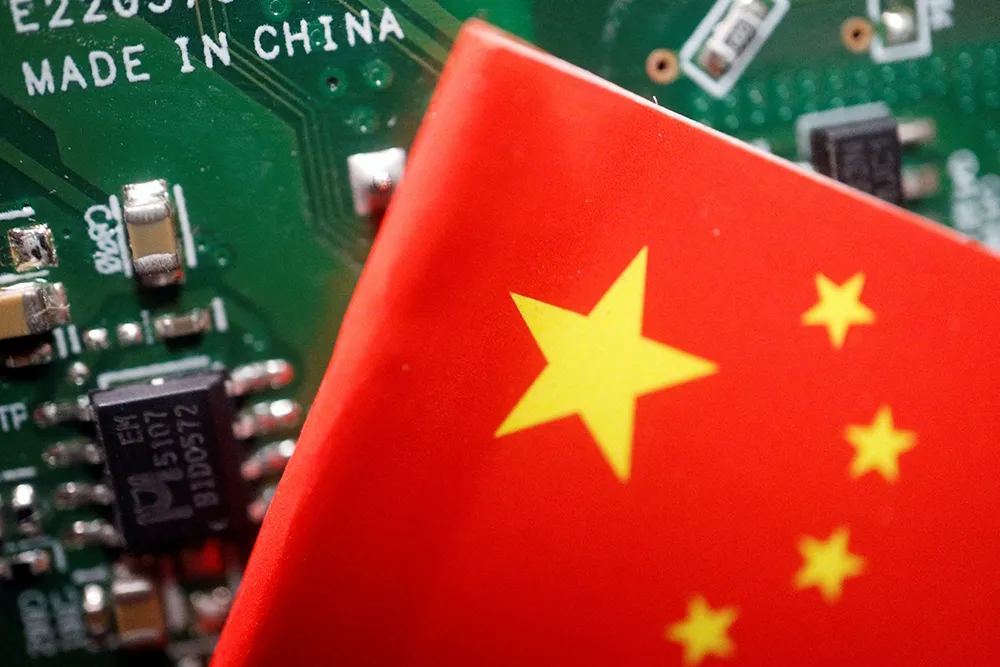
Research describes a Chinese state effort to develop EUV lithography: an operational prototype that generates EUV light, with an official goal of advanced domestic chips by 2028 (sources suggest closer to 2030).
Implications
Sanctions slow things down, but they do not stop them. China is playing the long game, with state resources and a clear goal: technological independence with military and industrial projection. The West can only respond with serious investment, alliances and protection of critical chains.
EU–Mercosur stalls: France is not ready; Brazil presents it as a geopolitical priority
Facts
Macron reiterates that France is not ready to sign the agreement, citing reciprocity and stricter controls; Brazil insists that the pact is a geopolitical priority and regrets the delay in signing.
Implications
Europe is mistaken about its enemy: immobility opens the door to China in Latin America. Safeguards yes; reflexive blocking, no. Mercosur is geopolitics, not just tariffs.

US-China rivalry: geoeconomics, gold and technology
Facts
Macroeconomic analyses for the end of 2025 point to a global ‘soft landing’: reasonable growth, additional interest rate cuts and resilient trade despite tariff threats, albeit with serious medium-term risks due to public over-indebtedness.
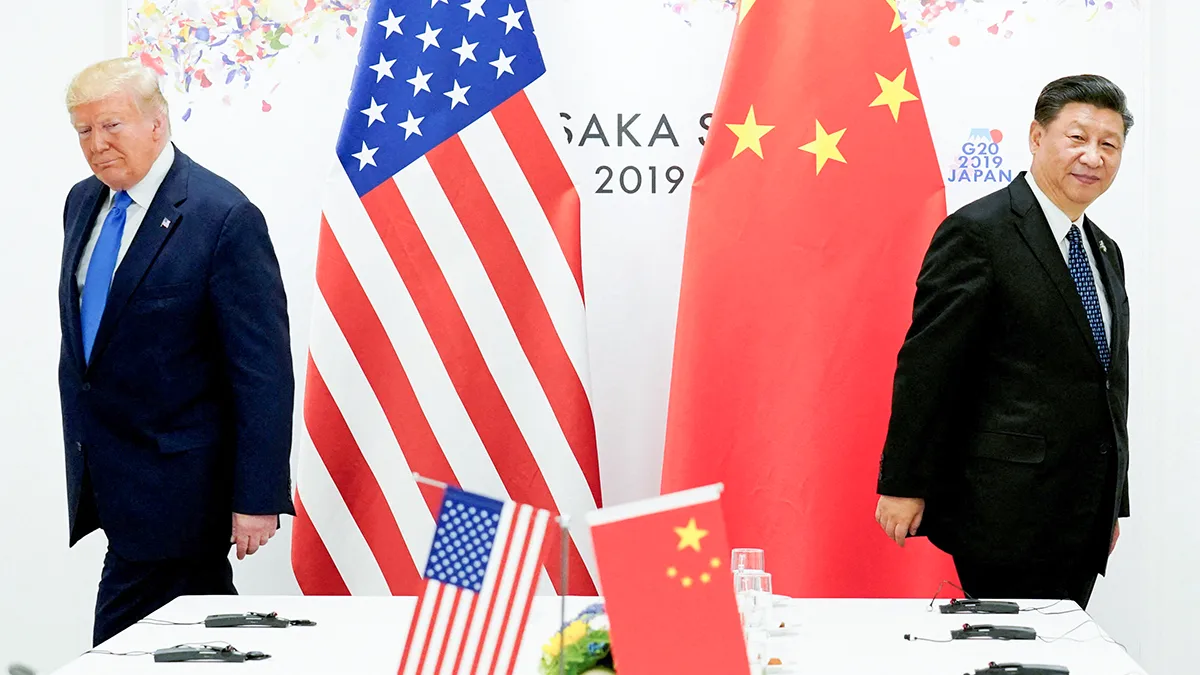
Geoeconomics is consolidating its position as a central tool in the US-China rivalry, with tensions surrounding supply chains, technological control and the use of precious metals and strategic raw materials as instruments of power.
Implications
A world fragmented into trade and technology blocs favours organised autocracies that know how to play on supply chain dependencies; therefore, the response cannot be indiscriminate protectionism, but rather an intelligent strategy of diversification, industrial resilience and the defence of free but not naive trade.
Chinese expansionism in Asia, the Indo-Pacific and Africa cannot be combated with solemn declarations, but with economic presence, solid investment agreements, credible maritime security and a transatlantic alliance that regains strategic ambition; otherwise, Beijing will continue to buy silence and goodwill with credit and infrastructure.
India consolidates its position as an Indo-Atlantic pivot
Facts
India and Oman have signed a Comprehensive Economic Partnership Agreement that strengthens India's presence in the Gulf and consolidates the country as a key player in trade and energy connectivity between Asia, the Middle East and Africa.
The pact comes at a time when New Delhi is balancing its relations with Washington and Moscow, while positioning itself as an alternative to Chinese hegemony in Asia.
Implications
India's consolidation as an Indo-Atlantic power offers an extraordinary opportunity for the West to forge a democratic axis to counterbalance China, provided that New Delhi is accepted as a partner with its own interests, not merely as a “junior ally”.
For Europe and Spain, the lesson is obvious: those who are late to this new map of alliances will be relegated to irrelevance; the void will not be filled by good intentions or pro-European rhetoric, but by investment, high-level diplomatic presence and the ability to offer real alternatives to Chinese and Russian influence.

Media Rack
Reuters
The day is marked by three key developments: (1) the European decision to finance Ukraine with joint debt, leaving the direct use of Russian assets for later; (2) the intensification of the Russian energy war and the Ukrainian response with drones; (3) the Indo-Pacific shift (Taiwan) and the industrial standoff with China (rare earths, steel, chips).
The Washington Post / The Guardian (Taiwan as a strategic red line)
Both highlight the record size of the package, the logic of deterrence and the direct impact on relations with Beijing.
Al Jazeera and regional press (Venezuela / war and narrative)
Al Jazeera reports on the ‘blockade’ of sanctioned oil tankers and frames it as a political escalation; Reuters provides operational data on exports and the ‘shadow fleet’.
Asharq Al Awsat and Arab media (Gaza: operational humanitarian alert)
They reproduce the UN/NGO warning about closures for registration and the impact on essential services.
Straits Times / Asian media (EU–Ukraine and the assets debate)
They report on the European stance on financing and the role of depositories, focusing on legal and political risk.
Japan Times / Asian economic press (chips and ‘Manhattan Project’)
They amplify the narrative of China's technological leap, with the strategic reading: sanctions yes, but structural race underway.
Xinhua (steel: regulatory framework and legitimacy)
Presents the licensing system as ‘normal’ management and compatible with rules; Reuters provides the context of global trade frictions.
Editorial comment
Europe has done what is essential — put up the money — but not what is decisive — show character. Joint borrowing for Ukraine is good news in the short term, but it cannot become an excuse to continue postponing the fairest measure: making the aggressor pay. If Russia understands that the threat of litigation and retaliation is enough to stop the EU, what is legal pressure today will be military pressure tomorrow.
Meanwhile, the real battle is being fought in Ukraine: Moscow is striking at the electricity supply to break the will of the people; Kiev is striking at Russian logistics to show that the war is not a television spectacle broadcast from Moscow. And we, the West, must choose between two options: to be reliable allies or to be sophisticated commentators on the tragedy.
In Gaza, the warnings from the UN and NGOs cannot be dismissed as noise. Hamas' terrorism is a reality; so is Israel's right to defend itself. But the administrative suffocation of aid – if it leads to closure – does not bring security: it brings hatred, chaos and a worse future. Strategic effectiveness requires strength and control, yes, but also governance and operational humanity.
And in Asia, the great truth prevails once again: China plays with material and technological levers; the United States responds with military deterrence; Europe cannot limit itself to regulating its decline. If we want to continue defending freedoms, prosperity and human dignity, we must give priority to industry, defence, alliances and technological sovereignty. The rest is rhetoric for comfortable times, and those times are over.