Gustavo de Arístegui: Geopolitical Analysis 22 December


- Introduction
- US pursues third tanker linked to sanctions evasion off Venezuela
- Florida/Miami: contacts for Ukraine; the Kremlin rejects European and Ukrainian amendments
- US intelligence: Putin's war objectives remain intact
- Japan prepares to reactivate Kashiwazaki-Kariwa, the world's largest nuclear power plant
- Nigeria: remaining 130 kidnapped students freed
- North Korea rebukes the idea of a nuclear Japan: cynicism and a warning sign
- West Bank: 19 settlements; totally illegal and politically unacceptable
- Gaza: the IPC indicates that there is no longer famine, but the situation on the ground remains critical
- Lebanon: statements on progress in disarming Hezbollah
- South China Sea: “grey zone” coercion and the risk of strategic accident
- Media Rack
- Editorial commentary
Introduction
The international stage enters the Christmas week with a common denominator: power politics is back and is fuelled by two corrosive forces, Western fatigue and the audacity of revisionists. In Florida, it is being decided whether the United States is seeking a useful peace or a showcase closure; in the Caribbean, Washington is tightening the tourniquet on the Venezuelan narco-dictatorship with real maritime interdiction, not just communiqués; in Asia, Japan is crossing an energy Rubicon that Europe is contemplating with the mental disorder of green dogma; and in the Middle East, faits accomplis — settlements — are accumulating, narrowing the political exit, while Gaza remains an operational and narrative battlefield.
The United States is tightening the maritime siege on the narco-Chavista regime, Washington notes that Putin's war objectives in Ukraine have not changed despite the contacts in Florida, Japan crosses the nuclear Rubicon with the reopening of Kashiwazaki-Kariwa, Nigeria closes one of the most serious mass kidnappings in recent years, Pyongyang allows itself the luxury of lecturing on nuclear proliferation, while Israel formalises 19 new settlements in the West Bank, defying the international community. The chessboard is shrinking: Washington is increasing pressure on dictatorships and revisionist powers, while the margins for a just peace in Ukraine and stability in the Middle East and Asia-Pacific are narrowing. The world enters Christmas without geopolitical respite, caught between the crackdown on drug cartels, the reconfiguration of the nuclear map and the open standoff between liberal democracies and aggressive autocracies.
In short, three vectors define the international standoff: the United States' maximum pressure offensive against Maduro's narco-regime and its partners, the realisation that Putin's imperial project on Ukraine and Eastern Europe remains intact, and Japan's nuclear shift in response to an increasingly hostile strategic environment. Added to this is a wave of potentially destabilising decisions: the expansion of Israeli settlements to torpedo any viable Palestinian state, nuclear tensions in Northeast Asia, and the obscene normalisation of violence against children and schools in the Sahel. The result is an increasingly fragmented international system, with Western democracies on the defensive in the cultural and strategic battle against autocracies that play without complexes or scruples.
In this world, deterrence is not an academic concept: it is the boundary between the peace of the brave and the peace of the graveyards.
US pursues third tanker linked to sanctions evasion off Venezuela
Facts
The US Coast Guard is actively pursuing a third oil tanker near Venezuela. Reuters places the episode within a sustained campaign against the opaque export network that fuels the regime, linked to the ‘dark fleet’: routes designed to dilute traceability, labyrinthine intermediation and corporate opacity to evade sanctions.
Implications
This is not a gesture; it is a policy of operational strangulation. It hits where it hurts: the circuit that converts crude oil into cash to sustain repression, patronage and criminal networks. It increases the cost of transport and insurance, raises the criminal risk for shipowners and brokers, and forces Caracas to rely more on malicious actors and even more murky channels. The risk of an asymmetric response exists — instrumentalised migration, border tension, activation of illicit economies — but the cost of inaction is greater: leaving the narco-state's clandestine economy intact.

Florida/Miami: contacts for Ukraine; the Kremlin rejects European and Ukrainian amendments
Facts
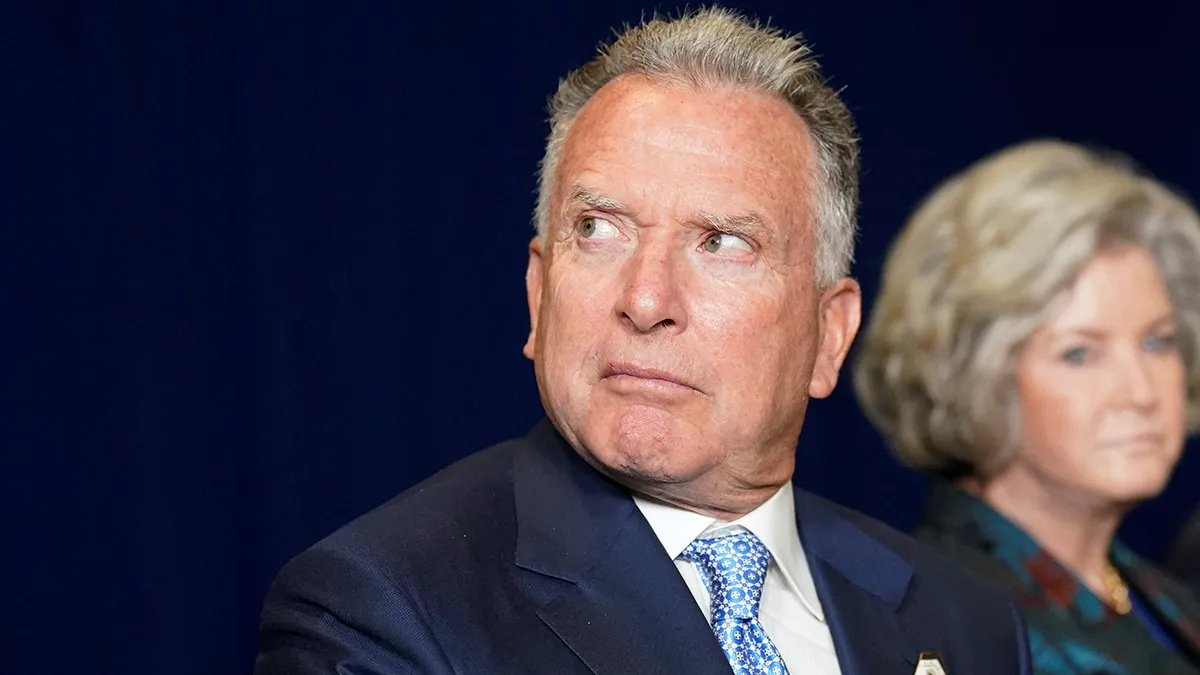
Contacts are taking place in Florida with an open channel to Russian interlocutors and the involvement of European partners. Steve Witkoff described the process as ‘productive and constructive’.
The Kremlin, for its part, maintained that the adjustments made by Europe and Ukraine to the US proposals do not improve the prospects for peace.
Implications
Moscow intends to freeze what it has conquered and sell it as peace, and it also seeks to fracture Euro-Atlantic unity. The danger is not in negotiating; it is in negotiating hastily and under the illusion that mere dialogue will tame an imperial project. If the agreement is born without verifiable guarantees, sanctions and technological controls conditional on compliance, and without a credible security architecture, it will not be peace: it will be an operational pause for the aggressor to regroup. And such a ‘peace’, in addition to being unjust, would set a systemic precedent: Beijing would take note of it in its notebook regarding the Indo-Pacific.
US intelligence: Putin's war objectives remain intact
Facts
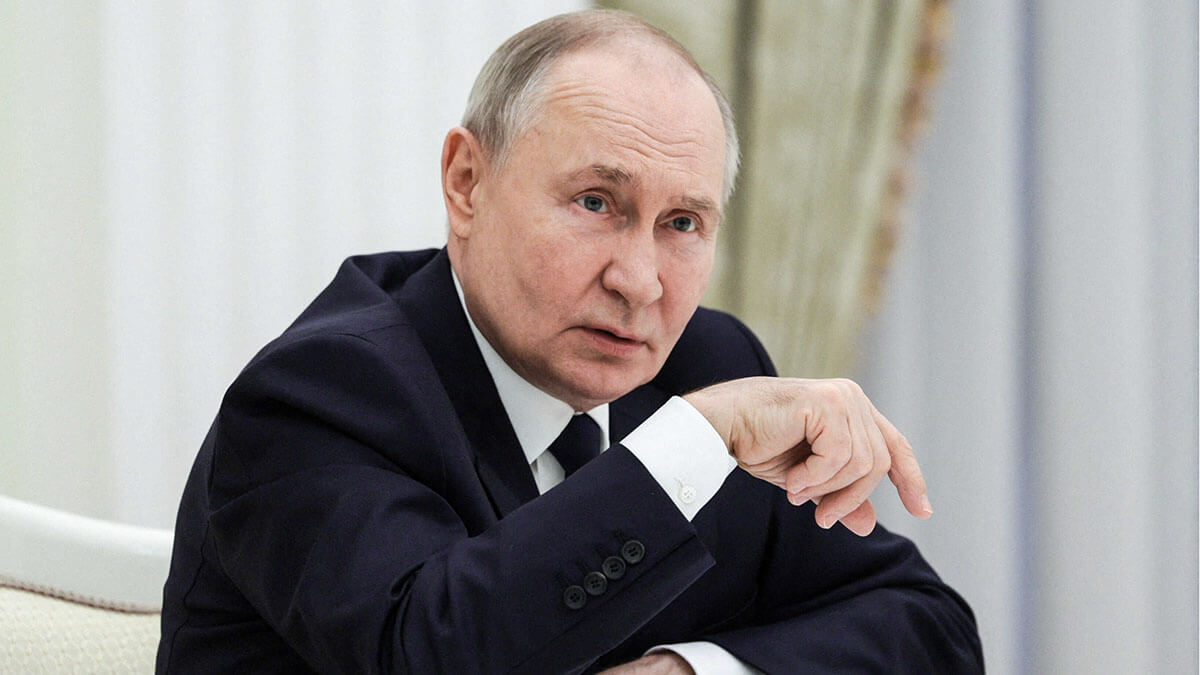
Assessments cited by Reuters indicate that Putin maintains maximum objectives in Ukraine and an ambition to reorder the European space by coercion.
Implications
The key is moral and strategic: if the objective does not change, the concession does not close; it feeds. A toothless ‘ceasefire’ may be a temporary rental of tranquillity in exchange for territory and credibility. The sensible approach is firm realism: explore diplomatic solutions, yes, but without rewarding aggression or validating territorial acquisitions by force. The border cannot be moved by tanks and drones, because if that principle falls, it drags the international order down with it.
Japan prepares to reactivate Kashiwazaki-Kariwa, the world's largest nuclear power plant
Facts
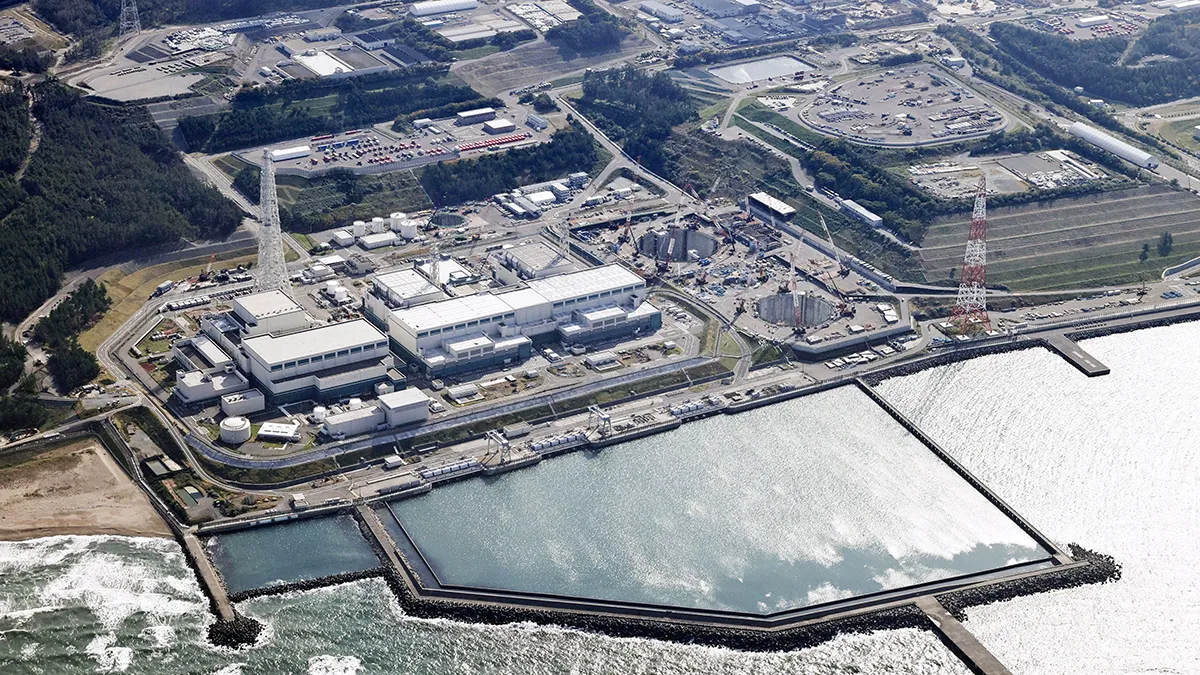
Reuters reports progress towards the resumption of Kashiwazaki-Kariwa (Niigata), operated by TEPCO, 15 years after Fukushima, with persistent social and political sensitivity.
Implications
Japan is implementing a state decision: energy sovereignty as a strategic multiplier. It reduces vulnerability to LNG shocks, strengthens industrial resilience and sends a signal of preparedness in a more hostile Indo-Pacific environment. And here Europe should take note: the Green Deal cannot become a dogma that sacrifices competitiveness, security and the industrial base. An unrealistic transition leads to dependence; dependence leads to blackmail.
Nigeria: remaining 130 kidnapped students freed
Facts
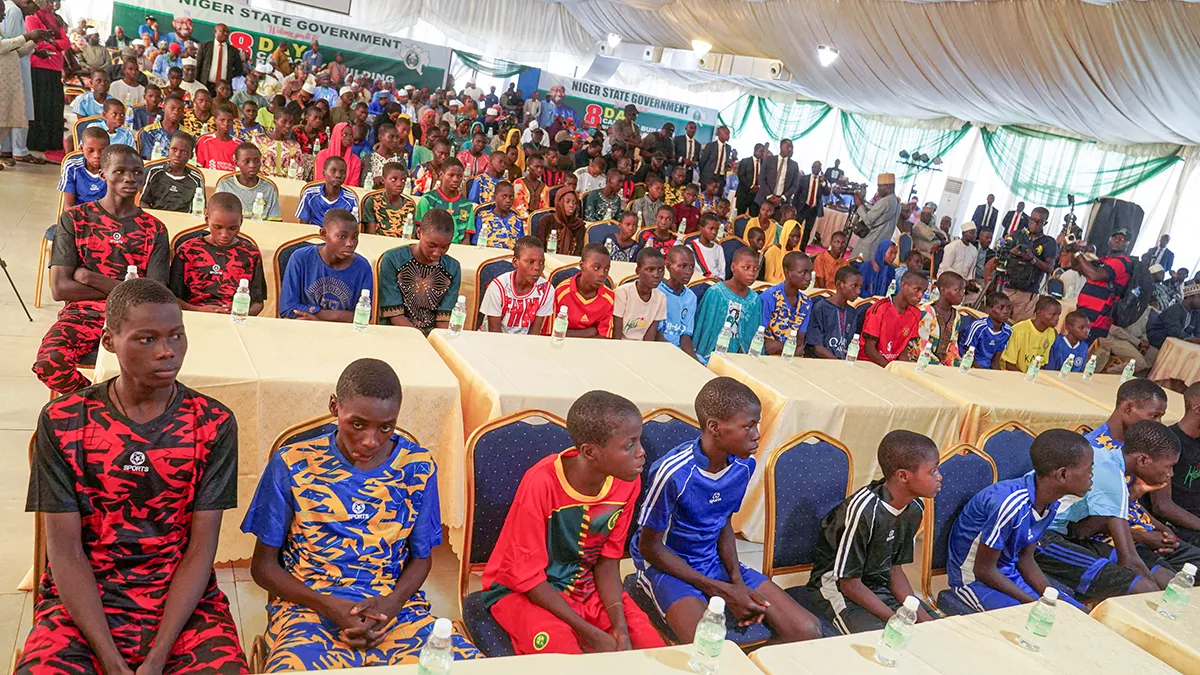
Nigeria confirmed the release of the 130 students who remained captive after a mass kidnapping. Reuters frames the episode as part of a structural pattern of kidnapping as a criminal industry.
Implications
Tactical victory and moral relief, but strategic warning: when kidnapping is profitable, it becomes systemic. For Europe, West Africa is not a distant backdrop: it is a front line for security, forced migration and radicalisation. A serious response combines intelligence, training, financial control of criminal networks and reinforcement of the rule of law, not just commiseration.
North Korea rebukes the idea of a nuclear Japan: cynicism and a warning sign
Facts
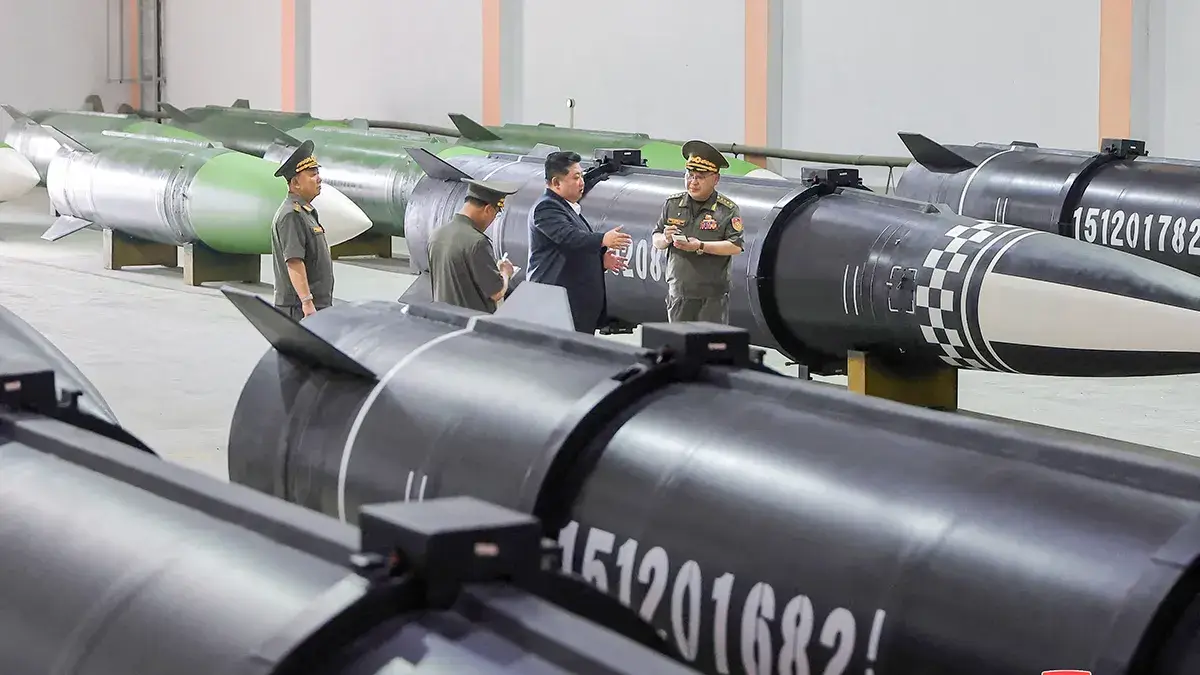
Pyongyang condemned statements attributed to a Japanese official about the possibility of nuclear weapons in Japan, despite North Korea being a de facto nuclear power and violating international resolutions.
Implications
North Korean cynicism reveals a dangerous shift: the nuclear taboo erodes when deterrence is perceived as uncertain and when autocracies blackmail with impunity. The smart way out is not to proliferate, but to strengthen extended deterrence, missile defence and allied coordination, maintaining sustained pressure on the North Korean programme without falling into cosmetic agreements.
West Bank: 19 settlements; totally illegal and politically unacceptable
Facts
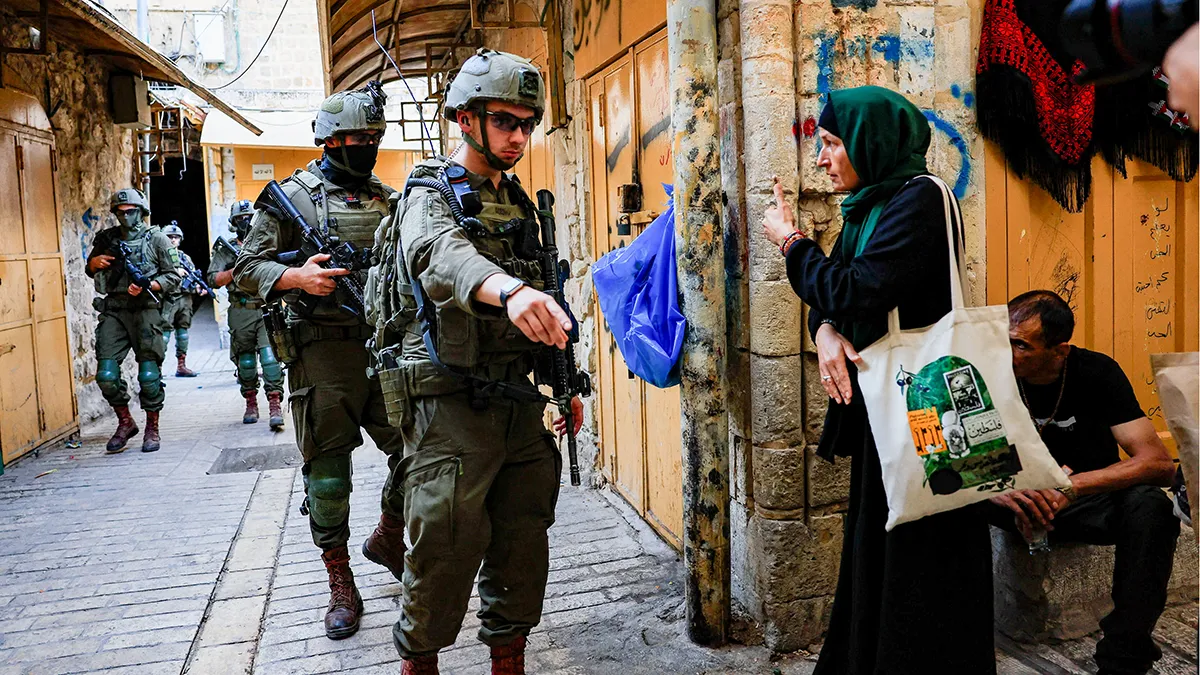
Israel approved/regularised 19 settlements in the West Bank, driven by Finance Minister Bezalel Smotrich, in a context of accelerating the colonisation agenda. The Financial Times explicitly outlines the political framework: a strategy to thwart the viability of a Palestinian state.
Implications
Here we must be categorical, without euphemisms or cowardice: the settlements in the West Bank are completely illegal under international law and are unacceptable under any circumstances. The UN Security Council has reaffirmed that they have no legal validity and constitute a flagrant violation; and the International Court of Justice, in its 2024 advisory opinion, reinforces the framework of illegality of the presence and associated practices in the occupied territory.
And the statement – or political purpose – attributed to the far-right minister, according to which the objective is to prevent the creation of a Palestinian state, is utter nonsense and unacceptable: it is immoral, inflammatory and strategically suicidal. As defenders of Israel's security, precisely for this reason, we must make it clear: this path erodes the support of its democratic allies, fuels the narrative of extremists and makes it more difficult to build a regional architecture to counter the main threat: Iran and its constellation of proxies, which feed on every political fracture to extend their influence and terrorism.
Gaza: the IPC indicates that there is no longer famine, but the situation on the ground remains critical
Facts
Reuters reports that the IPC concludes that Gaza is no longer in a state of famine following improvements in aid access and trade, although it warns of fragility and emergency levels if access deteriorates.
Implications
Democracies must uphold moral ground: aid must be allowed in and civil protection matters, not because of weakness, but because it separates us from barbarism. But we must not lose sight of the core issue: Hamas exploits civilian suffering and turns civilian infrastructure into an operational and propaganda tool. The obligation is twofold: to demand humanitarian rigour and, at the same time, to deny political legitimacy to terrorism and its sponsors.

Lebanon: statements on progress in disarming Hezbollah
Facts
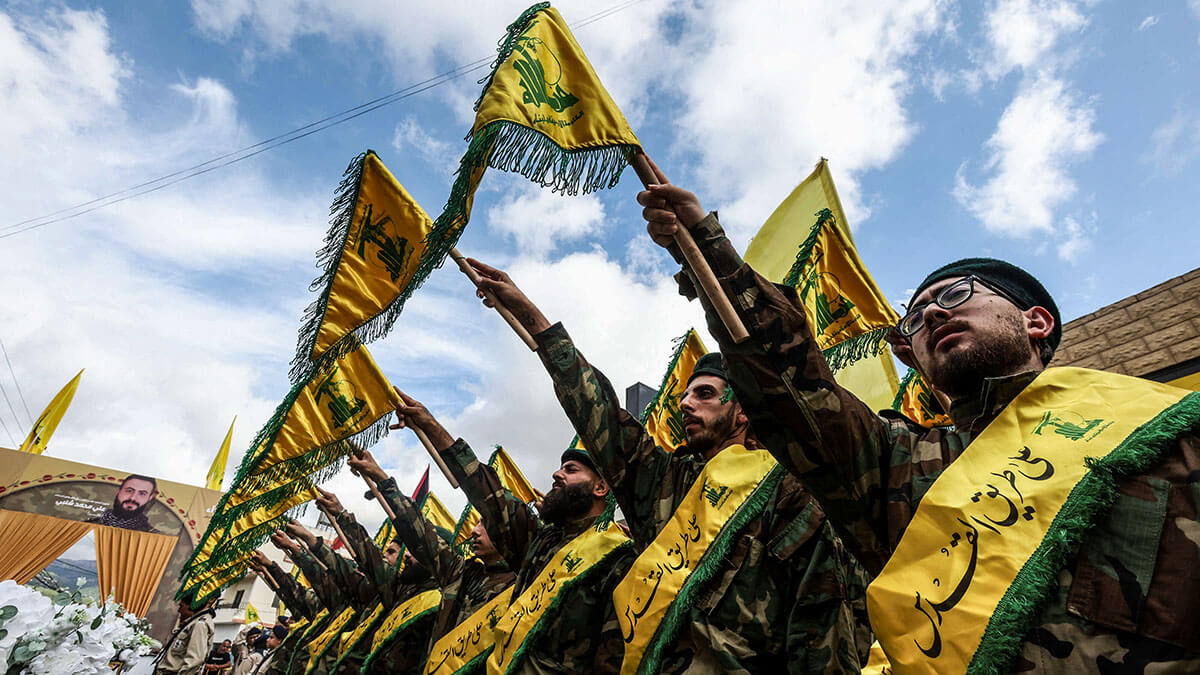
Reports and statements continue to emerge on progress in disarming/containing Hezbollah in the south, amid a fragile ceasefire and recurring tensions.
Implications
If there were real and verifiable disarmament, it would be major strategic news; but without verification, the statements risk being a tool for delay. Hezbollah is not a normal Lebanese actor: it is a military and political extension of the Iranian Revolutionary Guard. Europe must abandon diplomatic gestures and apply conditionality: support in exchange for effective sovereignty of the Lebanese state.
South China Sea: “grey zone” coercion and the risk of strategic accident
Facts
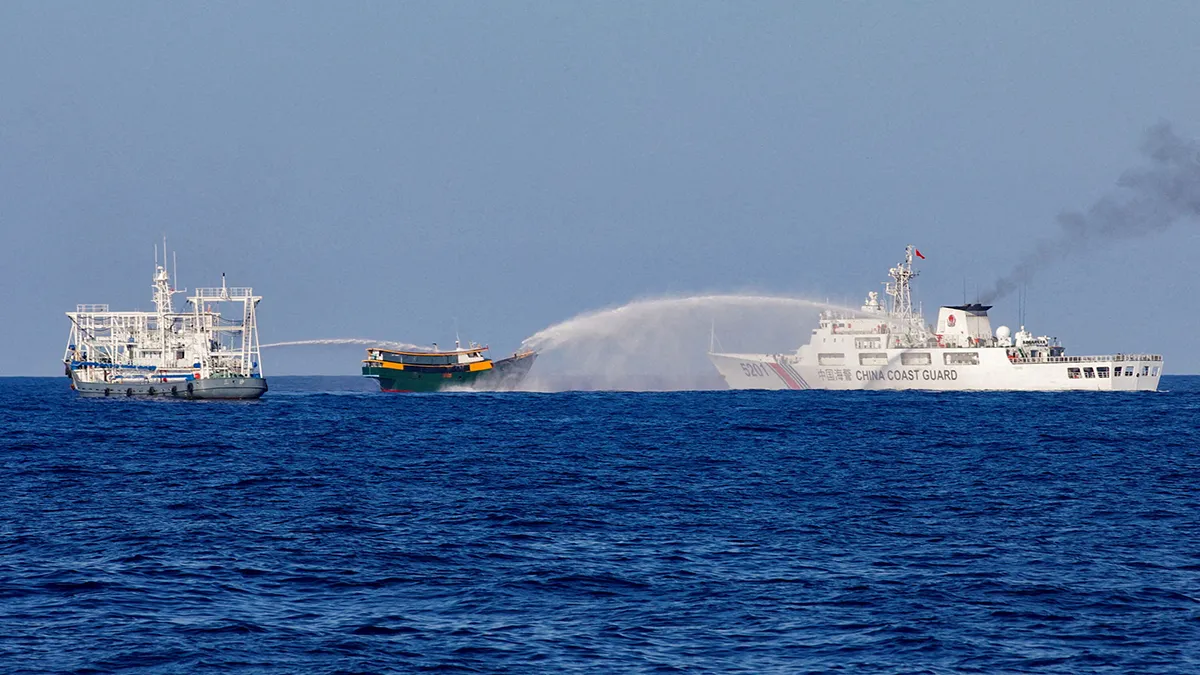
Incidents of Chinese pressure in disputed areas continue, with tactics of harassment and controlled friction.
Implications
The strategy is methodical: normalise intimidation and rewrite the maritime order without open warfare. For Europe, this is a direct interest: supply chains, maritime insurance, semiconductors, strategic raw materials. The response cannot be symbolic: presence, alliances, support for regional partners and a technology policy that reduces dependence in critical sectors.
Media Rack
Below is the media report rack:
- Washington–Venezuela axis: Reuters, CBS, ABC News and US media highlight the persecution of the third oil tanker and the intensification of the siege on the dark fleet linked to the Venezuelan narco-regime. European media such as The Guardian place greater emphasis on the international legal debate on maritime interdiction.
- Ukraine and Putin's agenda: Reuters, AsiaOne and Asharq Al-Awsat agree that US intelligence sees Russian territorial ambitions as intact, while some European newspapers focus on the discreet talks in Florida and intra-Western tensions over the design of peace.
- Japanese nuclear energy: AsiaOne, the BBC and specialist analyses emphasise the historical dimension of the reopening of Kashiwazaki-Kariwa, with an emphasis on safety and public opinion, while economic media highlight the impact on energy costs and emissions.
- Sahel and student kidnapping: Reuters, The Straits Times and various European media outlets report on the release of 130 Nigerian students, with coverage ranging from humanitarian reporting to analysis of the state's fragility in the face of armed gangs.
- West Bank and settlements: Le Monde, Al Jazeera, the BBC and US networks describe the recognition of 19 new settlements as another step in an annexation strategy, while Israeli media outlets close to the government present it as a consolidation of ‘historical heritage’.
- Northeast Asia and nuclear proliferation: The Japan Times, Barron's and the regional press highlight North Korea's denunciation of Japan's alleged nuclear ambitions, underscoring the irony that this comes from a state that is already nuclearised and sanctioned.
Editorial commentary
There is an elegant way to lose: call it ‘pragmatism.’ Ukraine does not need a decorative ending; it needs a fair and secure ending. And Europe cannot allow its security to be negotiated as if it were an afterthought. If Putin keeps his objectives intact, any territorial concession ‘to close the chapter’ will be the prologue to the next war.
In Venezuela, on the other hand, we see a success: selective pressure that cuts off the financial lifeline of a kleptocracy. Dictatorships do not understand the language of ‘dialogue’ as a virtue; they understand it as permission. The maritime interdiction, if sustained by coalition and legality, brings closer the day when the mafia organisation occupying Miraflores begins to crumble from within.
KORAnd in the West Bank, the moral obligation is to speak without fear: the settlements are illegal, period. And the attempt to prevent a Palestinian state on principle is not ‘politics’: it is arson. If we truly want security for Israel and the defeat of terrorism, we cannot give extremists the fuel of fait accompli. Civilisation defends itself with deterrence, yes, but also with the rule of law. When the law is disregarded, states, democracy and institutions are weakened and the enemy is strengthened.