Gustavo de Arístegui: Geopolitical Analysis 26 November

- Ukraine: Zelensky and Trump move closer, but the peace plan remains asymmetrical
- Ukraine: the ‘Russian wish list’ behind the plan and the transatlantic rift
- Gaza: UNCTAD certifies worst economic collapse in decades
- Gaza: a precarious truce, a merciless winter and a ‘stabilisation’ that never comes
- Taiwan: an extra £40 billion defence budget accelerates the arms race in the Strait
- US-Taiwan: a chip trade deal that irritates Beijing
- US-China: mini trade truce in exchange for rare earths and soybeans
- Nigeria: mass kidnappings and record hunger in the African giant
- Sudan: ceasefire plan stalls and famine takes hold
- The arc of hunger in East Africa: South Sudan and the aid that is evaporating
- Media rack
Ukraine: Zelensky and Trump move closer, but the peace plan remains asymmetrical
Facts:
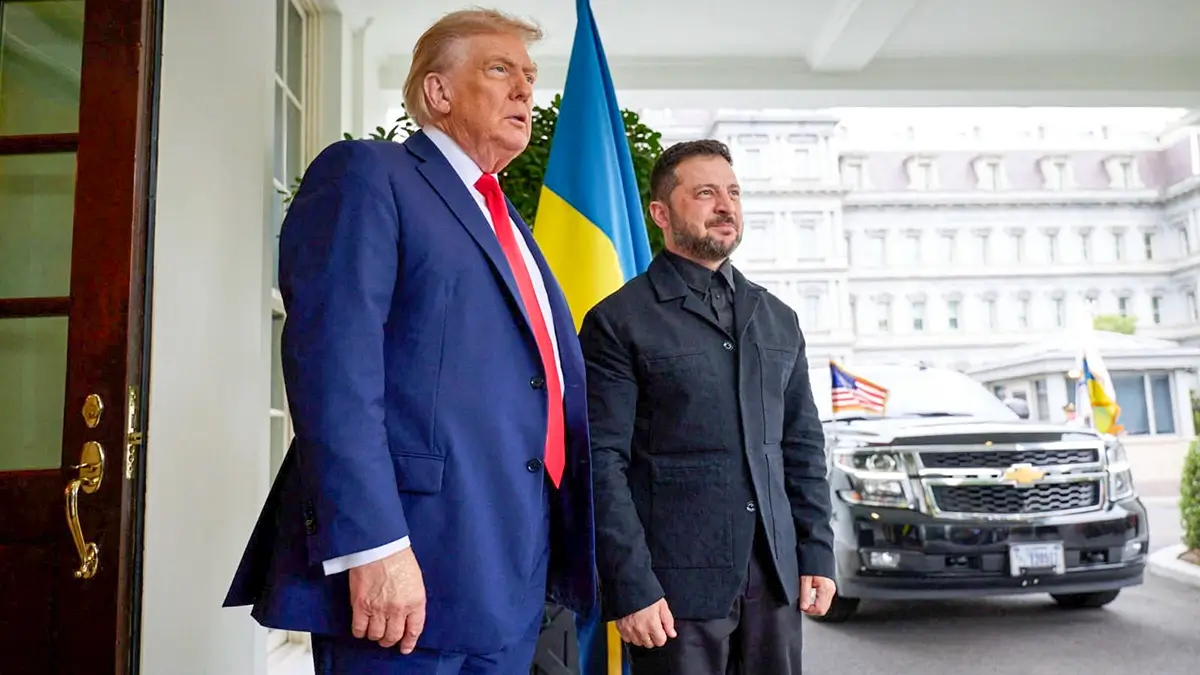
In the last 24 hours, Volodymyr Zelensky has openly said that Ukraine is ‘ready to move forward’ on the peace plan promoted by the White House and that he will discuss the ‘sensitive points’ directly with Donald Trump, in a format yet to be defined.
The plan has gone from the original 28 points to a 19-point draft following negotiations in Geneva between security advisers from the US, Ukraine and the so-called European E3 (France, Germany, United Kingdom), who have managed to remove some elements that were more blatantly favourable to Moscow, such as Russia's return to the G8 or Washington's use of Russian assets frozen in Europe under US control. At the same time, Trump insists that ‘peace is very close’, denies that there is a formal ultimatum on 27 November, but maintains the pressure: if Zelensky does not accept, ‘he can continue to fight with all his heart’, according to leaks reported in the Indian and Anglo-Saxon press.
Reading by media blocks:
In the Anglo-Saxon mainstream block (Washington Post, Financial Times, The Times, The Guardian, BBC, CNN, CBS, Politico, The Hill), the dominant narrative is that of a ‘difficult compromise’: it is recognised that Geneva has softened the plan, but it is emphasised that it remains a framework dictated by Washington and that the pressure on Kiev is extraordinary. The FT and Le Monde highlight the role of the E3 in attempting to ‘rewrite’ the text, but assume that the framework will be American.
The continental European press focuses on Europe: it speaks of a ‘moment of truth’ for the EU, divided between accepting a framework it did not design or risking a break with Washington.
The Ukrainian ecosystem emphasises the feeling of an ‘impossible choice’: either accept a plan that freezes the war on very harsh terms or risk losing Western military and financial support.
In the conservative American space, the emphasis is on Trump's image as a ‘deal-maker’ who wants to ‘end the war that others failed to end’, while minimising the strategic cost to Ukraine and Europe.
In the Global South media, it is emphasised that the shift in Ukraine may free up resources from the West, but it also sets a precedent: major powers negotiating over foreign territories without the full consent of the victim.
Implications:
The news is not only that there is a ‘peace plan’, but that, for the first time, Zelensky is verbalising that Trump's framework is the real playing field and that his room for manoeuvre lies in the ‘sensitive details’. This is an implicit recognition that Kiev has lost its ability to veto the architecture of the negotiation, and that puts Europe in front of the mirror: either it truly defends Ukrainian territorial integrity or it accepts an unbalanced peace and enshrines it as a precedent.
For Moscow, the simple fact that the discussion revolves around a ceasefire along the current line and the reduction of Ukrainian ambition is already a strategic victory. For Kiev, the risk is entering a ‘Bosnia 2.0’ scenario: a mutilated, dependent state with a frozen war that can be thawed at the aggressor's will. And for us Europeans, the message is brutal: if real strategic autonomy is not built, the continent's security will continue to be currency in a negotiation that is closed behind closed doors between Washington and Moscow.
Ukraine: the ‘Russian wish list’ behind the plan and the transatlantic rift
Facts:
Reuters and other media outlets have reported that the first 28-point draft of the US plan was based on a previous Russian document, which has led to talk, even in the Indian media, of a ‘Russian wish list’ transformed into a White House proposal. That text included, among other things, de facto acceptance of Russia's annexation of Crimea and part of Donbas, Kiev's renunciation of NATO, a massive reduction of the Ukrainian army and a virtually general amnesty for war crimes, accompanied by a scheme for the use of frozen Russian assets under US control. The leak has provoked a harsh reaction in the US Congress, European parliaments and Ukrainian public opinion, forcing the ‘revision’ that has led to the 19-point text.
Media block reading:
Le Monde, FT, The Economist, Foreign Affairs, National Interest agree that the heart of the problem is not technical but political: the plan is flawed from the outset because it assumes that Russia will retain territories conquered by force and that Ukraine must accept an ‘unjust peace’ in exchange for ambiguous guarantees.
RT and TASS have exploited the story as proof that ‘the West recognises the reality on the ground’ and that Europe no longer counts: the narrative in Moscow is that Trump and Putin are negotiating the European security architecture and that Brussels can only applaud from the sidelines, while ‘the Russians of Ukraine’ are protected.
In the German and Central European press, the emphasis is on the danger of setting a precedent for legitimising territorial conquests that could destabilise the Baltic and Eastern Europe for a generation.
In Israel and the Arab world, headlines read the Ukrainian plan in terms of Gaza: if Washington accepts a ‘peace’ that enshrines the occupation in Ukraine, what prevents it from doing the same with the Palestinian territories if it suits it? Haaretz and Al-Quds al-Arabi draw explicit parallels between ‘dictated peace’ and ‘whitewashed occupation’.
Implications:
This chapter reveals something fundamental: the problem is not only how the war in Ukraine ends, but what kind of international order becomes normalised afterwards. A peace plan that originates from a Russian document, is half-heartedly amended under European pressure, and is presented to Kyiv as ‘take it or leave it’ sends a very clear message to the rest of the world: the territorial integrity of small countries is negotiable.
Furthermore, the debate has exposed the transatlantic rift. Europe is discovering that its security is being discussed between Washington and Moscow without Brussels setting the pace. If the outcome of this standoff is to accept a ‘peace framework’ that freezes the war on terms favourable to the aggressor, the EU's credibility in the Baltic, the Caucasus and the Eastern Mediterranean will be damaged, and the Global South will take note.
Gaza: UNCTAD certifies worst economic collapse in decades
Facts:
UNCTAD's new report on Palestine concludes that Gaza's economy has suffered the worst collapse ever recorded by the organisation: the Strip's GDP has plummeted by 87% in 2023–2024, GDP per capita has fallen to around $161 per year and virtually 100% of the population lives in extreme poverty. The study estimates that two decades of progress have been wiped out in a matter of two years and that reconstruction would cost at least $70 billion and take several decades, even in a scenario of stable ceasefire.
Media coverage:
The Guardian, Le Monde, Libération, The Economist, Financial Times, and NYT speak of a ‘man-made abyss’ and a ‘new economic Sarajevo,’ emphasising that this is not a natural disaster but a sustained political decision: blockade, war, systematic destruction of civil and productive infrastructure.
In the Israeli press, coverage ranges from accepting the UN data to denouncing it as ‘biased’. Haaretz highlights the moral and strategic cost to Israel; Israel Hayom and others emphasise the role of Hamas, but downplay the structural dimension of the blockade.
Arab and Gulf media use the report as political ammunition: they speak openly of ‘deliberate economic destruction’ and demand sanctions or, at least, tough conditions on Western aid to Israel.
Global agencies and networks such as the BBC, CNN, CNBC, WION, Fox and CBS report the data in a more technical tone, but its weight is evident in the fact that virtually all leading European and American newspapers are running the story on their front pages or international pages.
Implications:
Gaza is no longer just a political symbol; it is also, in strictly economic terms, a broken territory. This ‘collapsed economy’ cannot be fixed with trucks of flour or a couple of donor conferences in Brussels. It would require a ‘Marshall Plan’-type project under radically different political conditions: an end to the blockade, freedom of movement, operational ports and airports, legal certainty and a political framework that is not indefinite occupation.
For Israel, maintaining this situation indefinitely means turning its immediate environment into a cesspool of frustration and violence that will sooner or later come back like a boomerang. For Europe and the US, legitimising this scenario while talking about a ‘rules-based international order’ in Ukraine erodes their moral authority at its very root. And for the Arab and Islamic world, Gaza stands as proof that the rules of the game are different when the occupier is an ally of the West.

Gaza: a precarious truce, a merciless winter and a ‘stabilisation’ that never comes
Facts:
The fragile truce between Israel and Hamas – backed by the US, Egypt and Qatar – holds, but under a constant stream of violations, small incursions and sporadic fire. Recent rains have flooded displacement camps, sweeping away tents and destroying the few belongings of tens of thousands of families.
The UN speaks of a situation in which ‘survival itself is at stake’, with food prices having fallen somewhat, but with extremely poor diets and no regular access to drinking water or cooking gas. The so-called ‘Gaza Humanitarian Foundation’, an aid mechanism promoted by Washington and some Arab allies, has announced its gradual withdrawal from the territory, leaving a vacuum that neither the Palestinian Authority nor any international ‘board of peace’ has been able to fill.
Reading by media blocks:
The Israeli press is divided in its view: Yedioth, Israel Hayom and part of the Jerusalem Post insist on the risk of Hamas using the truce to rearm; Haaretz and others insist that the humanitarian tragedy compromises medium-term security and warn against a de facto ‘fragmented Gaza’.
In the Arab world, Al-Jazeera, Al-Arabiya, Al-Quds al-Arabi, Asharq Al Awsat, Arab News and the Jordanian and Lebanese newspapers portray Gaza as an open wound in the region, linking the catastrophe to the political paralysis of the Arab elites.
In Europe and the US, the BBC, CNN, The Guardian, NYT, Washington Post, FT, Le Monde, Die Zeit and FAZ discuss the dilemma of ‘post-war stabilisation’: no one wants to put troops on the ground, everyone fears the political cost of financing reconstruction and, in the meantime, the population lives in a kind of giant camp for displaced persons.
Implications:
A truce without a clear political horizon and without real reconstruction is not a step towards peace, but a pause between rounds of violence. The risk is that it will crystallise a kind of ‘informal protectorate’: a fragmented Gaza, monitored by a mixture of international forces, Israelis and local militias, with no prospect of sovereignty or equal rights.
For the Gulf monarchies and Egypt, the reputational cost of appearing as minor partners in a scheme that prolongs the suffering in Gaza is beginning to be serious, and much of the quality Arab press is pointing this out in no uncertain terms. At the same time, outrage on the Arab and Muslim streets is fuelling more radical rhetoric, while in Europe an internal rift between humanitarian rhetoric and diplomatic practice is becoming entrenched.
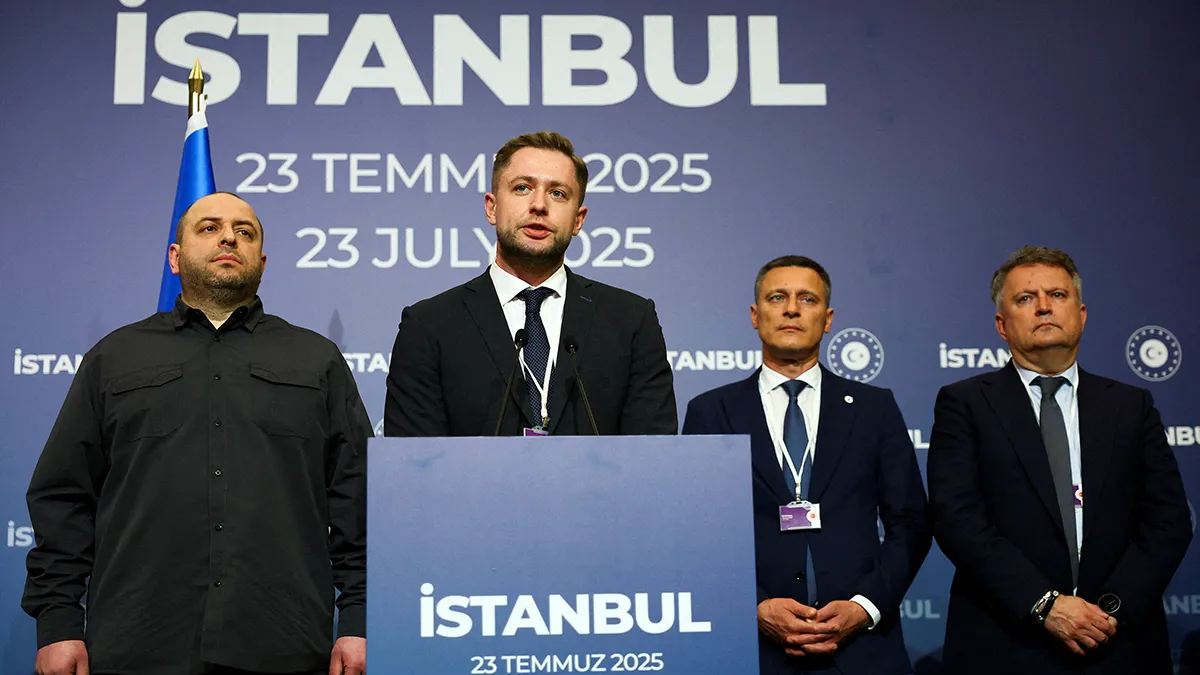
Taiwan: an extra £40 billion defence budget accelerates the arms race in the Strait
Facts:
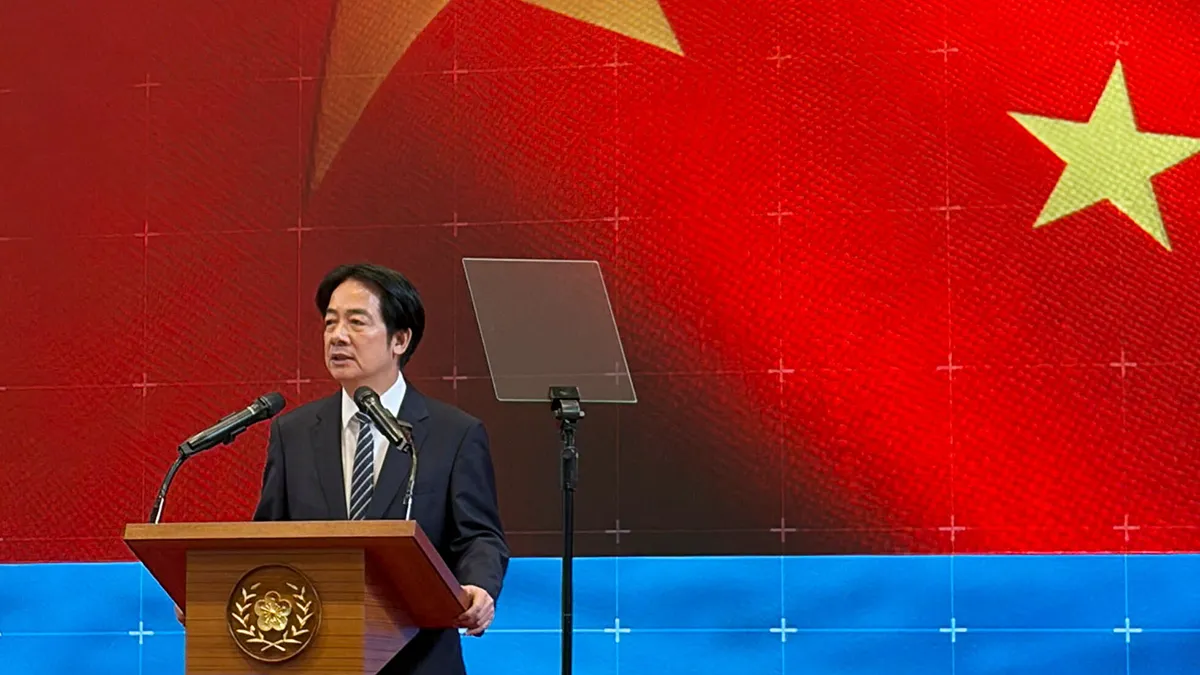
President Lai Ching-te has announced a supplementary defence budget of around £40 billion for the period 2026–2033, with the stated aim of raising military spending to 5% of GDP by 2030.
The package includes missiles, drones, naval modernisation and the creation of a multi-layered anti-aircraft system known as “T-Dome”, inspired by Israel's Iron Dome, to make Chinese attacks more costly and complicated and turn Taiwan into a tough nut to crack. Washington, which has been pushing for months for allies to shoulder more of the burden, sees the announcement as a ‘major step’ in the direction of deterrence through strength.
Media reading:
The US and British media are divided between those who applaud the rearmament as an antidote to China's ‘shock and awe’ doctrine and those who warn that an arms race in the region may bring us closer to war than to peace.
The Chinese press and those close to Beijing describe the move as a ‘provocation’ directed by the US ‘military-industrial complex’; they insist that Taiwan is becoming an “ATM” for the US arms industry and that the DPP is leading the island into a ‘dead-end path of independence’.
In Asia and the Indo-Pacific, coverage focuses on interaction with Japan, South Korea and the regional security architecture: Taiwan's increased spending is seen as part of an Asian ‘mini-NATO’ in the making.
Implications:
From a military standpoint, the logic is clear: if China steps up incursions and manoeuvres and hints that ‘reunification’ may be forced, Taiwan responds with asymmetric deterrence, bolstering its ability to inflict intolerable damage on any invasion. But geopolitically, the message is different: the Taiwan Strait is already, de facto, the main front in the new Cold War between the US and China.
In the short term, the risk of open conflict remains low, because no one can afford the cost. In the medium term, however, the more weapons and mutual defence pledges accumulate, the less room there will be for creative political solutions. The result may be a region caught between increasingly assertive Chinese nationalism and a US strategy that, by escalating, runs the risk of believing that it will always be able to control the thermostat.
US-Taiwan: a chip trade deal that irritates Beijing
Facts:
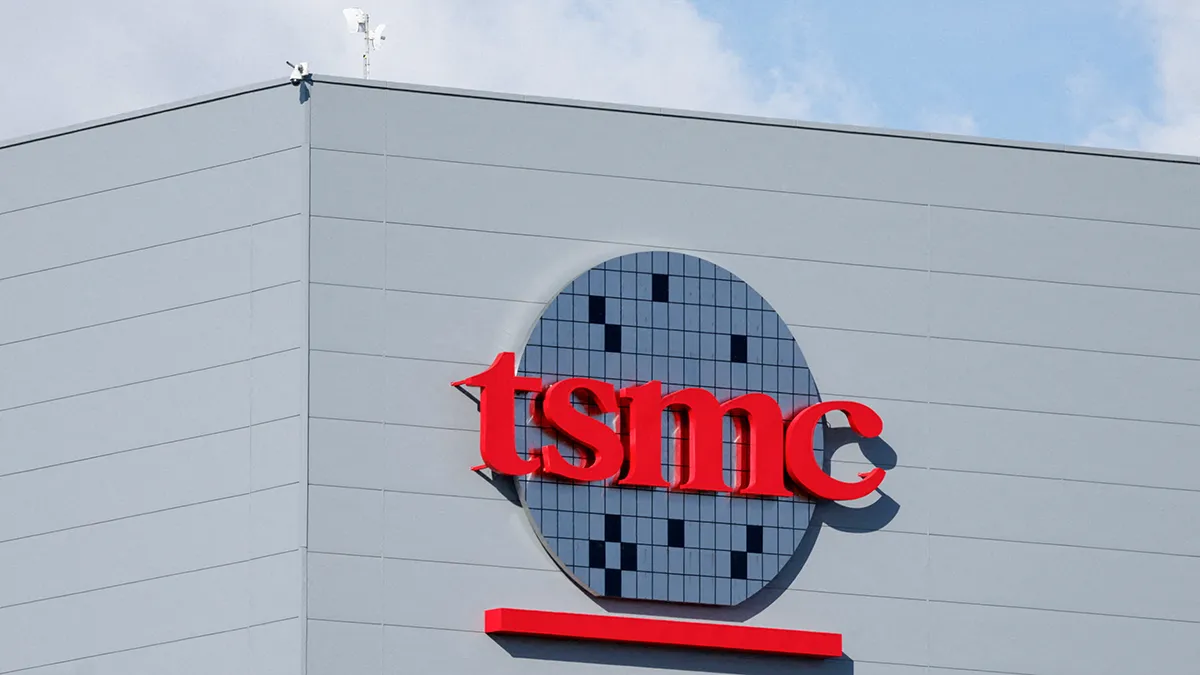
In parallel with the rearmament, the Trump administration is negotiating a trade agreement with Taiwan focused on semiconductors and US workforce training, which would include more investment from companies such as TSMC in the US and training programmes for American technicians on the island. The pact seeks to alleviate the problems of the Arizona plants, bring advanced chip production closer to US soil and, at the same time, reduce tariffs of up to 20% on certain Taiwanese exports, without touching chips for the moment, precisely because they want to relocate value chains.
Media reading:
In Washington and London, the agreement is presented as a key part of ‘de-risking’ from China: less technological dependence in the event of a conflict, more industrial employment in the US, and more discipline in the chip supply chain.
The Chinese press denounces the pact as a violation of the ‘one China’ principle and as an attempt to consolidate Taiwan as a hostile military-industrial platform on China's periphery.
Think tanks and media outlets discuss the risk that, while protecting the value chain, Beijing will be encouraged to act before the window of opportunity closes.
Implications:
The combination of more technology bases in the US, more weapons in Taiwan and more pressure on China in the field of rare earths is pushing Beijing to accelerate its own plans for strategic self-sufficiency. If the crisis in Ukraine has shown the extent to which energy can be a geopolitical weapon, the US-Taiwan axis is setting the stage where chips will be the digital equivalent of Russian gas.
In the long run, these types of agreements paint a picture of a Western technological bloc that, de facto, assimilates Taiwan into the US security space, even without formal treaties. For Europe, which depends on Asian chips and Chinese materials, this raises an uncomfortable question: to what extent is it willing to bear the cost of technological confrontation with China if it has no autonomy of its own in either chips or critical raw materials?
US-China: mini trade truce in exchange for rare earths and soybeans
Facts:
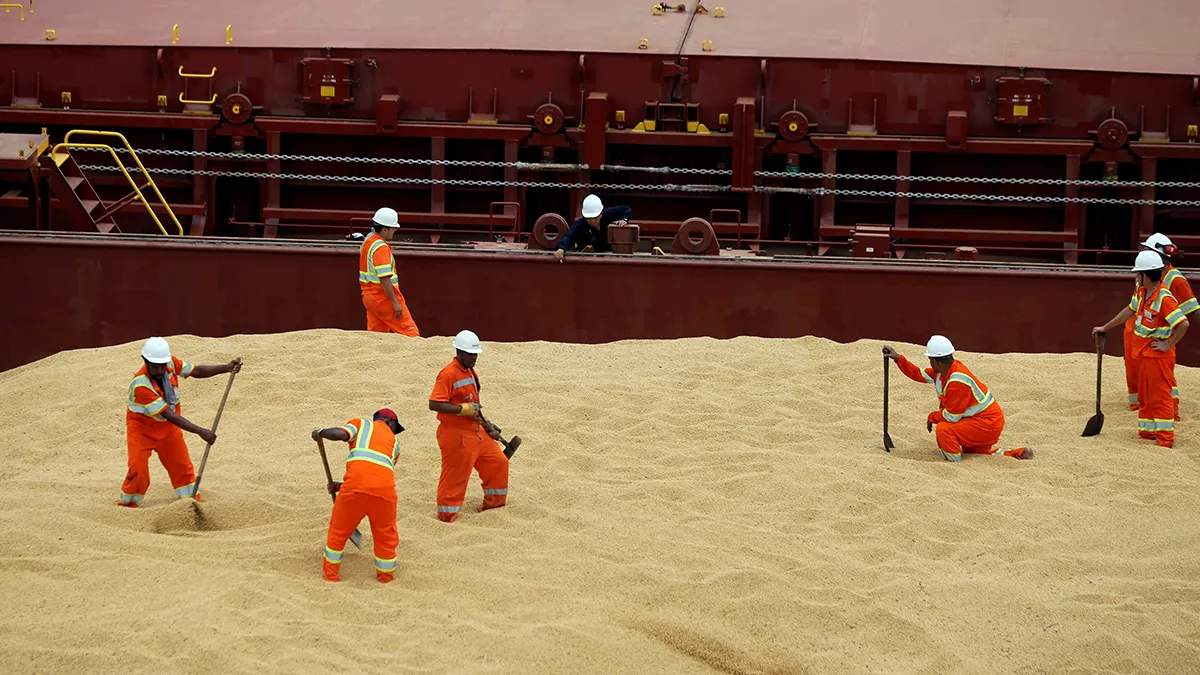
After the Trump-Xi meeting in South Korea, and weeks of uncertainty, we have seen a new gesture of détente in recent hours: Trump boasts that Xi ‘more or less agreed’ to accelerate and expand Chinese purchases of US products, especially soybeans, and that Beijing is maintaining a freeze on the expansion of its export controls on rare earths. The previous agreement already provided for a ten-point reduction in certain tariffs linked to the flow of fentanyl precursors and a one-year ‘pause’ on new Chinese restrictions on rare earths.
Media round-up:
In Reuters, AP, AFP, WSJ and FT, the tone is sober: this is a temporary relief that gives the markets some breathing space, but not a lasting trade peace. Analyses by Reuters and the European Parliament point out that China still controls around 60% of the global market for key elements for magnets and batteries, and that the West will continue to depend on Beijing in the coming years.
In Chinese and pro-Chinese media, the story is being sold as proof of Xi's ability to stabilise relations with Washington without giving in on the essentials: the United States is lowering tariffs and hurting its own allies, while China retains its strategic leverage over critical minerals.
In Western magazines and think tanks, the reading is more sombre: the ‘truce’ freezes the conflict, but does not resolve it, and risks fuelling European complacency just when it should be accelerating its own independence in critical areas.
Implications:
In the short term, the agreement is a lifeline for two weary economies and markets that are hanging on every presidential tweet. But in the long term, the problem remains: we are still in a model of armed interdependence in which rare earths, chips and sensitive technologies function as a gun on the table in every negotiation.
For Europe, caught between its dependence on Chinese raw materials and US pressure to align itself with its ‘containment’ strategy, the risk is twofold: running out of supplies if the trade war worsens or being marginalised from the value chains that are being reorganised around the Washington-Asia axis. The decision not to take this window of opportunity to invest heavily in strategic autonomy seriously would be, quite simply, irresponsible.
Nigeria: mass kidnappings and record hunger in the African giant
Facts:
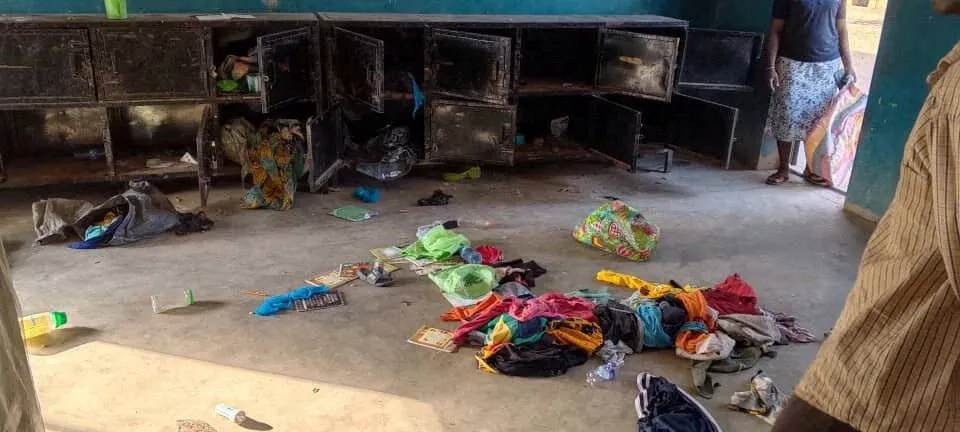
Nigeria is experiencing a new wave of mass kidnappings reminiscent of the worst moments of Boko Haram. More than 300 students and 12 teachers were recently kidnapped from a school in Papiri, in the north of the country, and days later 25 girls were abducted from a boarding school in Kebbi; 24 of them have been released in the last few hours, according to the authorities. A Reuters report highlights that, despite years of promises, President Tinubu has failed to curb the armed gangs that operate as ‘kidnapping businesses,’ and that nearly a quarter of the police force is assigned to protecting VIPs rather than protecting schools and villages.
At the same time, the World Food Programme (WFP) warns that northern Nigeria could face the worst hunger crisis in its history in 2026, with some 35 million people facing severe food insecurity and at least 15,000 in famine conditions (Phase 5) in Borno State, fuelled by militant attacks, mass displacement and cuts in international aid, including those resulting from Trump's cuts to UN funding.
Media block reading:
Global agencies support the factual account of kidnappings and hunger, which is then replicated by newspapers such as the NYT, Washington Post, Guardian, Le Monde, FAZ, Die Welt, Corriere and virtually all the leading European press.
African media outlets are more blunt: a state that does not control much of its territory, poorly paid and equipped security forces, and political elites taking refuge in urban enclaves while rural areas sink into the law of the strongest.
In the wider Global South, Nigeria appears as a symbol of an Africa where all crises converge: post-jihadism, climate change, global inflation and financial disengagement from the West.
Implications:
For Europe, the Nigerian drama is not a distant anecdote: it is one of the main drivers of future waves of migration and regional instability. If the continent's demographic giant slides into a combination of security crisis, hunger and state delegitimisation, the Sahel and the Gulf of Guinea could become an arc of structural instability.
The fact that international aid is at an all-time low, with Washington cutting funds and Europe diverting resources to Ukraine and Gaza, exacerbates the picture. The message sent by the African media is clear: Western discourse on a ‘rules-based international order’ rings hollow when millions of people are allowed to live between gang extortion and abandonment by the international community.
Sudan: ceasefire plan stalls and famine takes hold
Facts:
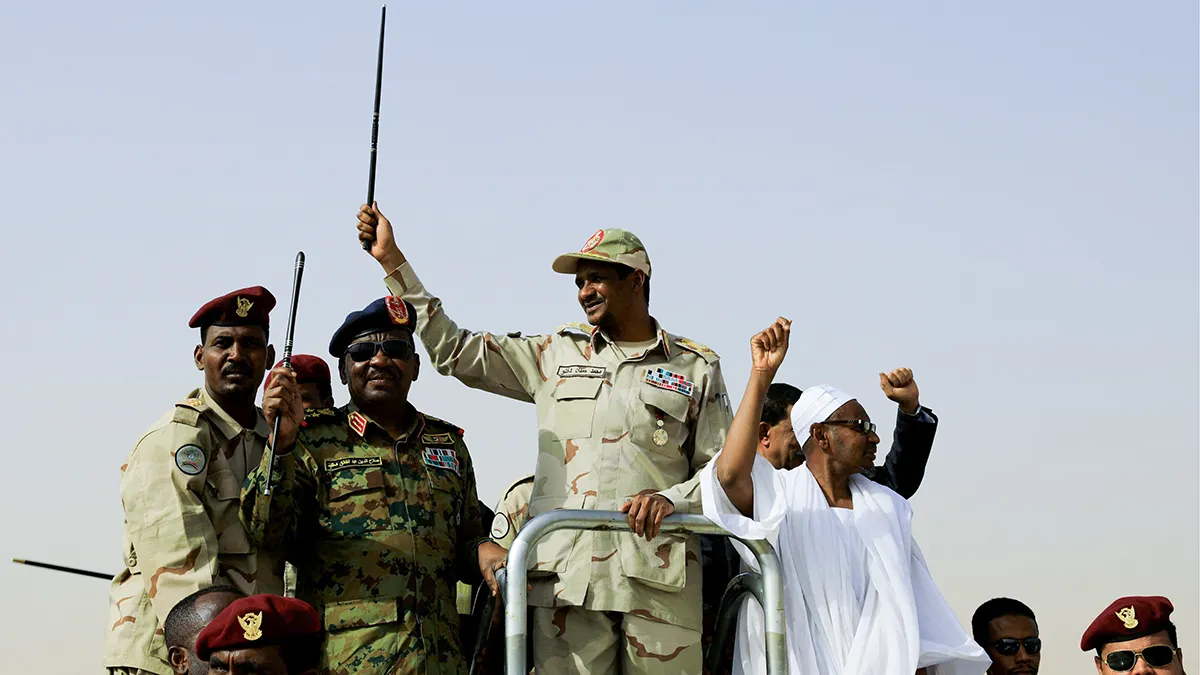
US envoy Massad Boulos has acknowledged that neither side in the war in Sudan – neither the regular army nor the Rapid Support Forces (RSF) – has accepted the truce and peace plan promoted by the US, Saudi Arabia, Egypt and the Emirates. The army is demanding preconditions and accuses the plan of favouring the RSF, which has declared a unilateral ceasefire that, in practice, does not translate into a lasting cessation of hostilities. Meanwhile, the EU and the UN describe Sudan as a ‘living nightmare’ and the world's largest displacement and protection crisis: more than 10-12 million people displaced and areas of Darfur and Kordofan in a state of famine or on the brink of it.
Media coverage by blocks:
The agencies (Reuters, AP, AFP, DPA) offer relatively constant coverage, but with low public visibility; the major Western newspapers relegate it to the ‘world’ section, even though Sudan already surpasses Ukraine and Gaza in some indicators of displacement and hunger.
Arab media outlets emphasise the shared responsibility of regional powers that arm both sides, pointing out that the plan of the US and its allies is as much about Red Sea geopolitics as it is about humanitarian concerns.
In Europe, coverage by Le Monde, FAZ, Die Zeit, The Guardian, BBC and France Info emphasises that we are facing a ‘forgotten famine’, a textbook crisis in which the international community is running behind events without the political will to force a compromise.
Implications:
The paralysis of the peace plan in Sudan reveals the limits of ‘peace-brokering’ by the US and the Gulf monarchies when they are unwilling to truly condition arms and funding. While dialogue tables are being improvised, the reality is a country fragmented into armed fiefdoms, with millions of people trapped between bombings, militias and hunger.
Geopolitically, Sudan is much more than a humanitarian drama: it is at the crossroads of Turkish-Egyptian rivalry, Saudi-Emirati interest in the Red Sea, Russian penetration (Wagner and successors) and Chinese projection through infrastructure. The Arab and African media understand this, but Western capitals behave as if it were a peripheral fire. This short-sightedness could prove very costly when Sudan's collapse spills over into Chad, South Sudan, Ethiopia and Egypt.
The arc of hunger in East Africa: South Sudan and the aid that is evaporating
Facts:
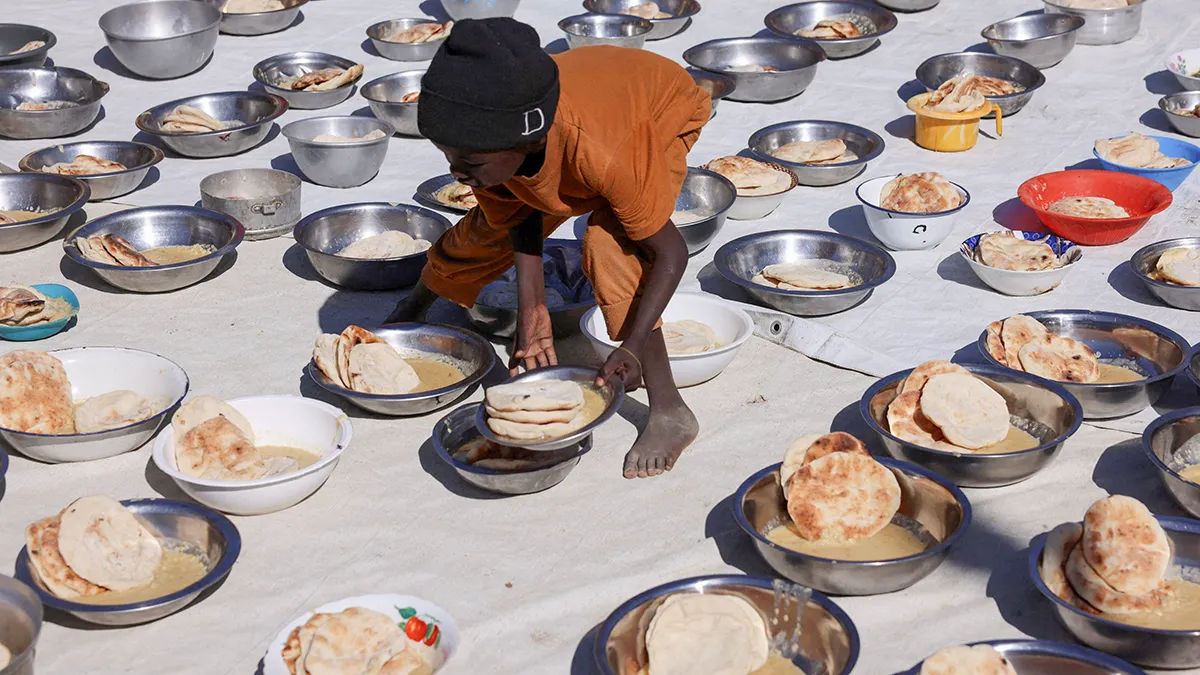
Oxfam and other NGOs warn that nearly 6 million people – about half the population – in South Sudan are suffering from acute hunger, with very little access to safe drinking water and sanitation, while international funding falls to its lowest level since the country's independence in 2011. The combination of recurrent conflict, flooding, climate crisis and aid cuts is pushing entire communities to the brink of collapse, in a context where media attention is hijacked by Ukraine and Gaza.
Media block reading:
NGOs and UN agencies set the news agenda here; Reuters, AP, AFP and DPA amplify the warnings, but most major headlines are limited to brief notes.
In the Nordic and Central European press, traditionally sensitive to development aid, there is growing unease about the abandonment of the 0.7% of GDP commitment to cooperation, but the debate remains marginal.
In the Global South, this arc of famine is seen as symptomatic of a pattern: when wars do not directly affect Western interests or energy routes, aid quietly evaporates.
Implications:
The erosion of humanitarian aid is not only a moral problem; it also multiplies geopolitical risks. Areas where people have nothing to lose are ideal breeding grounds for the penetration of armed actors, criminal networks and, increasingly, for the influence of powers that do take the time to offer something – even if it is a flow of weapons and easy money.
If East Africa becomes a continuous corridor of crisis, from Sudan to Mozambique, the Mediterranean and the Indian Ocean will see reinforced routes for migration, piracy and organised crime. This is not just a matter of “solidarity”, but of well-understood strategic interest.
Media rack
Washington–London bloc
NYT, Washington Post, WSJ, USA Today, The Times, The Telegraph, Financial Times, The Economist, Foreign Affairs, Politico, The Hill, BBC, CNN, Fox News, CNBC, CBS: they focus their attention on the Ukraine–Russia axis and the US–China–Taiwan triangle, with Gaza as a major secondary focus. The dominant framing is that of competition between major powers, with nuances between liberals and conservatives on the cost of concessions to Moscow and Beijing.
Continental European press
Le Monde, Le Figaro, Libération, La Tribune de Genève, FAZ, Die Welt, Die Zeit, DPA, Gazeta Wyborcza, Helsingin Sanomat, Corriere della Sera, L'Osservatore Romano, France Info: emphasise Europe's loss of prominence in the design of the peace plan for Ukraine and its dependence on the US for energy, technological and military security. Gaza is seen as a moral test and a source of internal tension.
Global agencies
Reuters, AP, AFP and DPA set the news agenda for almost all the newspapers on your list, from Clarin, El Mercurio and Reforma to Gulf News, Khaleej Times, Times of Oman and Straits Times. They focus on key issues such as the peace plan in Ukraine, economic collapse in Gaza, Taiwan's rearmament, kidnappings in Nigeria and stagnation in Sudan.
Israel–Palestine–Arab World
Yedioth Ahronoth, Israel Hayom, Haaretz, Jerusalem Post, Jerusalem Times, Maariv, Al-Jazeera, Al-Arabiya, Al-Hayat, An-Nahar, L'Orient-Le Jour, Daily Star, Jordan Times, Al Rai, Arab News, Asharq Al Awsat, Al-Quds al Arabi, Al-Hayat al Jadida, Alyyam, Felestin, Peninsula, Gulf News, Gulf Today, Al-Ittihad, Times of Oman, LCI, BFM: all revolve around the dual axis of Gaza–West Bank and the regional impact of the war, with marked differences between the more security-conscious Israeli press and the Arab headlines that speak of ‘deliberate destruction’ and ‘Western double standards’.
Russia and the post-Soviet sphere
Russia Today, TASS and, to a lesser extent, Ukrainian media such as Ukrainska Pravda, Ukrinform, Fakty ta Kommentarii, Vesti, Kyiv Post, The Kyiv Independent, Ukrainska Pravda: focused almost exclusively on the peace plan for Ukraine, which Moscow presents as recognition of its gains and which Kiev describes as unbearable pressure between an ‘unjust peace’ and the continuation of a war of attrition.
Greater Asia and India
Tokyo Times, Yomiuri Shimbun, South China Morning Post, China Daily, Straight/Straits Times, Times of India,
Hindustan Times, Indian Express, WION, Times of Oman: focus on the strategic shift towards Asia, with three major themes: Taiwan's rearmament, trade and technological balance with China, and India's reading of the peace plan in Ukraine as a move that could reshape the energy and arms map in Eurasia.
Latin America and others
Clarín (Buenos Aires), El Mercurio (Chile), Reforma (Mexico), La Tribune de Genève, Helsingin Sanomat: largely replicate the Reuters/AP frameworks, but with an eye on the economic consequences (energy, food, migration) for their own societies.
Anglo-Saxon bloc (NYT, Washington Post, WSJ, Financial Times, BBC, CNN, Fox News, AP, Reuters, AFP): Focus on the peace plan for Ukraine, Russian military pressure, Gaza and the economic slowdown, with intense debate on the limits of realism vis-à-vis Russia and the internal costs of international involvement.
European press (Le Monde, major European networks, agencies): Growing attention to the reconfiguration of the balance in the Indo-Pacific—especially Taiwan—energy fragility and the sense of strategic irrelevance, with a tone that is more anxious than decisive.
Middle Eastern and Arab media (Al Jazeera and others): Narrative focused on the human cost in Gaza and Lebanon, the perception of Israeli impunity and the denunciation of Western inconsistency, which becomes a communicative weapon for rival powers.
Asia-Pacific region (regional press, global agencies): A mixture of concern about the escalation in the Taiwan Strait and economic pragmatism, with societies trying to reconcile growth, security and autonomy in the face of cross-pressures from Washington and Beijing.
Latin America and Africa (coverage by major agencies): Less visibility, except for the Maduro case, organised crime and natural disasters, which fuels the feeling of informational peripherality in regions that are, however, crucial for raw materials, migration and security.