Antonio Guterres stresses the need for realism and compromise on the issue of the Moroccan Sahara
New diplomatic triumph for Morocco
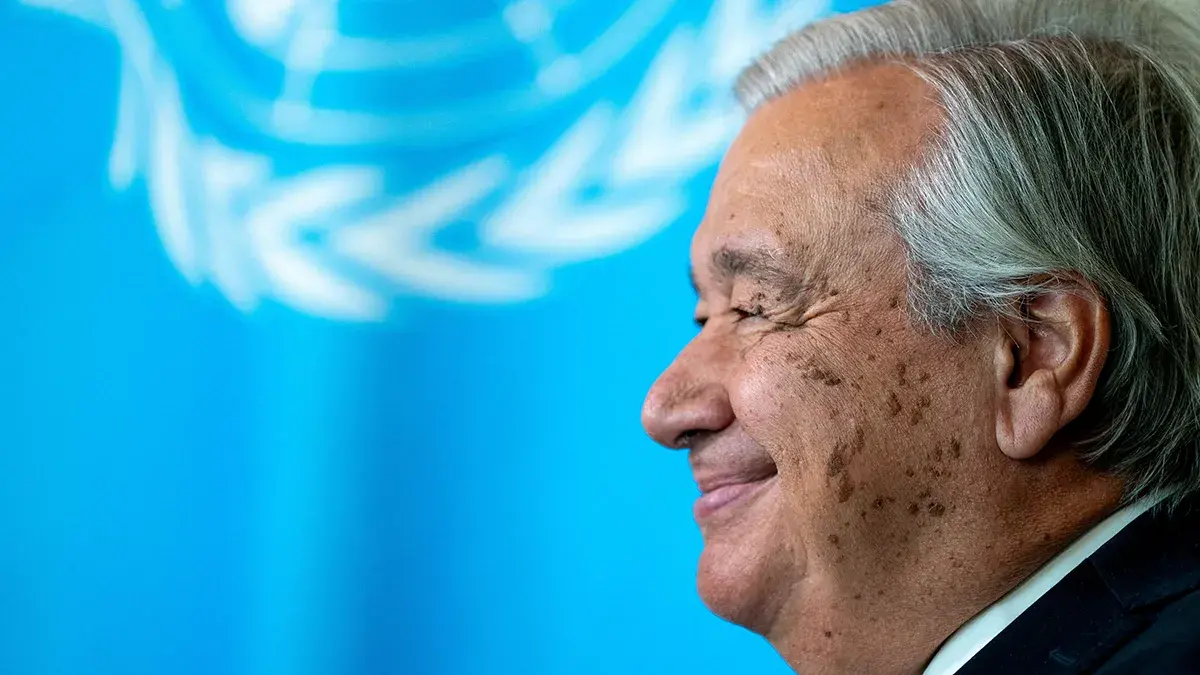
Another diplomatic triumph for Morocco. Following the meetings at the United Nations General Assembly in New York, where Morocco's Autonomy Plan for Western Sahara took centre stage, United Nations Secretary-General Antonio Guterres has once again called for realism and compromise with regard to the Moroccan Sahara.
In his message, he insisted on the need to respond to the activities of the separatists with realism and collaboration.
Call for realism and compromise at the UN
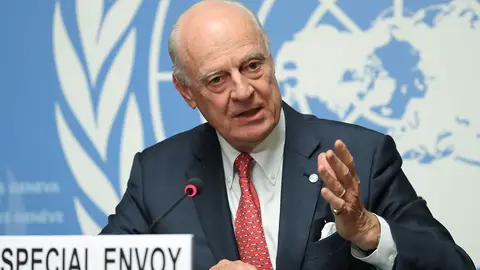
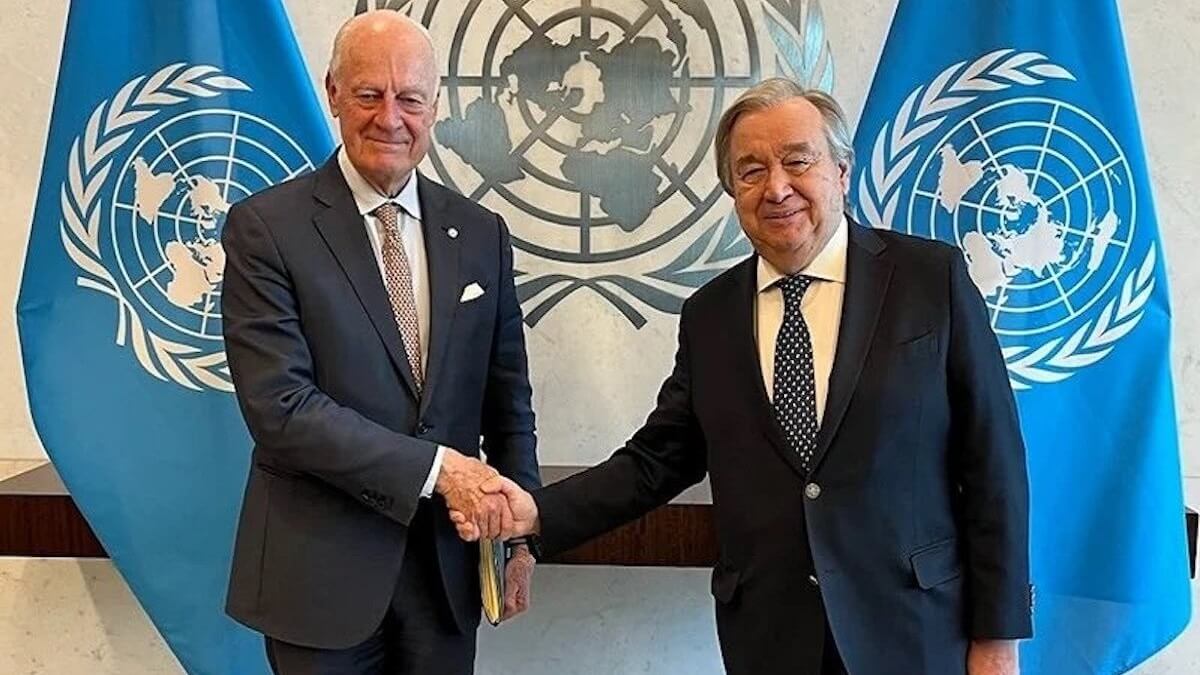
In this report, the Secretary-General's special envoy, Staffan de Mistura, refers to the activities of the separatists, highlighting the need to adopt a realistic and collaborative approach, as set out in Security Council Resolution 2703 adopted in October 2023.
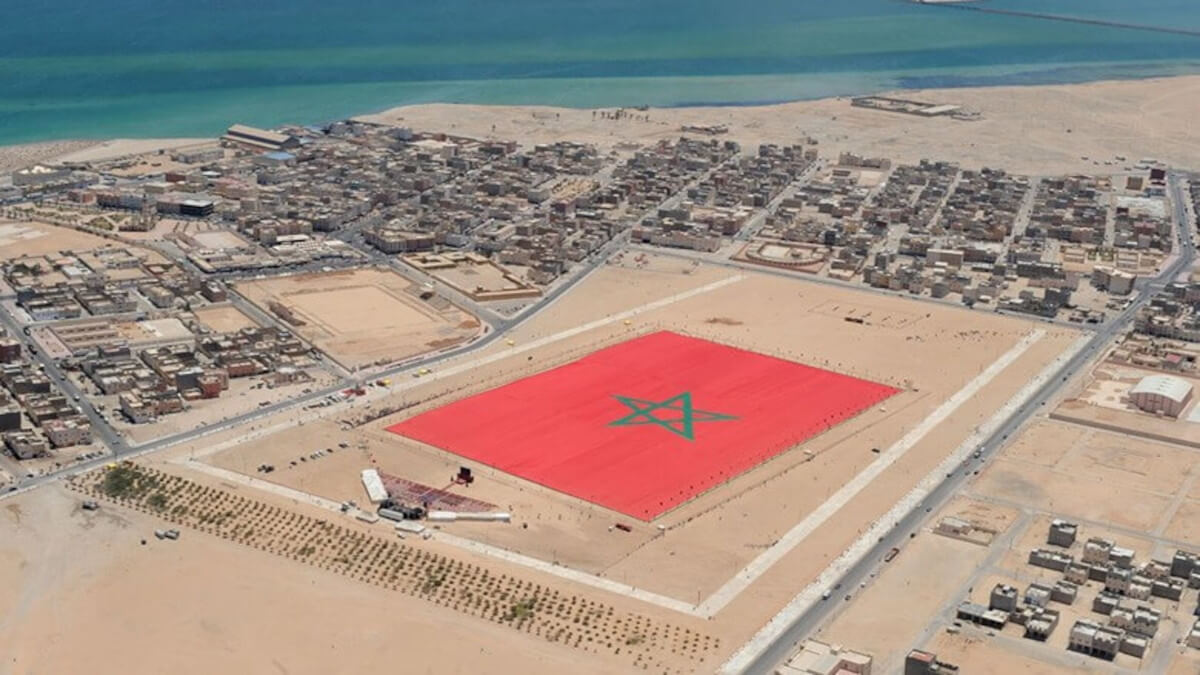
This is a show of support for Rabat at a particularly delicate moment in the process and is in line with the policy of the Moroccan capital and the growing interest in the issue of the Moroccan Sahara. This is reflected in the growing number of countries supporting the Moroccan Autonomy Initiative, which is considered the most serious and realistic alternative for addressing this conflict in the region.
International support for the Moroccan Initiative
More importantly, with around 120 countries supporting the Moroccan initiative, the message from the United Nations encourages the parties to listen to the voice of reason and seek a compromise, which serves to reinforce the Autonomy Initiative as the most solid and credible way to steer the Sahara towards a definitive solution.
The endorsement of countries such as the United States, Spain, France, the United Arab Emirates, Germany, Israel and even the United Kingdom, to name a few, is a good indication that the world is moving in one direction and that most countries are committed to the Moroccan plan as the most effective and viable formula in the long term.
Endorsement of the Moroccan plan by key countries
The reminder from the personal envoy regarding the limits of the latest Security Council resolutions highlights that the Moroccan autonomy initiative is the one that best complies with these limits, implying that the separatist option is ruled out in advance, especially in a scenario where the new international dynamic favours the integration of the Sahara into Morocco, representing a major shift towards a political solution in line with Morocco's positions.
Limits of Security Council resolutions
The Moroccan Autonomy Initiative, presented in 2007 by the King of Morocco, Mohammed VI, to the UN Secretary-General, is the most realistic, serious and credible proposal for achieving a fair, lasting and acceptable political solution for both parties to the regional conflict over the Moroccan Sahara.
This project, which has the support of several Security Council resolutions, is fully in line with the provisions of the political process, which is being carried out under the exclusive aegis of the United Nations, and responds to the demands of the international community for a realistic and compromise-based outcome.