Gaza peace plan backed by Netanyahu and Trump awaits Hamas response
- Has a peace agreement for Gaza really been reached?
- Trump's Peace Plan for Gaza
- Europe steps aside and recognises Palestine
Has a peace agreement for Gaza really been reached?
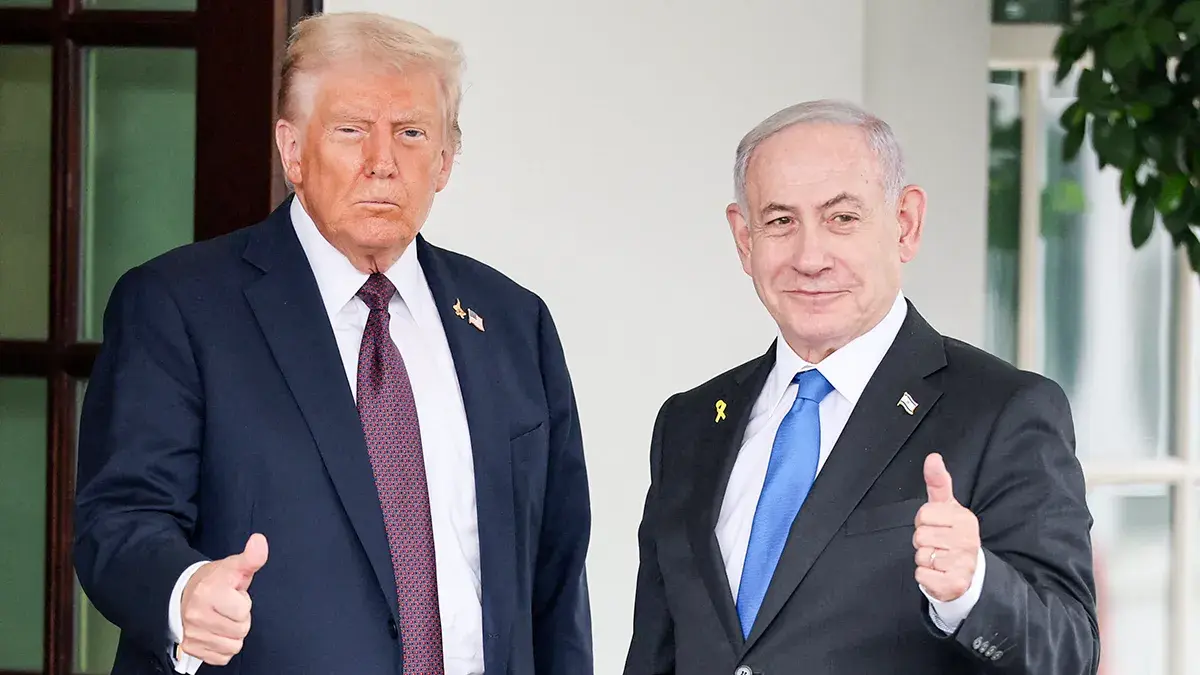
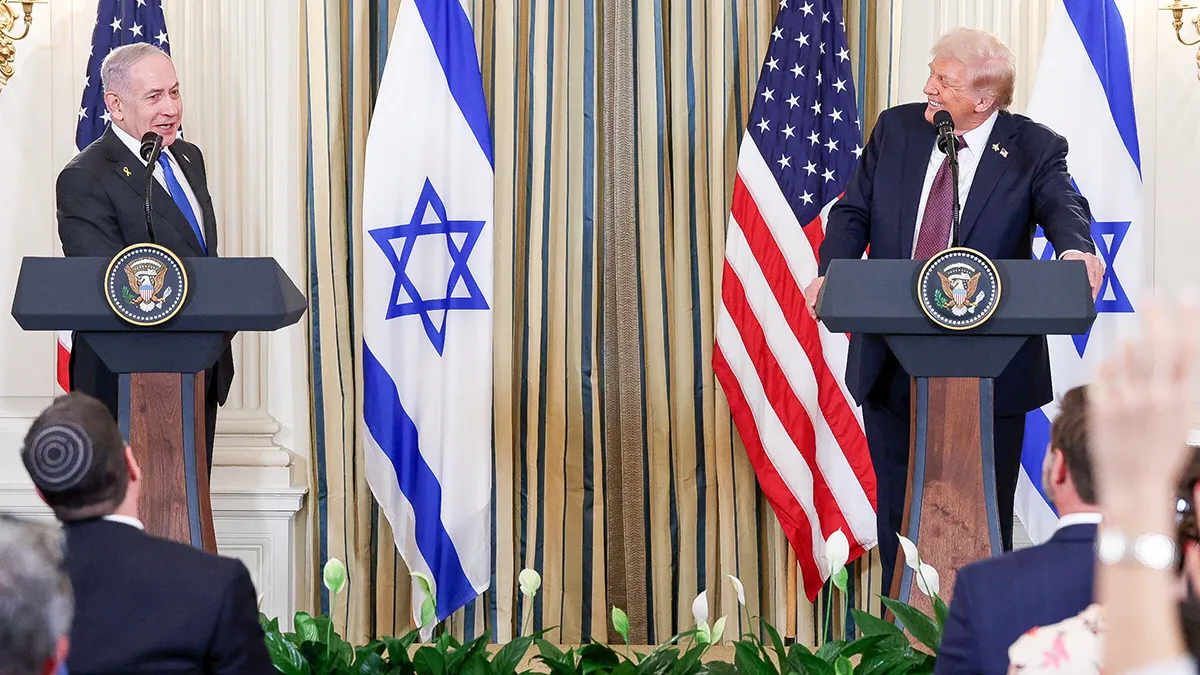
A week before the second anniversary of the conflict, Donald Trump and Benjamin Netanyahu officially announced in the White House press room the peace and reconstruction plan for the Gaza Strip that the US president had presented days earlier to the leaders of the Arab and Muslim world, who gave their approval, albeit with some reservations. The horizon is clear: the release of all hostages, demilitarisation, the absence of Hamas from power in Gaza and no Israeli interference in the West Bank. As in his first term with the signing of the Abraham Accords, Donald Trump wants peace and calm to reign in a region that the US has always considered key.
With this 20-point plan, Trump has shifted the responsibility to the leaders of Hamas, who, according to Al Jazeera, are studying the proposal.

Trump thanks Netanyahu for accepting the plan
With the aim of stopping the massacre and humanitarian crisis in Gaza, Donald Trump thanked the Israeli Prime Minister for accepting the terms of the plan.
‘Thank you very much, everyone. This is a very, very important day, a beautiful day, possibly one of the best days in the history of civilisation,’ he said.
The US president went further, stating that the agreement not only meant the end of the massacre, but also ‘eternal peace in the Middle East’.
‘Prime Minister Netanyahu and I have just concluded an important meeting (...) let's call it eternal peace in the Middle East,’ Trump declared.
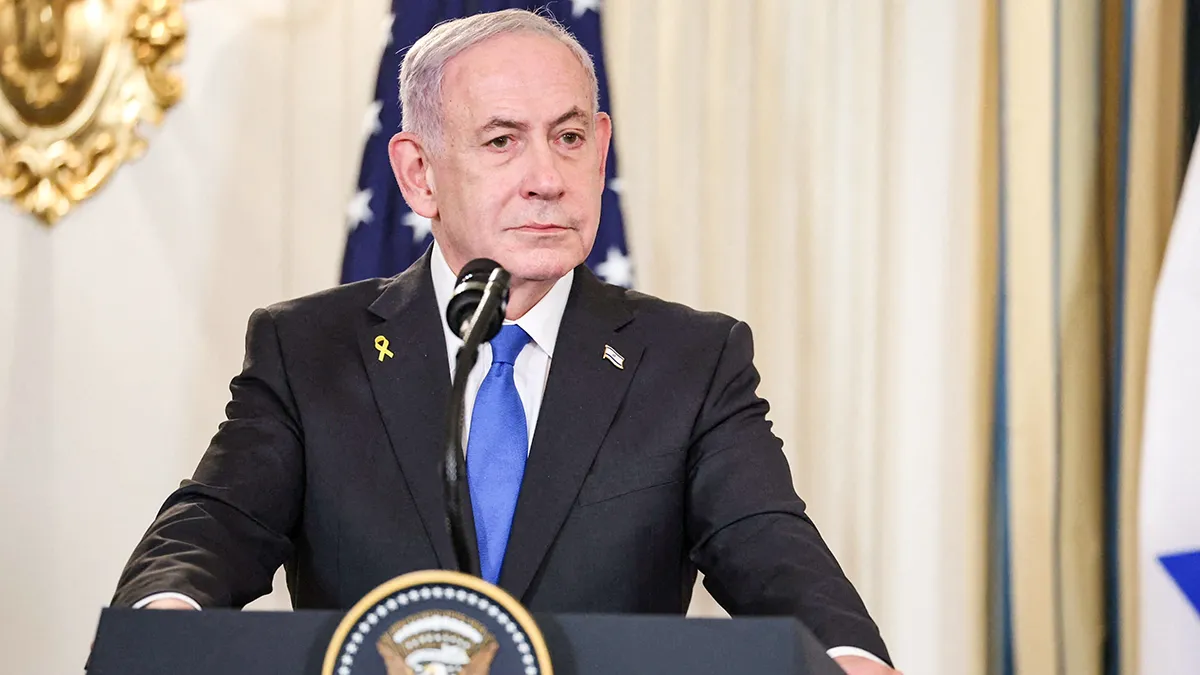
Trump's Peace Plan for Gaza
Known as the 21-Point Peace Plan, this project seeks regional calm in the Middle East. As in his first term with the Abraham Accords, Trump seeks to impose stability in a historically conflict-ridden region.
As in his first term with the signing of the Abraham Accords, Donald Trump now wants peace and calm to reign in a region that the United States has always considered key.
Essential conditions: hostages, ceasefire and technocratic government
Among the key points of the agreement are:
- The release of hostages within 72 hours
- The demilitarisation of Gaza by both Hamas and the Israel Defence Forces (IDF).
- No annexation of the West Bank.
- A verifiable ceasefire within 72 hours.
- Amnesty for Hamas members under certain conditions.
- Reconstruction of the Gaza Strip with international aid.
- Establishment of a technocratic government by the Palestinian Authority.
- Recognition of a Palestinian state in the long term.
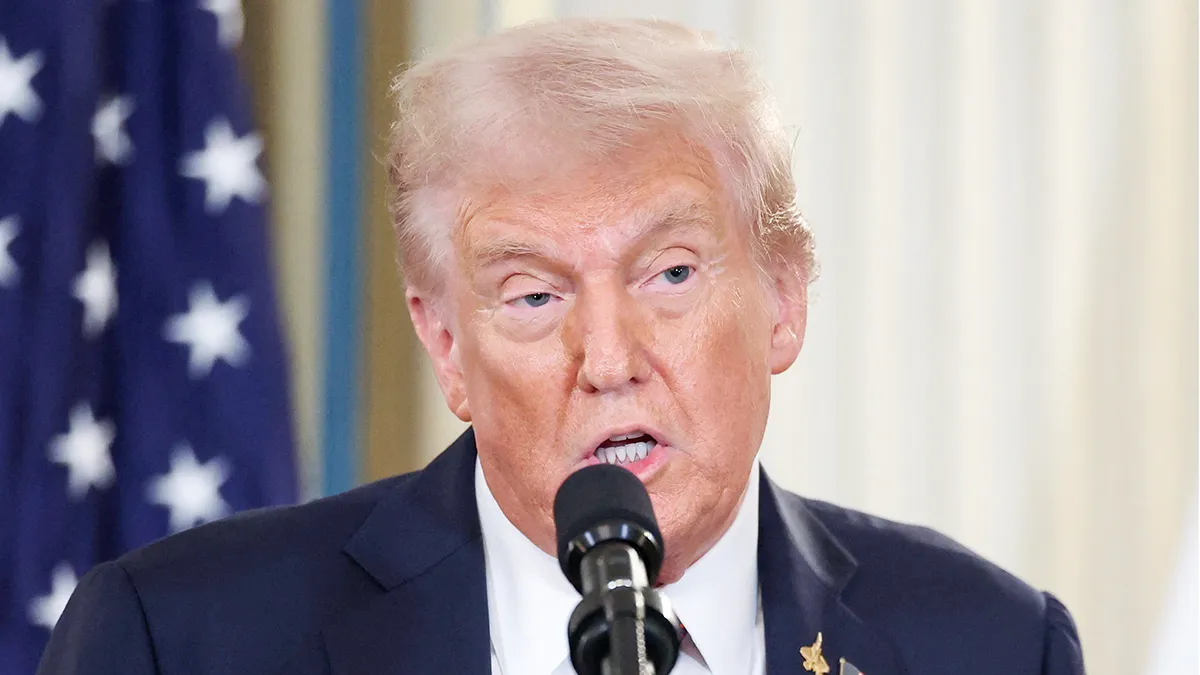
The 20 points of the Peace and Reconstruction Plan
The key points were officially detailed in a statement from the White House:
- Gaza will be a deradicalised and terrorism-free zone that poses no threat to its neighbours.
- Gaza will be rebuilt for the benefit of its population, which has suffered excessively.
- If both sides accept this plan, the war will end immediately. Israeli forces will withdraw to an agreed line to prepare for the release of the hostages; during that time, all military operations (air, artillery, bombing) will be suspended and the front lines will be frozen until conditions for a complete phased withdrawal are met.
- Within 72 hours of Israel publicly accepting this proposal, all hostages (living and dead) will be returned.
- Palestinian prisoners will be released as part of the exchange, including 250 serving life sentences and 1,700 detained since the conflict began (or other approximate figures depending on the draft).
- Israel will carry out a staged withdrawal to previously agreed lines while the exchange is taking place.
- There will be an amnesty for Hamas members who disarm and commit to not using force.
- Safe passage will be granted to those who wish to leave Gaza (temporarily or permanently).
- Hamas' military and terrorist infrastructure must be destroyed and not rebuilt.
- A transitional technocratic Palestinian government (technicians, without extreme party affiliation) will be established to administer Gaza during the transition.
- A ‘Board of Peace’ chaired by Trump will be created to oversee reconstruction, administration and political transition.
- Gaza will receive massive humanitarian aid and supervised international access for the rehabilitation of basic services (water, electricity, transport, health).
- An economic plan for Gaza will be promoted with experts from the Middle East, with an emphasis on employment, investment and development.
- A Special Economic Zone will be established with preferential conditions (access, trade, incentives) to accelerate recovery.
- No one will be forced to leave Gaza; residents will be able to stay or move freely according to their preferences.
- All armed factions (including Hamas) will be excluded from the government and will not be able to participate in the ruling administration.
- Gaza must be completely demilitarised; security personnel will be restructured under external supervision.
- An International Stabilisation Force will be formed to secure borders, maintain order and oversee compliance with the plan.
- The full return of governance will be conditional on reforms of the Palestinian Authority (PA) and verifiable democratic mechanisms.
- In the long term, the plan envisages a path to self-determination for a Palestinian state, conditional on the fulfilment of milestones in governance, security and development.
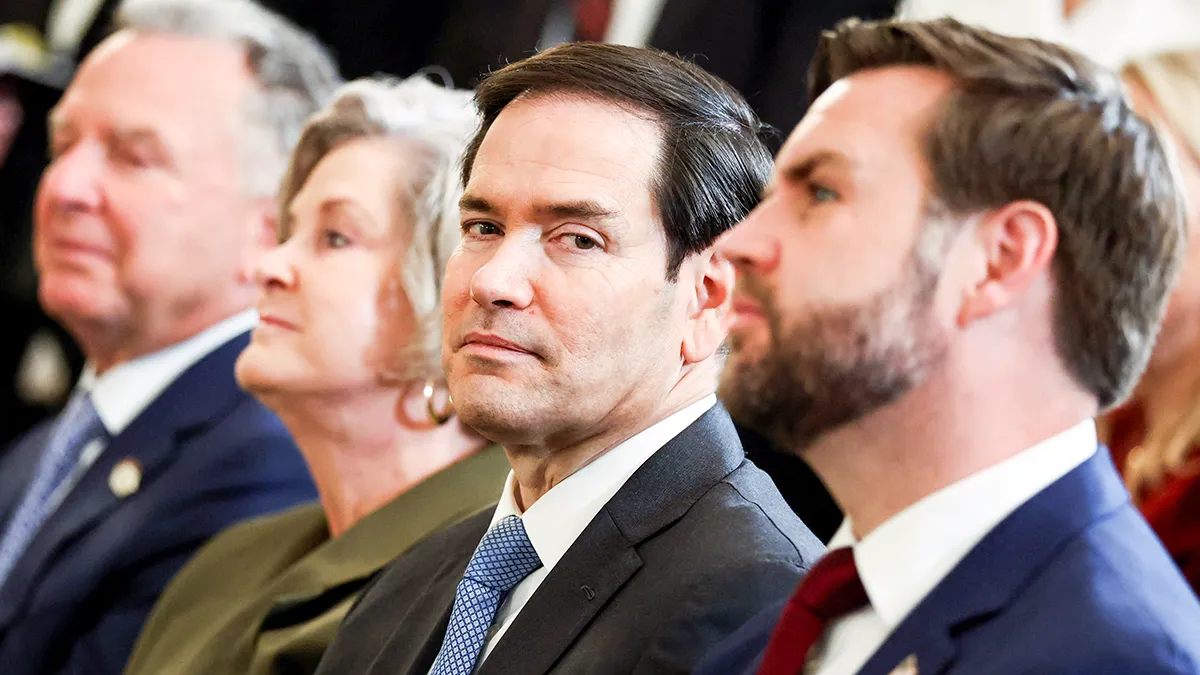
A realistic plan or an imposed agreement?
Is this plan viable? Polls by The Times of Israel indicate that two-thirds of Israelis want the conflict to end. There are no reliable polls in Gaza, but the desire for an end to the war is palpable.
One of the biggest criticisms of the plan is the absence of any mention of the West Bank, which raises doubts about Israel's future intentions and the status of Palestinian residents after the conflict.
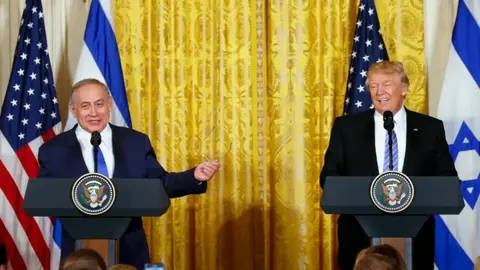
The agreement sets demanding conditions for Hamas, such as complete disarmament, while not placing similar restrictions on Israel. The plan clearly favours the stronger side, which is backed by Washington.
The plan envisages an International Stabilisation Force, ideally composed of forces from Arab countries, to ensure compliance with the conditions on the ground.
Europe steps aside and recognises Palestine
Left out of the negotiations, Europe has gone against the grain. While Trump insisted on a peace plan for Gaza involving all parties, most European states decided to recognise the State of Palestine, without knowing what real repercussions this recognition might have on the ground.
The path of international isolation for Israel was harshly criticised by Trump, who called it a disgrace. However, European leaders have congratulated the US president on coming up with a plan that suits all parties.
International reactions to Trump's plan
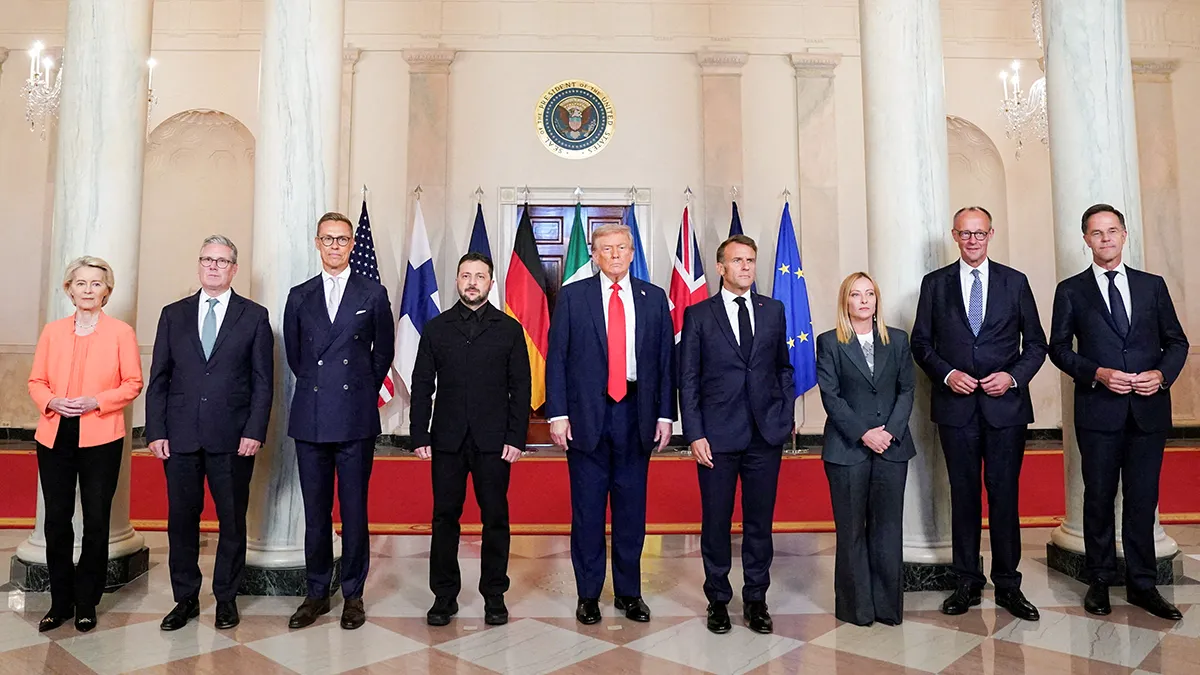
- Emmanuel Macron, President of France: ‘France is ready to contribute to efforts to end the war and free the hostages.’
- Giorgia Meloni, Prime Minister of Italy: ‘The plan could represent a turning point in this process and in achieving the definitive absence of Hamas in the Gaza Strip government.’
- Keir Starmer, Prime Minister of the United Kingdom: ‘We call on all parties to come together and work with the US administration to finalise the agreement and make it a reality.’
- Pedro Sánchez, President of Spain: ‘Spain welcomes the US-led peace proposal for Gaza. We must put an end to so much suffering. It is time for the violence to stop, for the immediate release of all hostages and for humanitarian aid to be given access to the civilian population.’
- Ursula von der Leyen, President of the European Commission: ‘The European Union is ready to contribute. Hostilities must end with the provision of immediate humanitarian aid to the people of Gaza and the immediate release of all hostages.’
And what do Iran, Russia and China say?
So far, Iran, Russia and China have not issued any official comments on the plan. This silence creates uncertainty about whether peace is sustainable even if Hamas accepts it.
It is well known that Israel's main military fronts are all financed by the Islamic Republic of Iran.
To talk about Iran is to talk about Russia, China and even North Korea. Repeatedly labelled by Donald Trump as ‘the axis of evil’, these four countries have yet to comment on the points outlined in the peace and reconstruction plan for the Gaza Strip, raising doubts as to whether, even if Hamas accepts the plan, lasting peace in the Middle East can be maintained over time.