Hamas demands release of prisoners serving life sentences at the cost of ruining the agreement
- Hamas' demands for the release of prisoners
- Negotiations in Egypt and Israeli opposition
- Implications of Trump's plan and the future of Gaza
Hamas' demands for the release of prisoners
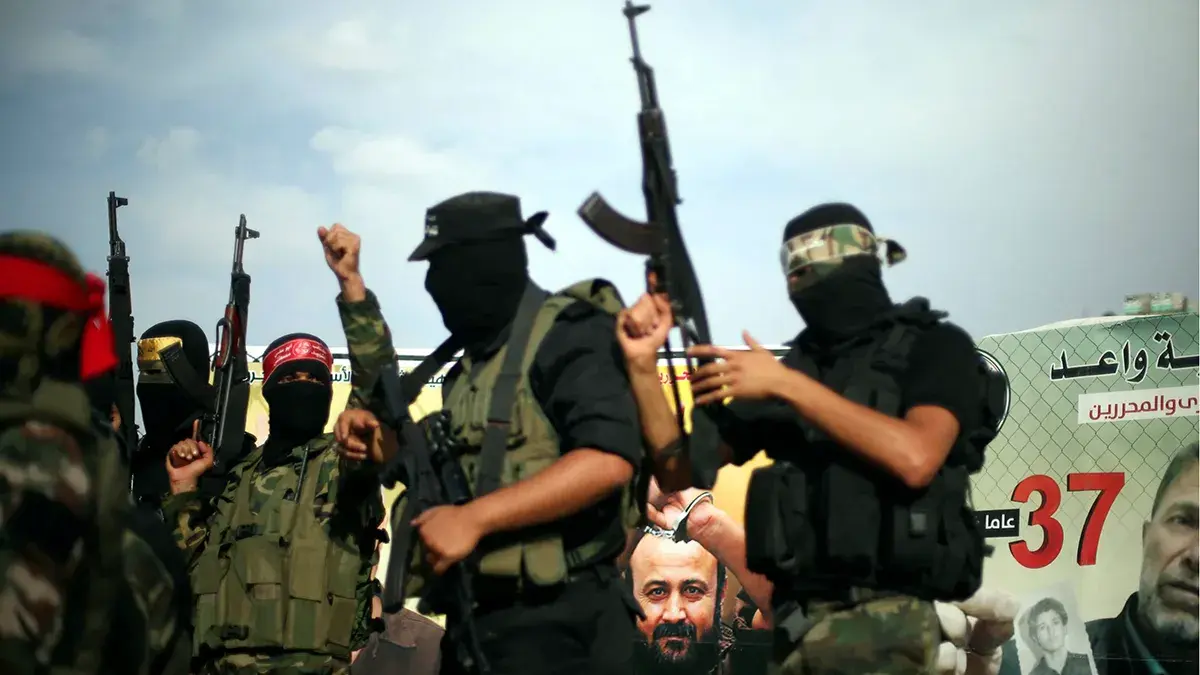
After informing the United States of its acceptance of the peace plan for the Gaza Strip, Hamas has expressed its intention to demand the release of all Palestinian prisoners held in Israel, including those serving life sentences. This request comes after Israel's refusal to release these prisoners, which could jeopardise the 20-point peace agreement proposed by Donald Trump.

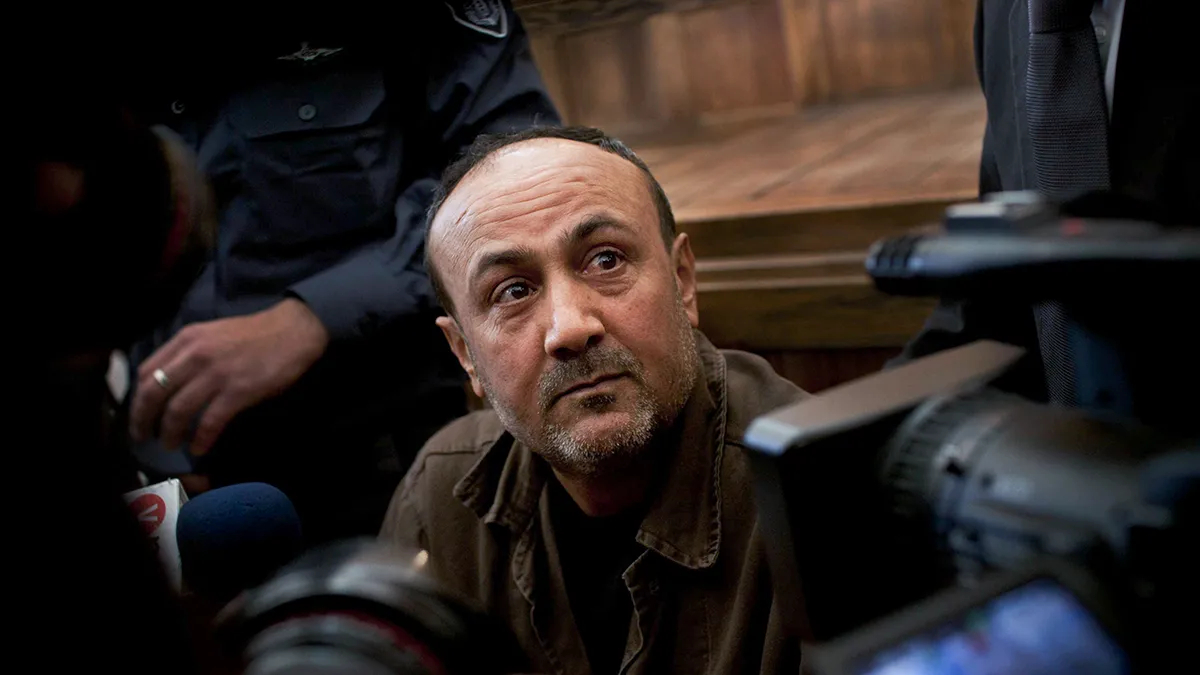
Hamas is seeking a guarantee from the US government that these prisoners, a group numbering more than 300, will be released. Among the most prominent is Marwan Barghouti, leader of Fatah Tanzim, sentenced to five life sentences for his involvement in attacks during the Second Intifada that killed five Israelis. Another prominent figure is Ahmad Sa'adat, leader of the Marxist-Leninist Popular Front for the Liberation of Palestine (PFLP), sentenced to 30 years in 2008 for planning the assassination of Israeli Tourism Minister Rehavam Ze'evi in 2001.
In addition, Hamas is demanding the release of Ibrahim Hamed, responsible for multiple attacks and sentenced to 45 life sentences during his command in the West Bank. Barghouti, Sa'adat and Hamed were all part of the Nukhba commando, Hamas' elite unit that participated in the 7 October attack. Israel considers that releasing them would be an affront to its population, given that they have not yet been tried for their involvement in these attacks.
Negotiations in Egypt and Israeli opposition
Delegates from all parties involved are currently meeting in Egypt to find a solution that reconciles Israel's refusal to release prisoners linked to the 7 October attacks and Hamas' firm demand for guarantees from the US government.
Israeli Agriculture Minister Avi Dichter has stated that Israel is willing to allow the release of Palestinian prisoners and Hamas members, but he clarifies that under no circumstances will it accept the release of those who directly participated in the attacks that caused the death and abuse of more than 1,200 Israelis on 7 October.
In addition to the request for the release of prisoners, Hamas has demanded that the Israel Defence Forces (IDF) leave Gaza according to a revised timetable that expands the areas of withdrawal for Israeli troops. Meanwhile, the group has begun talks with the Palestinian Authority to plan for what they consider to be the ‘day after’ in Gaza, seeking to establish a stable transitional government in the region.
Implications of Trump's plan and the future of Gaza
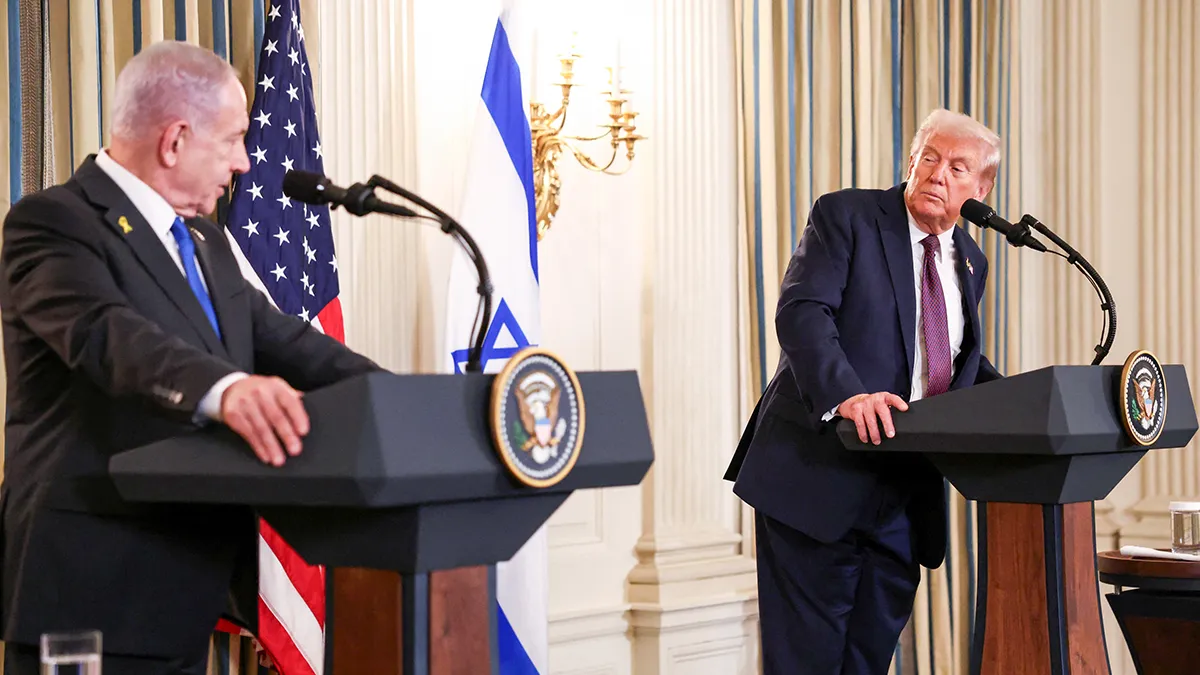
The plan presented by US President Donald Trump proposes that the Palestinian Authority take control of Gaza once it completes a programme of reforms. Until then, the Strip would remain under the supervision of an international peace board led by Trump. Israeli Prime Minister Benjamin Netanyahu endorsed this initiative during a joint press conference.
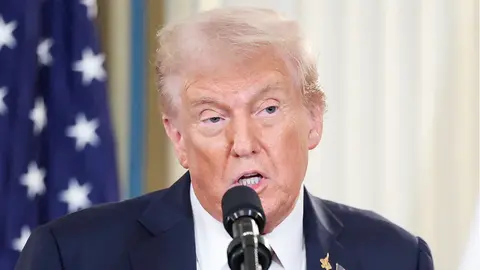
On Friday, after receiving Hamas' response, Trump confirmed that the terrorist group accepted the hostage and prisoner exchange formula set out in the plan. In this negotiation, Hamas agreed to release the remaining 48 hostages within 72 hours in exchange for the release of 250 Palestinian prisoners sentenced to life imprisonment, 1,700 Gazans detained since the 7 October massacre, and the remains of 15 Gazans for each deceased hostage, a figure that amounts to at least 26 according to IDF data.