Iranian prisoners cry out, ‘No to execution’
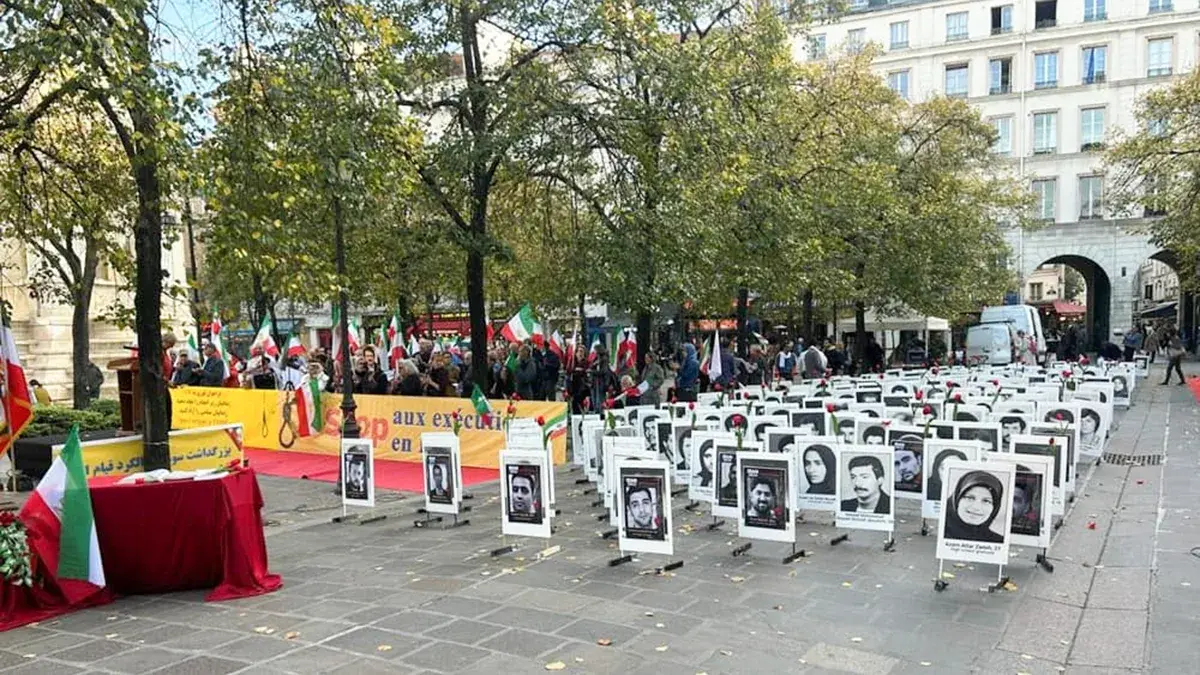

In the first nine months of 2025, the number of executions in Iran reached 1,200, the highest figure in the last 36 years. Across the country, at least 39 women have been executed this year.
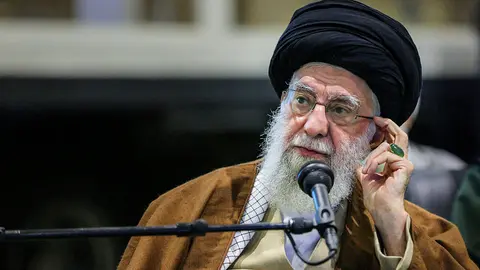
The death machine has been accelerated under the direct orders of Supreme Leader Ali Khamenei. Executions are carried out on a daily basis, often in secret, without a fair trial and in flagrant violation of international law. Political prisoners, ethnic minorities and women are the main victims.
In this climate of terror, a spark of rebellion has been ignited behind the walls of Iran's largest prison. On 13 October, some 1,500 prisoners sentenced to death in Ghezel Hesar prison began a mass hunger strike to protest the execution of their fellow prisoners. They refused all food and chanted ‘No to execution’ in the corridors of Unit 2. The following day, inmates from other blocks joined the movement, turning the protest into one of the largest collective hunger strikes in recent years.
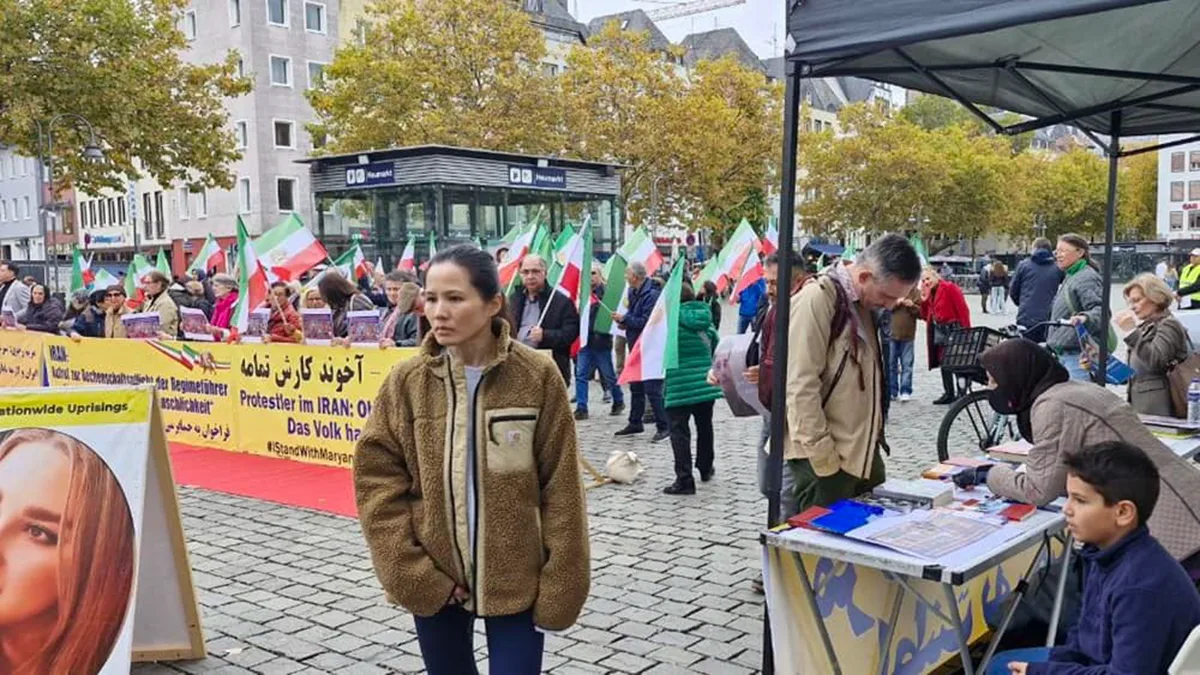
Messages from witnesses, smuggled out of the prison, describe a chilling routine: night-time transfers to isolation cells, followed by the return of empty beds at dawn. The prison director, Karamollah Azizi, threatened to close the kitchen and canteen if the prisoners continued their protest. Their response was scathing: ‘Go ahead, close them! There is nothing worse than what we are already experiencing.’
According to the National Council of Resistance of Iran (NCRI), a political coalition working for a democratic and secular republic, at least 170 people were executed during the first 22 days of the Persian month of Mehr (approximately 23 September to 14 October), or one every three hours. The NCRI has called on the United Nations and the European Union to support the strikers and put an end to this wave of executions.
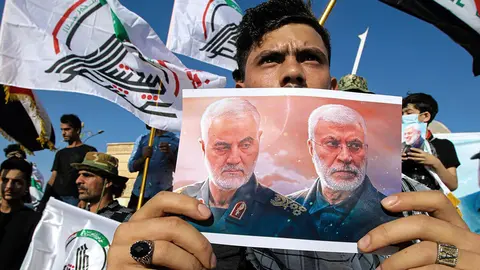
Currently, at least 17 political prisoners are on death row in Iran, awaiting imminent execution by the regime. They are accused of belonging to the main opposition movement, the People's Mojahedin Organisation of Iran (PMOI/MEK).
International outrage continues to grow. Human rights organisations are calling for a global moratorium and targeted sanctions against those responsible. But Tehran remains unyielding, justifying the hangings as the ‘application of divine justice’.
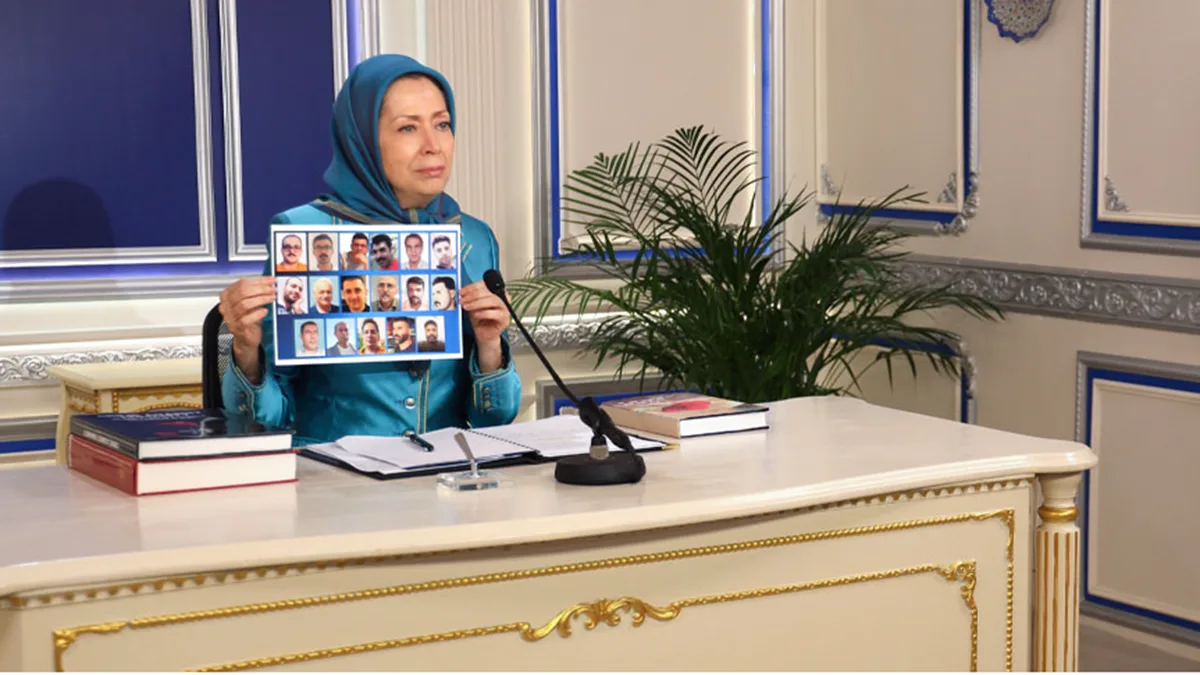
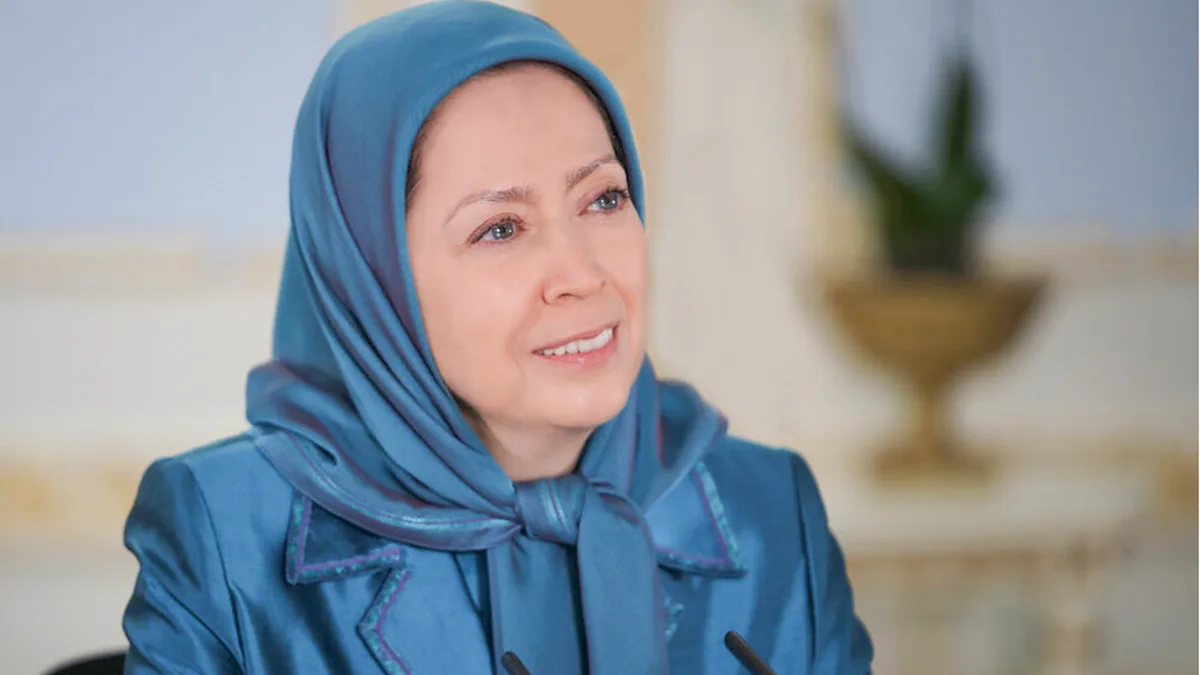
At a conference held in London on 11 October, on the occasion of World Day Against the Death Penalty, the president-elect of the NCRI, Maryam Rajavi, warned that Khamenei's regime ‘rests on the pillars of execution and repression’.
Ms Rajavi said the silence of the West was emboldening Tehran: ‘Stop auctioning off the human rights of our oppressed compatriots. Make your relations with this regime conditional on the immediate cessation of executions.’ She reaffirmed her movement's vision of an Iran free of executions and torture, based on forgiveness and humanity rather than revenge.
Within the country, solidarity is spreading. Political prisoners in Ward 7 of Evin Prison issued a statement in support of the strike in Ghezel Hesar, calling the death penalty ‘cruel and inhuman punishment’ and urging citizens to gather in front of prisons to protest. Their appeal echoes the national ‘Tuesday Against Execution’ campaign, now in its 90th week, in which prisoners in 52 prisons coordinate symbolic protests against capital punishment.
The courage of these prisoners has broken down the wall of fear erected by the regime. Their act of collective resistance recalls the moral power of hunger strikes in other dark chapters of history. Each declaration of ‘We will die protesting, not with a noose around our necks’ exposes the cruelty of the regime and reaffirms the dignity of the Iranian people.
What happens next will test the conscience of the world. Some Western governments have condemned the wave of executions, but words alone will not be enough to stop the executioner's noose. Concrete measures are urgently needed: targeted sanctions, diplomatic isolation and support for international investigations.
Ghezel Hesar's hunger strike goes beyond a simple prison protest; it is a cry from the heart of a besieged nation. Whether the international community chooses to listen or remain indifferent will determine not only the fate of 1,500 prisoners sentenced to death in a single prison, but also the moral courage of our time.
The true measure of humanity is revealed not in words, but in silence, the silence of those who look the other way. Today, that silence is complicity, for these executions are not mere national tragedies, but violations of the very international order based on the right to life.