Israel mobilises 600 police and hospital alert: how it plans to intercept dangerous Gaza-bound flotilla
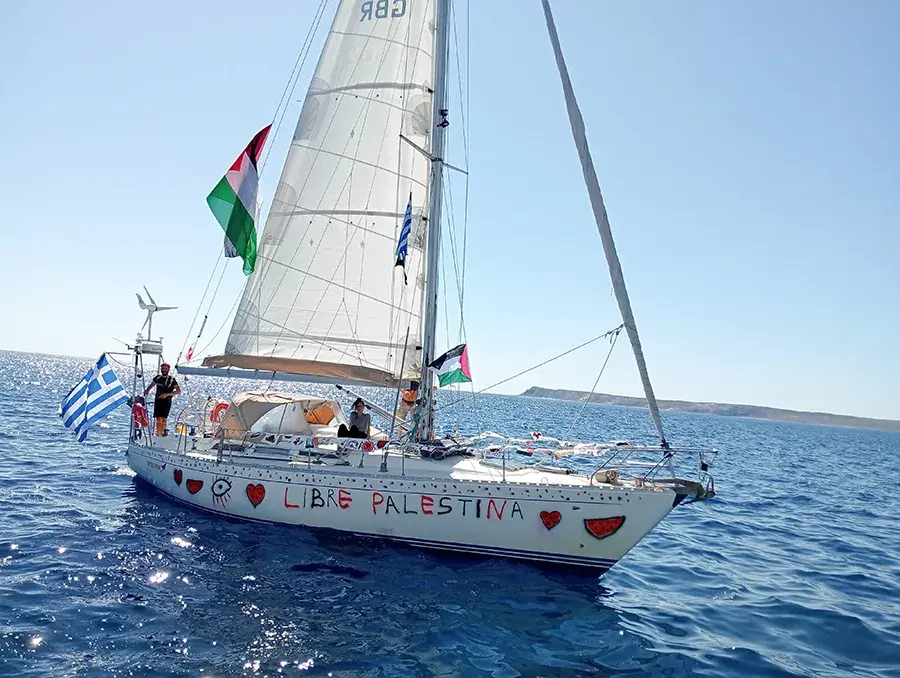
The Israeli Navy has launched a strategic operation to intercept the flotilla bound for Gaza, consisting of 47 vessels carrying around 500 activists. This measure comes as the flotilla enters the exclusion zone declared by Israel, an area 150 nautical miles off the coast of Gaza, which has maintained a naval blockade on the strip for years.
The response of the Israeli forces includes the mobilisation of 600 police officers in the port of Ashdod and the placing of seven nearby hospitals on alert, in anticipation of possible incidents or clashes. The current situation marks a critical point in a conflict that has heightened geopolitical and humanitarian tensions in the region, with direct implications for the Palestinian civilian population in Gaza.
- Basic context of the Gaza flotilla
- Causes and factors behind the Israeli intervention
- Current data and trends in the Israeli naval operation
Basic context of the flotilla to Gaza
The flotilla to Gaza is a group of civilian vessels sailing to the Strip with the aim of breaking the naval blockade imposed by Israel for more than two decades. This initiative seeks to bring humanitarian aid and raise awareness of the critical situation in the area, where the United Nations has warned of famine and a severe humanitarian crisis.
The Shayetet 13 unit of the Israeli Navy is in charge of naval operations, specialising in boarding and controlling suspicious vessels within the exclusion zone. On previous occasions, this force has intercepted and blocked smaller flotillas, but on this occasion the size and scale of the activist group represent an unprecedented challenge for the Israeli Armed Forces.
Literally, I love and respect every person who is participating in Global Sumud Flotilla pic.twitter.com/UmhMicVx7D
— Ahmed Hassan 🇾🇪 أحمد حسن زيد (@Ahmed_hassan_za) October 1, 2025
Israel's naval blockade of Gaza
Israel maintains a maritime blockade on Gaza as part of its security operations, citing the need to prevent the entry of weapons and materials that could be used by armed groups such as Hamas. This blockade includes an exclusion zone of more than 150 nautical miles, which restricts free transit and maritime access to the strip.
The international community has repeatedly condemned the humanitarian impact of the blockade, which hinders the entry of essential goods and medical services. Despite this, Israel defends the measure on grounds of national security and the protection of its citizens.
We can Watch and Track the Global Sumud Flotilla with this livestream
— Ryan Rozbiani (@RyanRozbiani) September 30, 2025
Bookmark and save it. They are about to enter the Danger Zonehttps://t.co/1cfuVcnCJ4
Causes and factors behind the Israeli intervention
Israel's decision to intercept the flotilla to Gaza is based on both strategic and political reasons. The naval blockade seeks to preserve security in the region, but it also has a deterrent and restrictive effect on the entry of aid through channels not controlled by Israel.
For its part, the flotilla represents a gesture of protest and solidarity with the civilian population of Gaza, which is suffering the consequences of the blockade and ongoing conflicts. Activists on board have denounced intimidation and aggression by the Israeli Navy, including the remote deactivation of communication systems and rapid approach manoeuvres that create tension.
Police and medical mobilisation
- 600 police officers were deployed to the port of Ashdod to control the possible arrival and disembarkation of activists.
- Seven hospitals in the surrounding area were put on alert to treat possible injuries or emergencies resulting from incidents.
- The Israeli Navy is considering sinking some vessels if boarding becomes unavoidable.
In addition, the detention and deportation of those intercepted is being considered, along with the possible establishment of special courts to handle these situations. These actions reflect the seriousness of the Israeli mobilisation to contain this civilian flotilla.
The Gaza aid flotilla says it has entered a 'high-risk zone' where previous boats have been intercepted https://t.co/JPOMhFUVTn pic.twitter.com/nJFZOMV3OJ
— Reuters (@Reuters) October 1, 2025
Current data and trends in the Israeli naval operation
The Global Sumud Flotilla, which is sailing with the participation of international activists and public figures such as Greta Thunberg and Ada Colau, has denounced a ‘psychological war’ by Israeli forces, including aggressive drone manoeuvres and technological blockades on board the vessels.
The governments of Spain and Italy, among others, have expressed their concern for the safety of the activists and have recommended proceeding with caution in international waters. However, they have warned that they will not intervene militarily to accompany the flotilla beyond the exclusion zone imposed by Israel.
Diplomatic actions and international appeals
Israel has reiterated its calls for the flotilla to deliver humanitarian aid to designated ports outside Gaza, such as the port of Cyprus or Ashkelon, thus avoiding a possible confrontation at sea. Italy and the Vatican have also supported this position, advocating for a peaceful delivery of aid without breaking the naval blockade.
At the same time, the Spanish government has recommended that activists not enter the declared exclusion zone, prioritising safety and avoiding provocations that could trigger a major conflict.
📍 Live location of global sumud flotilla pic.twitter.com/XDgaZ4Wt47
— Global Sumud Flotilla Commentary (@GlobalSumudF) October 1, 2025
Situation in Gaza and public opinion
The Gaza Strip is undergoing a profound humanitarian crisis, aggravated by the military offensive and the blockade. The United Nations has declared a state of famine in some areas, with serious needs in terms of food, medicine and basic supplies.
The flotilla seeks to break this isolation and raise awareness of the difficult situation, while Israel continues its strategy of control and restriction, conditioned by security factors and internal and international political pressure.
- The alert level has been raised at key medical infrastructure and police locations.
- The Israeli government has prepared a massive deployment for possible direct intervention against the flotilla.
- Tensions remain high and diplomatic negotiations continue, although without definitive progress.