Italy investigates alleged hunting of people by tourists in Sarajevo during the Balkan War
Surprise, outrage, rejection and absolute condemnation in response to the episode uncovered by the investigation opened by the Milan Public Prosecutor's Office in Italy following allegations that Italian citizens allegedly travelled to Bosnia-Herzegovina in the 1990s during the Balkan War to participate in manhunts.
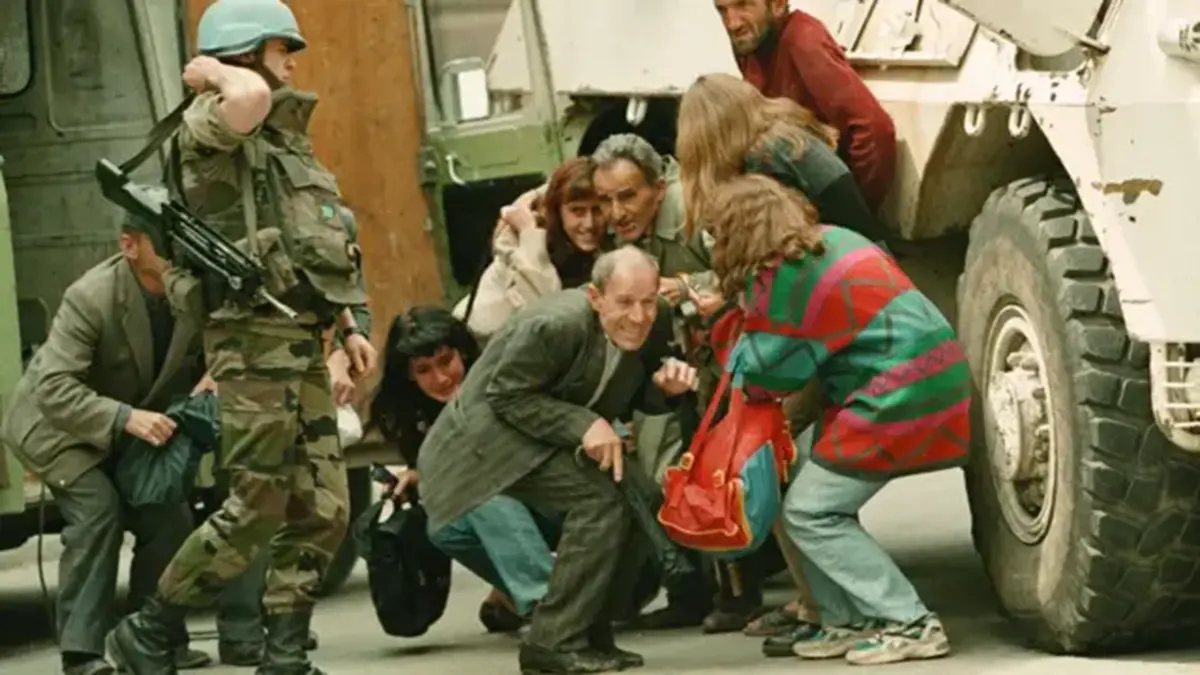
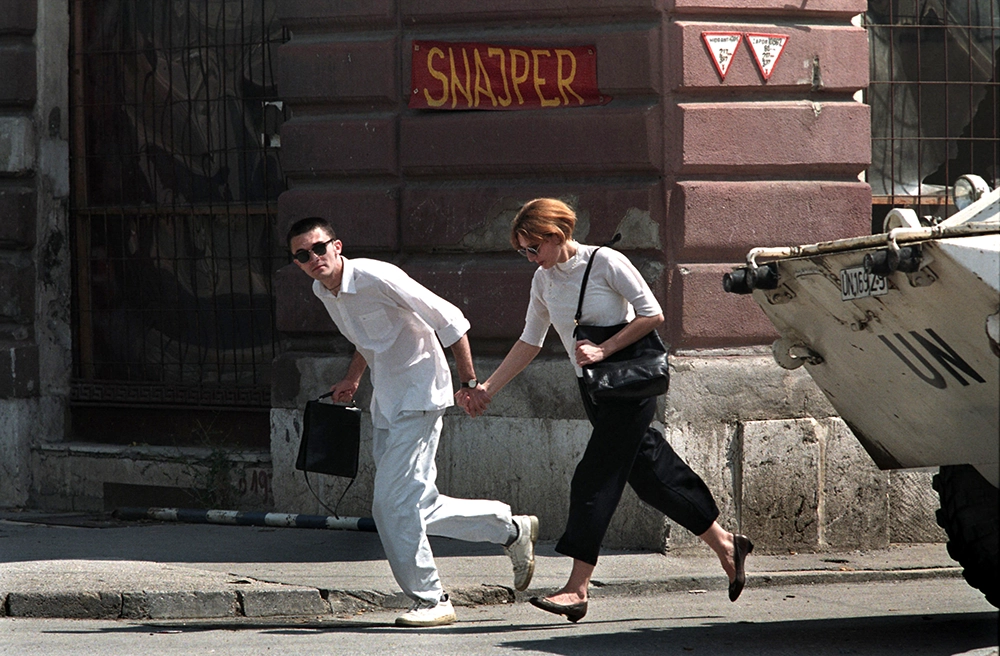
The alleged ‘sniper safari’ was carried out by Italian citizens and people of other nationalities who allegedly paid large sums of money to open fire on civilians in the Bosnian city of Sarajevo during the military siege carried out by Bosnian Serb radicals from April 1992 to February 1996 in the context of the Balkan War.
The sadly notorious Sniper Alley was the scene of civilian killings in the Bosnian capital, and it was there that those who allegedly paid to open fire on innocent civilians in a kind of macabre safari, in which large sums of money were allegedly paid to shoot people with impunity as a leisure activity, are said to have passed through.
Terror made real and human degradation personified, if the facts are confirmed after the investigation being carried out by the Milan Public Prosecutor's Office, facts that would take us back to the most degrading and inhuman aspects of the human condition.
Complaint in Italy
The complaint was filed by journalist and novelist Ezio Gavazzeni, who has spoken of ‘human hunting’ carried out by ‘very wealthy people’ who are fond of weapons and hunting.
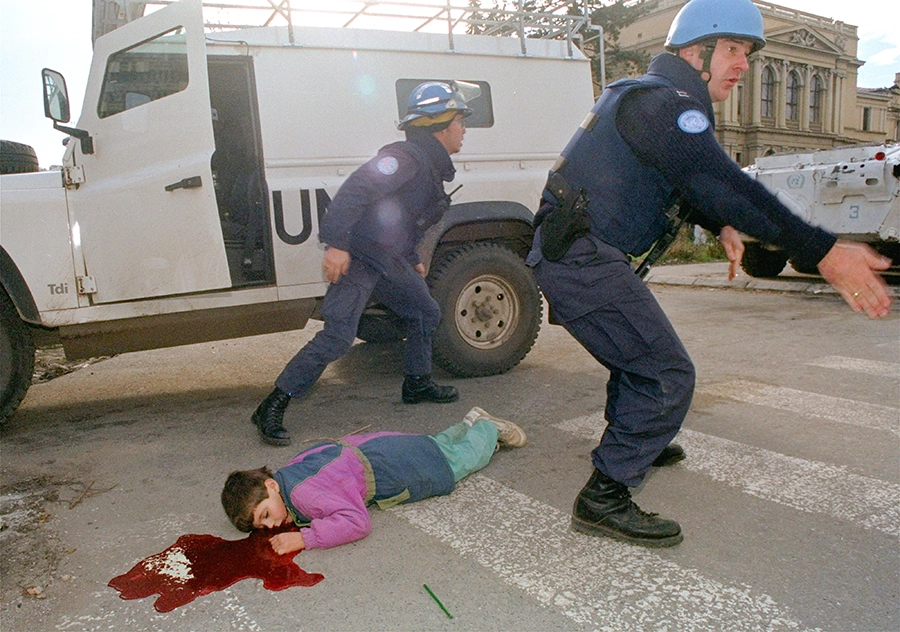
Ezio Gavazzeni has indicated that ‘people were paid to kill defenceless civilians’ from Serbian positions in the hills surrounding Sarajevo. According to some reports, different rates were charged for killing men, women or children.
The evidence gathered by Gavazzeni, which includes the testimony of a Bosnian military intelligence officer, is being examined by Italian anti-terrorism prosecutor Alessandro Gobbis. Gavazzeni himself has indicated that up to a hundred people of various nationalities allegedly participated in this brutal practice.
The Bosnian military intelligence officer reportedly told Gavazzeni that Bosnian military personnel learned of these events in late 1993 and informed the Italian intelligence services, who investigated and verified that the participants in the hunts had travelled from Trieste to Belgrade by plane and then on to the hills surrounding Sarajevo. As soon as the facts became known, the trips ceased within a few months.
Participants in these human safaris could have paid up to the equivalent of €100,000 for a weekend, and there is alleged talk of people based in Milan, Turin and Trieste in northern Italy.
Ezio Gavazzeni was supported in his complaint by former Italian judge Guido Salvini and the former mayor of Sarajevo between 2021 and 2024, Benjamina Karic. Information was gathered and compiled into a 2023 documentary entitled ‘Sarajevo Safari’ by Slovenian filmmaker Miran Zupanic. This documentary featured testimonies referring to alleged practices of wealthy individuals who allegedly paid to travel to the Bosnian capital to shoot civilians.
The Bosnian Public Prosecutor's Office closed the case due to difficulties in the investigation, according to Gavazzeni's statement to the Italian newspaper La Repubblica, and the Serbian justice system also declined to take up the case. Hence, the Italian route was sought to investigate the matter.
Break-up of Yugoslavia
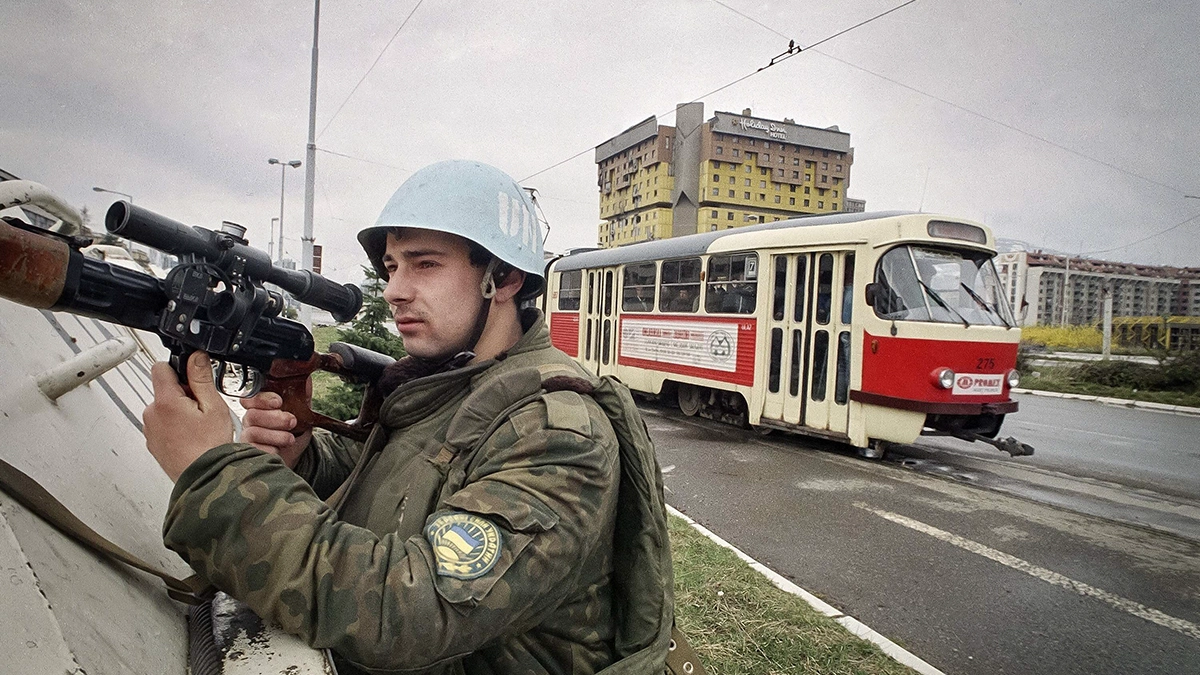
Bosnian Serbs besieged Sarajevo in the early 1990s, trapping some 350,000 people in the city, subjecting them to daily shelling and sniper attacks, and cutting them off from regular access to electricity, food, water and medicine.
More than 11,000 people died during the brutal four-year siege of Sarajevo in the Balkan War, which led to the break-up of the former Yugoslavia into the republics that exist today: Serbia, Croatia, Montenegro, Slovenia, Bosnia and Herzegovina, and Macedonia.
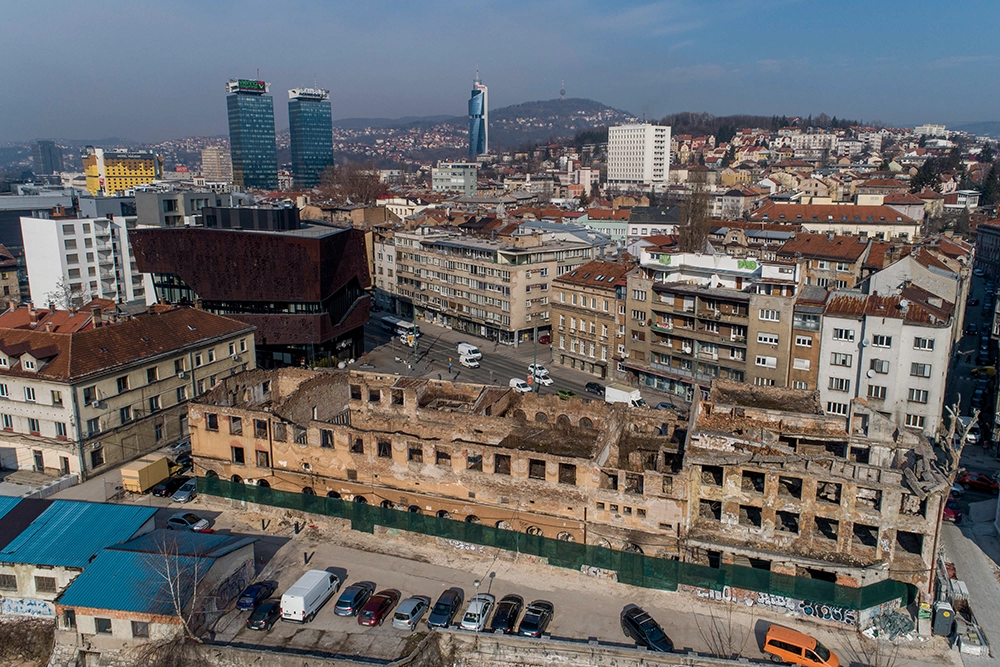
Yugoslavia was devastated by war following clashes between the country's various ethnic groups, and the city of Sarajevo was surrounded by Bosnian Serb forces and subjected to constant bombing and sniper fire. Over the years, several similar allegations have been made about alleged foreign ‘manhunters,’ but no material evidence or thorough investigation of the facts has been provided so far.