Mahmoud Abbas accuses Israel of genocide at UN and says Hamas will not rule Gaza
- Mahmud Abbas' speech to the UN
- The silence of the international community
- ‘Hamas will not rule in Gaza’
- Rejection of Greater Israel
- Call for recognition of the State of Palestine
- A message of hope
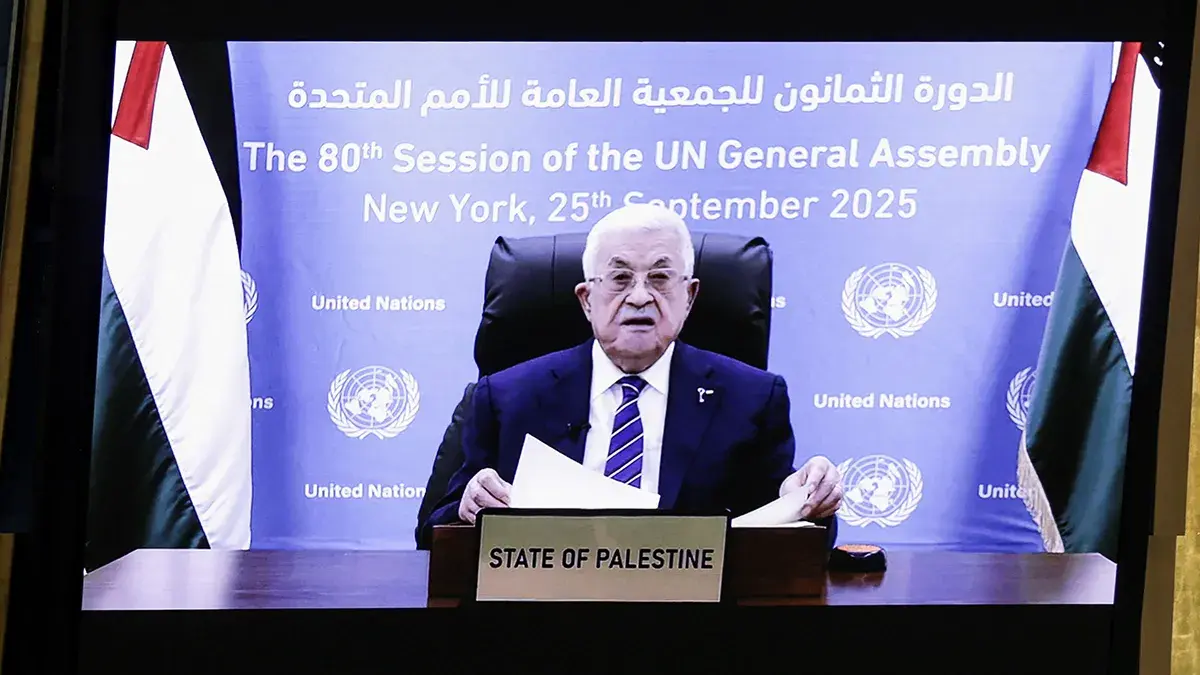
Mahmud Abbas' speech to the UN
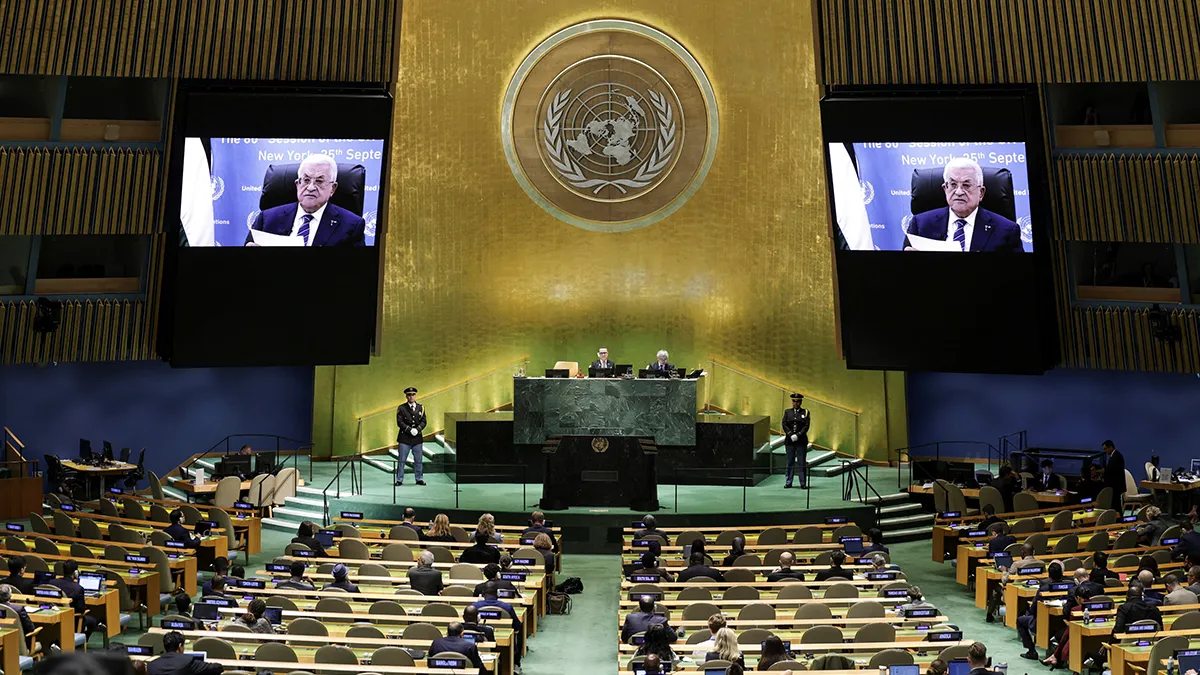
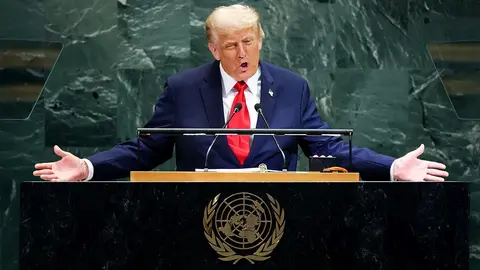
During his speech by videoconference, due to being banned from entering the United States, the President of the Palestinian Authority, Mahmoud Abbas, accused Israel of perpetrating genocide and war crimes in Gaza, rejected the actions of Hamas and stated that his group will have no role in the future Palestinian government in the Strip. He also made an urgent call for a ceasefire and the effective recognition of the Palestinian state.
The silence of the international community
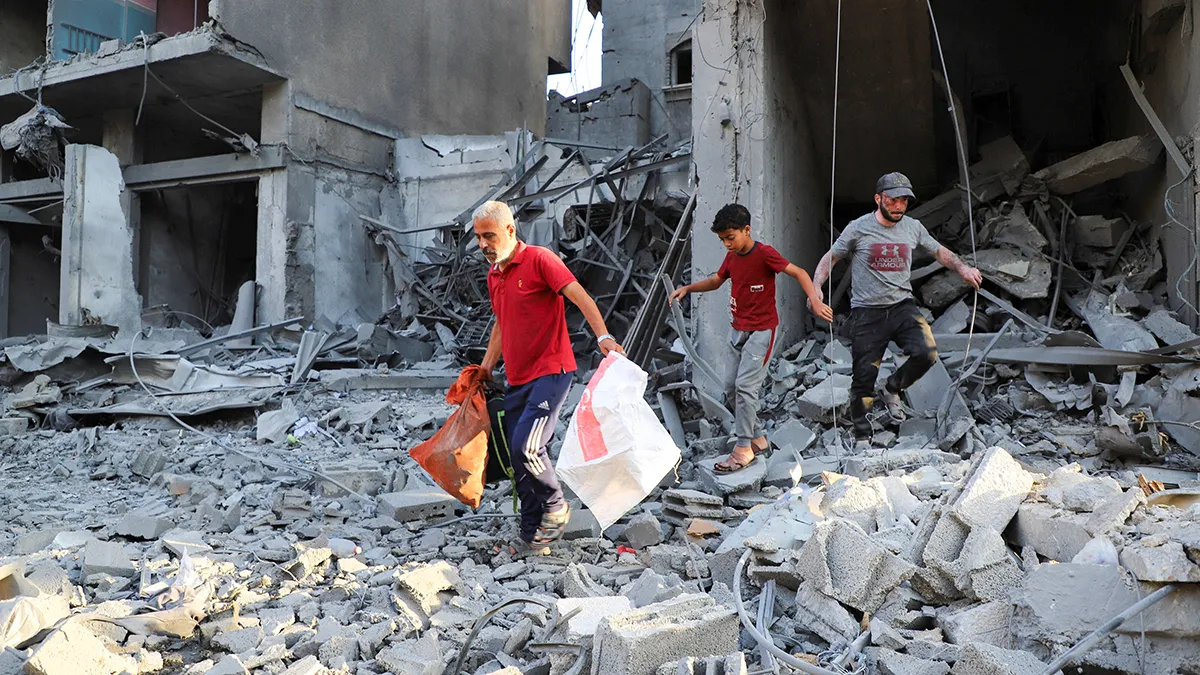
‘Israel is indiscriminately bombing the civilian population, forcing them to leave their homes, sometimes without warning,’ were some of the words Abbas spoke at the United Nations General Assembly. He stated that Israel's actions against the Palestinian people ‘will go down as one of the darkest chapters in modern history.’
Abbas began his speech by referring to what is happening inside the Palestinian enclave. From the outset, Abbas made it clear that this is not a military conflict, but a ‘war of extermination’ that has been silenced by the international community for more than a year and a half. ‘Israel has acted with total impunity and under international silence, even though the atrocities were being documented in real time,’ he said.
The speech comes in a context in which there are more than 30,000 dead, according to figures provided by the Palestinian Authority, and more than 65,000 according to figures from the Ministry of Health controlled by the terrorist group Hamas; and in a situation of unsustainable humanitarian crisis that Abbas described as ‘unsustainable’.
‘Hamas will not rule in Gaza’
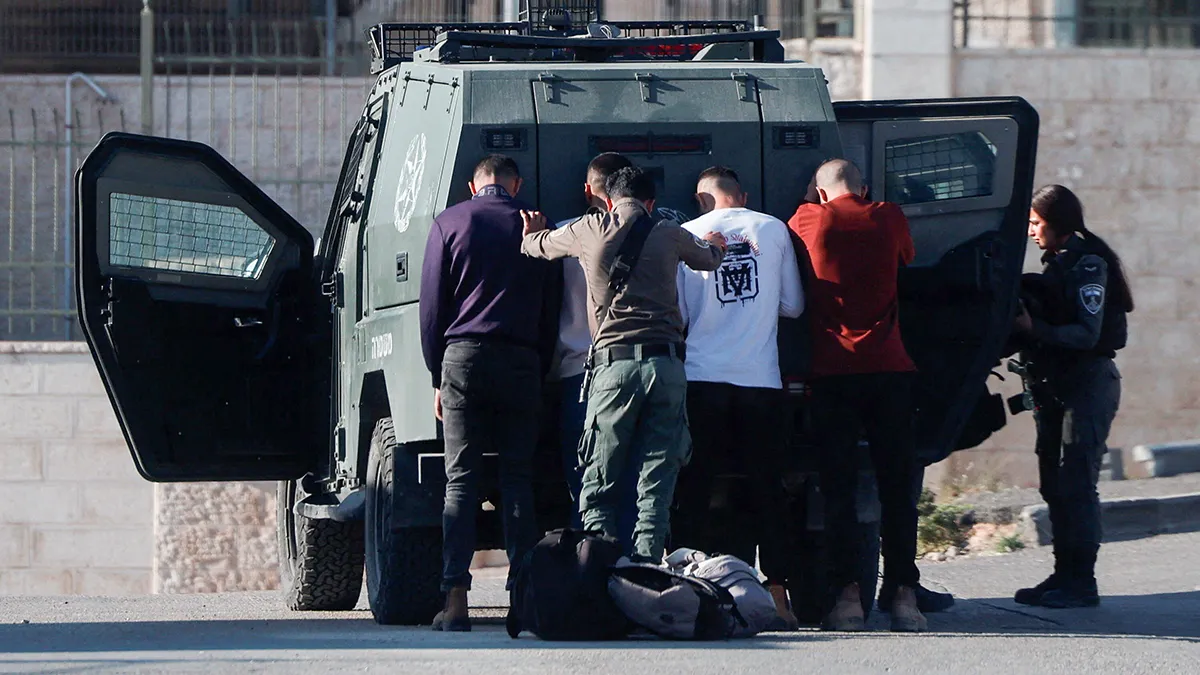
There are several conditions and key factors that must be met for the conflict to end. One of the most repeated and constant issues at the negotiating table is the confirmation by the Palestinian Authority that Hamas will be removed from power in the Gaza Strip.
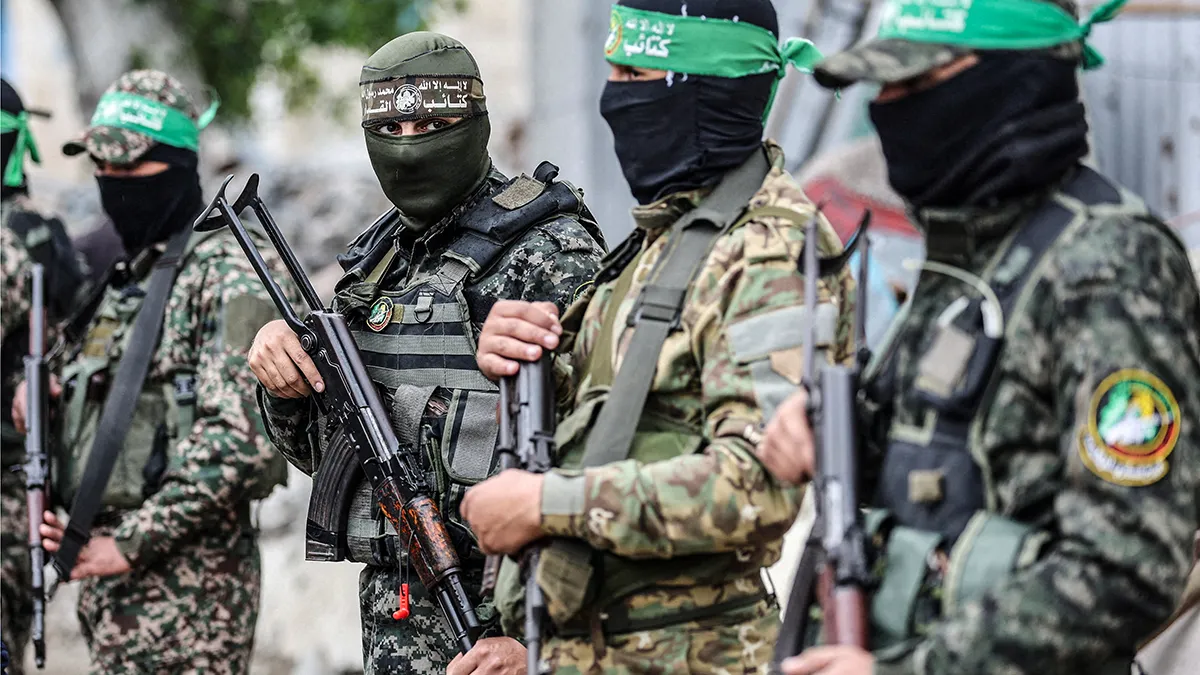
In this context, President Abbas stated that ‘they totally reject what Hamas did on 7 October, mercilessly taking the lives of more than 1,200 people and kidnapping more than 250. These acts do not represent the Palestinian people or their legitimate struggle. That is why Hamas will never again be in power or in the government of the Palestinian State.’
These statements refer to the Israeli attacks on Palestinian civilians, which have nothing to do with the Hamas terrorist organisation, and respond to one of the key conditions of both Israel and the United States for moving forward with any reconstruction and governance plan in Gaza after the conflict.
Finally, he said that the security and governance of the Strip will be solely and exclusively the responsibility of the Palestinian Authority.
Rejection of Greater Israel
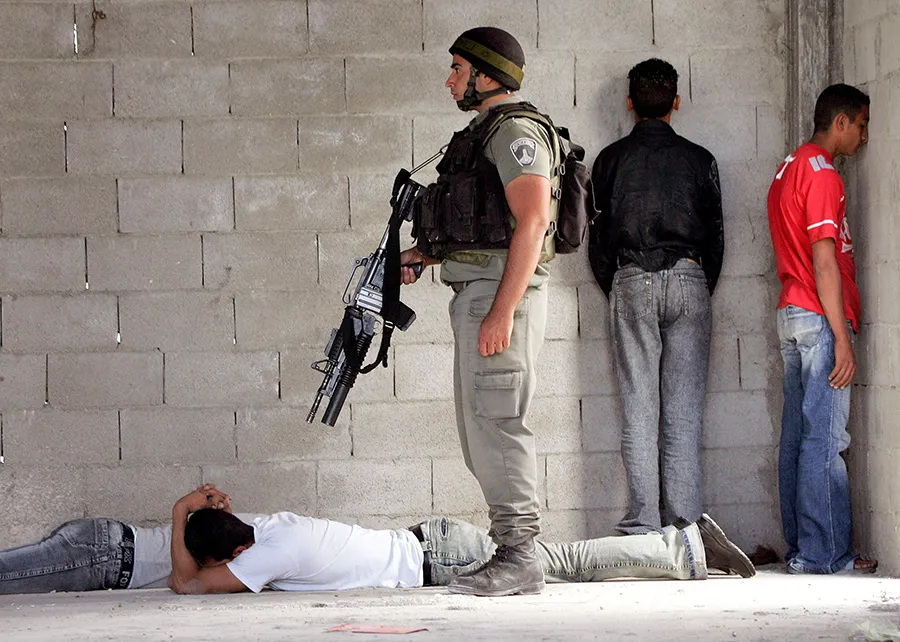
Abbas also denounced the expansion of Israeli settlements in the West Bank and described Netanyahu's plan to build a ‘Greater Israel’ as a direct threat to the two-state solution.
He warned that expansion in the area known as E1 would effectively divide the West Bank in two, isolating East Jerusalem and making any sovereign Palestinian state unviable.
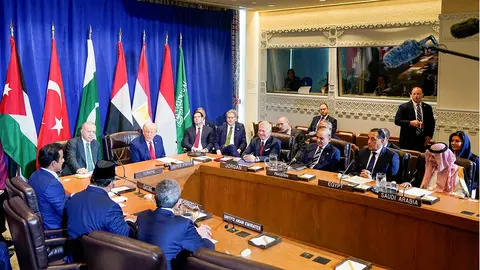
‘These actions flagrantly violate international law and Security Council resolutions,’ he said. In his view, Israeli policies seek to eliminate any possibility of a negotiated solution to the conflict and consolidate a permanent occupation.
Call for recognition of the State of Palestine
During his speech, Abbas thanked the countries that have recognised the State of Palestine, but regretted that symbolic recognition has not been translated into concrete action. "Words are not enough. We need practical steps to stop this aggression and achieve our independence," he said. He also called for an immediate ceasefire, the opening of humanitarian corridors, the release of hostages and prisoners, and the withdrawal of Israeli forces from Gaza.
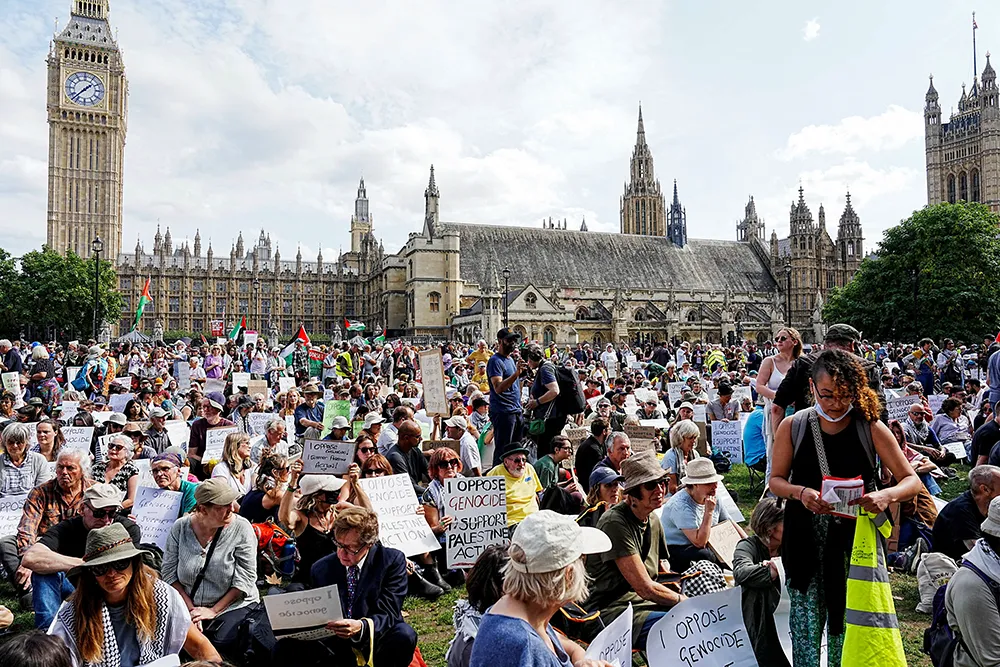
Addressing solidarity movements around the world, Abbas called for continued pressure on governments that support Israel and for the defence of Palestinian rights not to be confused with anti-Semitism. ‘I thank all the peoples and organisations that raise their voices in defence of our freedom,’ he said.
A message of hope
The Palestinian leader closed his speech with a message of hope and resistance: ‘We will not abandon our land. We will not renounce our identity. Suffering will not break our will. The dawn of freedom is approaching.’
Abbas' speech took place one day before the eagerly awaited speech by Israeli Prime Minister Benjamin Netanyahu, who will defend his government's actions in Gaza before the same forum. The contrast between the two speeches reflects the deep division within the international community over the conflict, especially in a context where powers such as France have begun to formally recognise the Palestinian state, while the United States continues to provide strong support to Israel.
Unlike the Security Council, the General Assembly cannot impose binding resolutions, but it serves as a platform for legitimisation and international visibility. Abbas took advantage of this space to position the Palestinian Authority as a legitimate actor in a possible future agreement, distance himself from Hamas, and hold Israel responsible for the tragedy in Gaza.