Trump proposes Gaza peace plan: ceasefire and reconstruction
- Who attended?
- Release of hostages and reconstruction of the Gaza Strip
- Conditions of the Arab countries
- Europe's role in the negotiations
The conflict in Gaza has caused deep concern internationally, leading world leaders to seek sustainable solutions that will end the violence and promote the reconstruction of the region.
Within the framework of the United Nations General Assembly, prominent figures have taken the lead in mediating a peace agreement that addresses the multiple aspects of the conflict, from security to socio-economic development.
One of the key players in these negotiations has been US President Donald Trump, who has promoted a comprehensive peace plan at a high-level meeting with leaders from the Arab world.
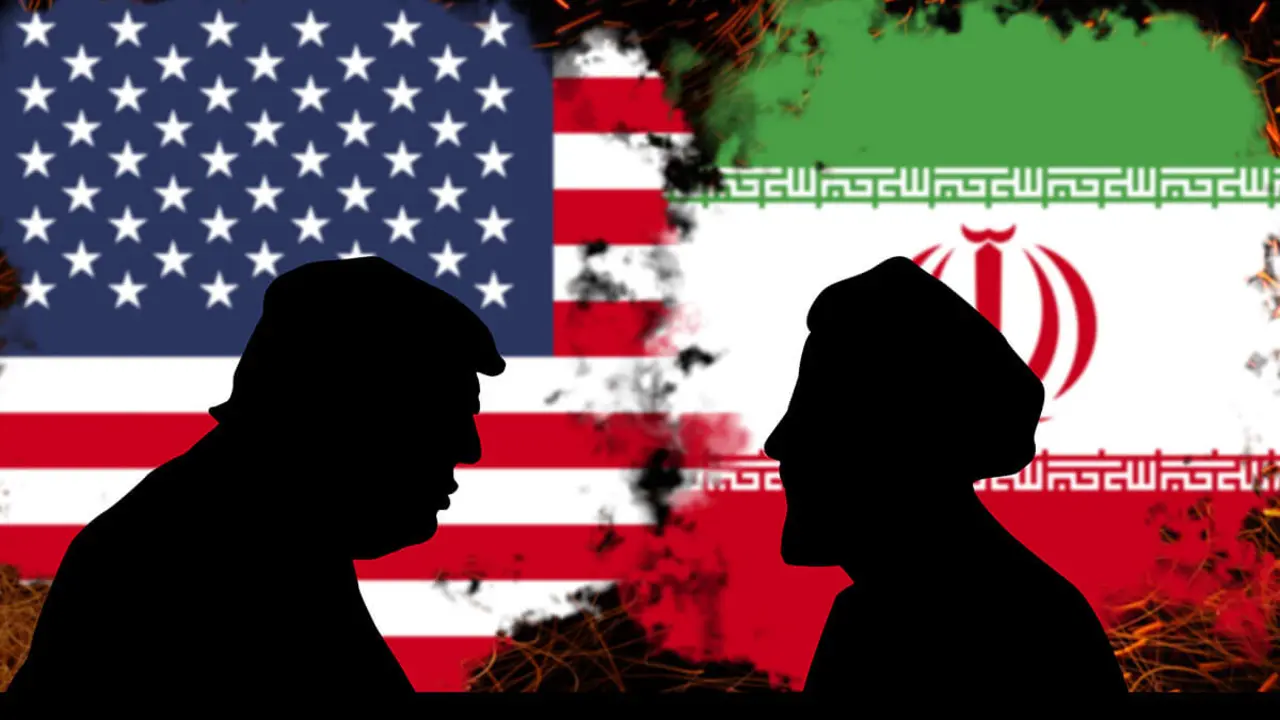
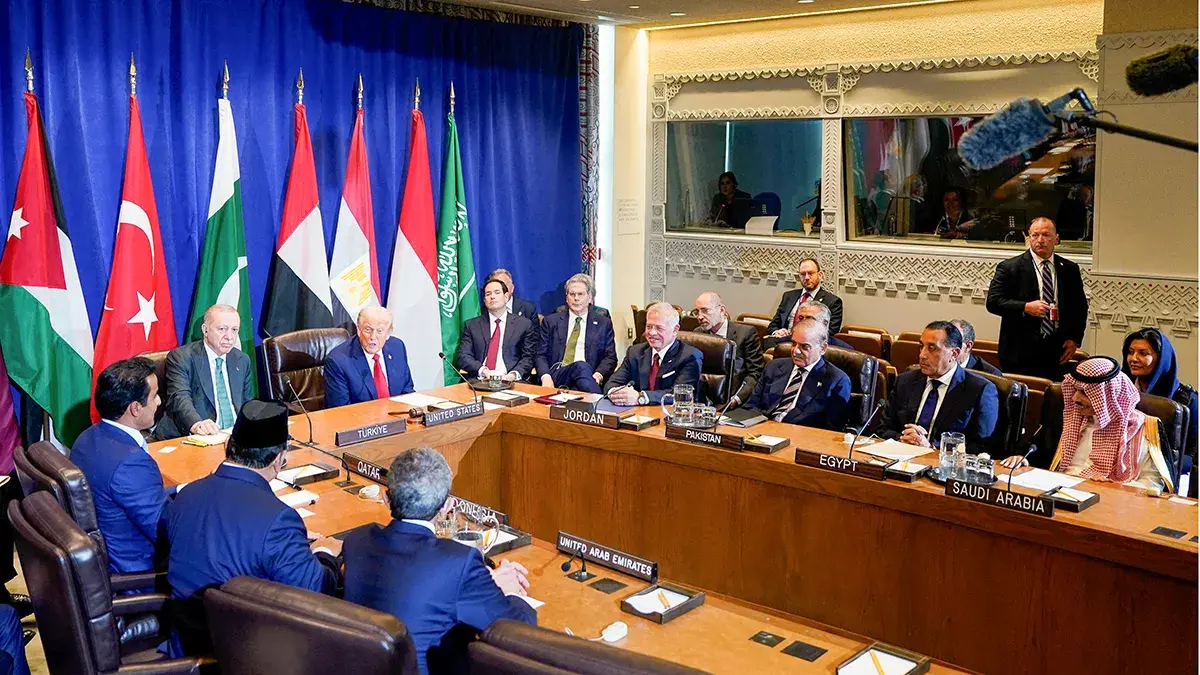
The end of the war in Gaza is drawing ever closer. In the context of the United Nations General Assembly, US President Donald Trump met with leaders from the Arab world to draw up a peace plan to end the war in Gaza.
The project presented by Donald Trump consists of 21 points which, as he explained at the meeting, address all the concerns of the countries of the Middle East, Israel, the Palestinians and the West. ‘I believe the plan encompasses all the concerns of all the actors in the region,’ said Steve Witkoff, US special envoy to the Middle East.
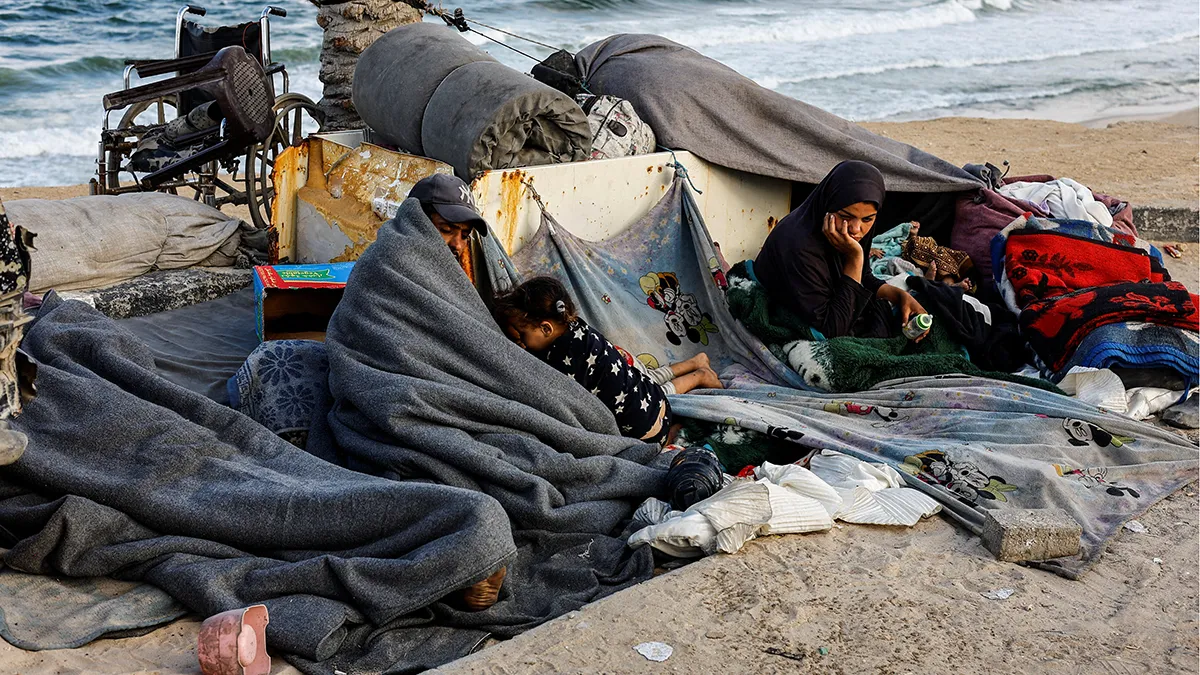
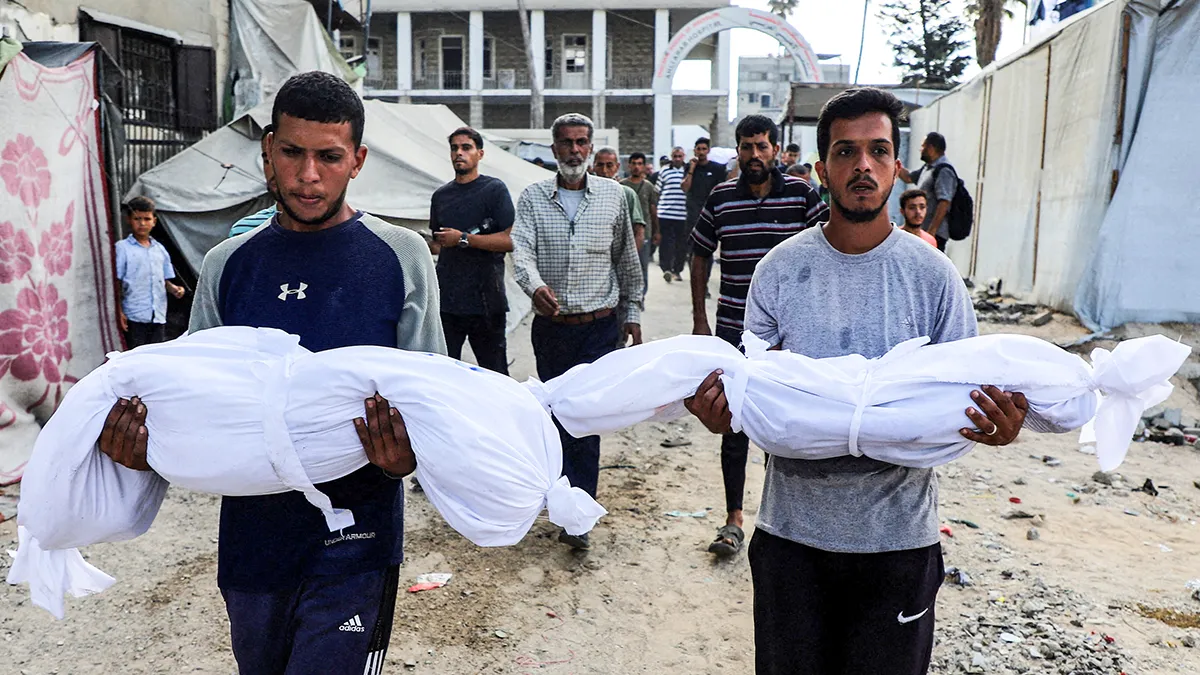
Trump described the meeting as ‘the most important meeting’ on the sidelines of the UN General Assembly and said he was seeking an immediate end to the war between Israel and the terrorist group Hamas. Meanwhile, thousands of Gazans remain displaced and, according to Doctors Without Borders, at least 50 people have been killed in the latest Israeli attacks.
Who attended?
Accompanying Donald Trump was the core of the American government: Marco Rubio, US Secretary of State; Steve Witkoff, US Special Envoy to the Middle East; Scott Bessent, US Secretary of the Treasury; and Pete Hegseth, US Secretary of Defence.
On the Arab side, attendees included the President of Turkey, Recep Tayyip Erdogan; King Abdullah of Jordan; the Prime Minister of Pakistan, Shehbaz Sharif; the Prime Minister of Egypt, Mostafa Madbouly; the Minister of Foreign Affairs of Saudi Arabia, Faisal bin Farhan Al-Saud; the Emir of Qatar, Sheikh Tamim bin Hamad Al Thani; the President of Indonesia, Prabowo Subianto; and the Deputy Prime Minister and Minister of Foreign Affairs of the United Arab Emirates, Abdullah bin Zayed Al Nahyan.
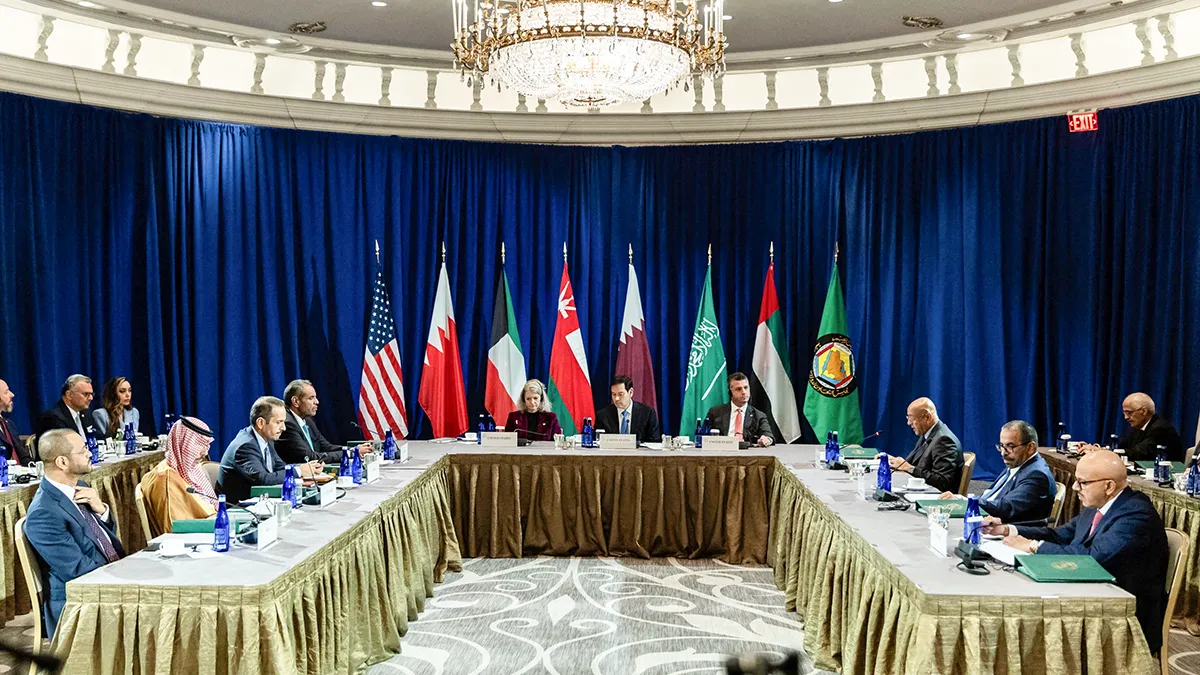
These leaders represent a diversity of perspectives and interests within the region, underscoring the complexity of reaching a consensus that satisfies all parties involved.
Subsequently, the foreign ministers of the aforementioned countries held a meeting with US Secretary of State Marco Rubio and Steve Witkoff, US Special Envoy to the Middle East. Among them were the Minister of Foreign Affairs of Qatar, Sheikh Mohamed bin Abdulrahman bin Jassim Al-Thani; Faisal bin Farhan, Minister of Foreign Affairs of Saudi Arabia; and Abdullah bin Zayed Al Nahyan, Minister of Foreign Affairs of the United Arab Emirates.
This meeting was crucial to align strategies and ensure a unified approach to the negotiations, avoiding discrepancies that could hinder the peace process.
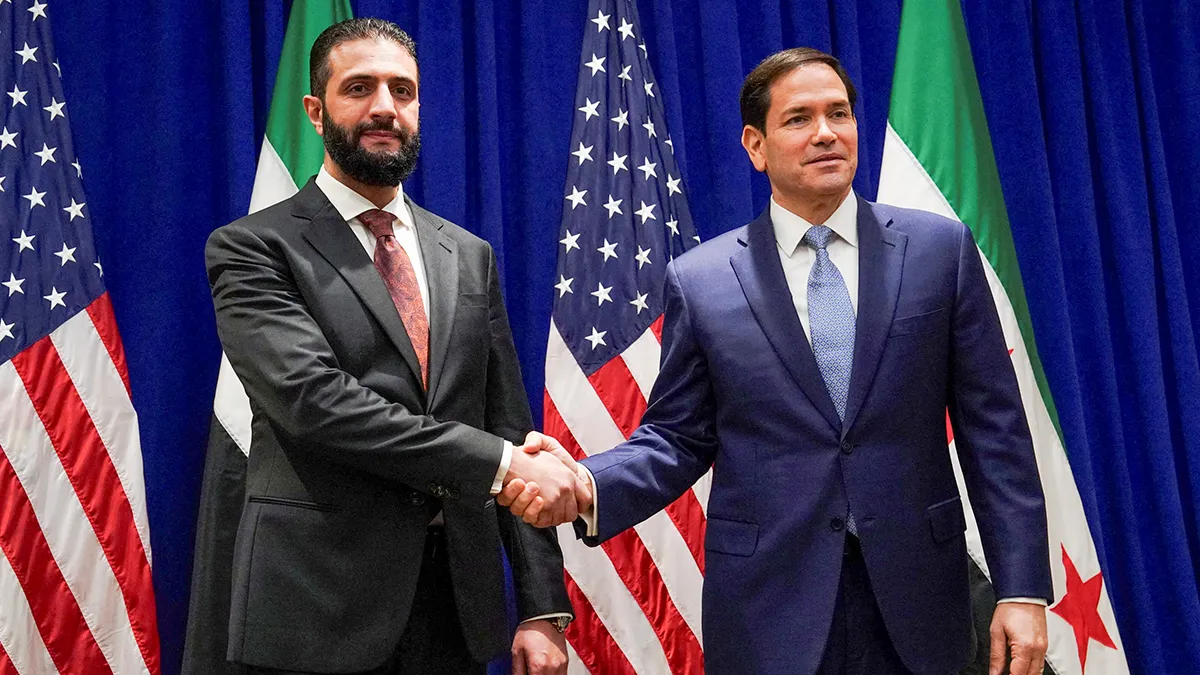
Release of hostages and reconstruction of the Gaza Strip
On numerous occasions, the US President has expressed his concern about stopping the killing being perpetrated by the Israeli Government in the Gaza Strip.
Despite his attempts to boycott the establishment of a Palestinian state and the plans to create the Gaza Riviera, once the conflict is over, Trump has proposed a peace plan for the Palestinians, the Israelis and the neighbouring countries in the region.
The basic principles of the US proposals were the release of all remaining hostages; a permanent ceasefire; a gradual Israeli withdrawal from the entire Gaza Strip; a post-war plan that included a mechanism of government in Gaza without the participation of Hamas; the establishment of a security force that would include Palestinians, but also soldiers from Arab and Muslim countries; and the provision of funding from Arab and Muslim countries for the new administration in Gaza and for the reconstruction of the Strip, with some participation from the Palestinian Authority.
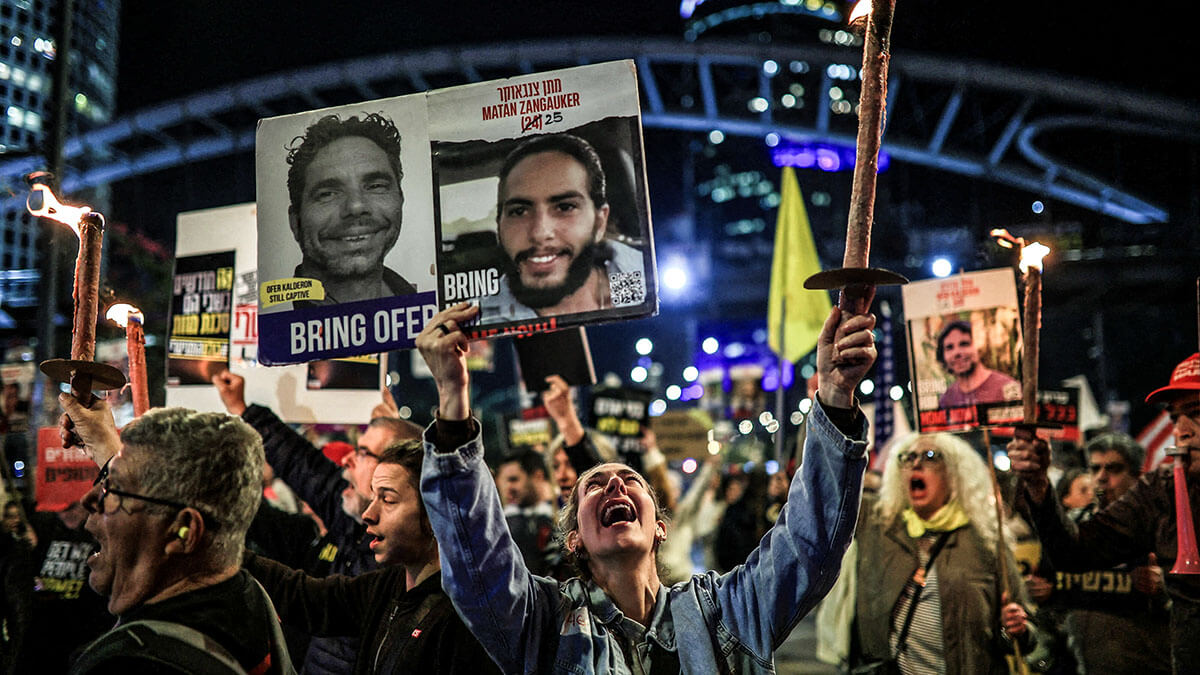
This plan seeks not only to stop the immediate violence but also to lay the foundations for a lasting peace that addresses the security and development needs of both sides.
The reconstruction of Gaza is one of the pillars of the plan, recognising the devastation suffered by the civilian population and the urgent need for basic infrastructure to ensure a better quality of life.
In addition, the release of hostages has been a humanitarian priority, with coordinated efforts to ensure the safe return of all detained persons.
The implementation of a permanent ceasefire is seen as essential to creating an environment conducive to dialogue and future cooperation between the parties to the conflict.

Conditions of the Arab countries
In contrast to the ideas put forward by the US president, the leaders of the Arab countries, according to officials present at CNN, ‘welcomed Trump's proposals’.
However, the Arab and Muslim leaders proposed adding a series of measures that should not be questioned or exceeded by the Israeli government of Benjamin Netanyahu.
The main ones are: the assurance that Israel will not annex parts of the West Bank or the Gaza Strip; will not occupy any part of the Gaza Strip; will not build settlements in the Strip; will stop undermining the status quo at the Al-Aqsa Mosque; and will immediately increase humanitarian aid to Gaza.

These conditions reflect the fundamental concerns of Arab countries about Palestinian sovereignty and rights, as well as regional stability.
The commitment not to annex territory is crucial to build trust between the parties and ensure that negotiations do not lead to unilateral territorial expansion.
The halt to settlement construction is a measure that seeks to ensure that there are no unilateral changes on the ground, which could further complicate relations between Israelis and Palestinians.
Respect for the status quo at holy sites such as the Al-Aqsa Mosque is vital to maintaining harmony and avoiding provocations that could trigger new confrontations.

Increased humanitarian aid is a necessary response to meet the urgent needs of the people of Gaza, providing essential resources for health, education and basic infrastructure.
In response, Donald Trump assured that he would not allow Israel to annex parts of the West Bank. This is a condition on which both former British Prime Minister Tony Blair and Trump's son-in-law Jared Kushner also ‘gave their word’. Likewise, Marco Rubio insisted that ‘time is running out’ and stressed the urgency of seeking a negotiated solution to the final peace plan.
These guarantees seek to consolidate the United States' commitment to a genuine peace process that respects the agreements reached.
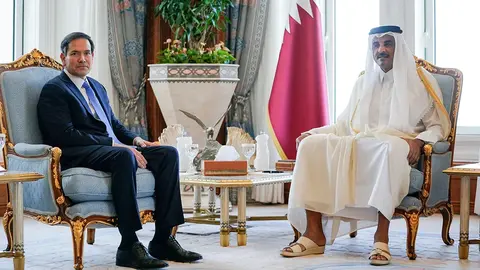
Europe's role in the negotiations
With Trump as the main champion of the search for an end to the conflict, and most European countries officially recognising the Palestinian state, the divide in the West is becoming increasingly evident. As a result, European leaders have been sidelined from any process of seeking a ceasefire.
So much so that both the President of the European Commission, Ursula von der Leyen, and the European leaders who attended the United Nations General Assembly learned the details of Trump's negotiations with the leaders of the Arab countries hours after the meeting ended, perfectly reflecting the European Union's loss of influence.
This situation raises questions about the role of Europe in the future of peace negotiations and its ability to mediate in conflicts of this magnitude.
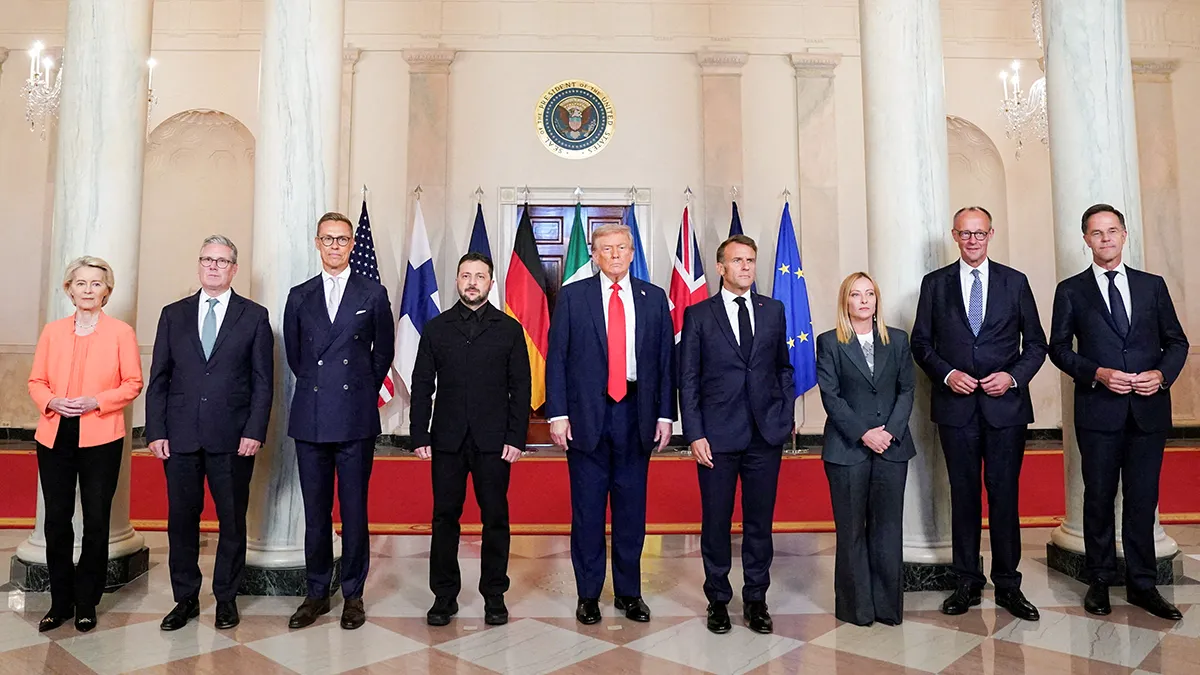
The disengagement of Europe could lead to excessive dependence on the United States in the conduct of negotiations, which could limit the prospects for a balanced solution that takes into account the various regional and global dynamics.
Furthermore, the lack of European involvement reflects a possible lack of coordination among Western powers, which could hinder the creation of a united front in the face of the complexity of the conflict.
It is essential that Europe reassess its strategy and find a way to rejoin the peace process, contributing its experience and resources to support a lasting resolution.
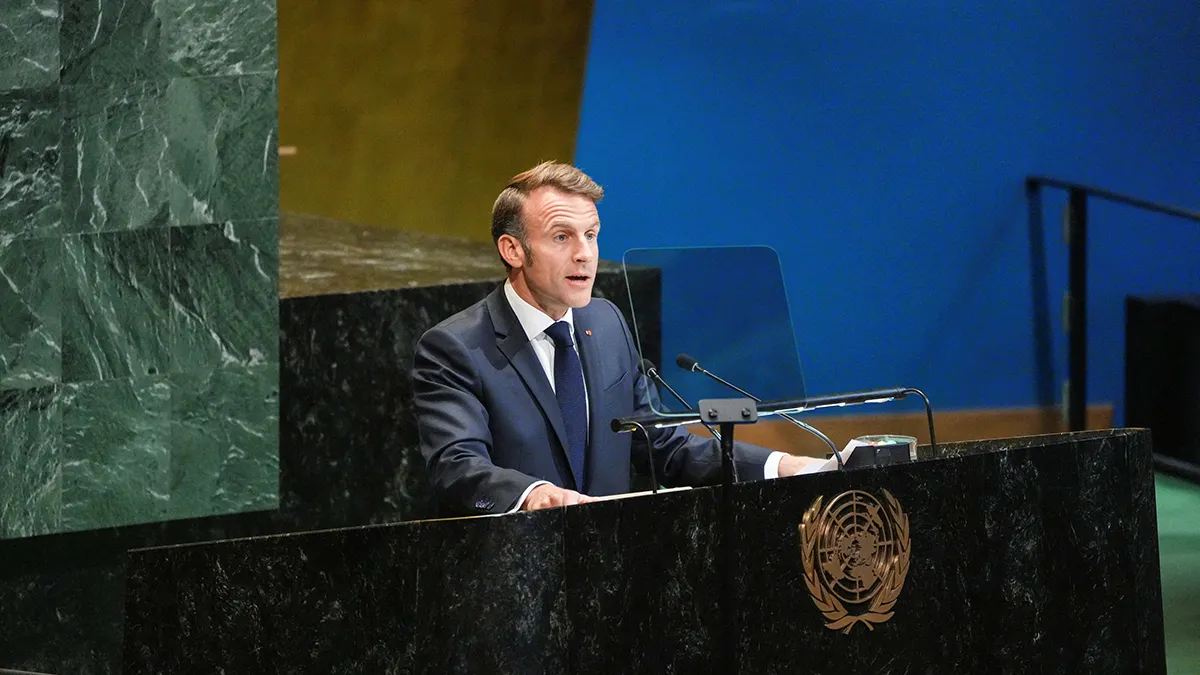
The reconstruction of the Gaza Strip and the implementation of an effective peace plan will require international collaboration that includes all stakeholders, with Europe playing a key role in coordination and financial support.
Without the active participation of the European Union, there is a risk that peace efforts will be insufficient to address the deep divisions and structural challenges that underpin the conflict.
In conclusion, the success of the current negotiations will depend on the ability of the leaders involved to work together, respect the conditions set out and ensure the effective implementation of the proposed peace plan.