More than just a sporting event: the Africa Cup of Nations reflects Morocco's widespread renaissance
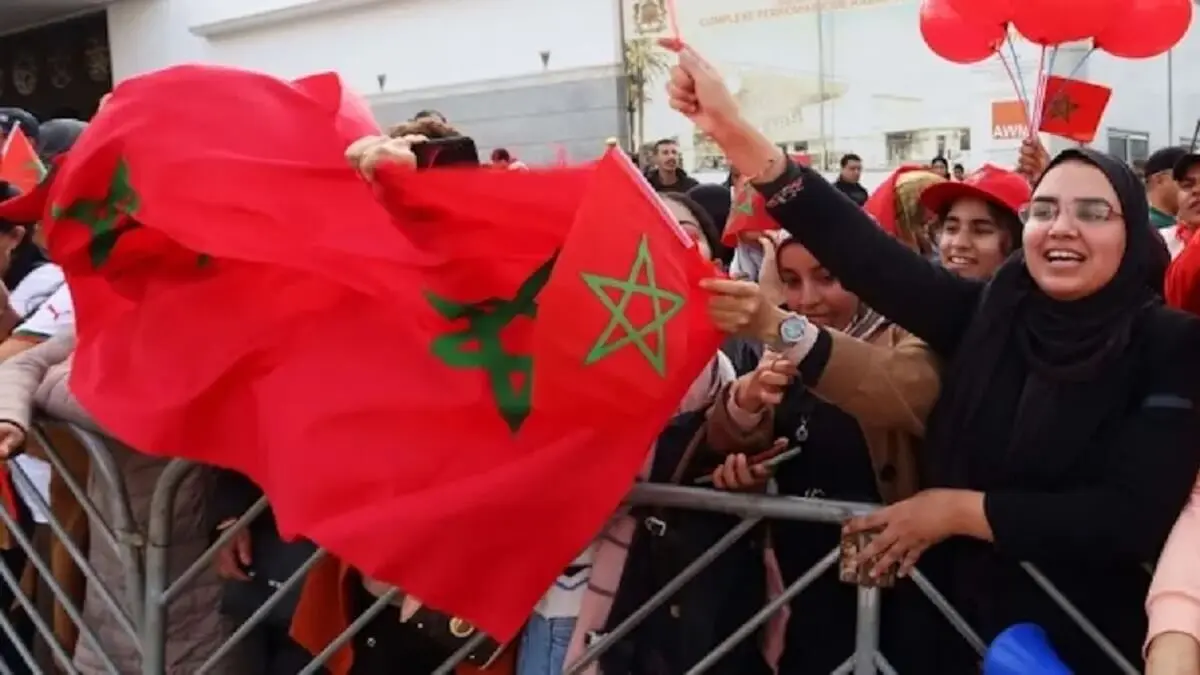
Beyond the referee's whistles and the unfolding of the matches on the pitch, the 2025 Africa Cup of Nations, which kicks off on Sunday in Morocco, is not just about sports. It goes beyond that and becomes a multidimensional national test, where political, economic, and social stakes intersect, and is largely interpreted as a dress rehearsal for an even more important event: the organization of the 20230 World Cup.
Más que un evento deportivo: la Copa Africana de Naciones, reflejo del renacimiento generalizado de Marruecos
— Javier F. Arribas (@javifarri) December 20, 2025
Un espíritu ganador que trasciende el ámbito deportivo y abarca cuestiones de desarrollo, asuntos económicos y complejos temas diplomáticos pic.twitter.com/1pfMRChUrk
With the same winning spirit and enthusiasm with which the Moroccan authorities have approached sporting events, both in terms of competition and organization, and which have been rewarded with the excellent results of Moroccan athletes in numerous disciplines, especially in soccer, and with international confidence in the country's ability to host major events, notably the World Cup final, the authorities faced complex developmental, economic, political, and diplomatic problems, and achieved victories in all of them that were no less valuable than sporting triumphs and titles.
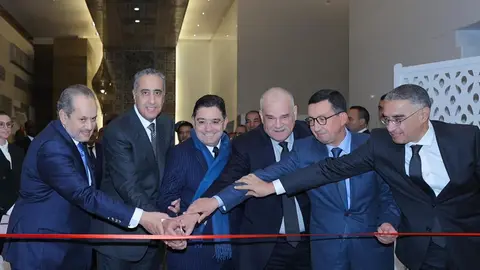
At the forefront of these victories was the international community's explicit recognition of the plan for autonomy for the Moroccan Sahara within the Kingdom as the only viable solution to definitively resolve the issue.
Another reflection of this victorious and self-confident Moroccan spirit was the rapid overcoming of the consequences of the earthquake that previously struck part of Morocco and the overcoming of its social effects among the population of the affected areas.
After an absence that lasted for decades, the continental sporting event returns to Morocco in a totally different context, under the slogan of investment in sport as a lever of soft power and a strategic tool to consolidate its regional and international position.
Since the National Debate on Sport held in Skhirat in 2008, Morocco has been committed to integrating soccer into its development and diplomacy project, a commitment that has been gradually reinforced by a series of sporting successes that have given this orientation increasing credibility.
The Moroccan national team returned to the World Cup in 2018 after a two-decade absence, before achieving a historic milestone by reaching the semifinals of the 2022 World Cup in Qatar and winning the bronze medal at the 2024 Olympic Games in Paris, in addition to other triumphs in the youth categories, notably the U-20 world title won last October.
According to researchers in sports sociology, these results were not unrelated to a broader institutional vision aimed at repositioning Morocco as an emerging sporting power in Africa.
In this context, sociologist Jean-Baptiste Gigan, who specializes in the geopolitics of sport, argues in his latest article that Morocco has become the driving force behind African soccer after an absence that lasted for decades. The continental sporting event returns to the Kingdom of Morocco in a totally different context, whose motto is investment in sport as a lever of soft power and a strategic tool to consolidate its regional and international position, not only in terms of results, but also in terms of its ability to organize major events and market them politically and culturally. It adds that the 2025 African Cup represents a crucial moment to consolidate this role, especially as it is being held less than five years before the joint organization of the World Cup with Spain and Portugal.
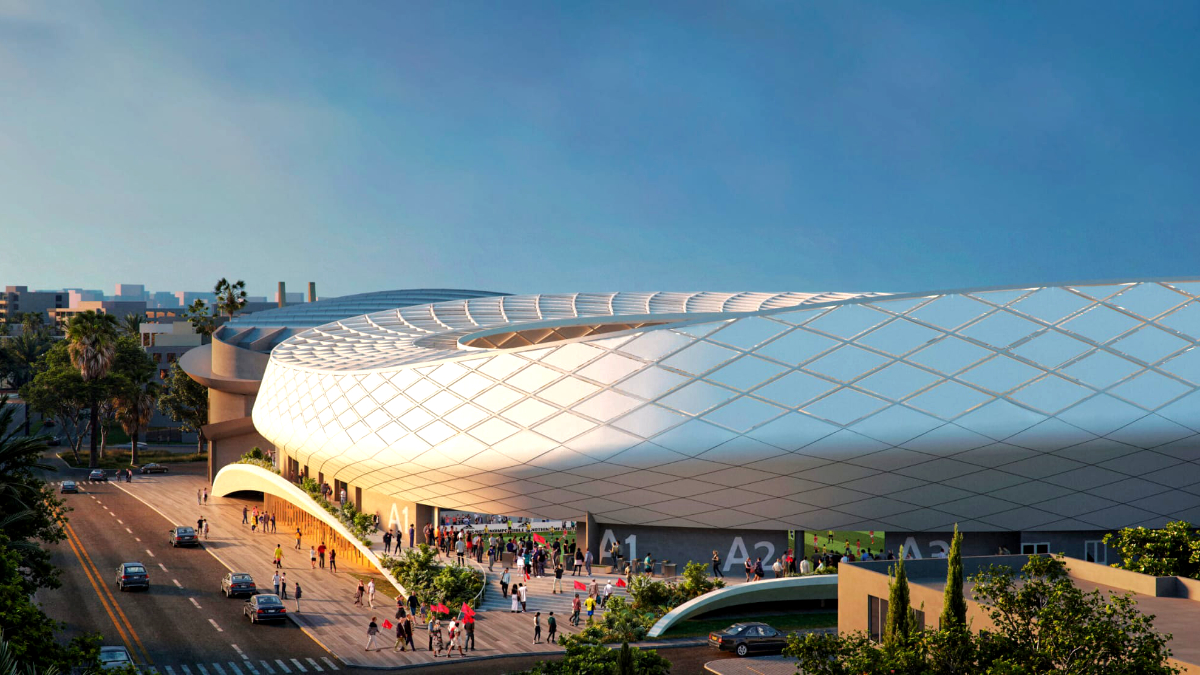
In terms of infrastructure, the preparations reflect an unprecedented investment in the history of the continental championship. Nine modern stadiums have been refurbished in six cities, in addition to specific training grounds for each team and hotels for the delegations, with an investment of over €1 billion for the refurbishment of stadiums and sports facilities, as well as some $65 million for the Mohammed VI Football Academy, which has become one of the pillars of the kingdom's talent development policy.
These investments extend to the transport, tourism, and hospitality sectors, where authorities expect an influx of around one million additional visitors compared to 2024, with potential revenues of around €1 billion, making the championship a multi-sector economic driver.
The organization of the event also sends a message about the country's unique stability and the authorities' ability to protect it and ensure its sustainability and security, as the Moroccan authorities have developed a multi-level plan that includes specialized units, camera surveillance systems, the use of drones and police dog teams, as well as joining Interpol's “Stadia” program to exchange experiences in the security of major events.
This approach is based on the experience gained by Moroccan officials during the 2022 World Cup in Qatar, which has made it possible to rely almost entirely on national expertise, without resorting to external security support, demonstrating institutional preparedness.
At the same time, Morocco has invested heavily in the popular and cultural dimension of the championship, equipping large fan zones in the host cities, organizing opening and closing ceremonies with a local artistic character, and carefully managing international media coverage.
These elements are considered part of image building, as the commitment is not limited to technical organization but extends to controlling the media narrative and highlighting cultural diversity and Moroccan identity to a global audience.
All these factors make the 2025 Africa Cup of Nations more than just a continental championship. It is a platform to test infrastructure readiness, a laboratory for soft security policies, an opportunity to measure the impact of sports investment on the economy and society, and, at the same time, a practical exercise for a World Cup qualification unprecedented in Morocco's history.